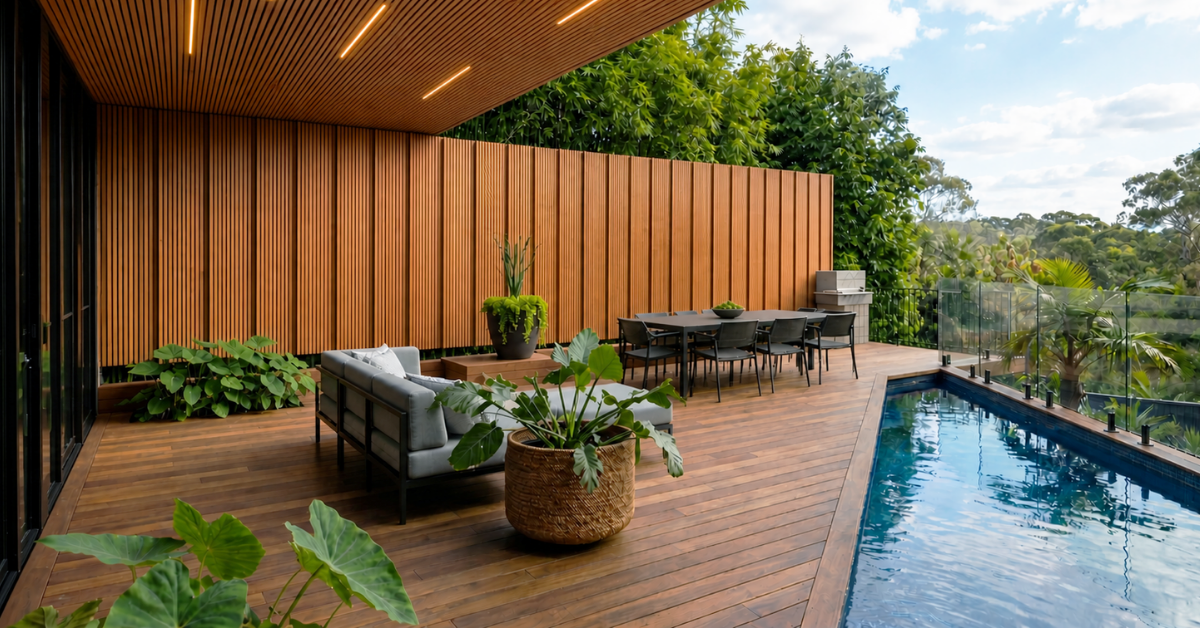
Explore how Milan Design Week 2026 is shaping sustainable architecture, with a shift toward material performance, long-term durability, and specification clarity. Learn how engineered bamboo supports architects with consistent, reliable solutions for modern design.
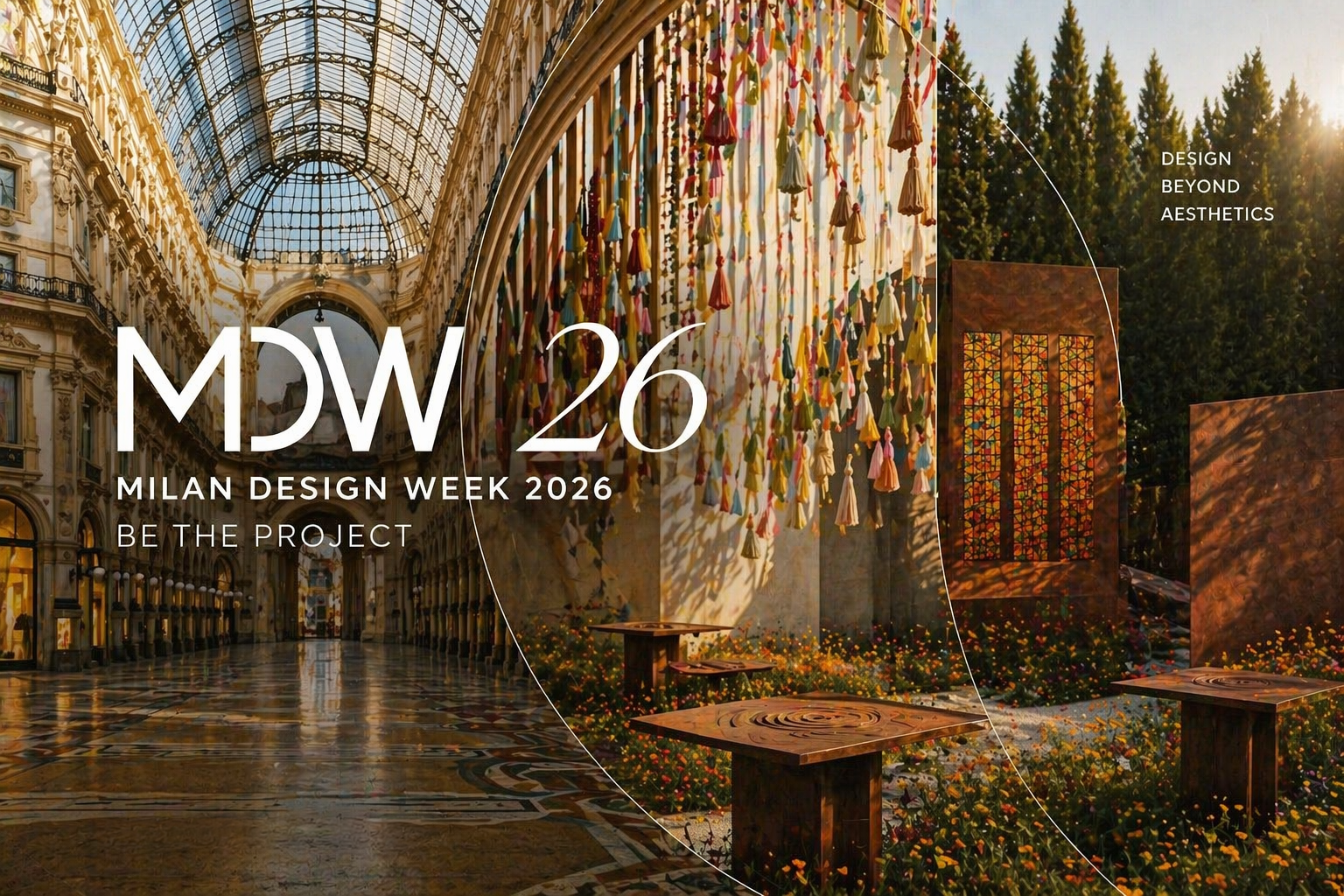
Explore how Milan Design Week 2026 is shaping sustainable architecture, with a shift toward material performance, long-term durability, and specification clarity. Learn how engineered bamboo supports architects with consistent, reliable solutions for modern design.
Design between Performance and Beauty
Milan Design Week 2026 confirmed what progressive architects already know: the era of product-led design is ending. In its place, a more rigorous approach is emerging, one where materials are chosen not for how they photograph, but for how they perform across decades of use.
This year's theme, "Be the Project," reframes design as an evolving relationship between material behaviour, environmental response, and human experience. The question is no longer "what does this look like?" but "how does this system adapt, age, and perform over time?" At House of Bamboo, this thinking drives every decision we make about material development, technical specification, and long-term architectural outcomes.
“The future of materials lies in the balance between nature and precision.” — Jennifer Snyders
Material Performance in Contemporary Architecture
Across Milan, one shift was impossible to ignore: materials are being interrogated with forensic precision. Architects are demanding data on dimensional stability, moisture response, UV resistance, and long-term durability before a single line is drawn.
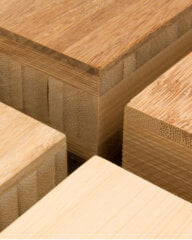
We continue to meet this demand directly with engineered bamboo. Unlike traditional timber, which varies in density and performance even within the same species, engineered bamboo is manufactured to consistent technical standards. This means predictable expansion coefficients, reliable acoustic properties, and dimensional stability across interior and exterior applications. For architects working on detailed facades or precision joinery, this removes the guesswork that typically comes with natural materials. From concept through to delivery, the performance parameters remain constant.

Download the Marvel Project Case Study and Bespoke Technical Specifications
Sustainable Materials with Reliable Performance
Sustainability has moved from aspiration to specification requirement. Clients expect it, regulations enforce it, and architects are tasked with delivering it without compromising structural integrity or aesthetic intent.
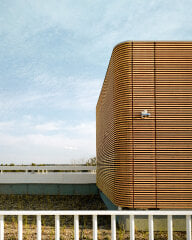
Engineered bamboo responds to this challenge by combining rapid renewability with manufacturing precision. Bamboo reaches structural maturity in three to five years, compared to hardwoods that require 40 to 80 years. But renewability alone isn't enough. The material must also perform. Compared to traditional timber, engineered bamboo offers improved dimensional stability, resisting movement and warping even in high-humidity or thermally exposed environments. This makes it suitable for challenging applications: curved walls, external cladding, moisture-prone interiors. The result is a material that supports clean architectural detailing whilst maintaining long-term structural performance, reducing callbacks and material failure over the building's lifespan.
Designing for Feel and Wellbeing
Milan Design Week 2026 reinforced a truth the industry has been circling for years: occupants don't just see spaces, they feel them. Acoustic comfort, tactile warmth, and visual softness are no longer secondary considerations. They're shaping design briefs from the earliest stages.
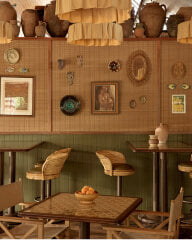
Natural materials play a specific role here, and bamboo's contribution is both acoustic and haptic. Its cellular structure absorbs mid-range frequencies, softening reverberation in open-plan environments without requiring additional acoustic treatments. Visually, bamboo introduces tonal warmth and grain variation that synthetic materials can't replicate. At House of Bamboo, we've seen this applied across workplace interiors, hospitality ceilings, and residential joinery, where the material brings subtle acoustic performance and sensory richness into spaces designed for human comfort, not just visual impact.

Download the Chatswood Case Study and Bespoke Technical Specifications
Where Craft Meets Engineering Precision
One of the clearest shifts at Milan was the convergence of craftsmanship and advanced material engineering. Natural materials are no longer used purely for their organic aesthetic. They're being refined, tested, and engineered for performance, consistency, and buildability.
This is where House of Bamboo operates. Engineered bamboo retains the visual warmth and grain character of a natural material, the texture of organic yet no longer the expected pole of bamboo but an organic form manufactured to tolerate the needs for complex applications: curved feature walls, seamless ceiling panels, precision joinery with minimal expansion gaps. This balance between natural authenticity and engineering control is what allows architects to specify bamboo with confidence, knowing it will perform as reliably as composite materials whilst delivering the sensory qualities only natural materials provide.
The Future of Architectural Materials
The direction from Milan is unambiguous: materials will be judged not by how they look on day one, but by how they perform, age, and integrate into the broader environmental and structural systems of a building over its entire life cycle.
This is where design intent and material specification must align.
At House of Bamboo, we continue to develop engineered bamboo solutions that support this shift, providing architects and designers with materials that deliver clarity in specification, consistency in performance, and confidence at every stage of the project, from initial concept through to decades of use.
Speak to our specification team about your next project.
-1.jpg?width=1920&quality=80&format=auto)
.jpg?width=1920&quality=80&format=auto)