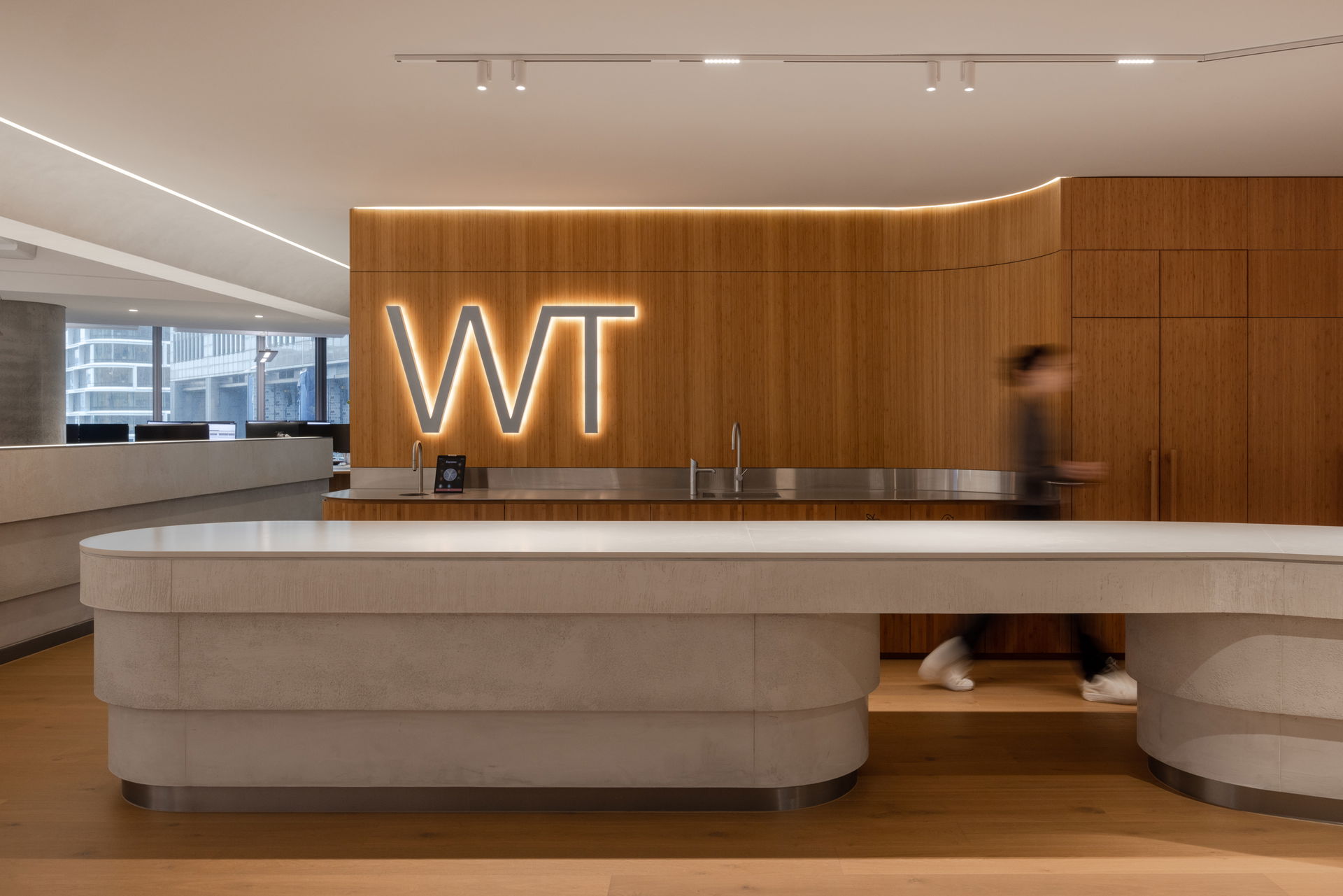
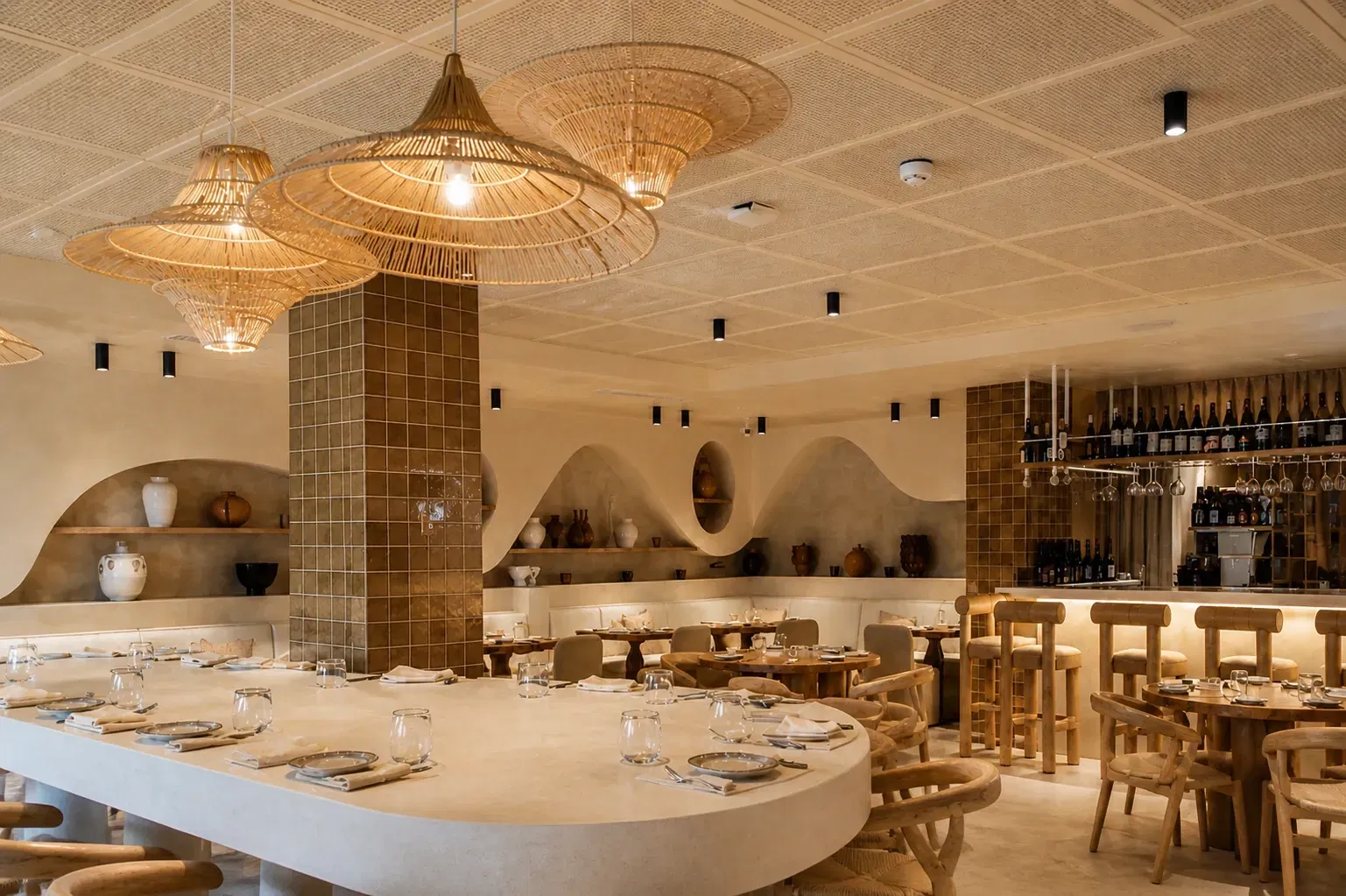
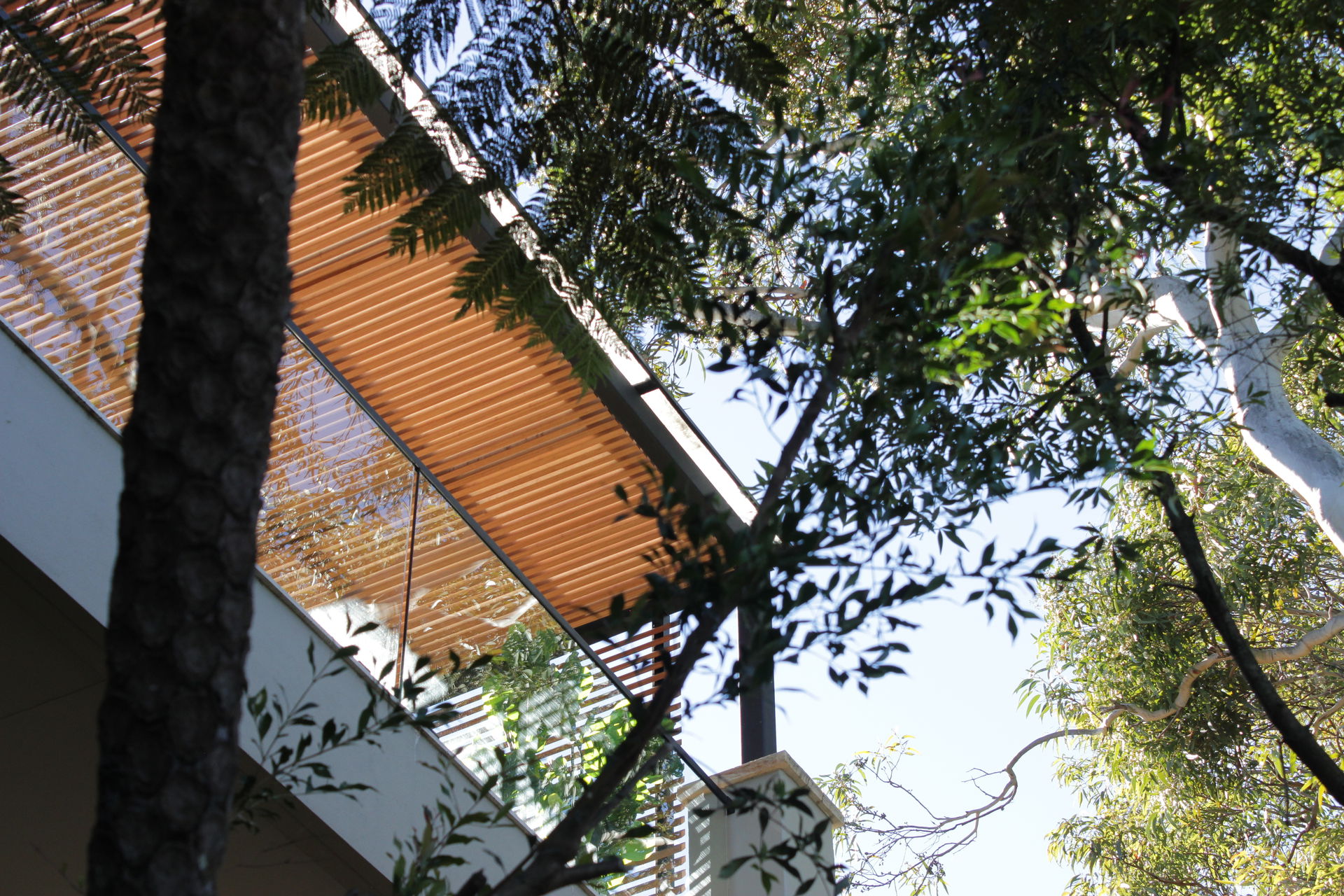
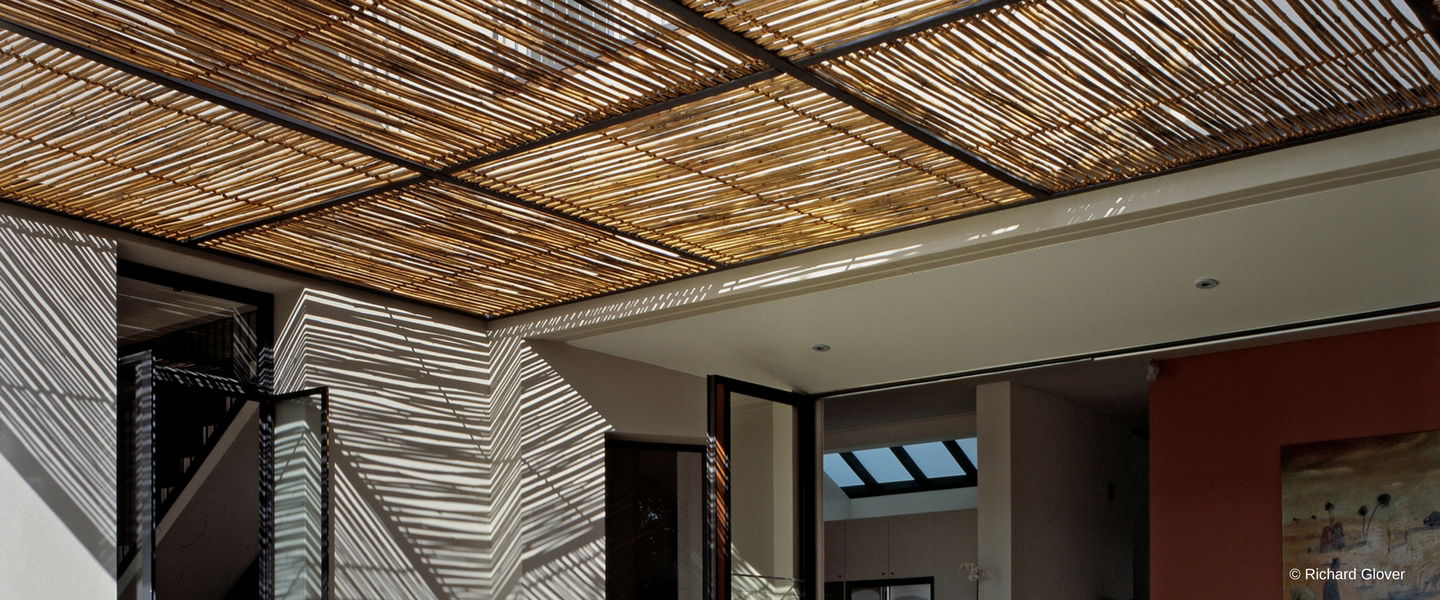
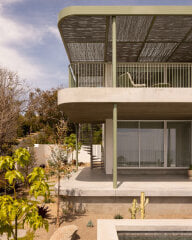
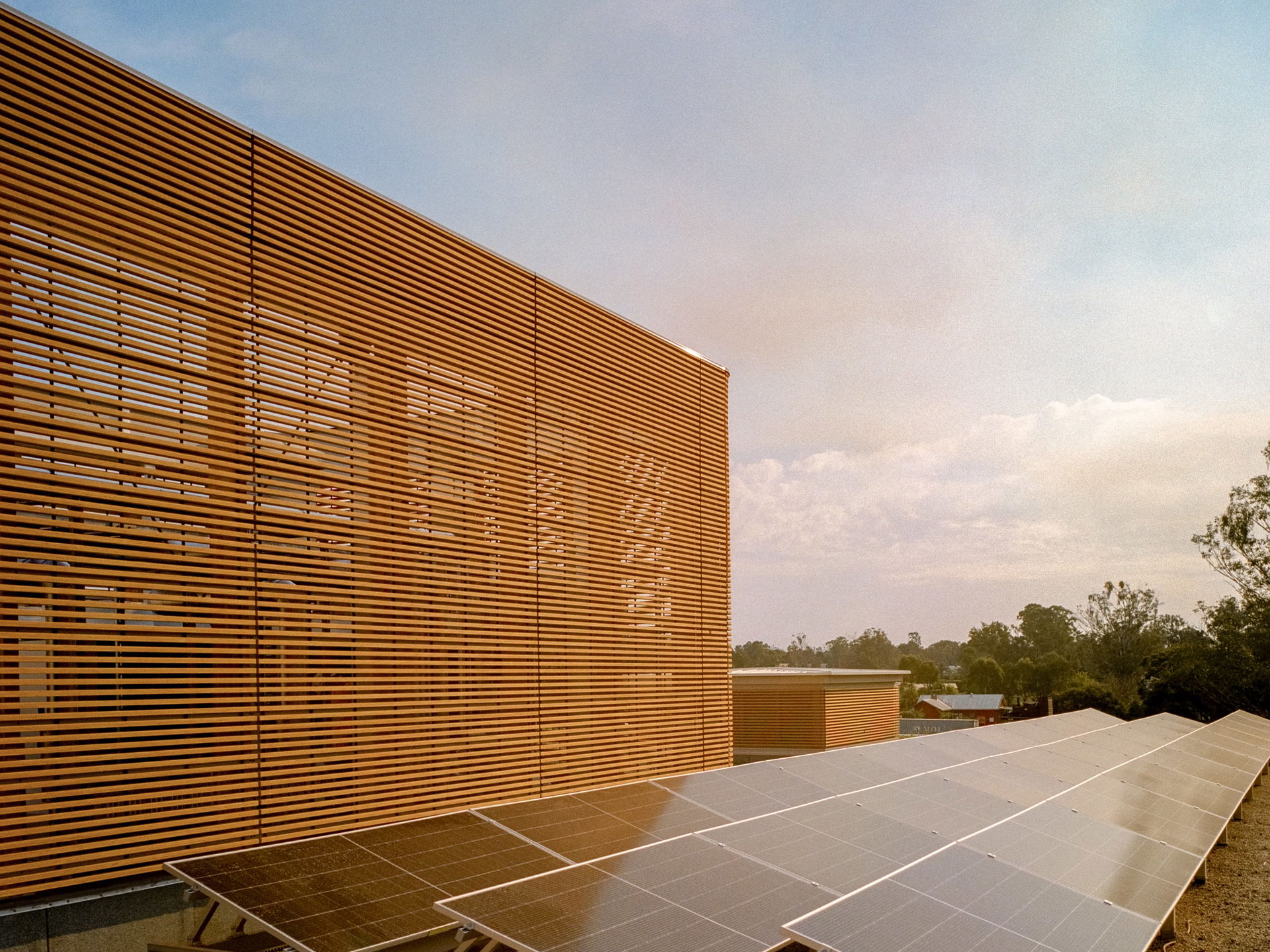
The SeaChange® Series is a range of engineered bamboo batten systems to meet the unique demands of Australian architecture, high UV exposure, coastal humidity, and the need for lasting material integrity. Each profile combines refined design flexibility with the structural strength and environmental resilience of engineered bamboo. The range is Fire Class Group 3 and GreenTag certified.
SeaChange is House of Bamboo's engineered bamboo batten cladding system, built for the extremes of Australian conditions: high UV, coastal humidity and everything in between. Each batten is made from laminated Phyllostachys edulis bamboo, giving the strength of engineered timber with a lighter, more sustainable footprint. The series comes in five profiles: Noosa, Cottesloe, Torquay, Silhouette Slatted and Silhouette Louvered, so you can dial in exactly how much privacy, airflow and shadow play a project needs.
Spacing is where each profile earns its keep.
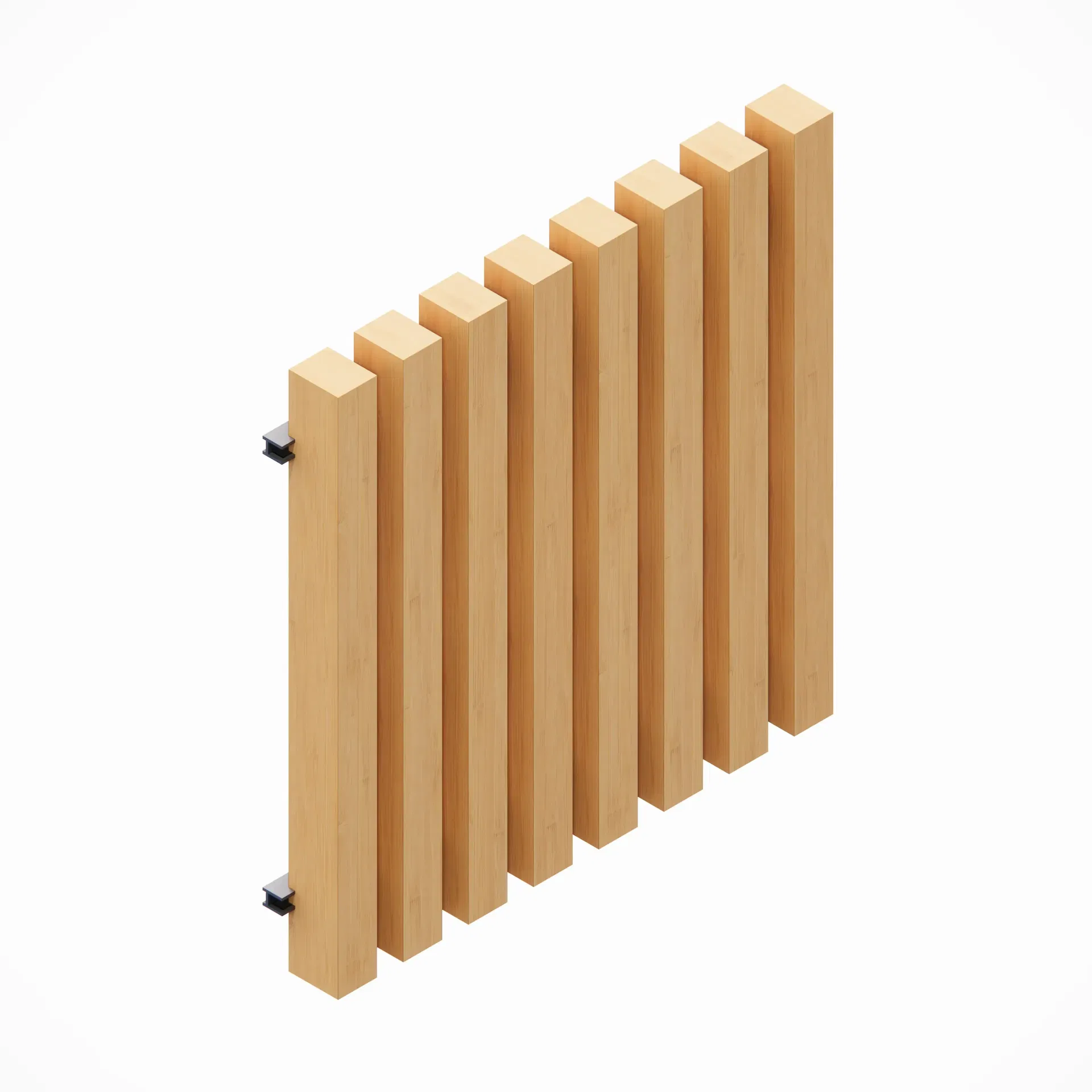
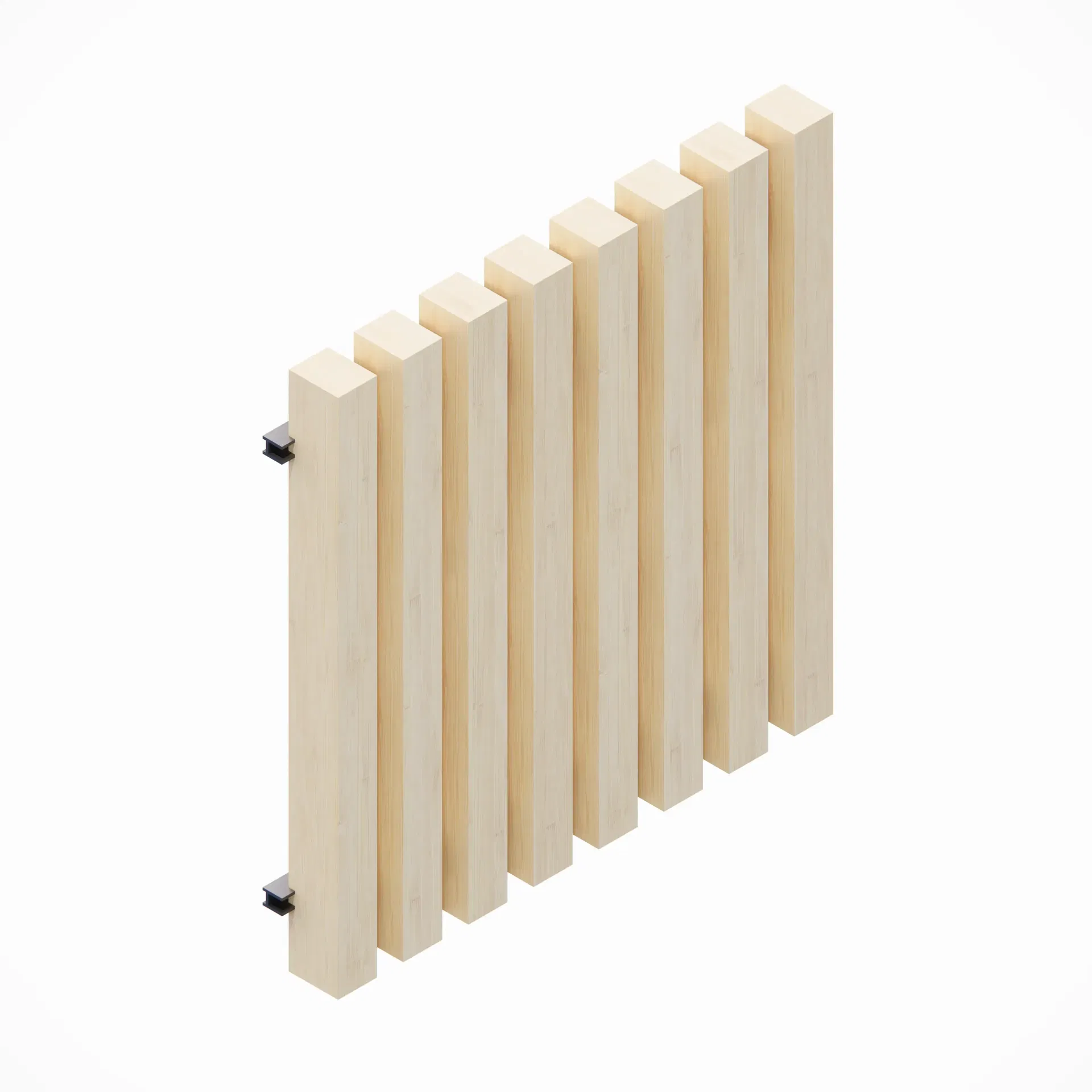
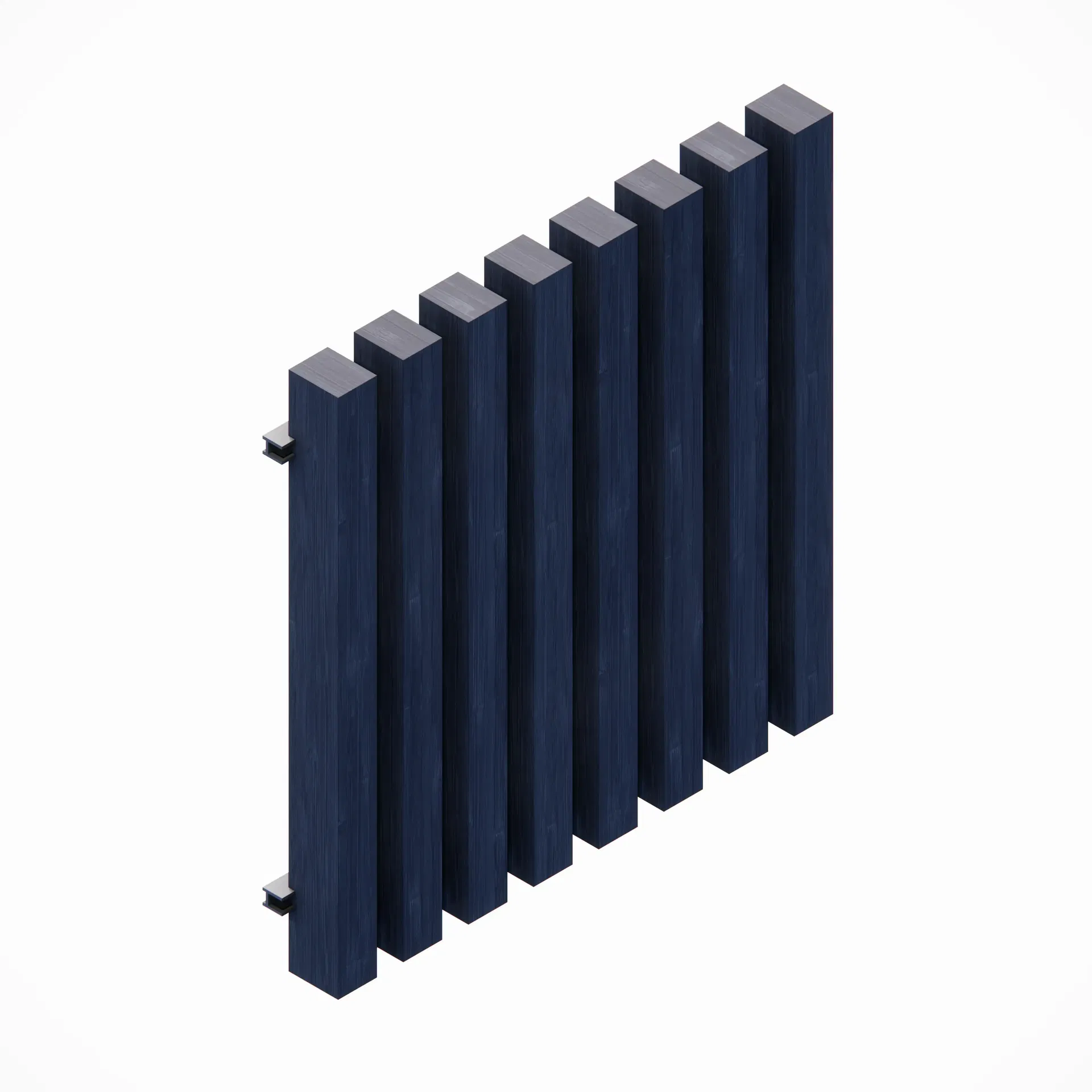
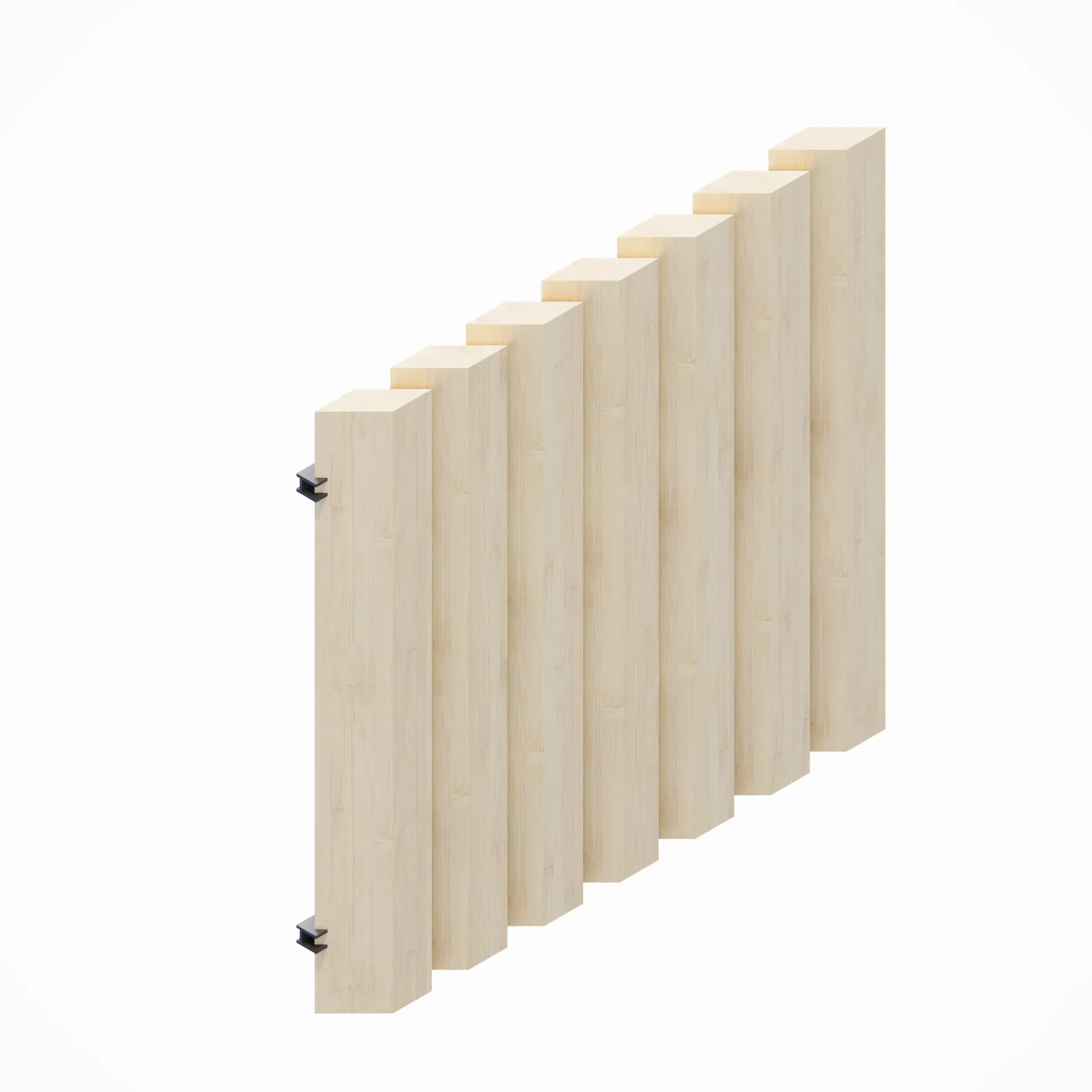
Noosa runs 30 x 38mm battens at a 20mm gap for a balance of airflow and screening.
Cottesloe uses 30 x 28mm angled battens at 28mm centres for graduated privacy that still breathes.
Torquay is the tight one: 20mm x 20mm battens just 8mm apart, built for near-total privacy where that matters most.
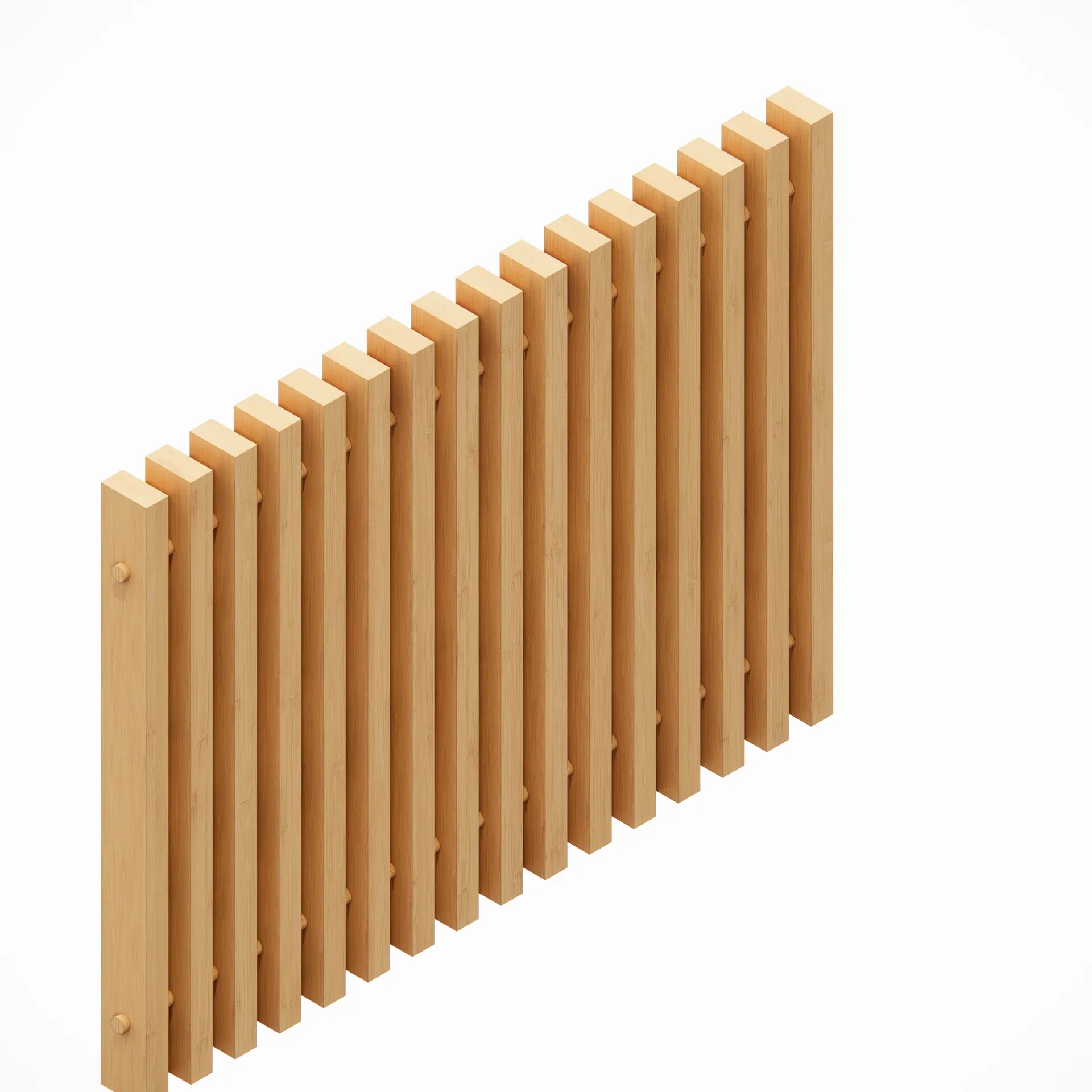
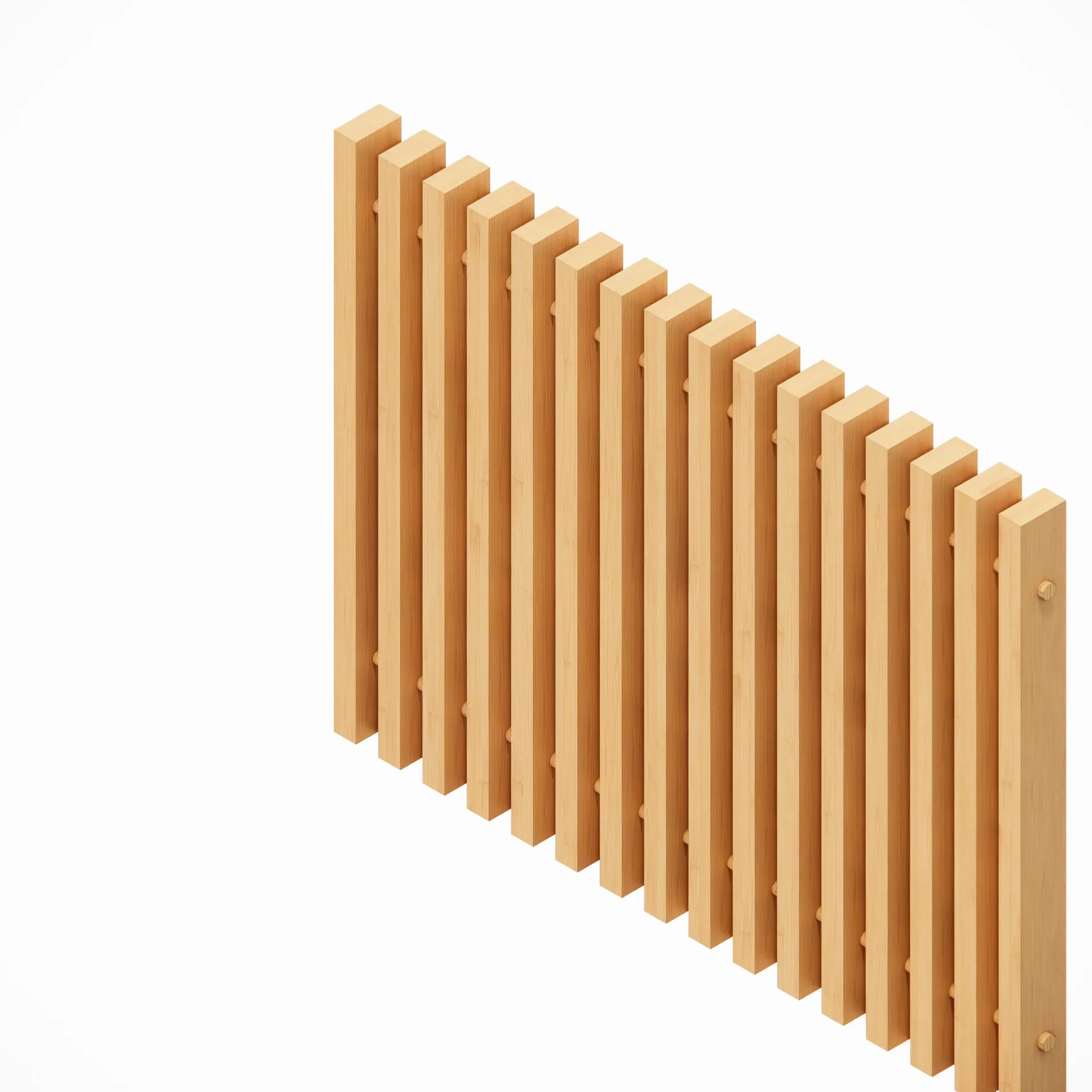
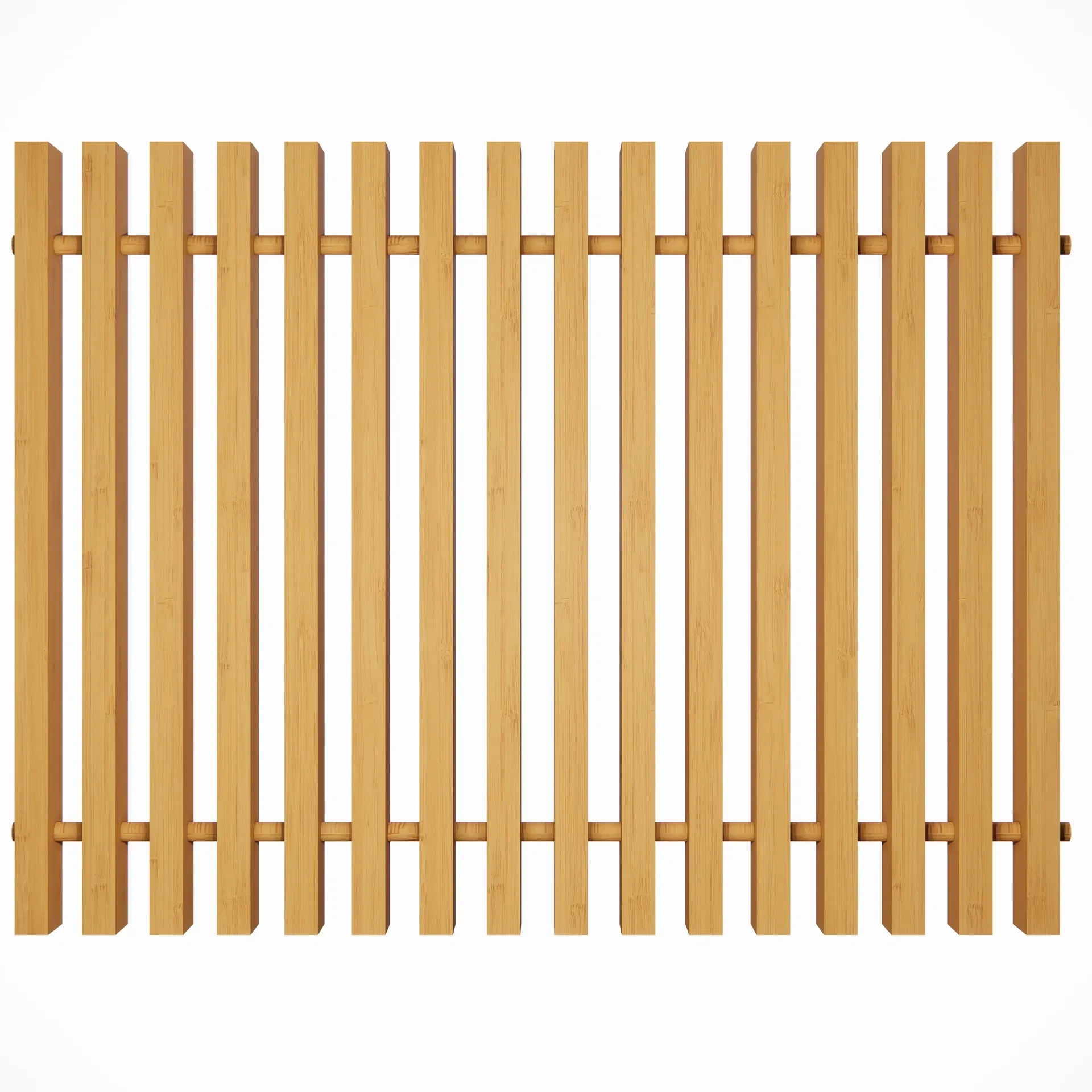
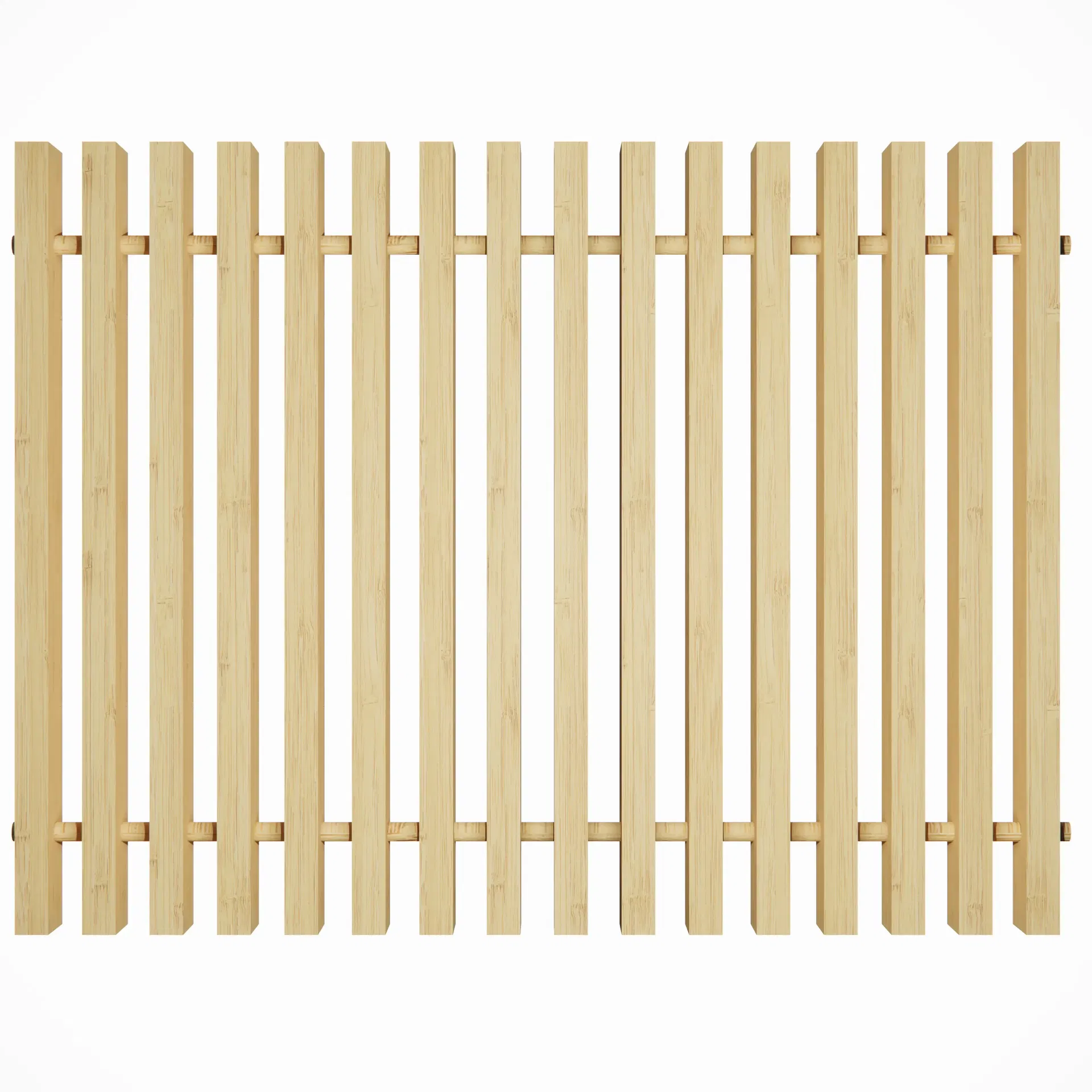
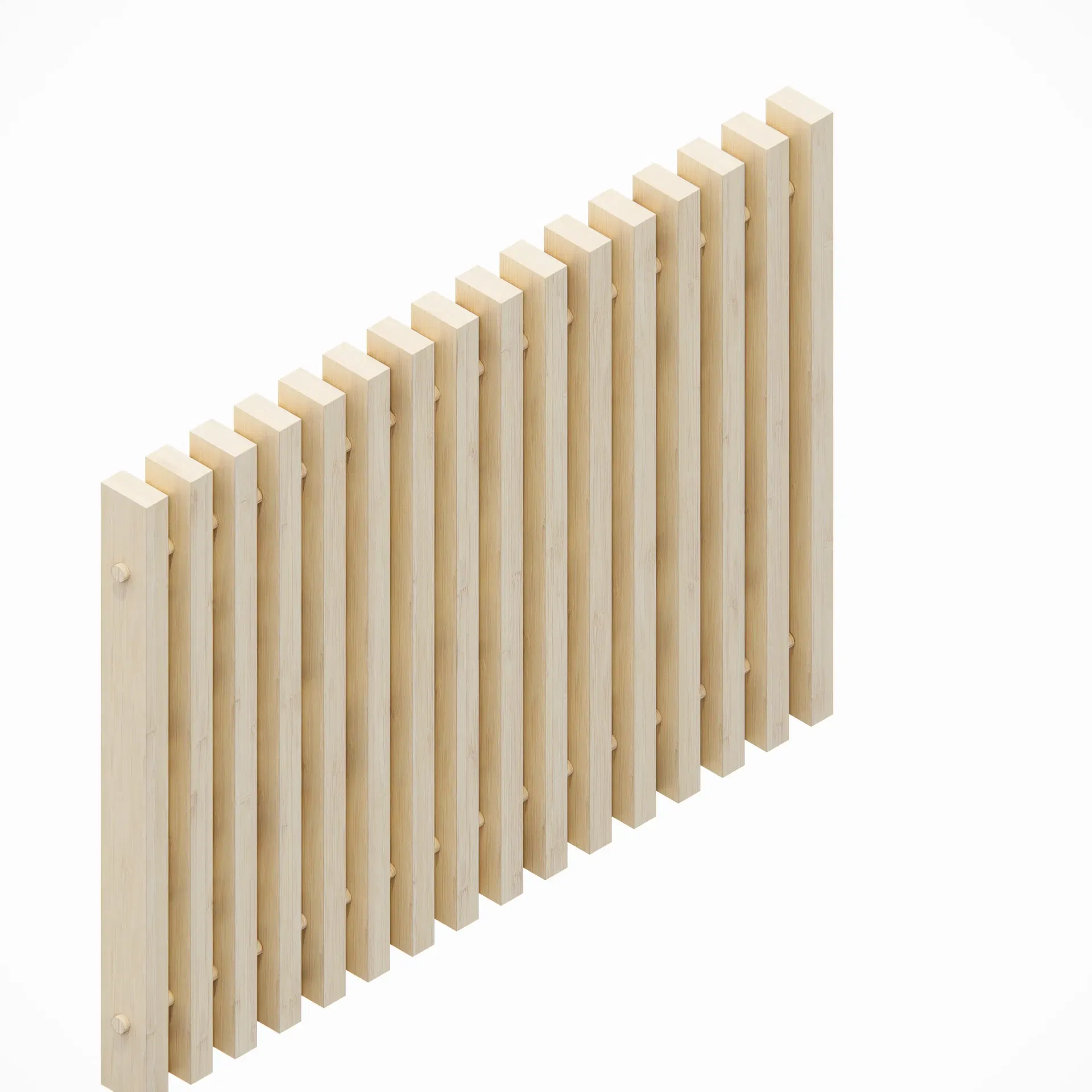
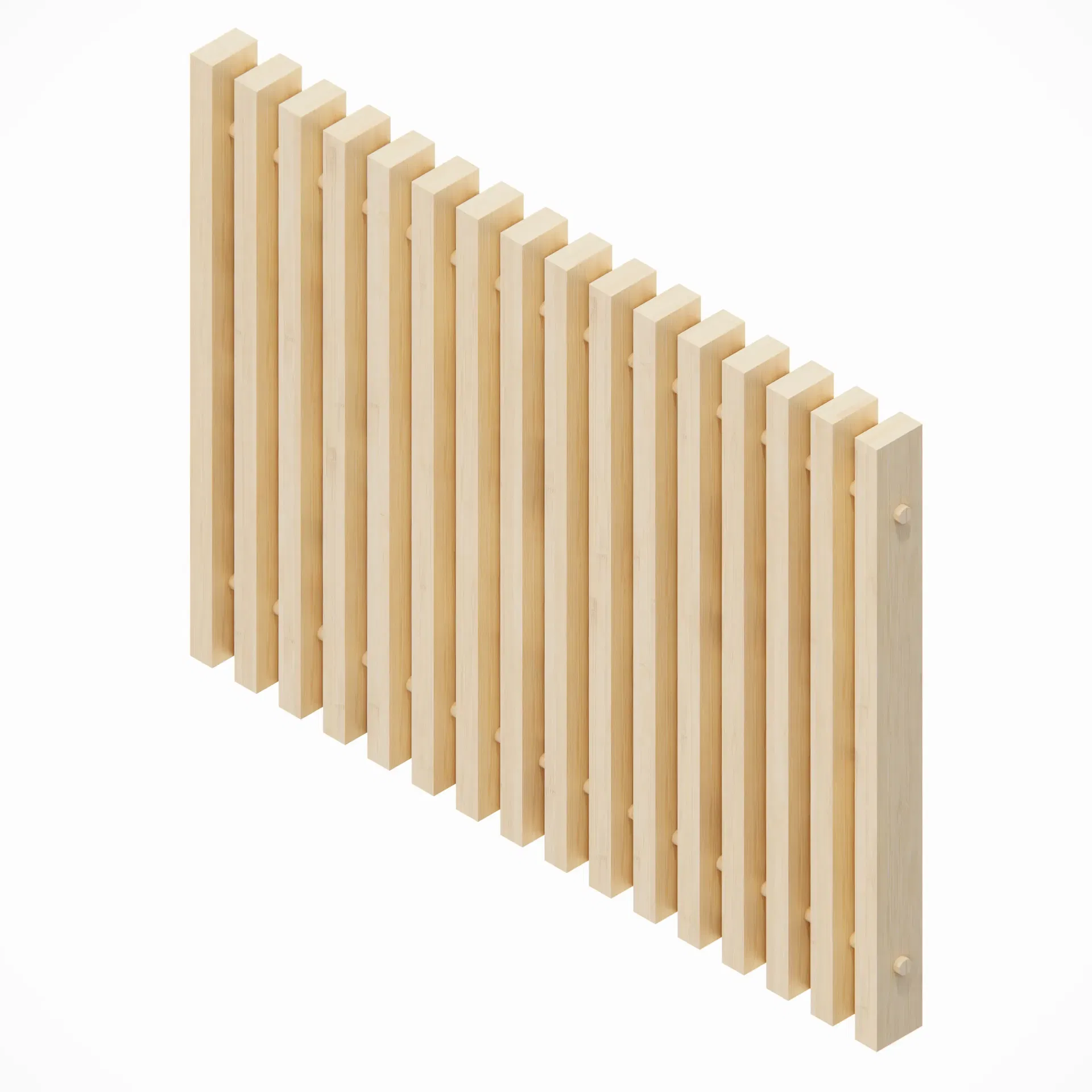
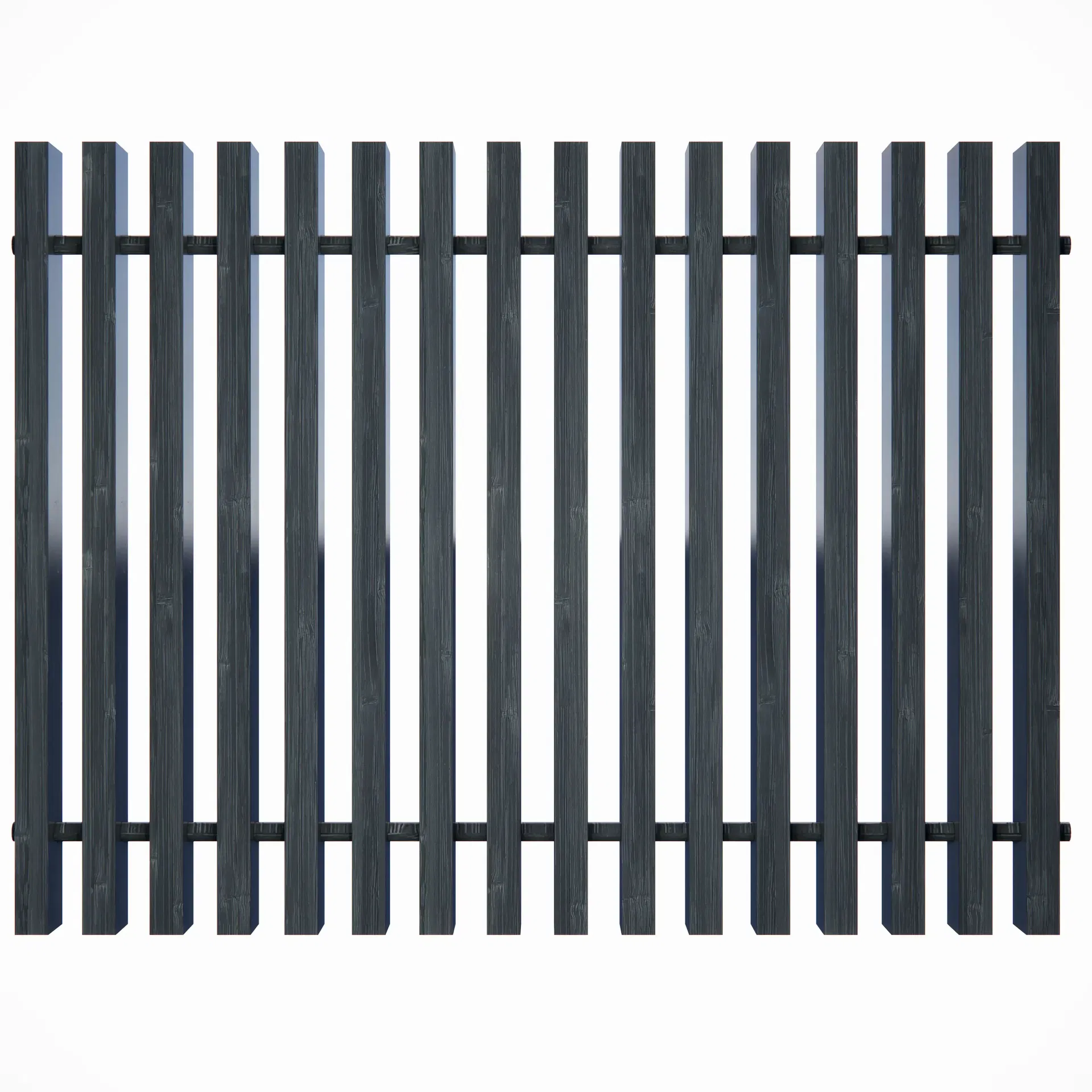
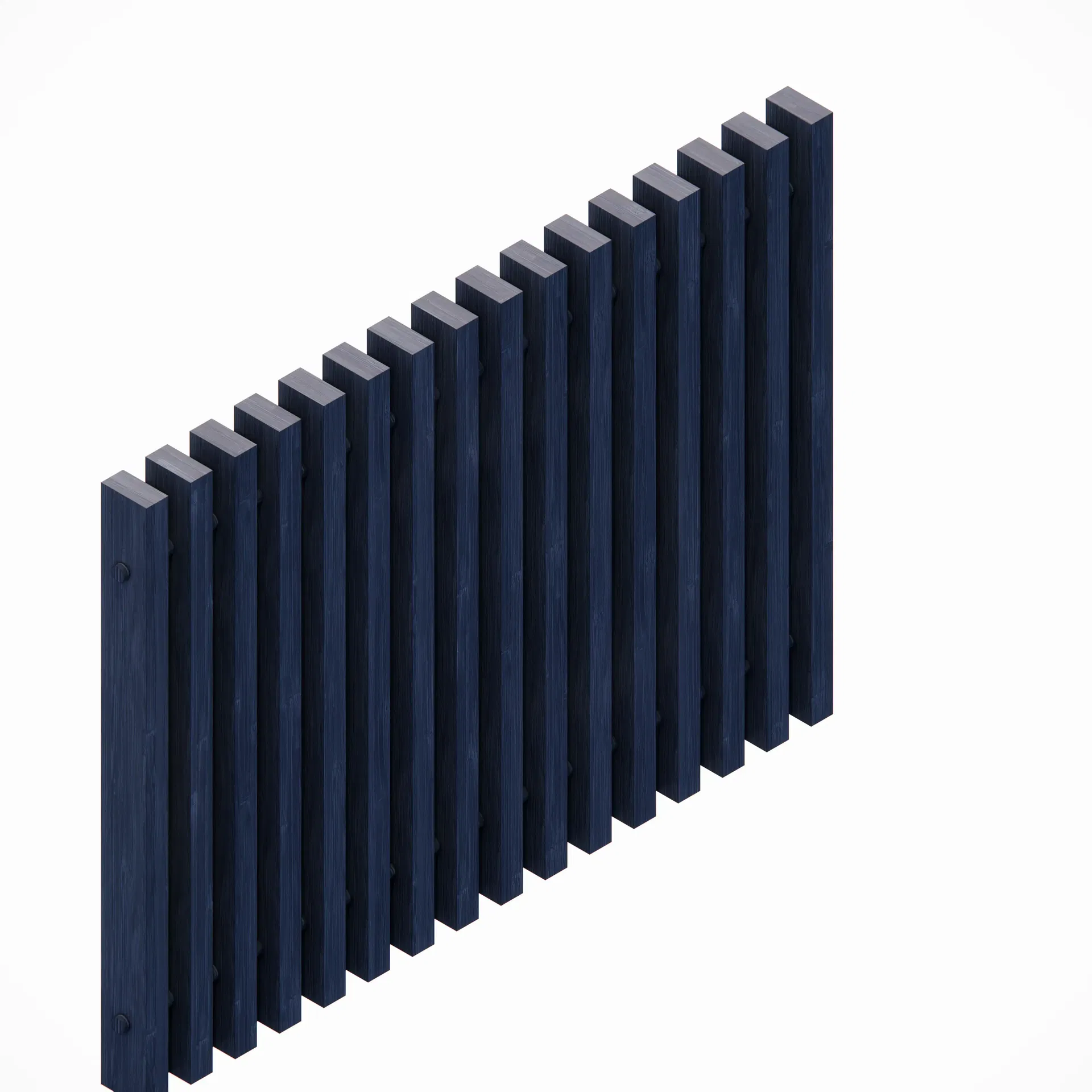
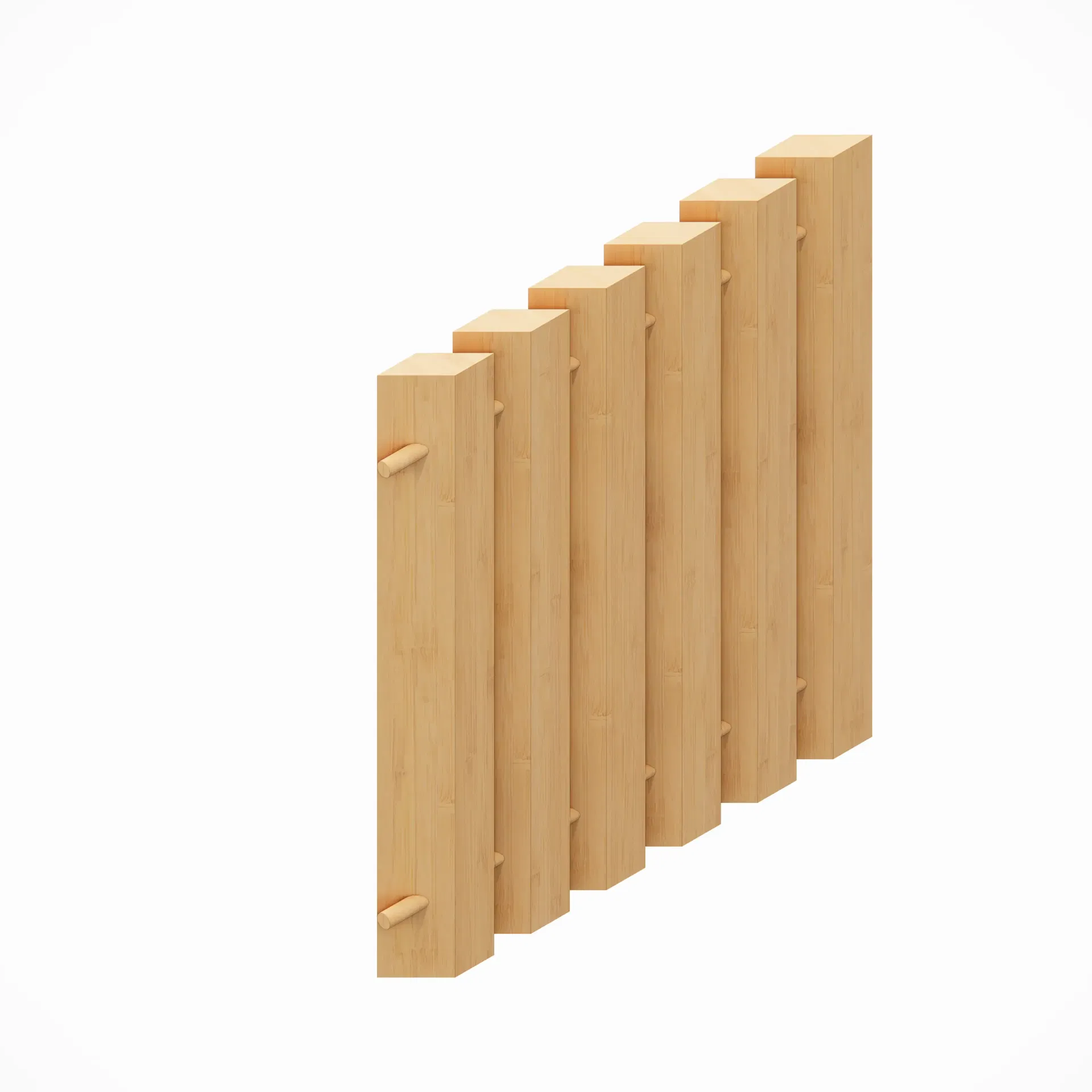
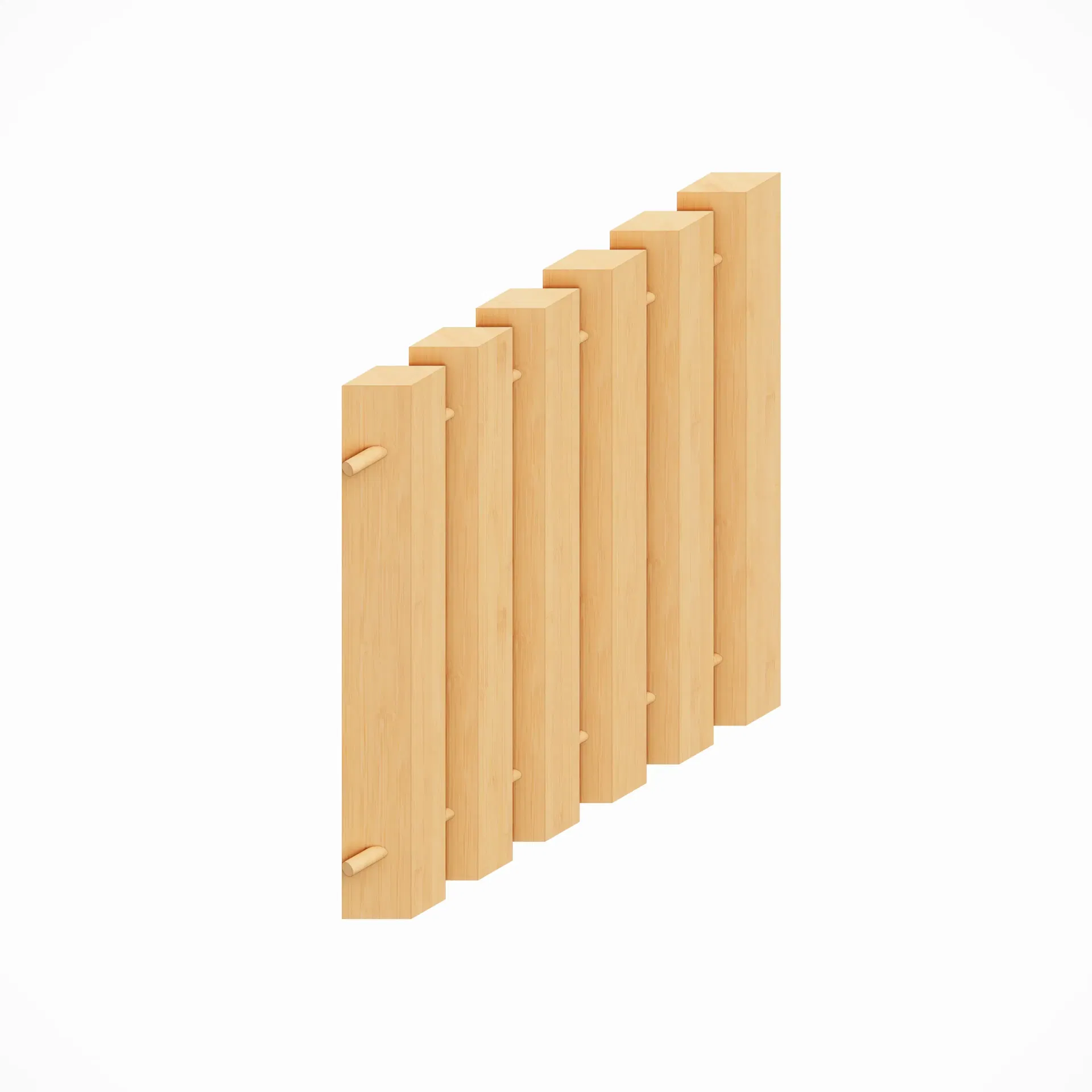
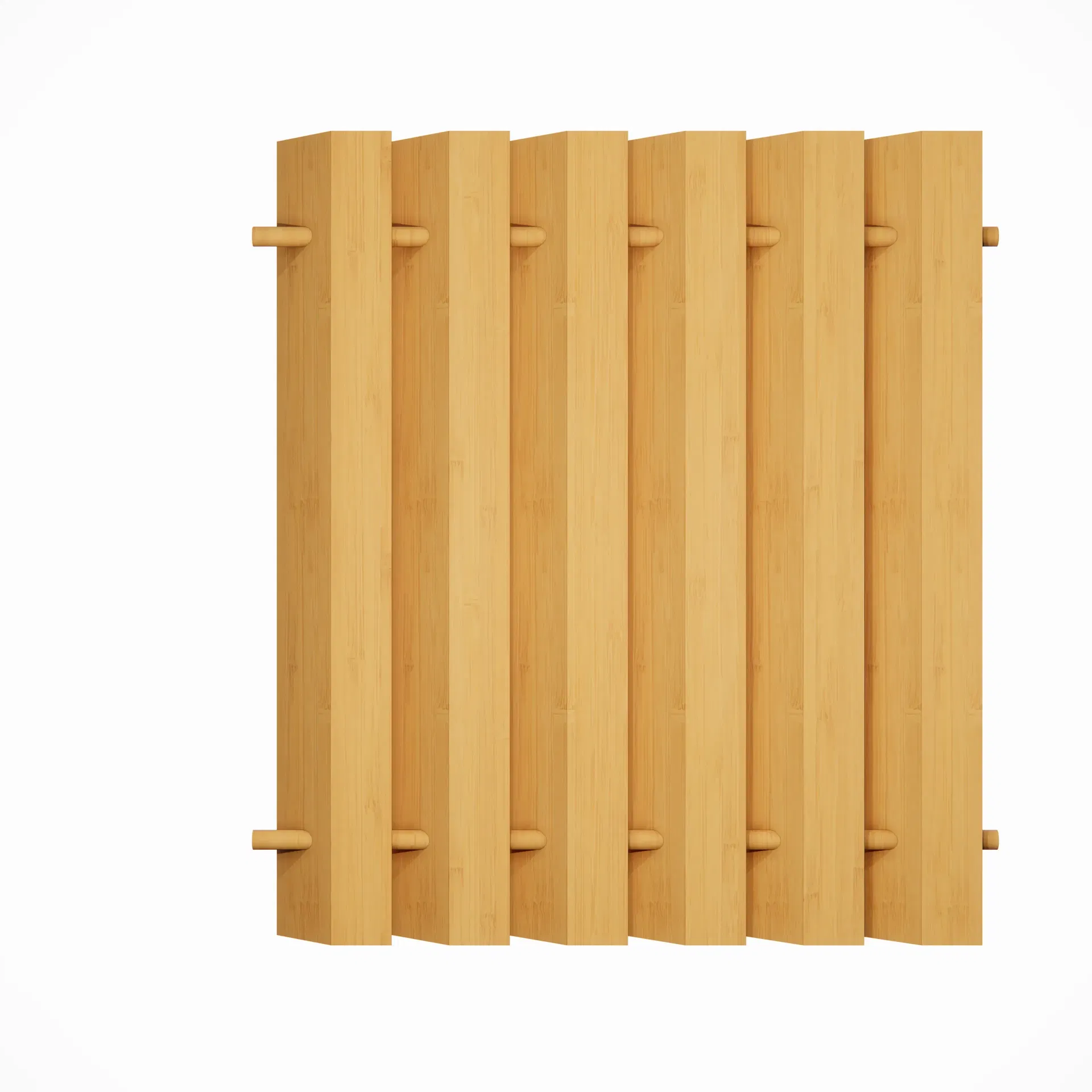
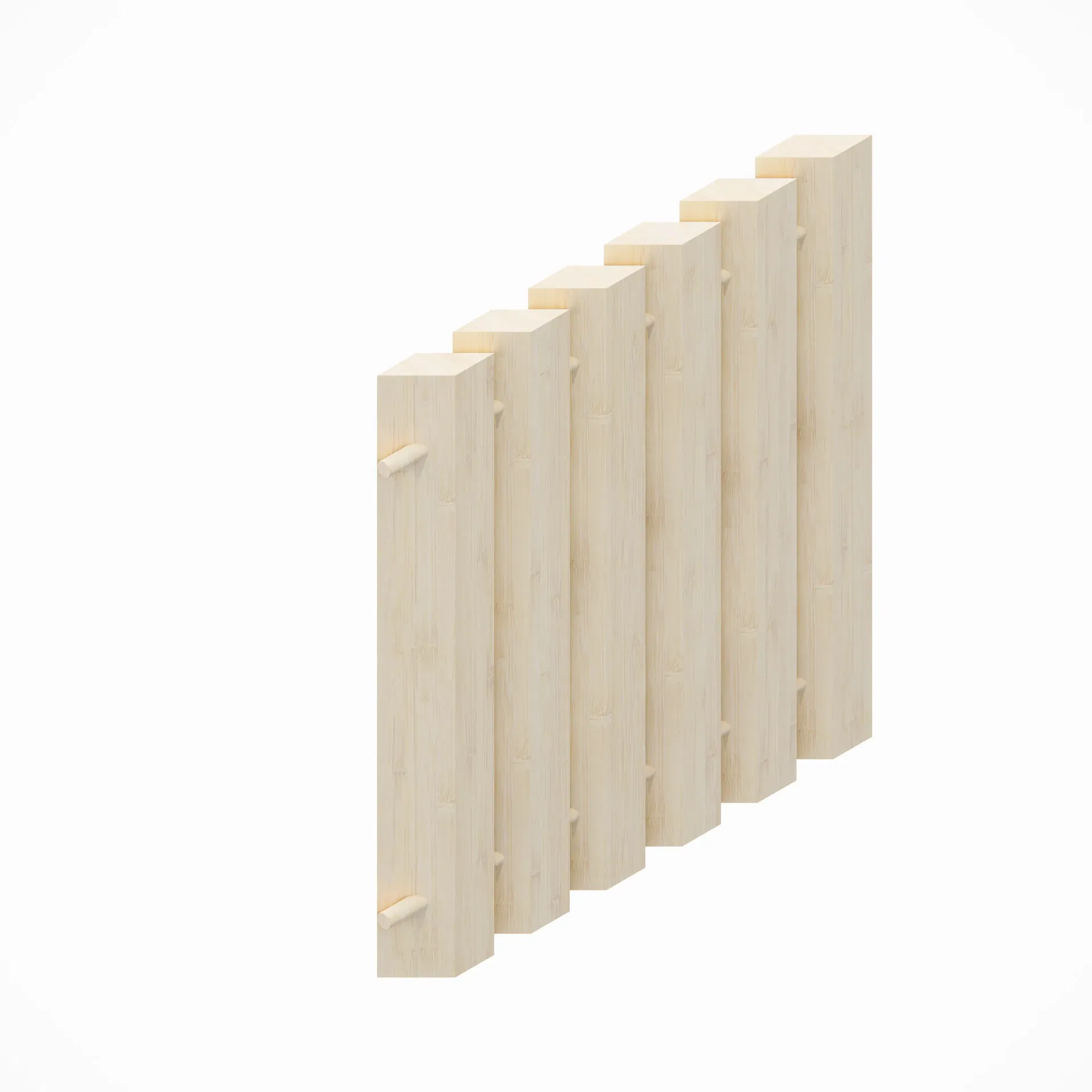
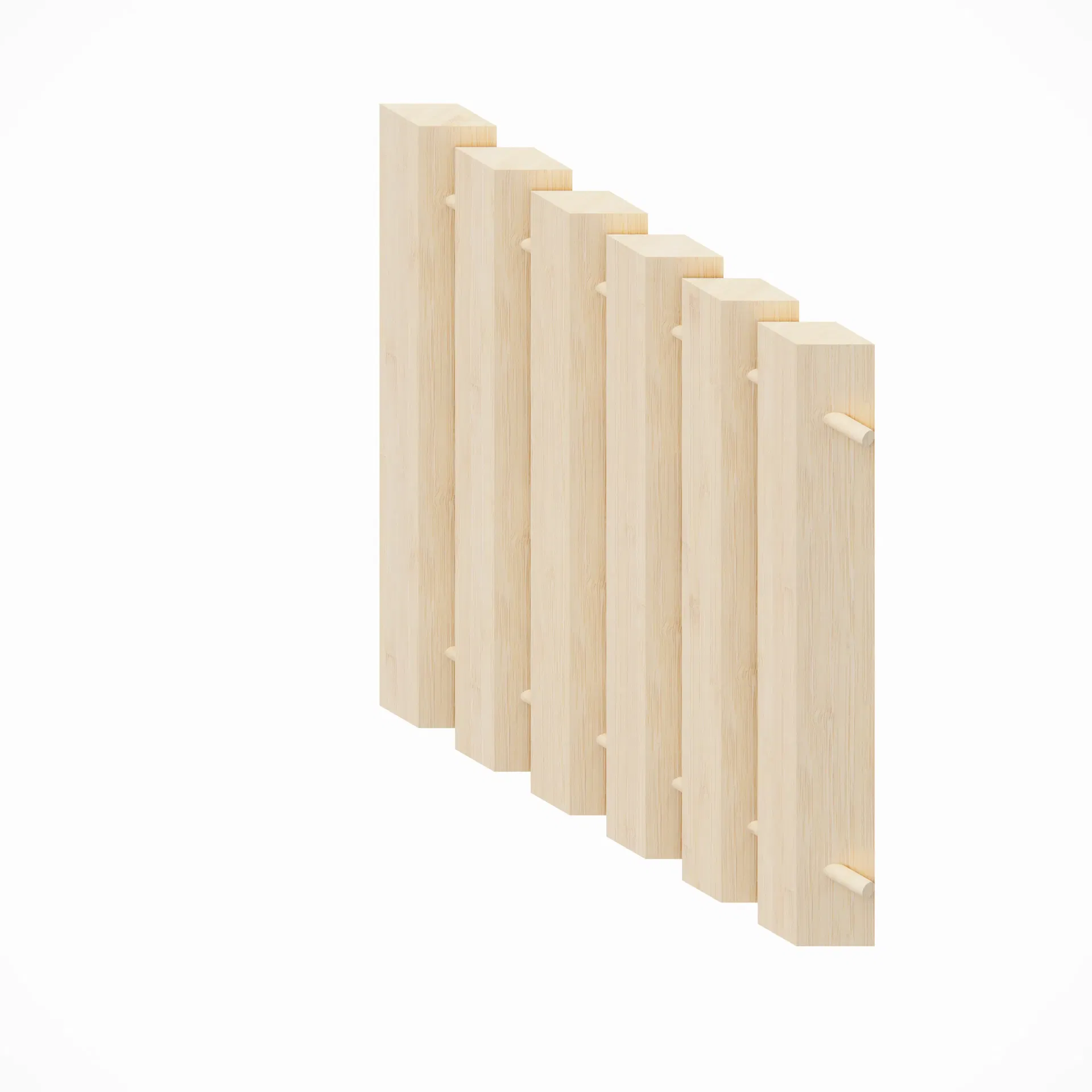
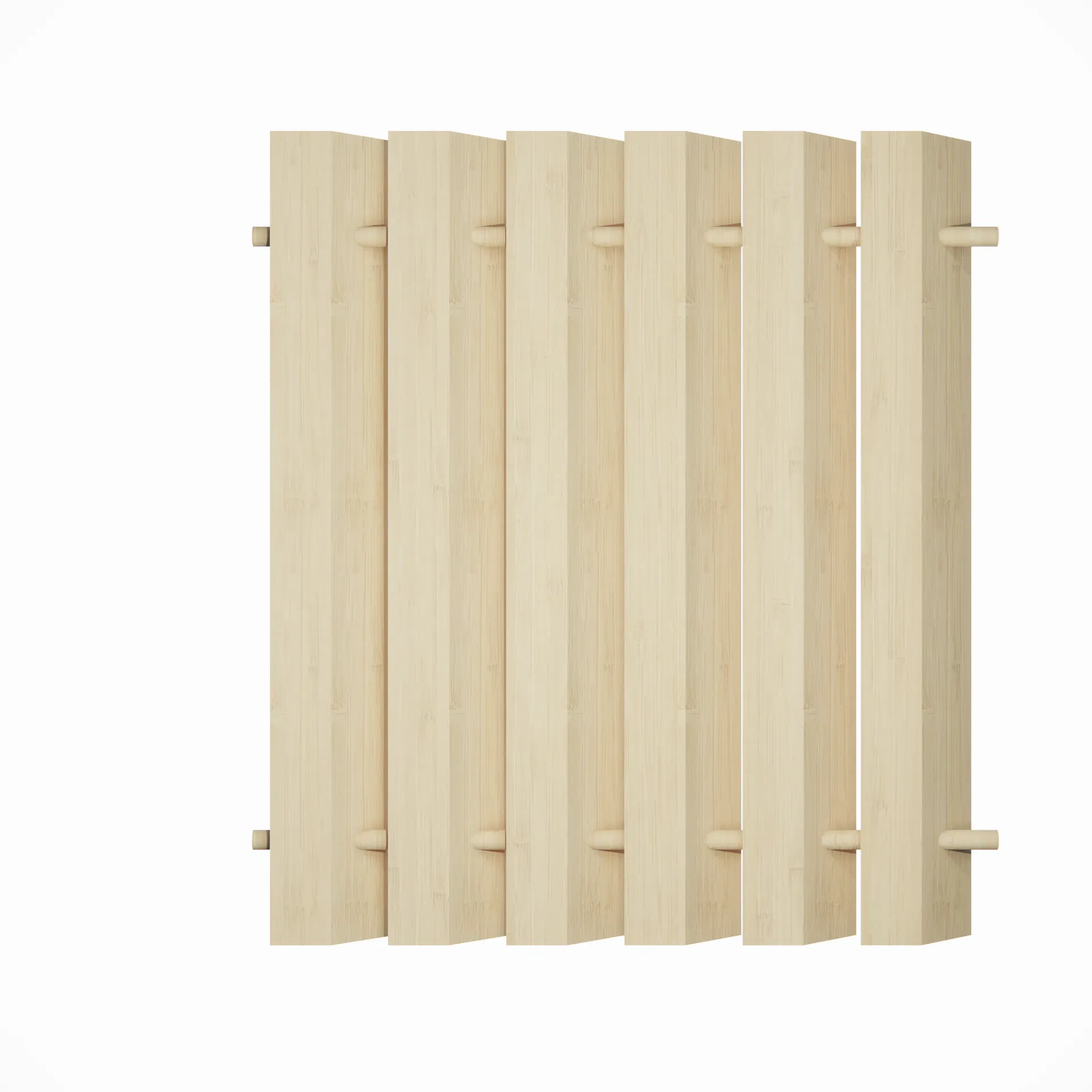
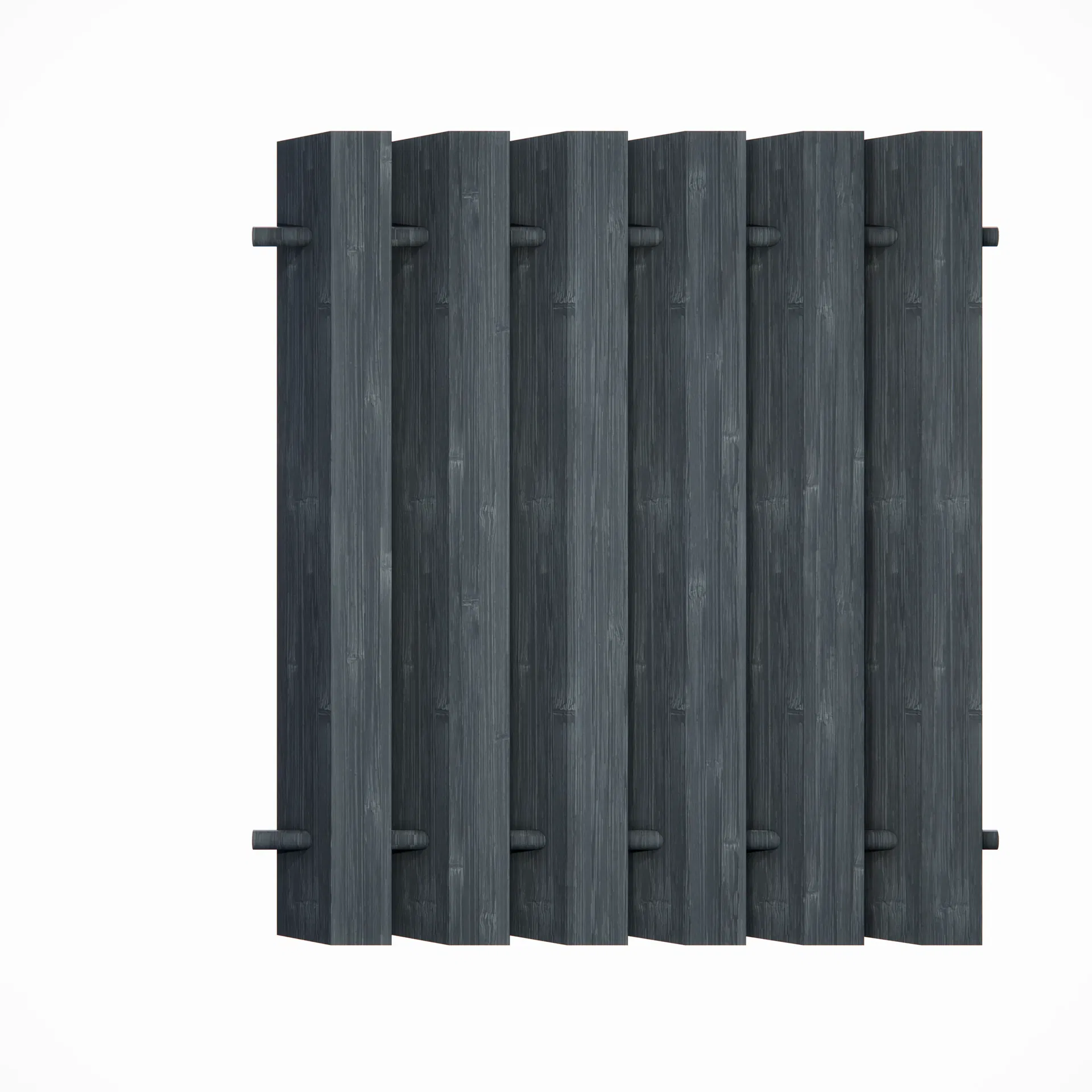
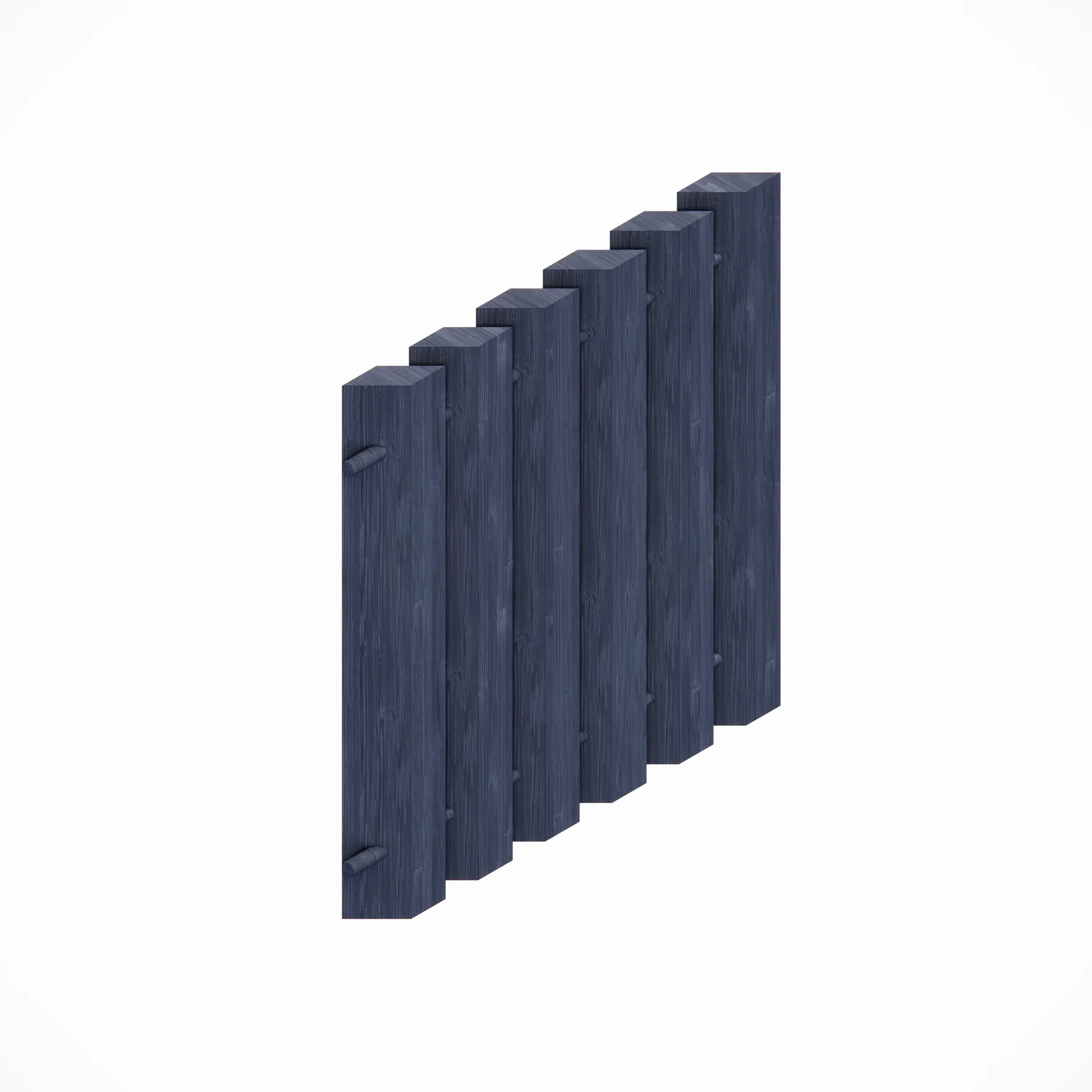
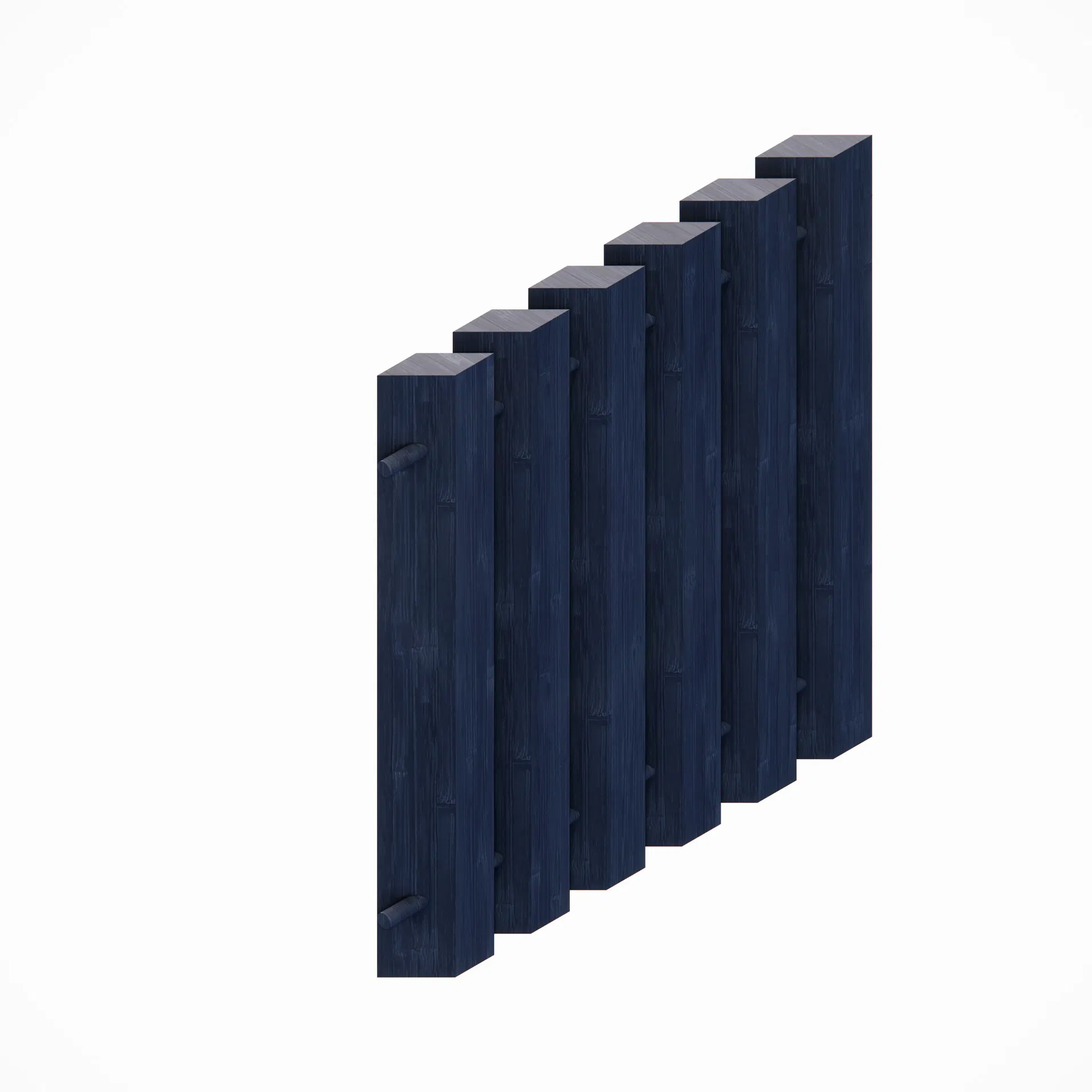
Silhouette (both Slatted and Louvred) runs at 30mm depth across two panel sizes, 2330 x 705mm and 2650 x 540mm, and is designed to be viewed from both sides.
For privacy screening, spacing is more about the sightline and airflow balance you want; tighter spacing gives more privacy and wind resistance, and wider spacing gives a more open, textured look. Our team can advise on spacing for your specific project brief.
Spacing is where each profile earns its keep.
Noosa runs 30 x 38mm battens at a 20mm gap for a balance of airflow and screening.
Cottesloe uses 30 x 28mm angled battens at 28mm centres for graduated privacy that still breathes.
Torquay is the tight one: 20mm x 20mm battens just 8mm apart, built for near-total privacy where that matters most.
Silhouette (both Slatted and Louvred) runs at 30mm depth across two panel sizes, 2330 x 705mm and 2650 x 540mm, and is designed to be viewed from both sides.
For privacy screening, spacing is more about the sightline and airflow balance you want; tighter spacing gives more privacy and wind resistance, and wider spacing gives a more open, textured look. Our team can advise on spacing for your specific project brief.
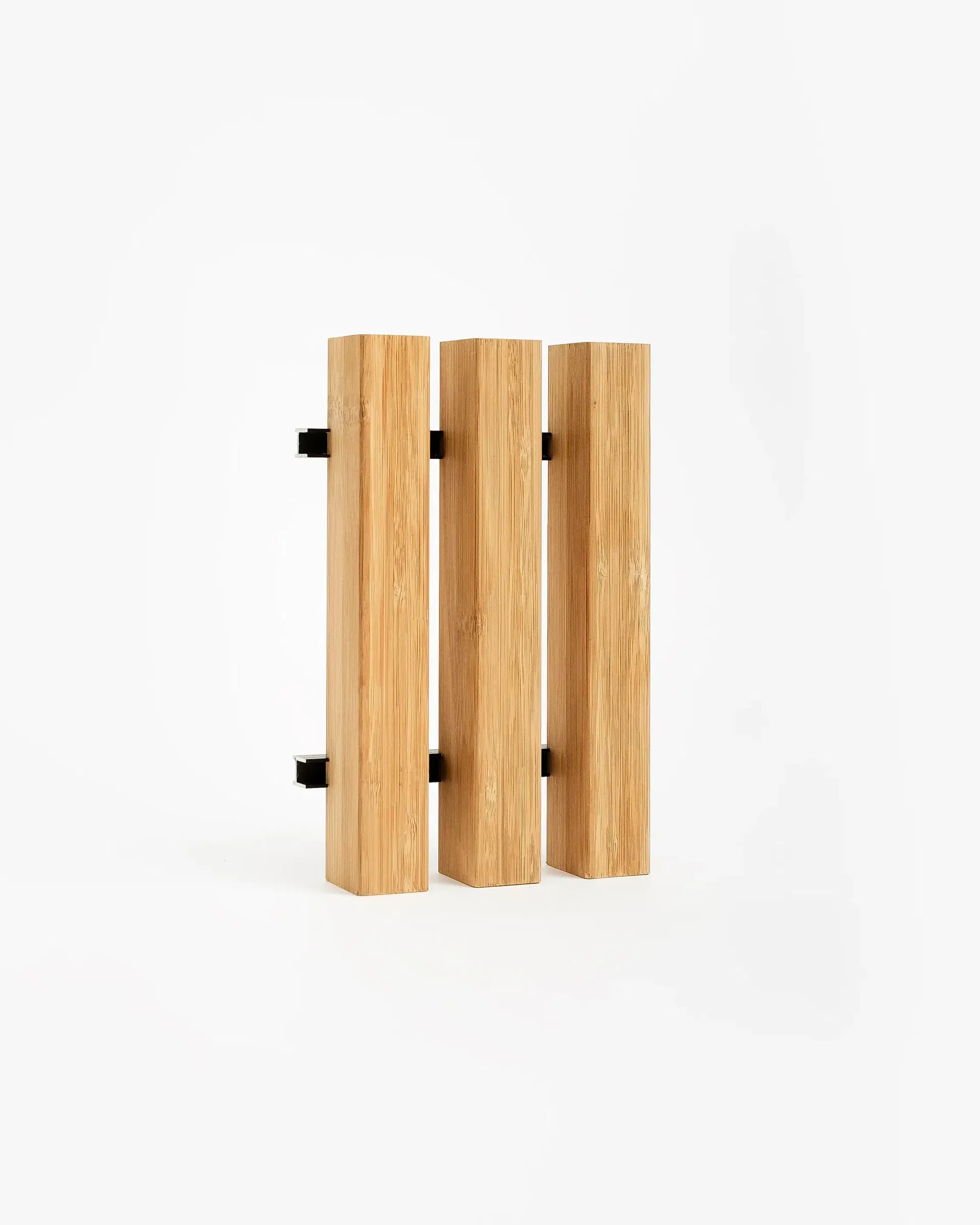
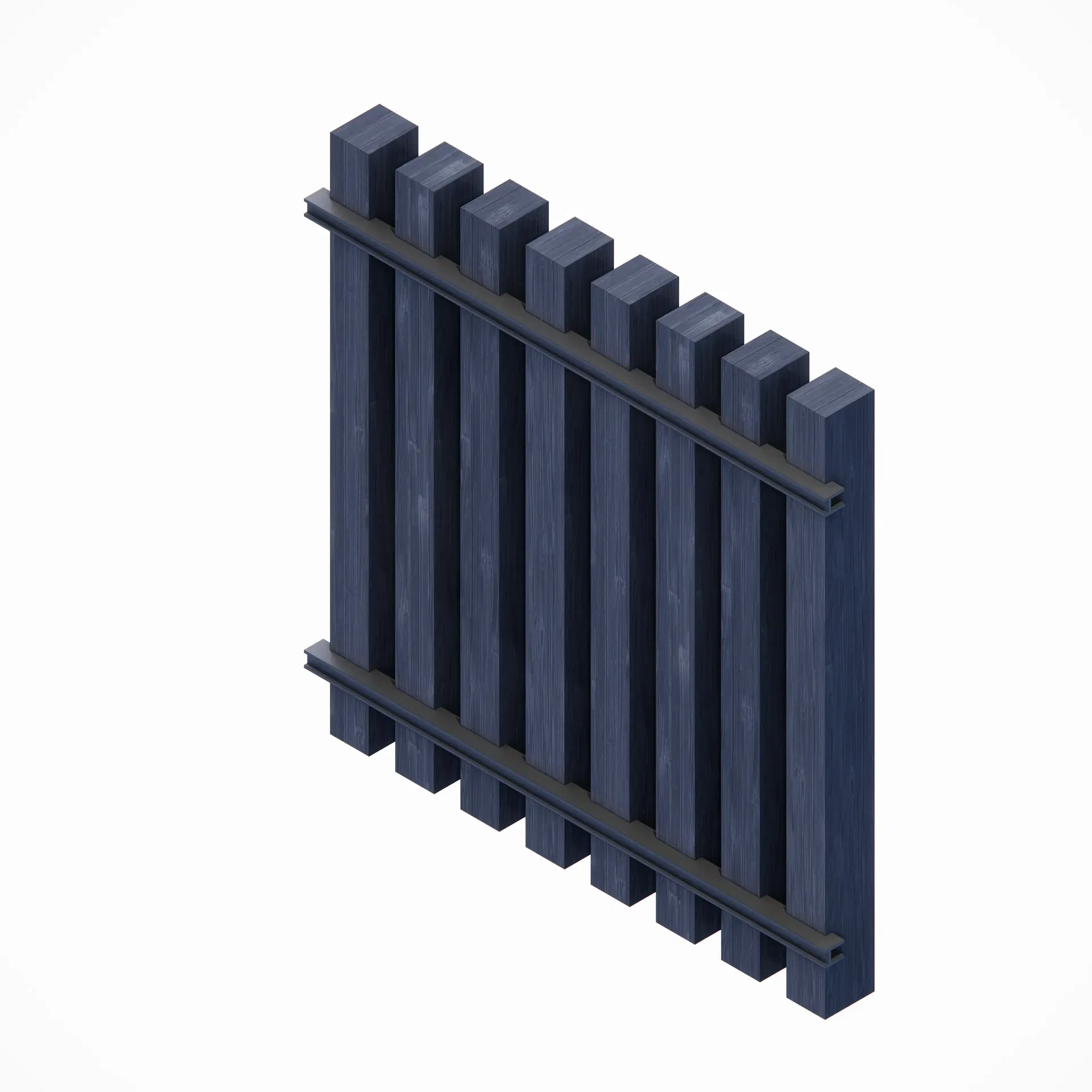
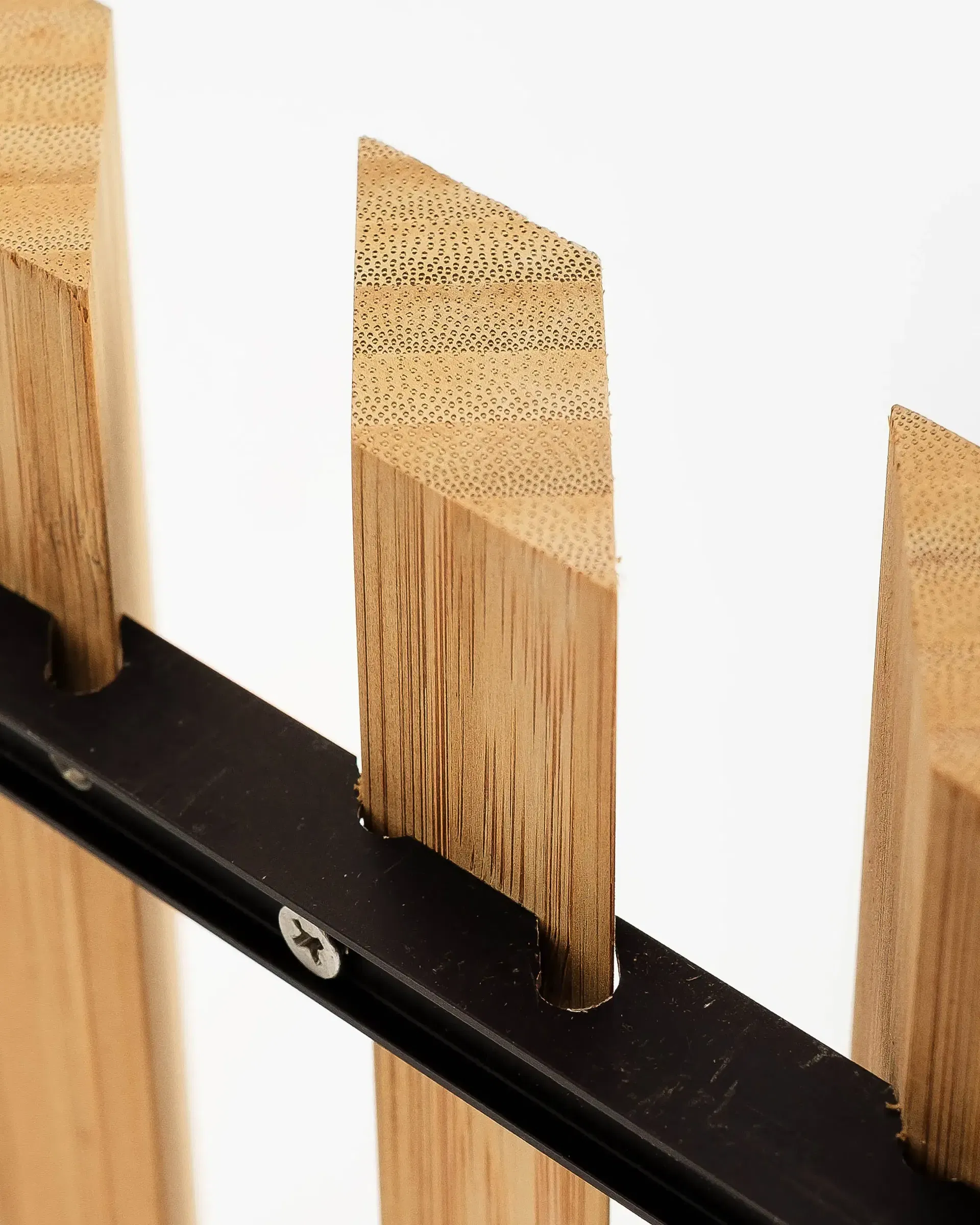
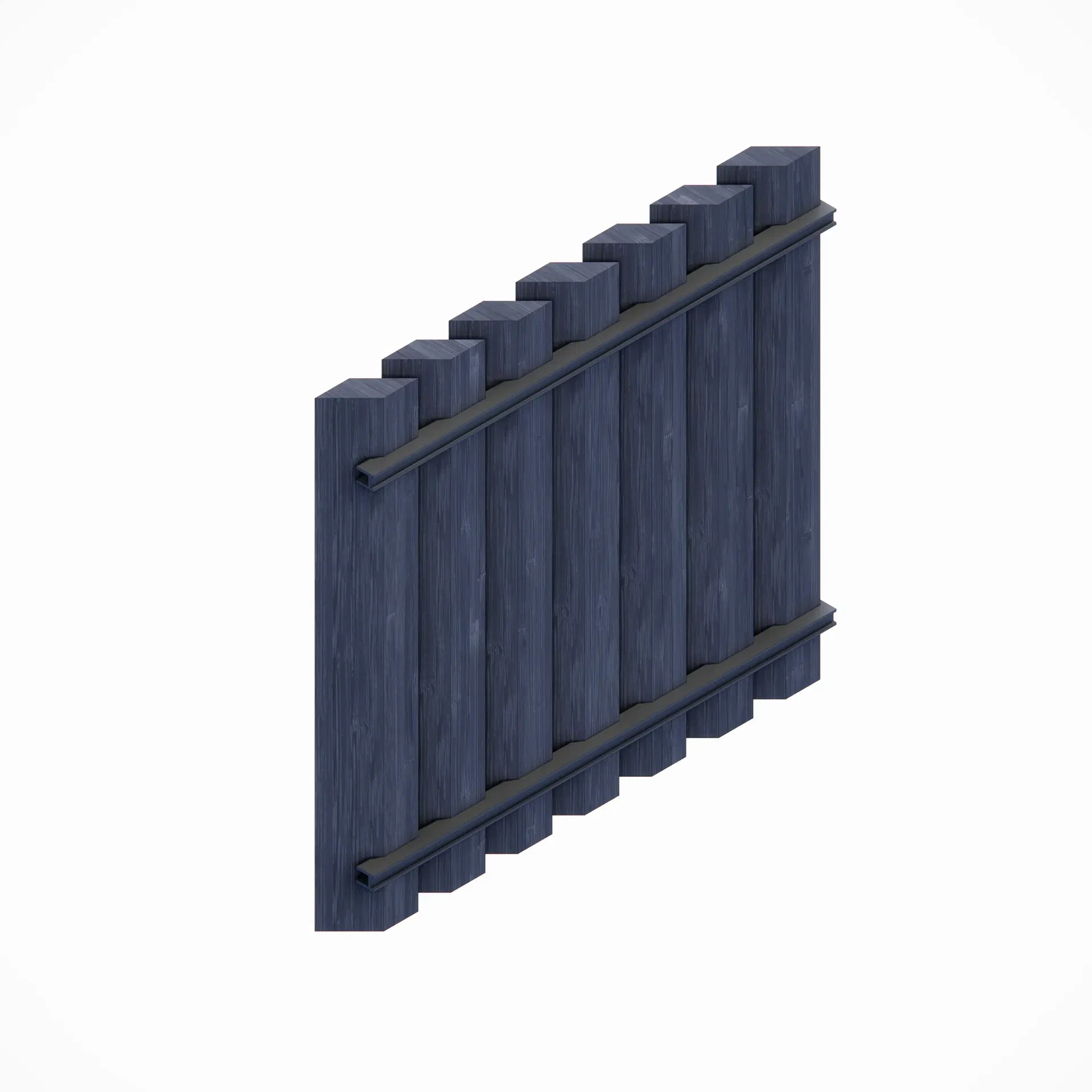
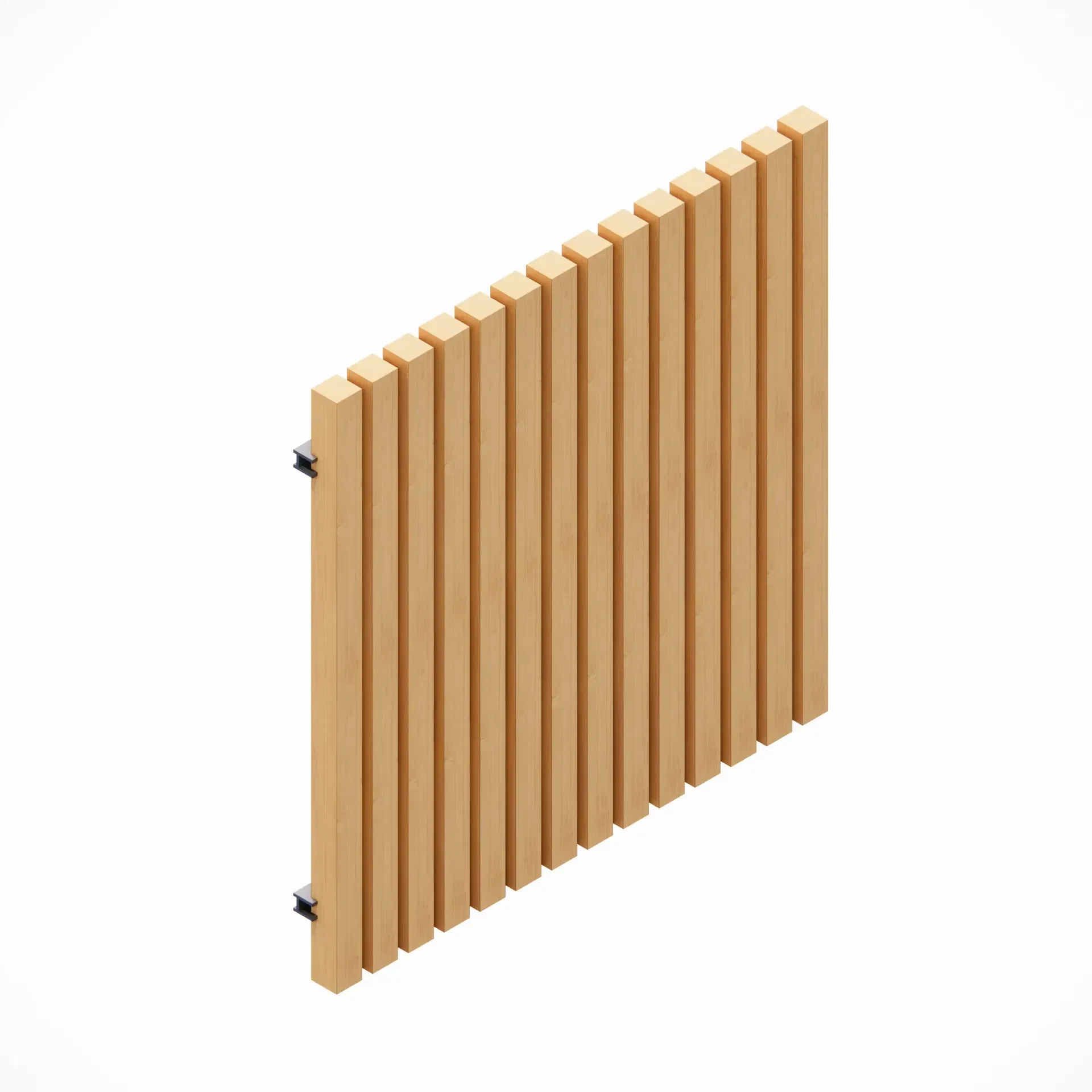
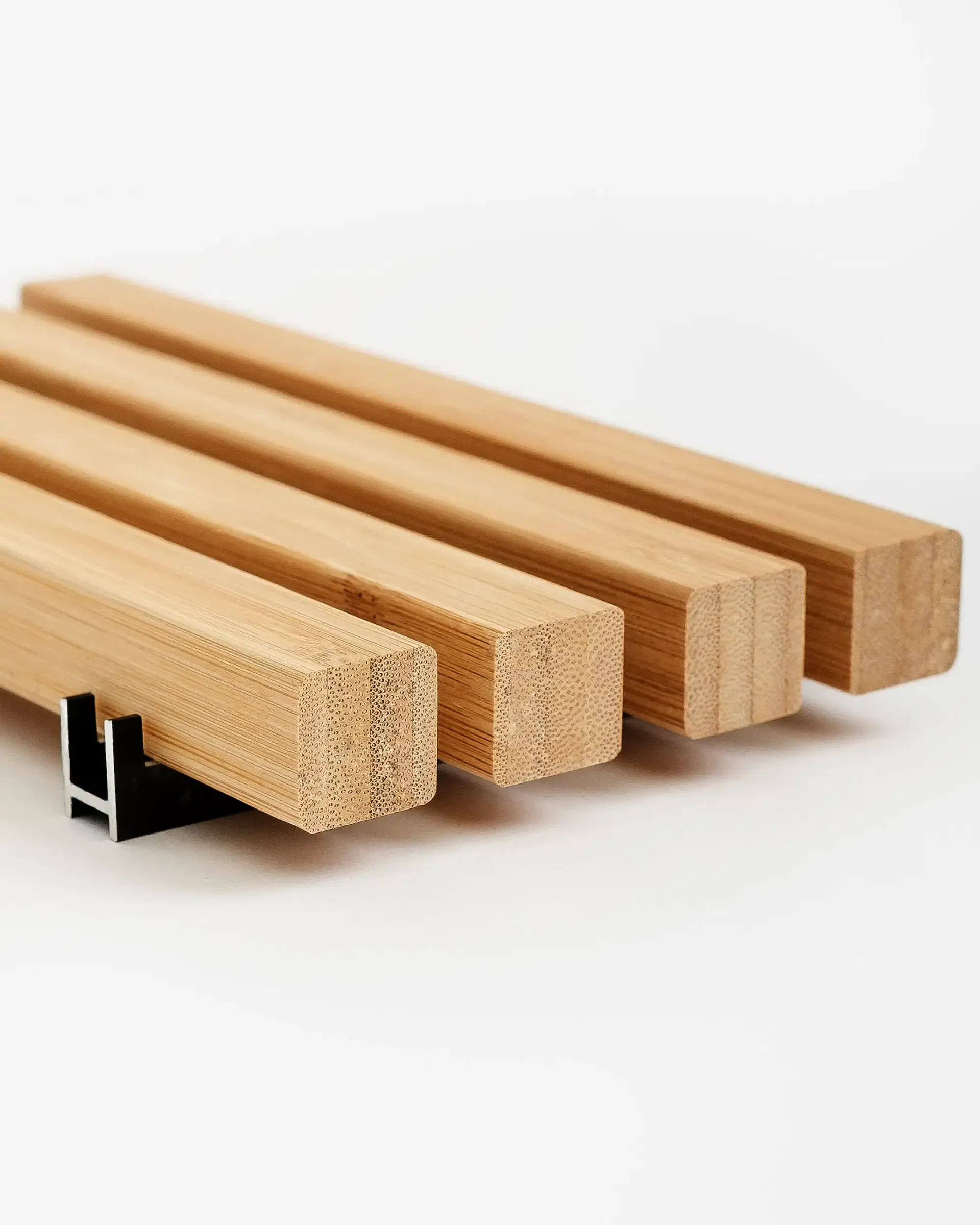
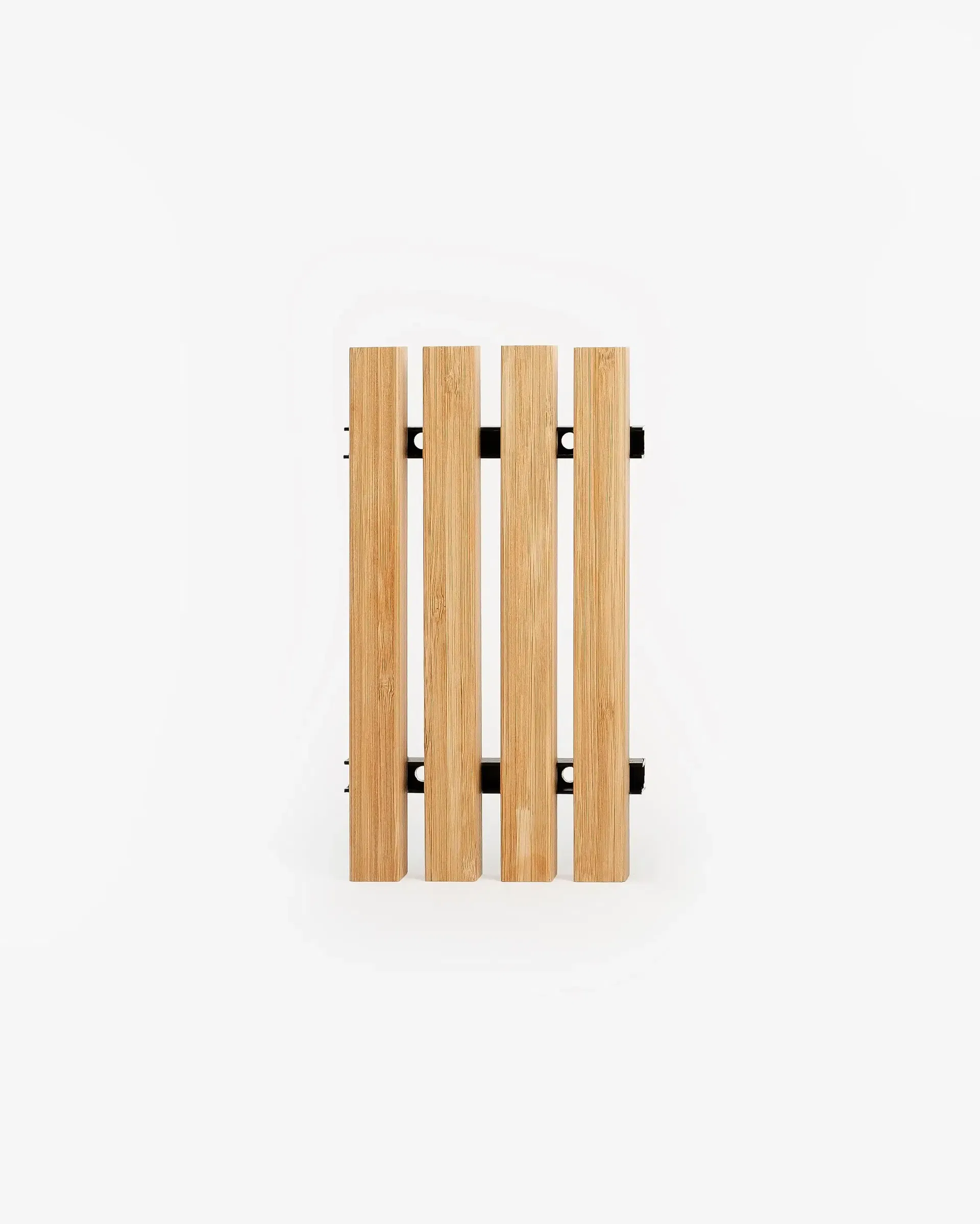
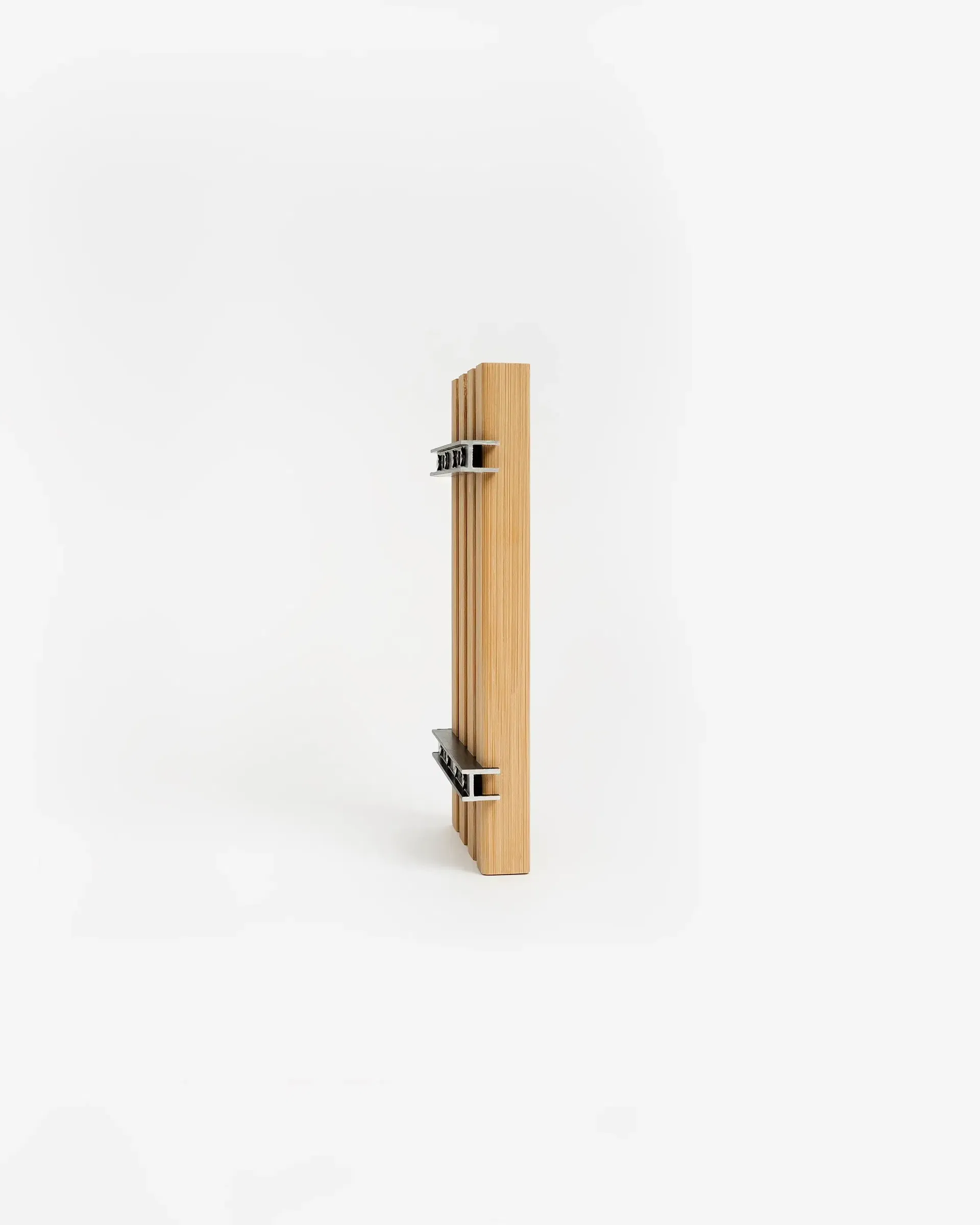
Two ways, depending on the job. The standard fixing is an anodised aluminium interspacing strip system: the strips set the batten spacing and give the panel its structural backbone, and it's the fixing behind Noosa, Cottesloe and Torquay. Where a panel needs to look finished from both faces, such as a freestanding partition, pool fence or dividing wall with no backing to hide, Silhouette Slatted and Louvered add an internal rod system through the battens. That rod keeps everything aligned without a visible backing structure, so both sides read as a clean, uniform surface.
Two ways, depending on the job. The standard fixing is an anodised aluminium interspacing strip system: the strips set the batten spacing and give the panel its structural backbone, and it's the fixing behind Noosa, Cottesloe and Torquay. Where a panel needs to look finished from both faces, such as a freestanding partition, pool fence or dividing wall with no backing to hide, Silhouette Slatted and Louvered add an internal rod system through the battens. That rod keeps everything aligned without a visible backing structure, so both sides read as a clean, uniform surface.
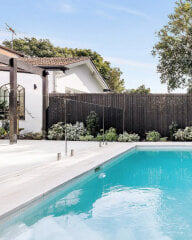
Yes, our batten systems are manufactured to meet Australian pool fencing requirements, including the maximum gap rule between vertical members. Under AS1926.1, the current pool safety barrier standard, gaps between battens or vertical fence members can't exceed 100mm, and our systems are built to this specification. Because pool fencing compliance also depends on installation, height and boundary placement, we'd recommend confirming the specific certification documentation for your product and council area before final sign-off, and our team can point you to the relevant test reports.
Yes, our batten systems are manufactured to meet Australian pool fencing requirements, including the maximum gap rule between vertical members. Under AS1926.1, the current pool safety barrier standard, gaps between battens or vertical fence members can't exceed 100mm, and our systems are built to this specification. Because pool fencing compliance also depends on installation, height and boundary placement, we'd recommend confirming the specific certification documentation for your product and council area before final sign-off, and our team can point you to the relevant test reports.
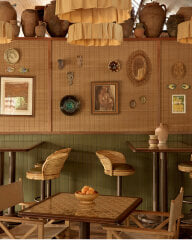
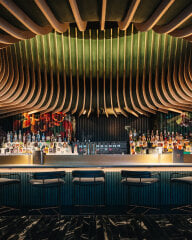
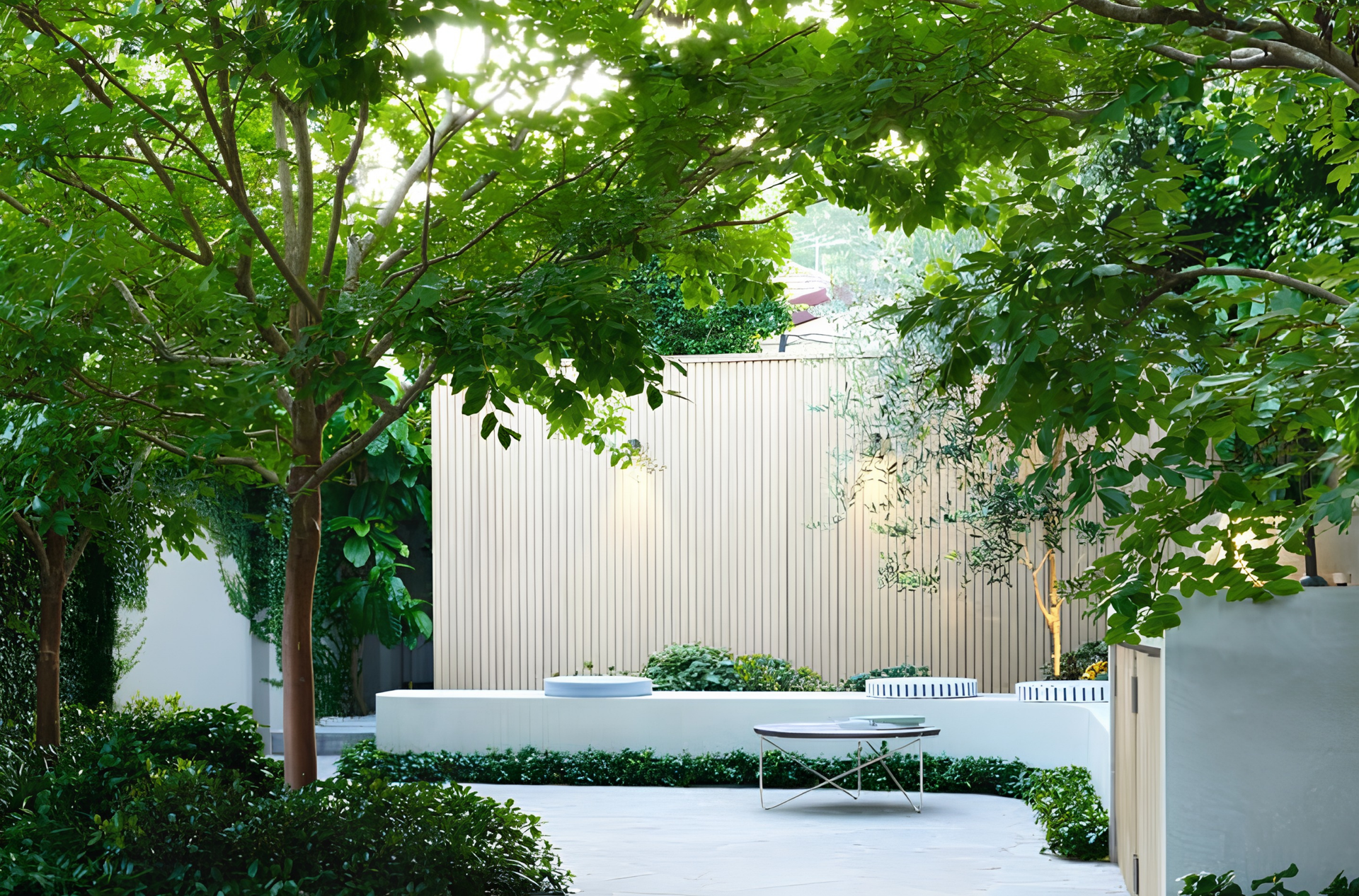
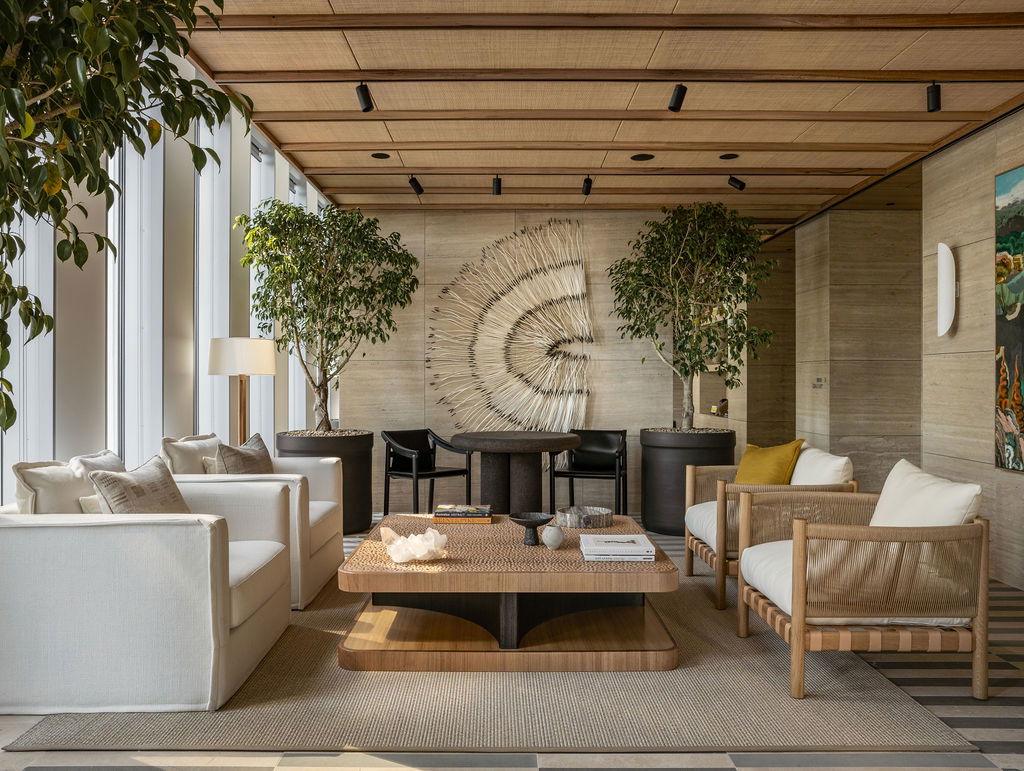
Facade and balcony screening, courtyard and terrace partitions, pool fencing, interior office and hospitality screens, ceiling treatments and boundary or garden fencing. The tighter the spacing, the more it leans toward privacy and perimeter work; the wider profiles suit airflow and filtered light. If you have been looking at timber cladding systems, our engineered bamboo systems can offer superior stablity, strenght and sustainable credentials.
Facade and balcony screening, courtyard and terrace partitions, pool fencing, interior office and hospitality screens, ceiling treatments and boundary or garden fencing. The tighter the spacing, the more it leans toward privacy and perimeter work; the wider profiles suit airflow and filtered light. If you have been looking at timber cladding systems, our engineered bamboo systems can offer superior stablity, strenght and sustainable credentials.
All profiles carry a Durability Class 1 to 2 rating (15 to 25 years) under EN 350. Expect roughly 5 years external lifespan and 7 years undercover with basic upkeep, longer with regular oiling. Pre-finished panels need no on-site sealing; raw panels should be oiled with WOCA or Vernites.
We recommend a yearly clean and oil for exterior use to protect against UV; if not oiled, it will change to a soft grey finish similar to timber. Engineered bamboo maintains like timber; inside it will not discolour unless in direct sunlight.
All profiles carry a Durability Class 1 to 2 rating (15 to 25 years) under EN 350. Expect roughly 5 years external lifespan and 7 years undercover with basic upkeep, longer with regular oiling. Pre-finished panels need no on-site sealing; raw panels should be oiled with WOCA or Vernites.
We recommend a yearly clean and oil for exterior use to protect against UV; if not oiled, it will change to a soft grey finish similar to timber. Engineered bamboo maintains like timber; inside it will not discolour unless in direct sunlight.
Every profile holds Global GreenTag Level A and HealthRate Platinum ratings, with FSC certification available on request. The system suits Green Star, LEED, WELL and IS rating schemes, which is handy if you're documenting for a commercial or multi-residential project.
Every profile holds Global GreenTag Level A and HealthRate Platinum ratings, with FSC certification available on request. The system suits Green Star, LEED, WELL and IS rating schemes, which is handy if you're documenting for a commercial or multi-residential project.
Yes. The system is used across commercial, hospitality and multi-residential projects, including office fitouts, retail fitouts and restaurant screening, in addition to residential applications. It carries a Class 3 fire classification (NCC compliant) and is documented to support Green Star, LEED, WELL and IS Rating submissions, which makes specification straightforward for architects and builders working on commercial briefs.
Yes. The system is used across commercial, hospitality and multi-residential projects, including office fitouts, retail fitouts and restaurant screening, in addition to residential applications. It carries a Class 3 fire classification (NCC compliant) and is documented to support Green Star, LEED, WELL and IS Rating submissions, which makes specification straightforward for architects and builders working on commercial briefs.
Engineered bamboo battens offer strength and durability comparable to hardwood timber battens, with a Brinell hardness above 4kg/mm² and a material density of around 680kg/m³, while reaching maturity in 3 to 5 years compared to 60 to 120 years for hardwood. Fire performance is also similar, with both materials charring in a predictable way under fire exposure. The key difference is the growth cycle: bamboo regenerates and reabsorbs CO₂ far sooner than hardwood, giving SeaChange battens a lower embodied carbon profile over time while matching hardwood systems on structural performance and longevity.
Engineered bamboo battens offer strength and durability comparable to hardwood timber battens, with a Brinell hardness above 4kg/mm² and a material density of around 680kg/m³, while reaching maturity in 3 to 5 years compared to 60 to 120 years for hardwood. Fire performance is also similar, with both materials charring in a predictable way under fire exposure. The key difference is the growth cycle: bamboo regenerates and reabsorbs CO₂ far sooner than hardwood, giving SeaChange battens a lower embodied carbon profile over time while matching hardwood systems on structural performance and longevity.
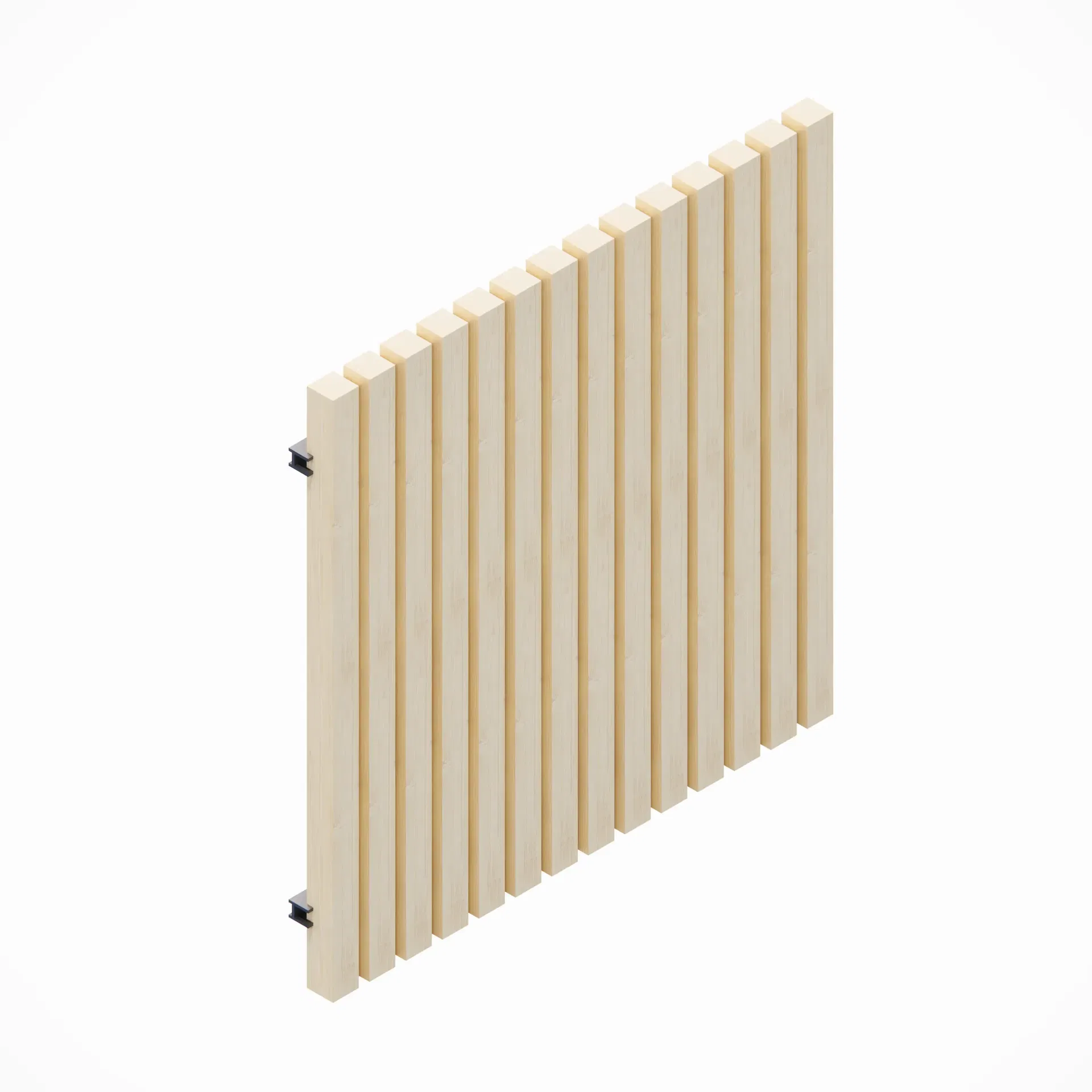
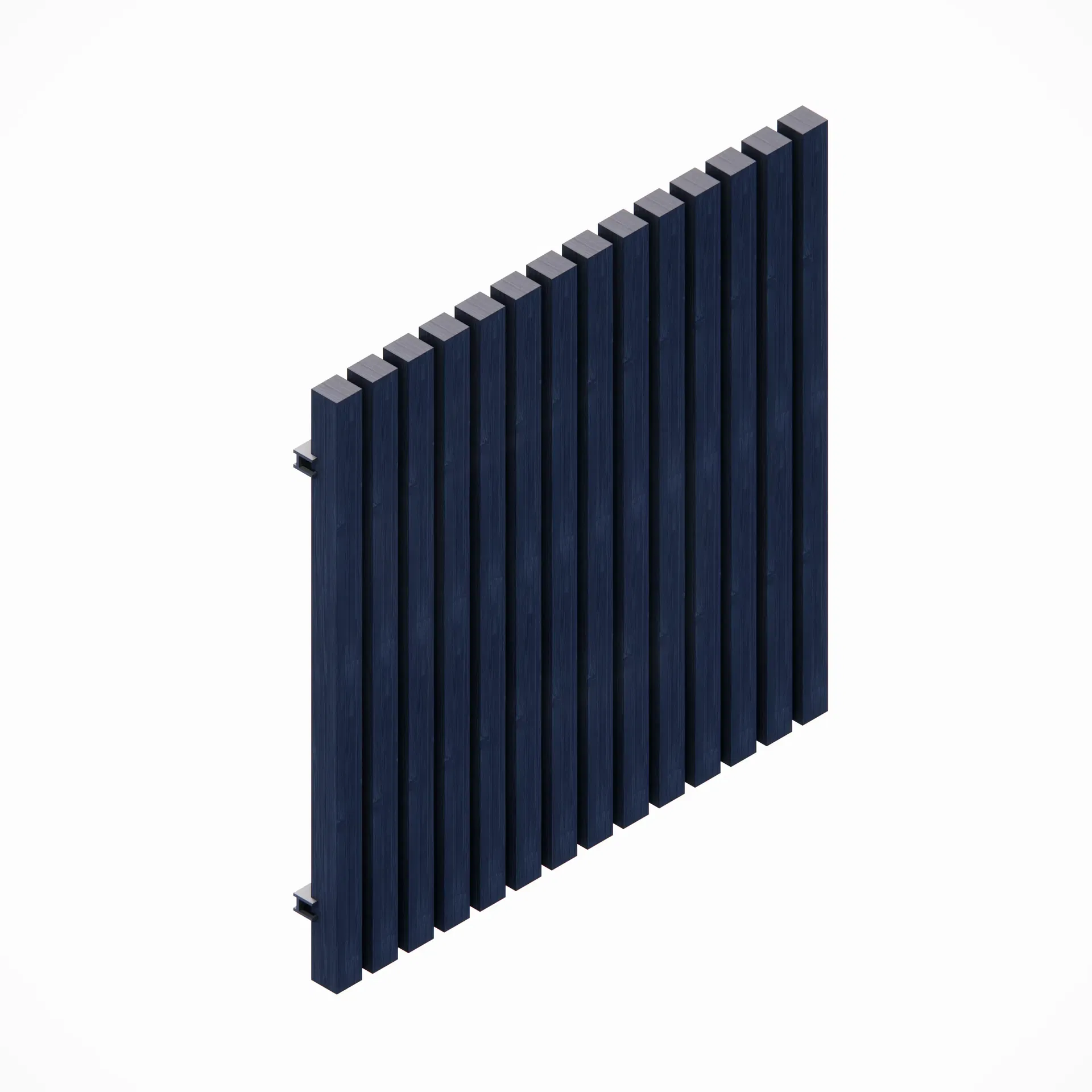
A batten system is a series of linear posts, in this case made of engineered bamboo, fixed in a run with even spacing between each piece. It's used across exterior cladding, privacy screens, pool fencing, garden screening or interior ceiling or wall linings. Bamboo battens give you the same linear, architectural look as timber batten systems, with the added strength and stability that comes from the engineered manufacturing process. They have a Fire Class rating of 3 and are GreenTag and FCS certified. Our laminated engineered bamboo also comes with an independent EPD.
A batten system is a series of linear posts, in this case made of engineered bamboo, fixed in a run with even spacing between each piece. It's used across exterior cladding, privacy screens, pool fencing, garden screening or interior ceiling or wall linings. Bamboo battens give you the same linear, architectural look as timber batten systems, with the added strength and stability that comes from the engineered manufacturing process. They have a Fire Class rating of 3 and are GreenTag and FCS certified. Our laminated engineered bamboo also comes with an independent EPD.
Yes, this is one of the most common uses for our batten systems. They give you a solid, natural-looking screen for blocking sightlines from neighbouring properties, defining garden zones or wrapping unsightly structures like Colorbond fencing, without the flat, uniform look of a solid panel fence. The gaps between battens also allow airflow through the screen, which reduces wind loading compared with a solid barrier.
Yes, this is one of the most common uses for our batten systems. They give you a solid, natural-looking screen for blocking sightlines from neighbouring properties, defining garden zones or wrapping unsightly structures like Colorbond fencing, without the flat, uniform look of a solid panel fence. The gaps between battens also allow airflow through the screen, which reduces wind loading compared with a solid barrier.
Yes, House of Bamboo supplies batten systems nationally and can send them direct to site, wherever your project is based. House of Bamboo has specialised in bamboo building materials for over 50 years, since 1972, and remains a leading supplier of engineered bamboo batten systems in Australia. That depth of experience means our products are tested and specified for local conditions and compliance requirements, not just imported off the shelf.
Yes, House of Bamboo supplies batten systems nationally and can send them direct to site, wherever your project is based. House of Bamboo has specialised in bamboo building materials for over 50 years, since 1972, and remains a leading supplier of engineered bamboo batten systems in Australia. That depth of experience means our products are tested and specified for local conditions and compliance requirements, not just imported off the shelf.
Yes, we supply prefabricated batten panels for faster, more consistent installation. Panels arrive pre-spaced and assembled to your specification, which reduces on-site labour time and gives a cleaner, more even finish than fixing individual battens one at a time on site.
Yes, we supply prefabricated batten panels for faster, more consistent installation. Panels arrive pre-spaced and assembled to your specification, which reduces on-site labour time and gives a cleaner, more even finish than fixing individual battens one at a time on site.
Pricing depends on the profile, spacing and fixing system you choose, along with project volume. As a rapidly renewable material with a straightforward manufacturing process, bamboo battens are typically cost-competitive with quality hardwood battens, with the low long-term maintenance that is a sustainable alternative to timber – supporting better biodiversity and protecting our forests. Contact our team for a quote specific to your project.
Pricing depends on the profile, spacing and fixing system you choose, along with project volume. As a rapidly renewable material with a straightforward manufacturing process, bamboo battens are typically cost-competitive with quality hardwood battens, with the low long-term maintenance that is a sustainable alternative to timber – supporting better biodiversity and protecting our forests. Contact our team for a quote specific to your project.
.webp?width=1920&quality=80&format=auto)
.webp?width=1920&quality=80&format=auto)
.webp?width=1920&quality=80&format=auto)
.webp?width=1920&quality=80&format=auto)
.webp?width=1920&quality=80&format=auto)
.webp?width=1920&quality=80&format=auto)
.webp?width=1920&quality=80&format=auto)
.webp?width=1920&quality=80&format=auto)
.webp?width=1920&quality=80&format=auto)
.webp?width=1920&quality=80&format=auto)
.webp?width=1920&quality=80&format=auto)
.webp?width=1920&quality=80&format=auto)
.webp?width=1920&quality=80&format=auto)
.webp?width=1920&quality=80&format=auto)
.webp?width=1920&quality=80&format=auto)
.webp?width=1920&quality=80&format=auto)
.webp?width=1920&quality=80&format=auto)
.webp?width=1920&quality=80&format=auto)
.webp?width=1920&quality=80&format=auto)
.webp?width=1920&quality=80&format=auto)
.webp?width=1920&quality=80&format=auto)
.webp?width=1920&quality=80&format=auto)
.webp?width=1920&quality=80&format=auto)
.webp?width=1920&quality=80&format=auto)
.webp?width=1920&quality=80&format=auto)
.jpeg?width=1920&quality=80&format=auto)