Why Bamboo performs better than timber against termites.
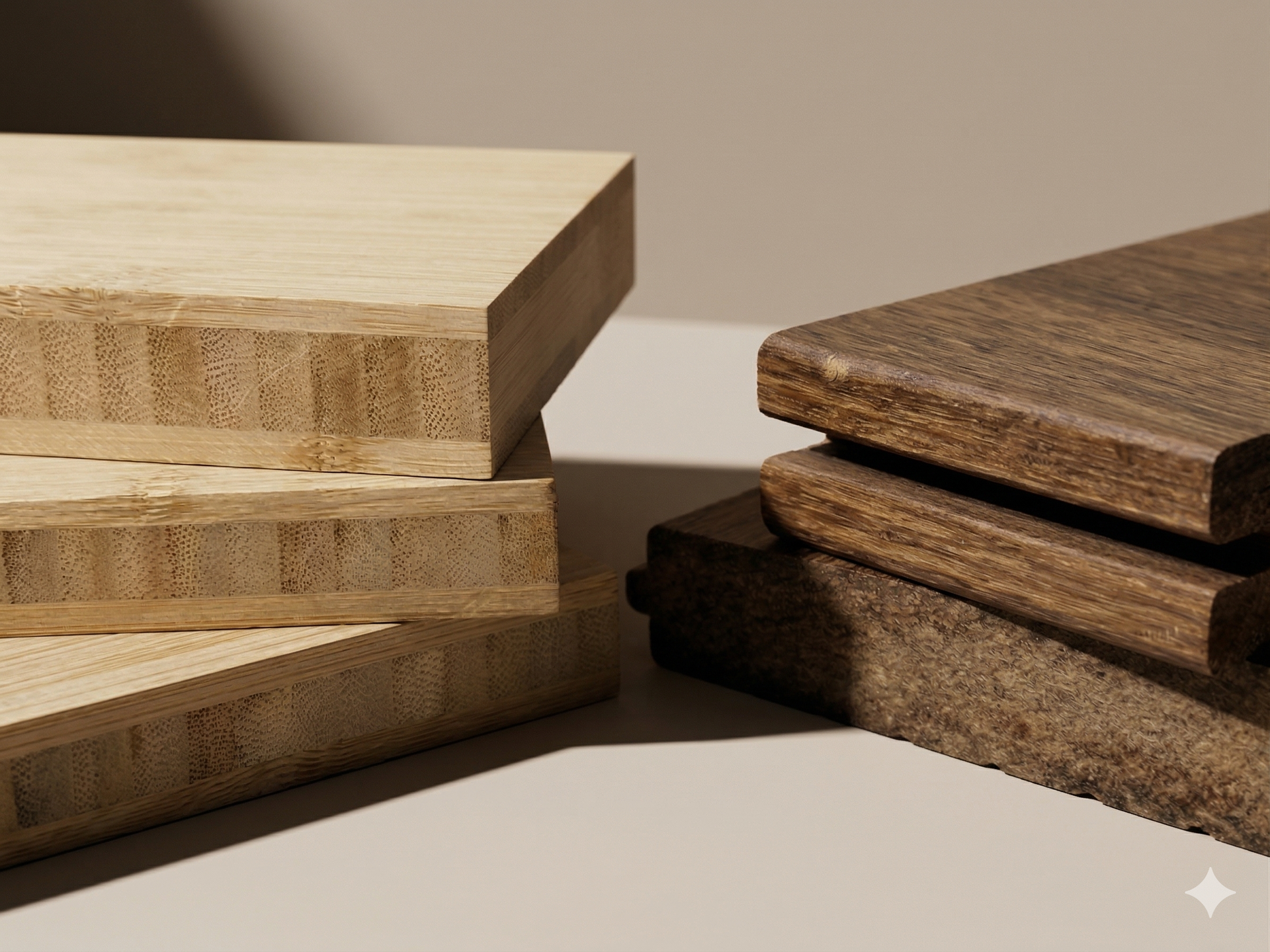
Termites can cause costly damage to traditional timber, and bamboo is a far more resilient alternative. Strandwoven bamboo is made by compressing bamboo fibres into a very dense, hard-wearing material comparable to hardwoods, with no plastics. That density makes it a less appealing food source for termites, helping reduce the risk in termite-prone builds. For builders and homeowners, it’s a strong, eco-friendly choice.
Why Bamboo performs better than timber against termites.
Termites can cause costly damage to traditional timber, and bamboo is a far more resilient alternative. Strandwoven bamboo is made by compressing bamboo fibres into a very dense, hard-wearing material comparable to hardwoods, with no plastics. That density makes it a less appealing food source for termites, helping reduce the risk in termite-prone builds. For builders and homeowners, it’s a strong, eco-friendly choice.
Why Termites Prefer Timber Over Bamboo
When termites forage, they follow the path of least resistance. Bamboo is technically a giant grass, and strandwoven bamboo is made by compressing its fibres into a very dense material, bound with a phenolic resin. That makes it far more difficult and energy-intensive for a colony to chew through, and a much less attractive food source than most timbers. While termites may try bamboo when no other food source is available, it is low on their list. The same density and resin also help it achieve a BAL-29 rating, making it a strong choice for bushfire-prone zones as well as termite-prone ones.
Real-World Case Study: Oatley, South Sydney (NSW)
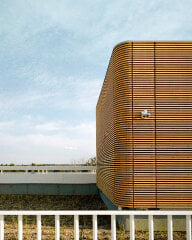
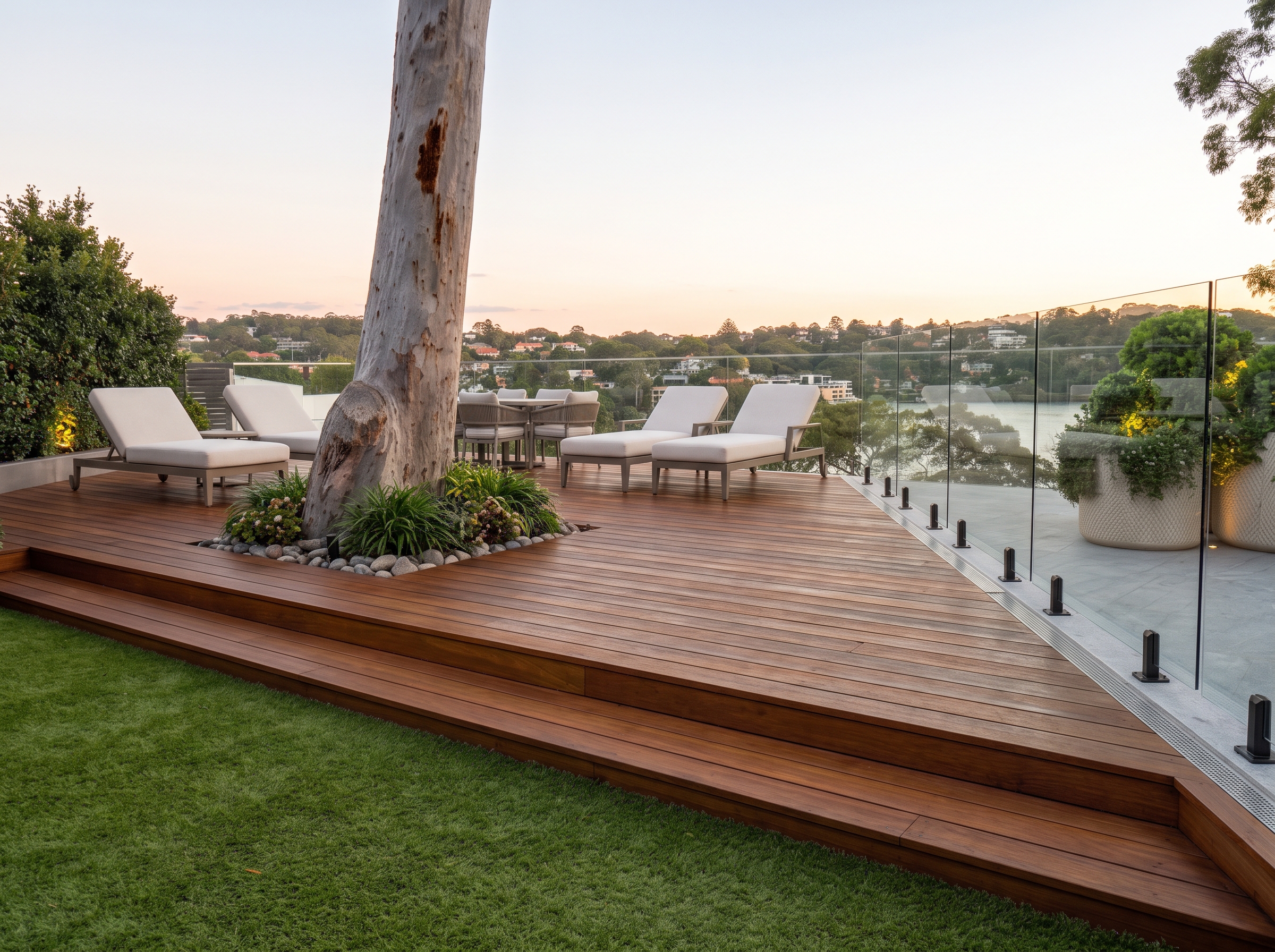
Theory is one thing, but real-world performance is what truly counts. Back in 2017, a residential project in Oatley, located in South Sydney's termite-prone environment, provided a clear live-action comparison between traditional timber and engineered bamboo used for both the outdoor decking and matching cladding.
Due to site limitations, the strandwoven decking was built just 50mm off the ground in most areas well below the 100mm clearance required for ventilation and pest inspection under Australian building codes. Over the years, the installation was left completely unmaintained, creating an ideal environment for moisture and subterranean pests.
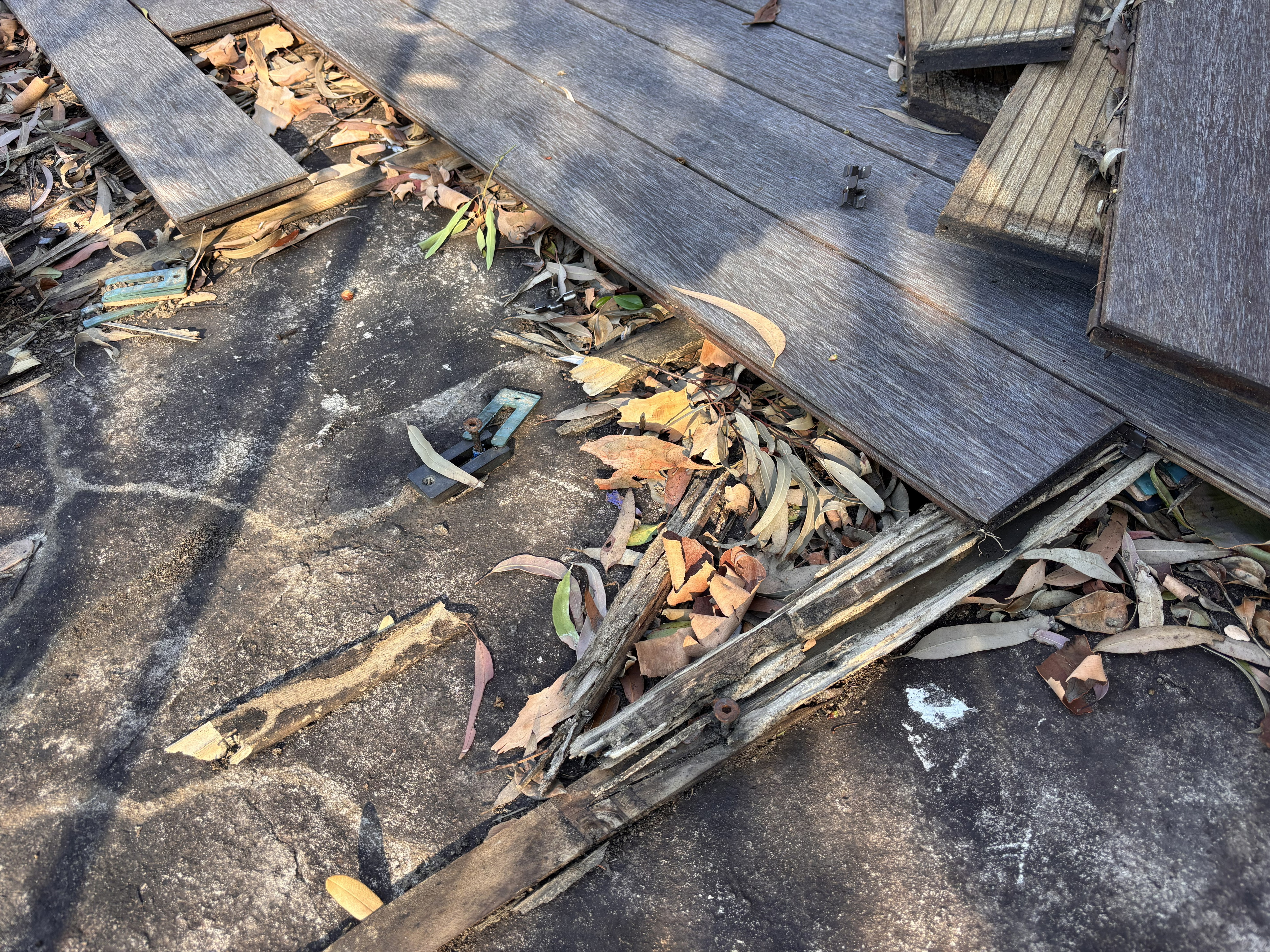
The Inspection Findings
Years later, when the site was inspected, the contrast between the timber framework and the bamboo elements was dramatic:
The Timber Subframe: The traditional timber joists supporting the deck were severely damaged, having been hollowed out by termites and compromised by rot due to low ground clearance.
The Strandwoven Decking and Cladding: Despite sitting directly above an active termite infestation, the strandwoven decking and cladding remained structurally sound and untouched by termites.
Rescued and Restored: While the unmaintained strandwoven surface looked weathered, the underlying material remained rock-solid. The decking was safely dismantled, salvaged, and reused, proving its remarkable resilience.
Engineered Bamboo: Your Best Shield Against Pests
The Oatley project serves as clear proof for homeowners and builders. When given a direct choice between traditional timber and engineered bamboo, termites will consistently target timber subframes and completely bypass bamboo.
By incorporating strandwoven decking and cladding into your next build, you gain the natural warmth of timber alongside superior defense against wood-destroying pests. It is a durable, low-risk investment built to stand firm even in Australia's toughest termite hotspots.