A Comparative Guide to Performance and Durability.
House of Bamboo is Australia's leading specialist in Engineered Bamboo.
Beyond the Grain: Why Engineered Bamboo Outperforms Timber in Modern Specs
Navigating Builder Resistance with Data and CPD
It is time to challenge the industry assumption that timber is the "perfect" baseline. While beloved for its warmth, traditional timber is a volatile material, prone to warping, tannin leaching, termite vulnerability, and the emerging threat of woodworm. It is a biological product with inherent flaws that architects and builders have simply learned to "manage" over centuries.
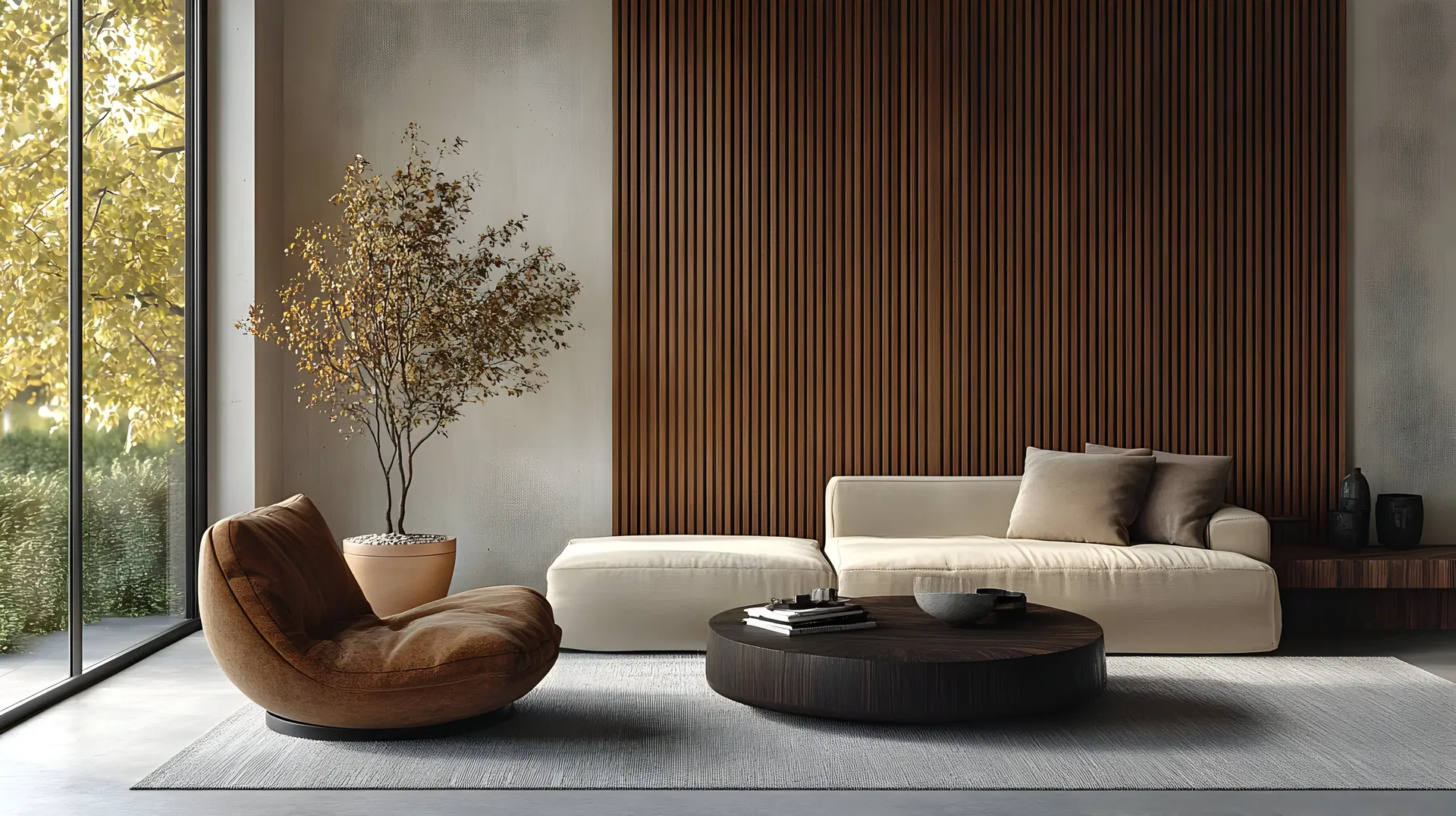
Engineered bamboo is the evolution of that warmth. It offers the soulful, tactile feel of timber but is engineered to be a performance powerhouse. For the modern designer, it isn't just an alternative; it is a superior response to the challenges of the 21st-century built environment.
Beyond the Grain: Why Engineered Bamboo Outperforms Timber in Modern Specs
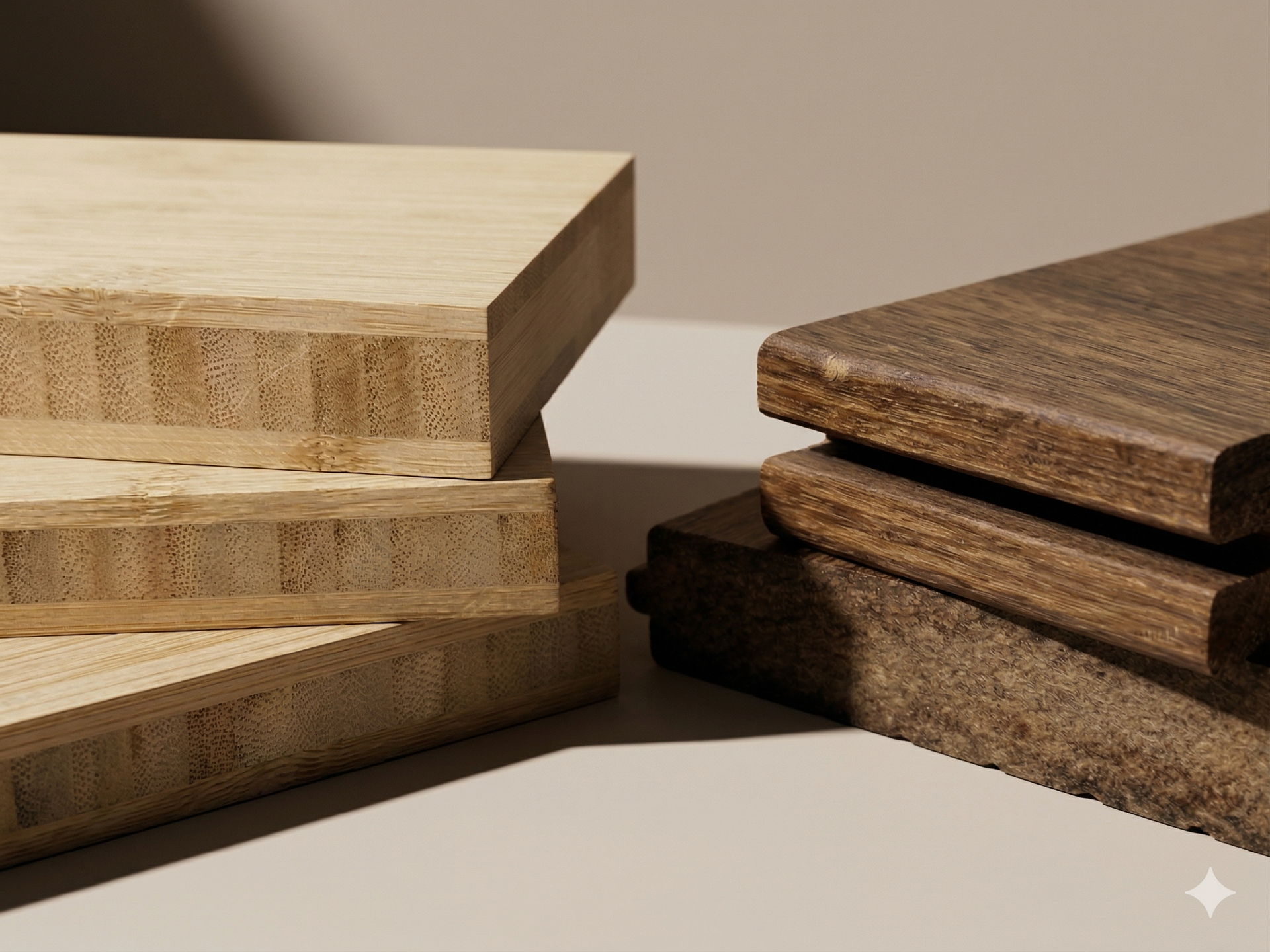
Timber is hygroscopic; it breathes, swells, and shrinks, leading to the inevitable warping, cupping, and twisting that builders dread. Engineered bamboo, specifically our range, is manufactured using a precise resin mix and high-pressure compression.
- Dimensional Stability: Because the fibers are densely packed and bonded with premium resins, the internal tension found in raw timber is eliminated.
- No Tannins: Unlike many hardwoods (like Merbau or Spotted Gum), engineered bamboo contains no tannins. This means no "bleeding" or staining of surrounding concrete, tiles, or stone, a major pain point for architects designing clean, modern exteriors.
Beyond the Grain: Why Engineered Bamboo Outperforms Timber in Modern Specs
The "Mass Timber Revolution" has a silent enemy: the woodworm. As timber moisture rises above 16%, it becomes a breeding ground for larvae that can compromise structural integrity over years.
Engineered bamboo offers a built-in defense:
- Termite Resistance: The density of engineered bamboo, combined with the heat-treatment and resin-infusion process, makes it unpalatable and physically difficult for termites to penetrate.
- Woodworm Proof: The manufacturing process removes the natural starches and sugars that attract wood-boring beetles.
- Mould Resistance: With our specialized treatments, our engineered lines remain resistant to mould and fungal decay, even in humid interior environments.
Beyond the Grain: Why Engineered Bamboo Outperforms Timber in Modern Specs
One of the most significant advantages for designers is bamboo’s tensile strength. Because bamboo is a grass with continuous longitudinal fibers, it possesses a strength-to-weight ratio superior to many hardwoods.
In its engineered form, this translates to flexural ductility. While timber often requires complex steam-bending or heavy structural support to achieve curves -risking splits and grain failure engineered bamboo can be designed into architectural curves that timber simply cannot match. It allows for organic, flowing silhouettes without sacrificing structural load capacity.
Beyond the Grain: Why Engineered Bamboo Outperforms Timber in Modern Specs
There is a misconception that bamboo is a "static" product. In reality, it lives and breathes with the building.
- A Living Aesthetic: Like timber, engineered bamboo lives and breathes with your design. It maintains that organic connection to nature, aging into a soft, teak-like grey if left to the elements, or retaining its rich luster with simple, routine care.
- The Maintenance Reality: No premium building material is set and forget. Just as timber requires protection, engineered bamboo thrives with a robust treatment plan. However, with only a yearly clean and oil, the maintenance overhead is significantly lower than many high-maintenance hardwoods.
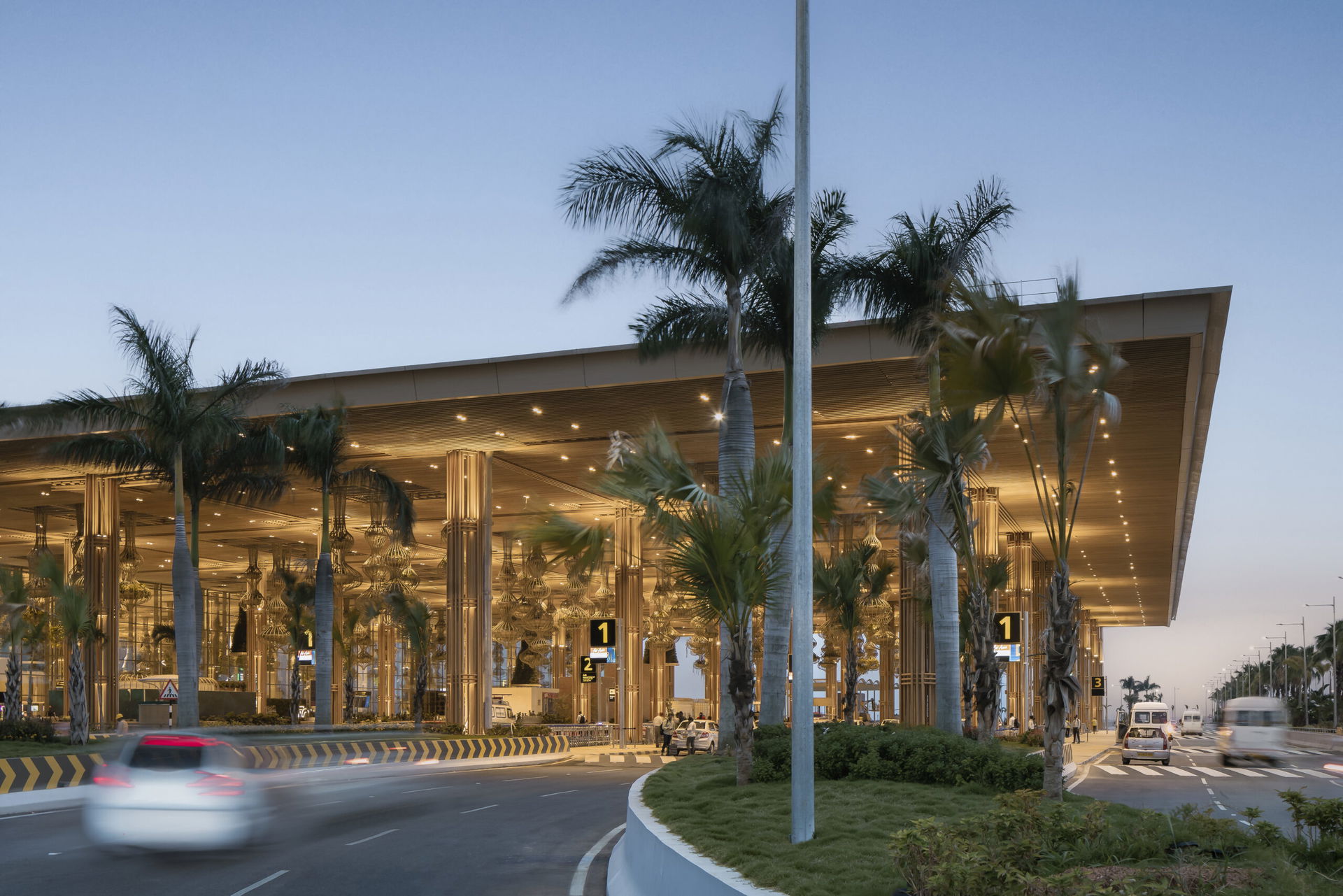
- For High-Humidity & Exterior Specs: Utilising Carbonised and Scrimber processes ensures the sugars are removed, negating rot and the density is maximised., negating moisture intake.
Beyond the Grain: Why Engineered Bamboo Outperforms Timber in Modern Specs
When a builder resists engineered bamboo, they are usually protecting themselves against a 10-year-old memory of an inferior product. To navigate this, lead with the Warranty and Certification:
- Exterior: 5-year warranty.
- Interior: 7-year warranty.
- Quality Control: House of Bamboo products are not cheap, mass produced commodities. We oversee the production, ensuring the resin-to-fiber ratio is optimised for structural stability and the Australian environment.
Pro Tip for Architects: Remind builders that House of Bamboo engineered lines arrive pre-finished and dimensionally consistent. This reduces on-site labor, minimises waste from bad boards, and ensures the result matches the render.
.jpg?width=1920&quality=80&format=auto)