Bamboo Lumber, Architectural Plywood & Veneers
Dovetail Series
Professional-grade bamboo building materials, including engineered bamboo ply, veneer and lumber for structural and architectural applications. The Dovetail Collection provides architects, builders, and joiners with sustainable alternatives that exceed the performance characteristics of traditional timber whilst enabling innovative design possibilities.
Explore Our Products
.jpg?width=1920&quality=80&format=auto)
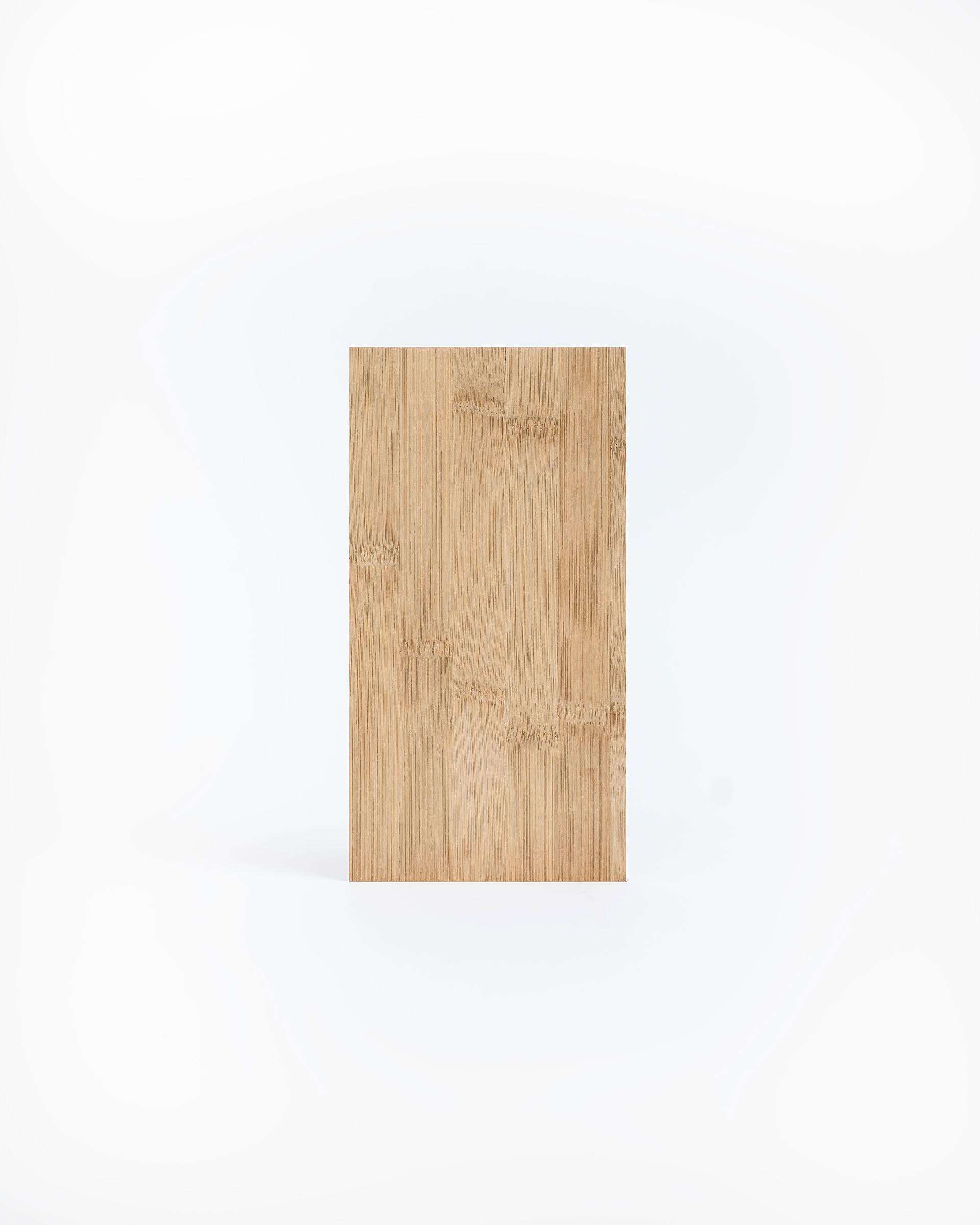
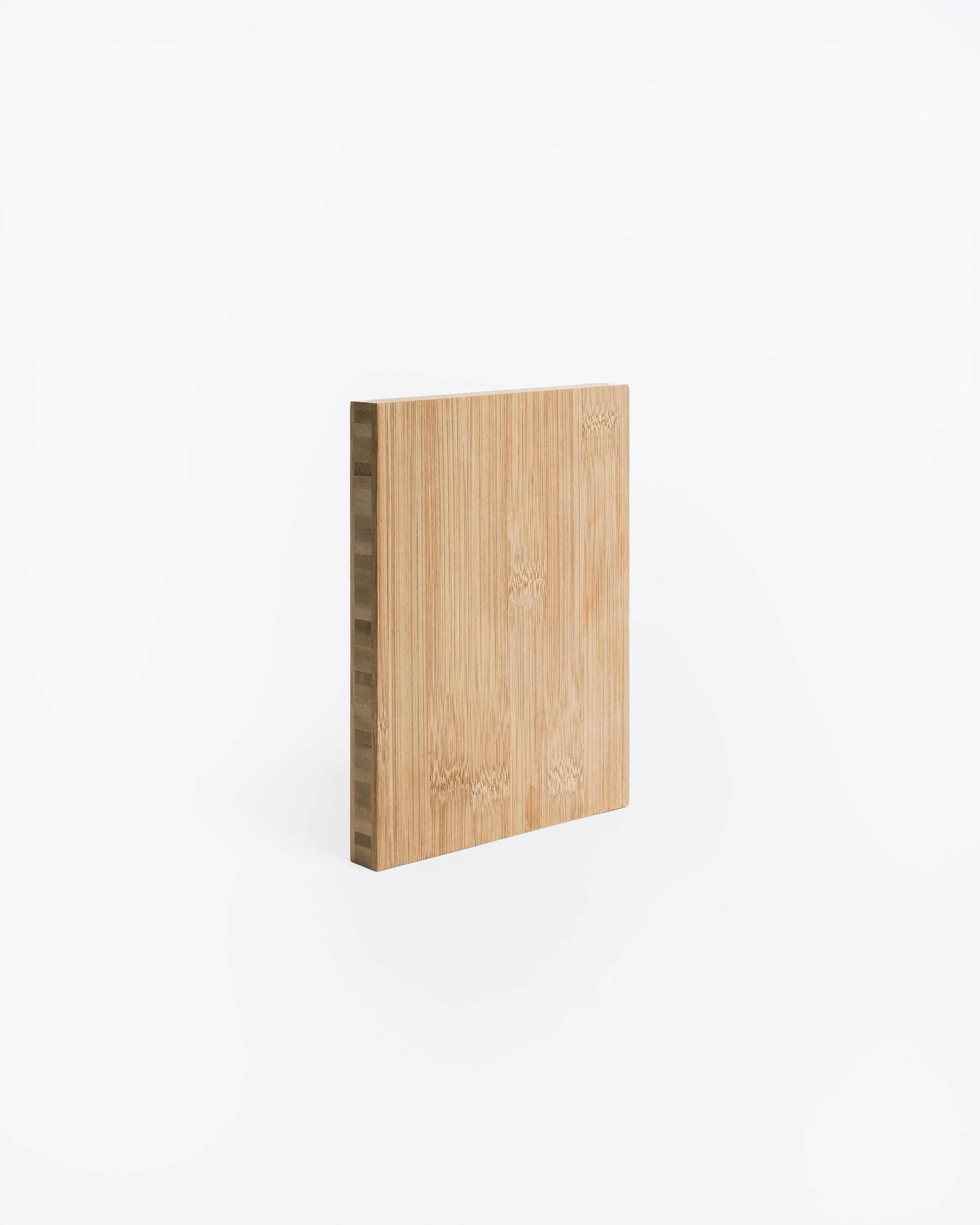
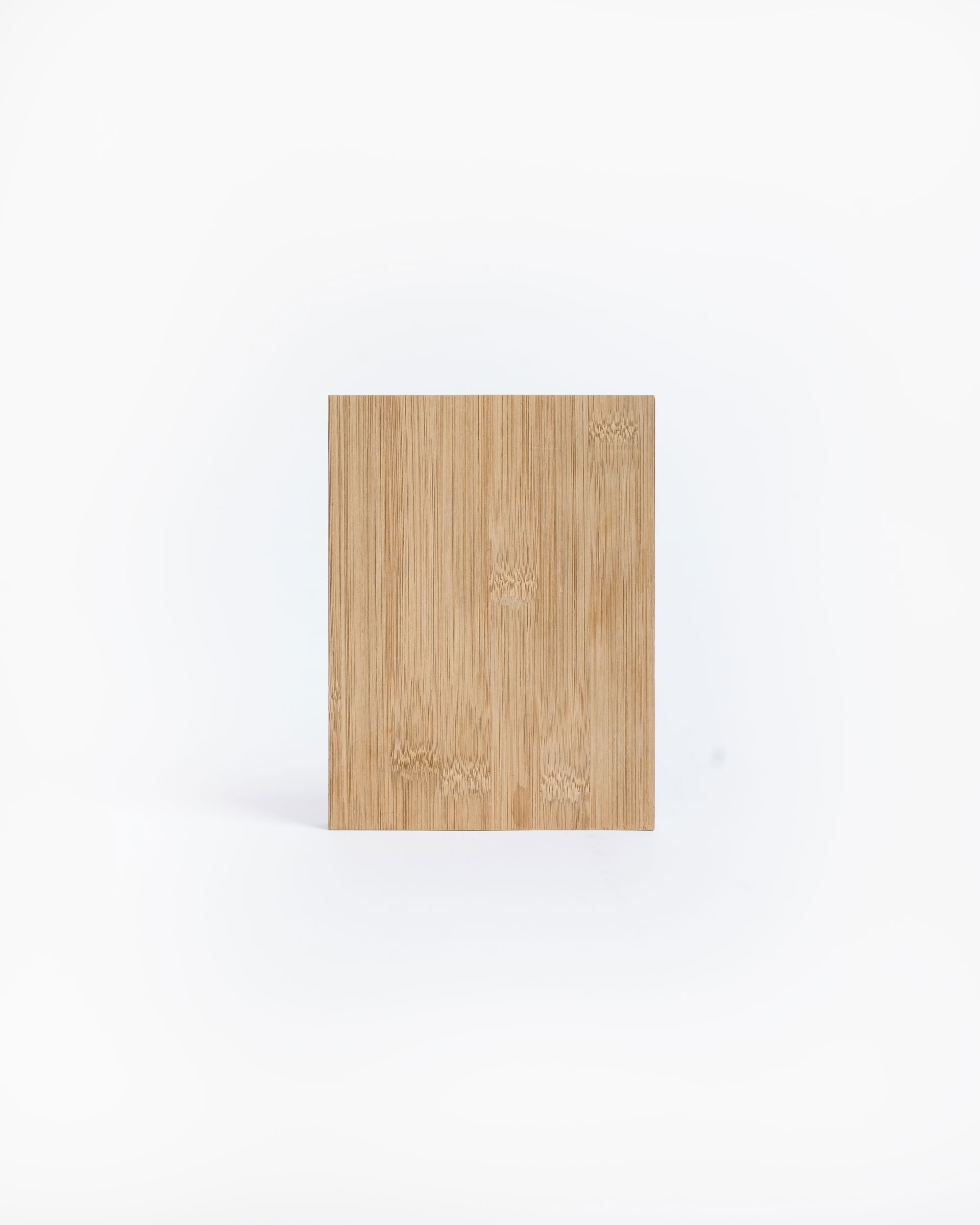
Discover Bamboo Applications
.jpeg?width=1920&quality=80&format=auto)
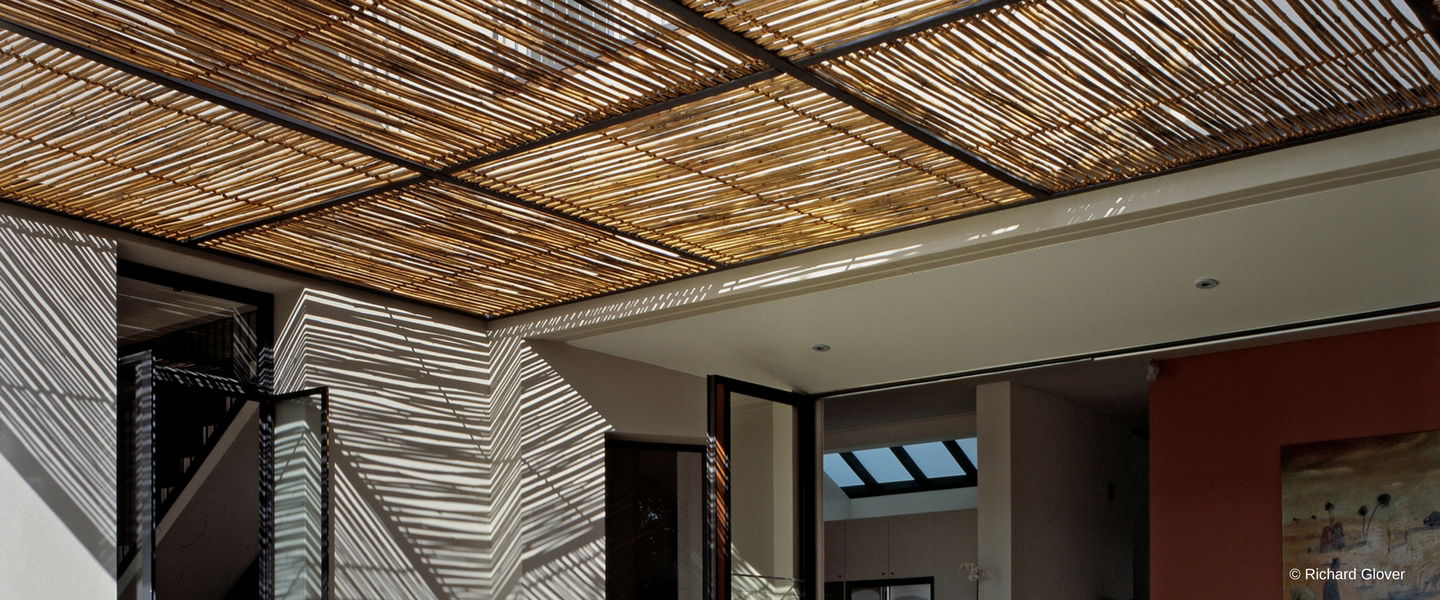


Learn more about the Dovetail Series
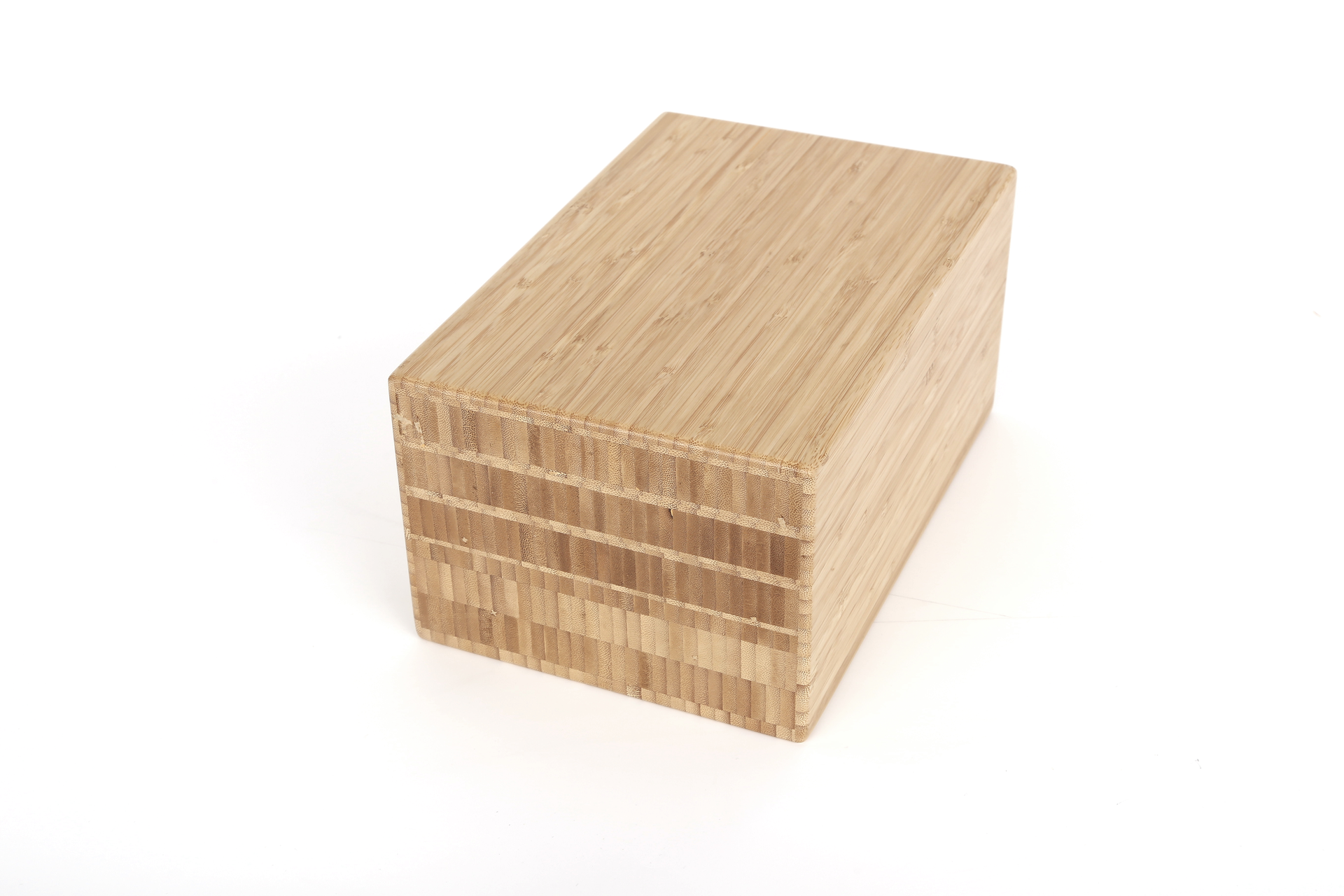
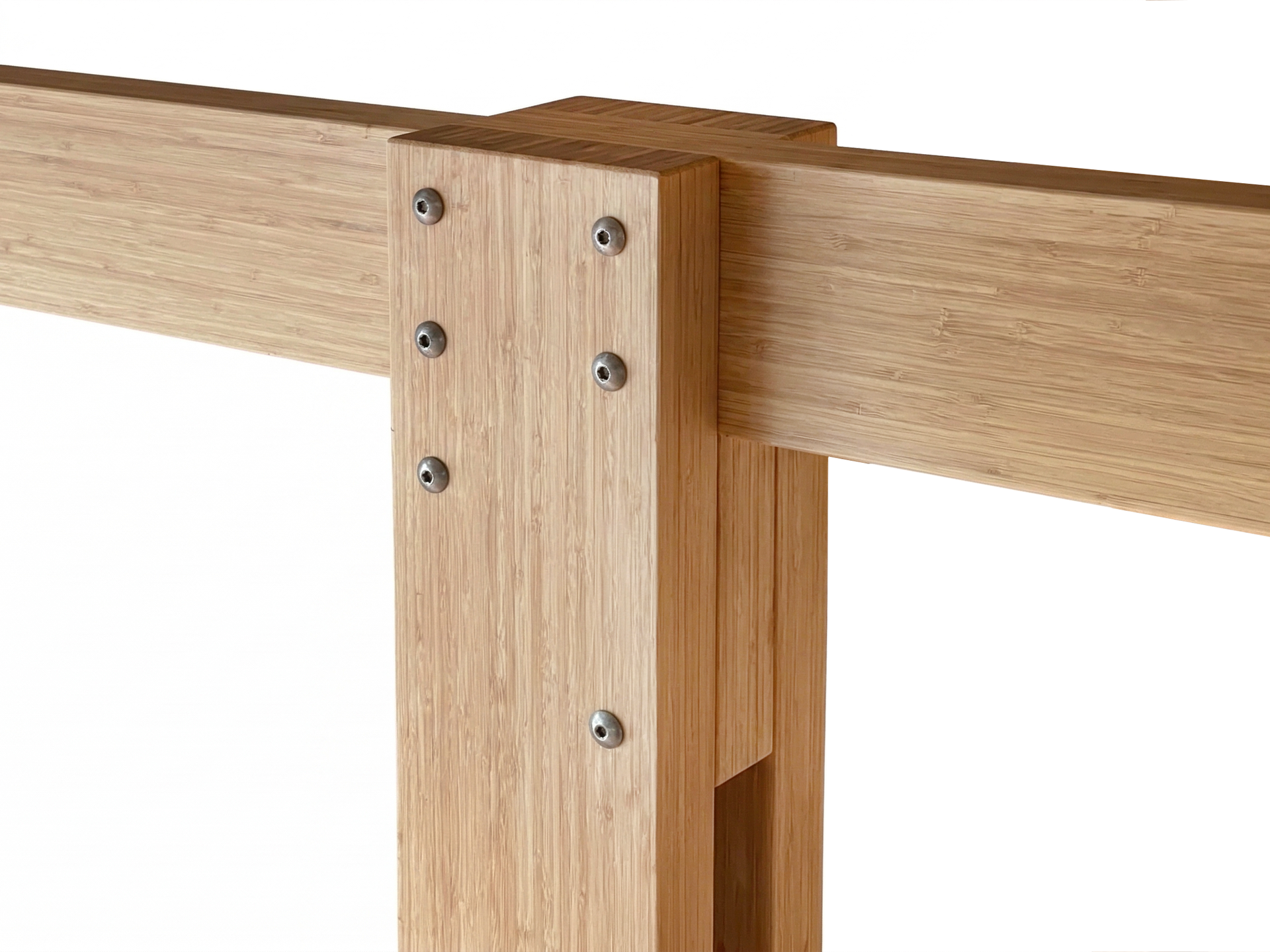
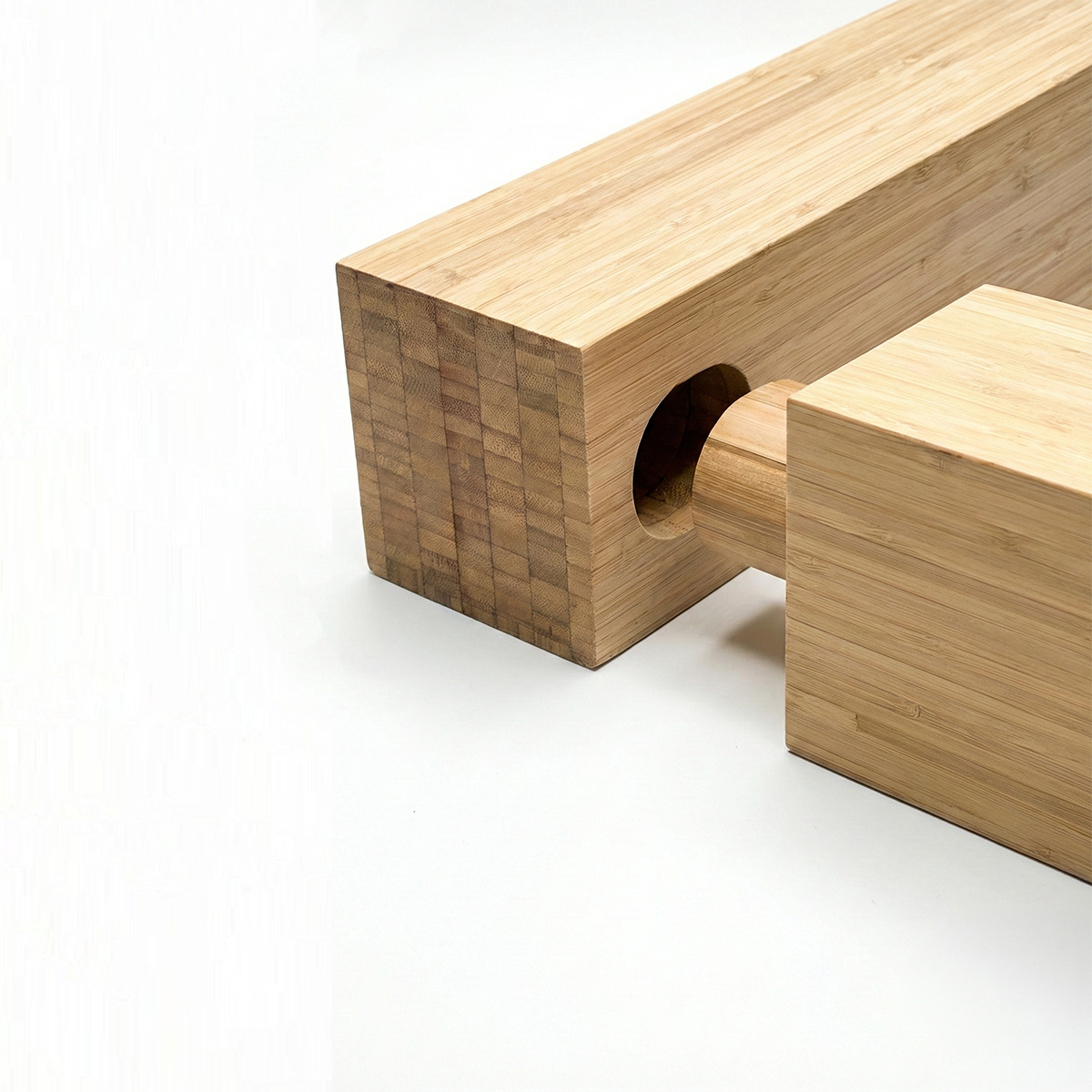
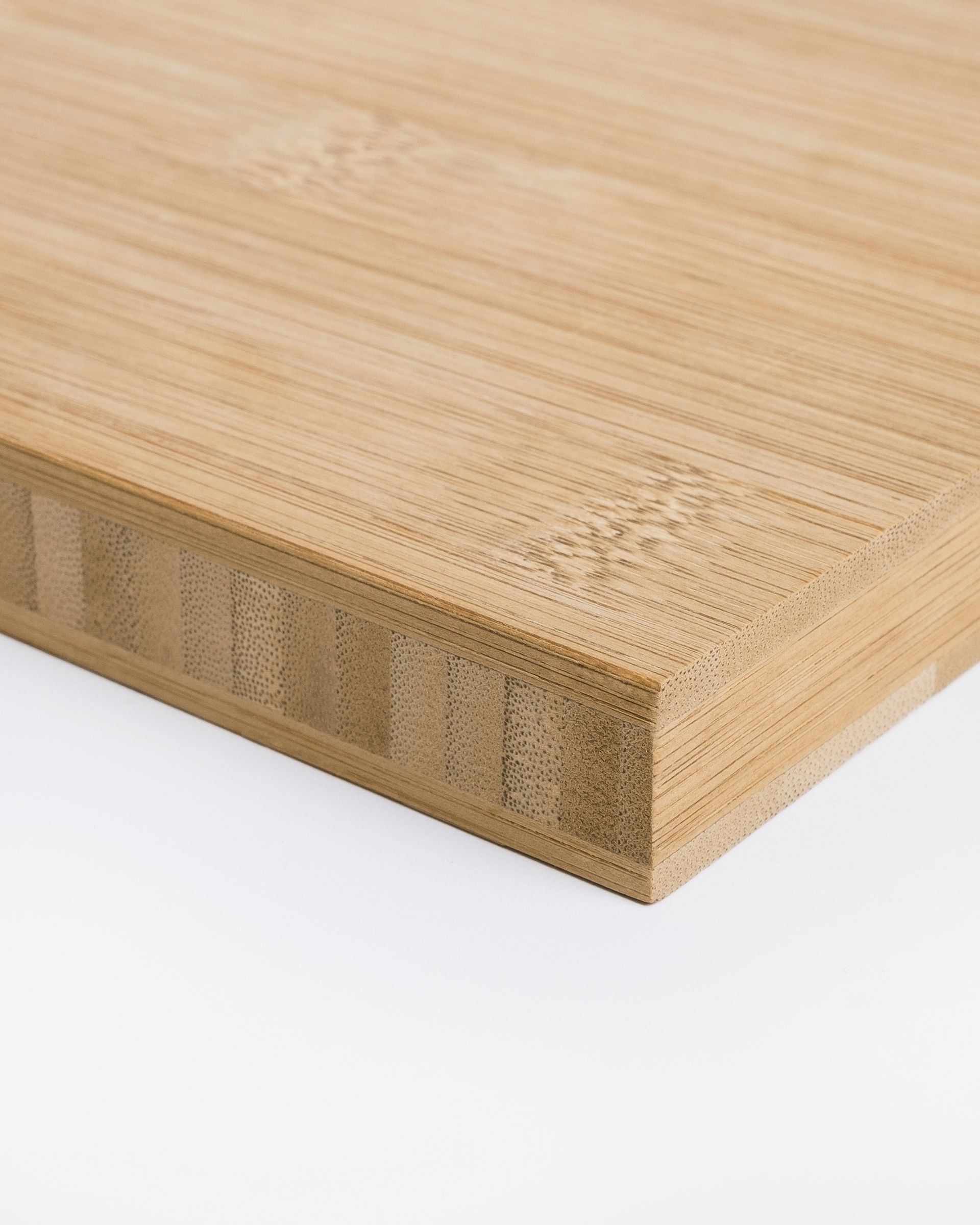
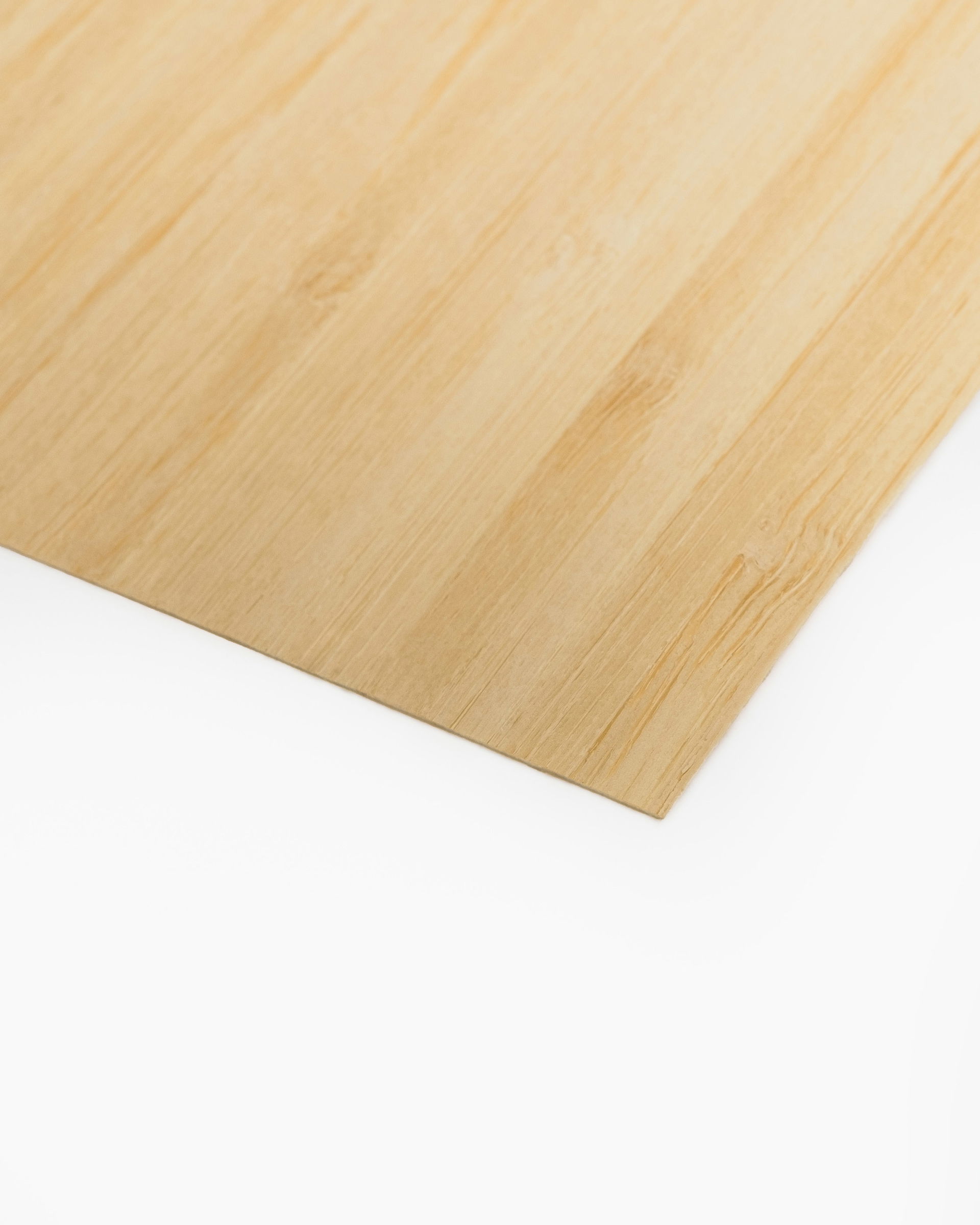
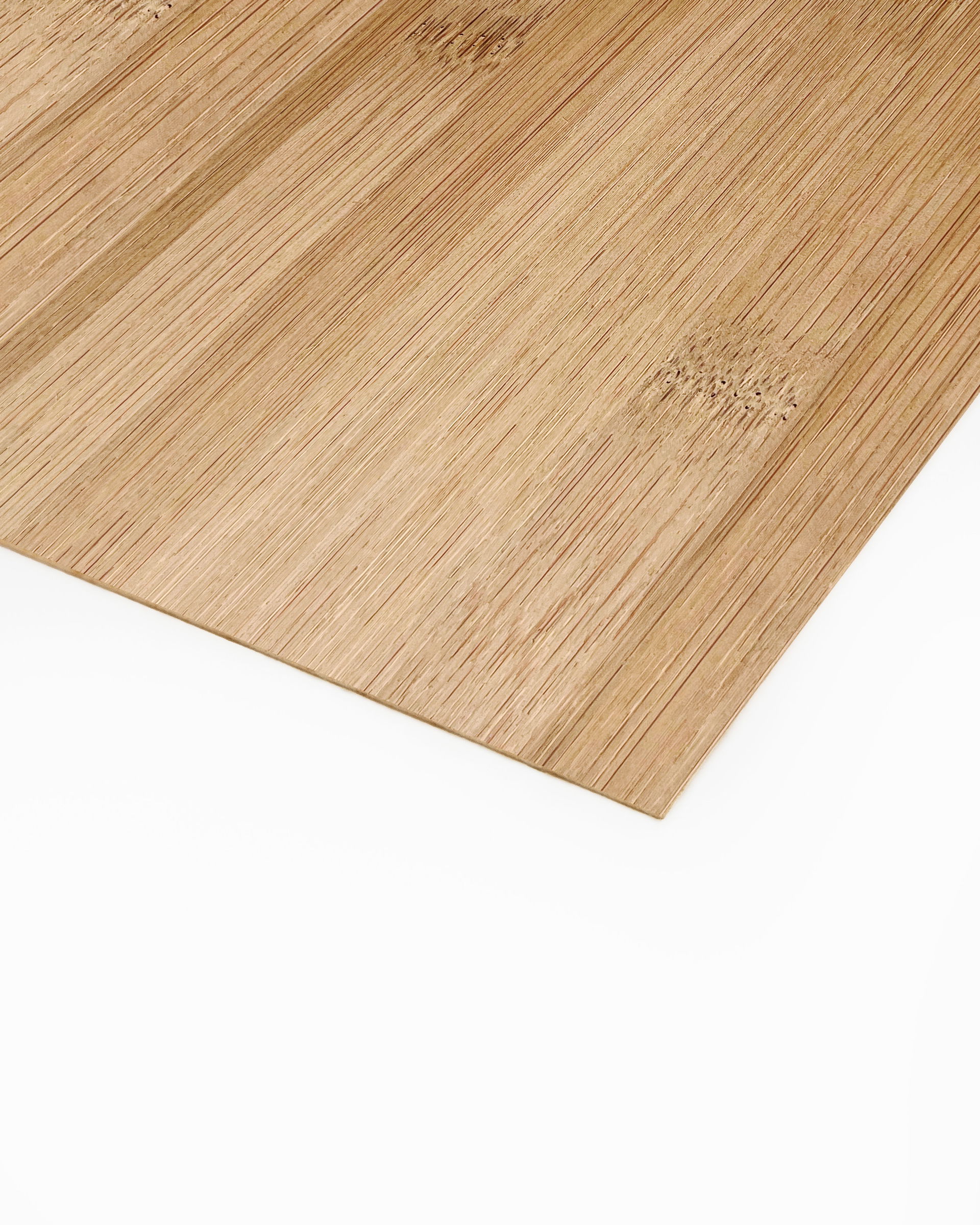
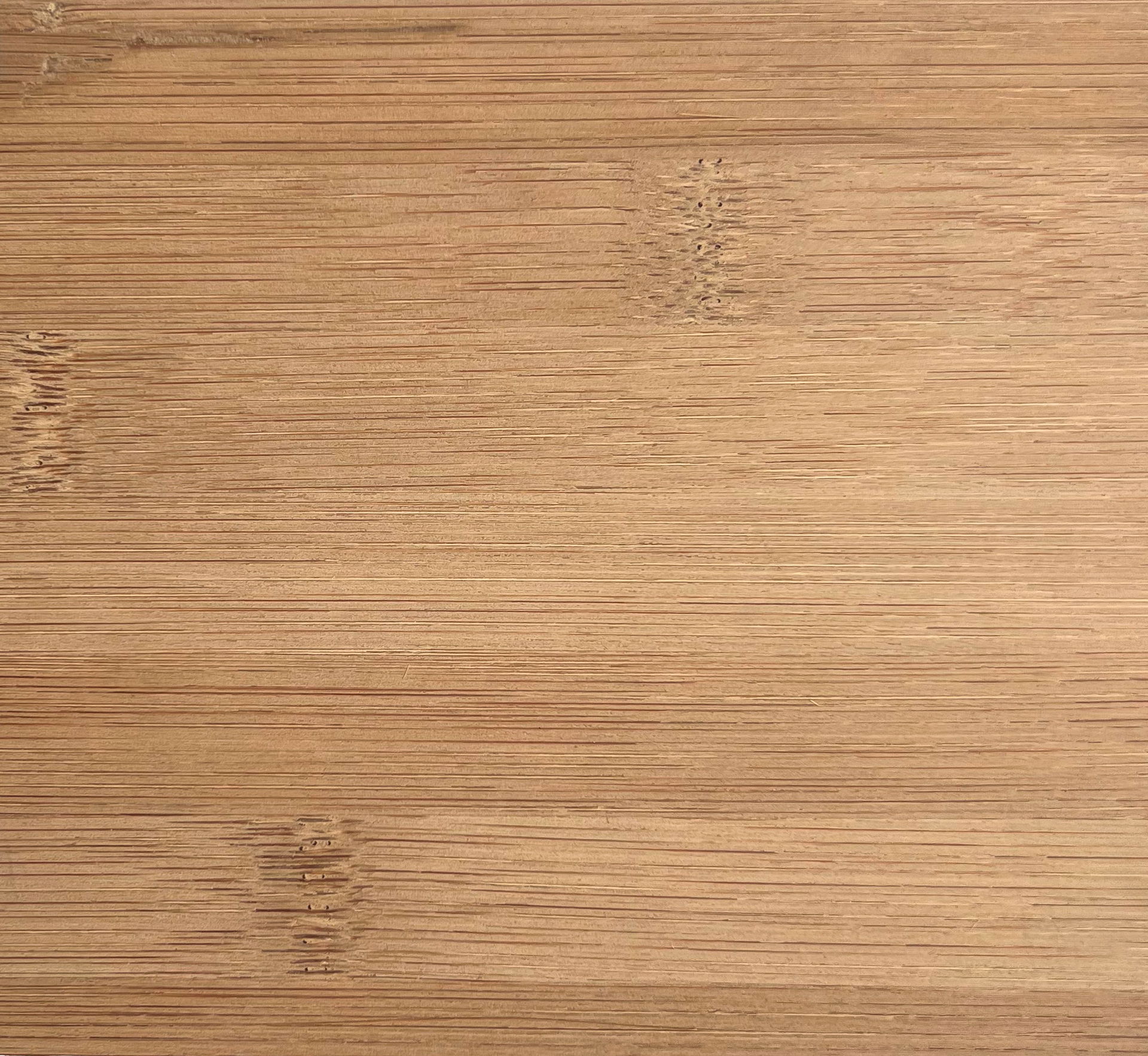
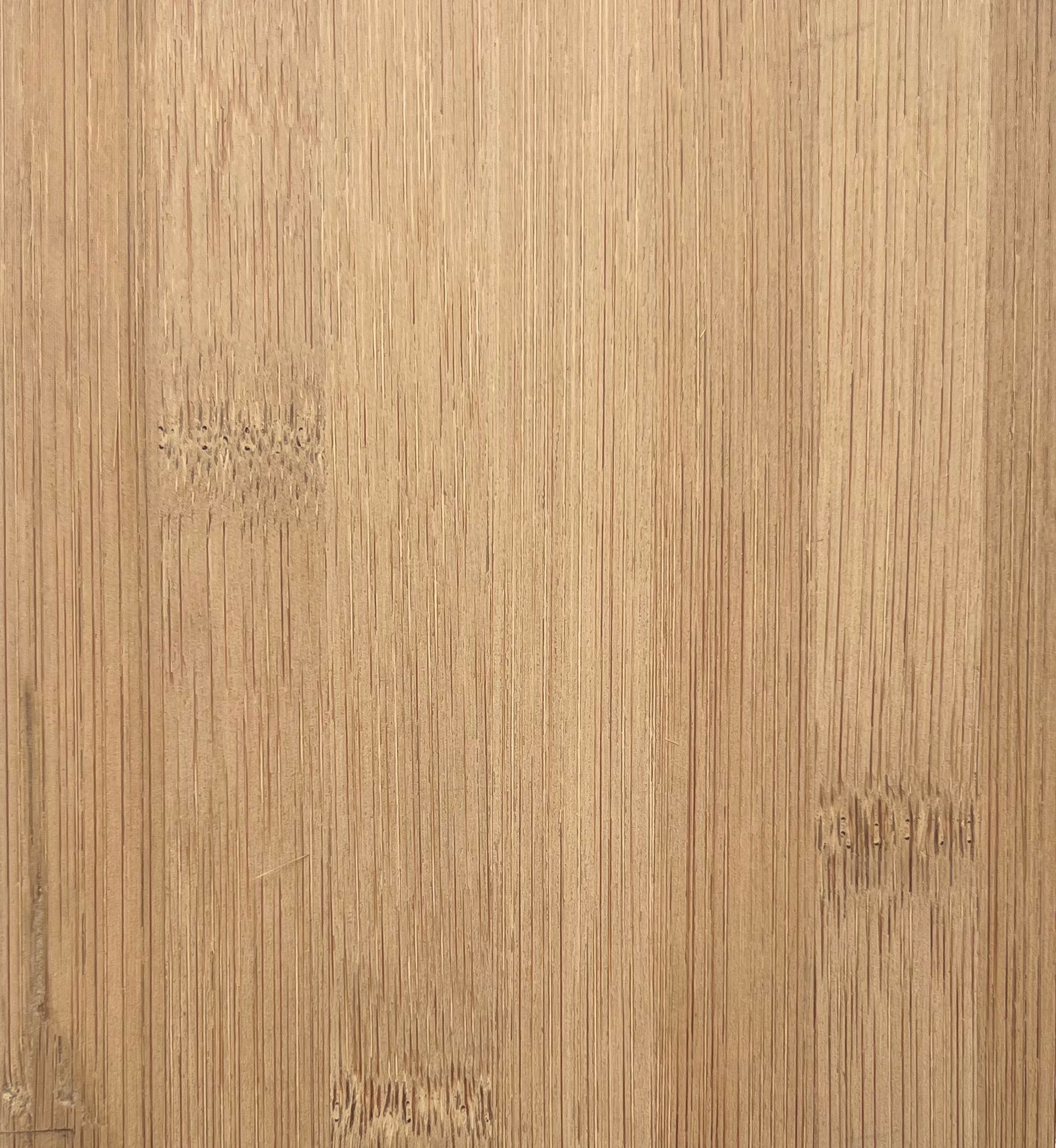
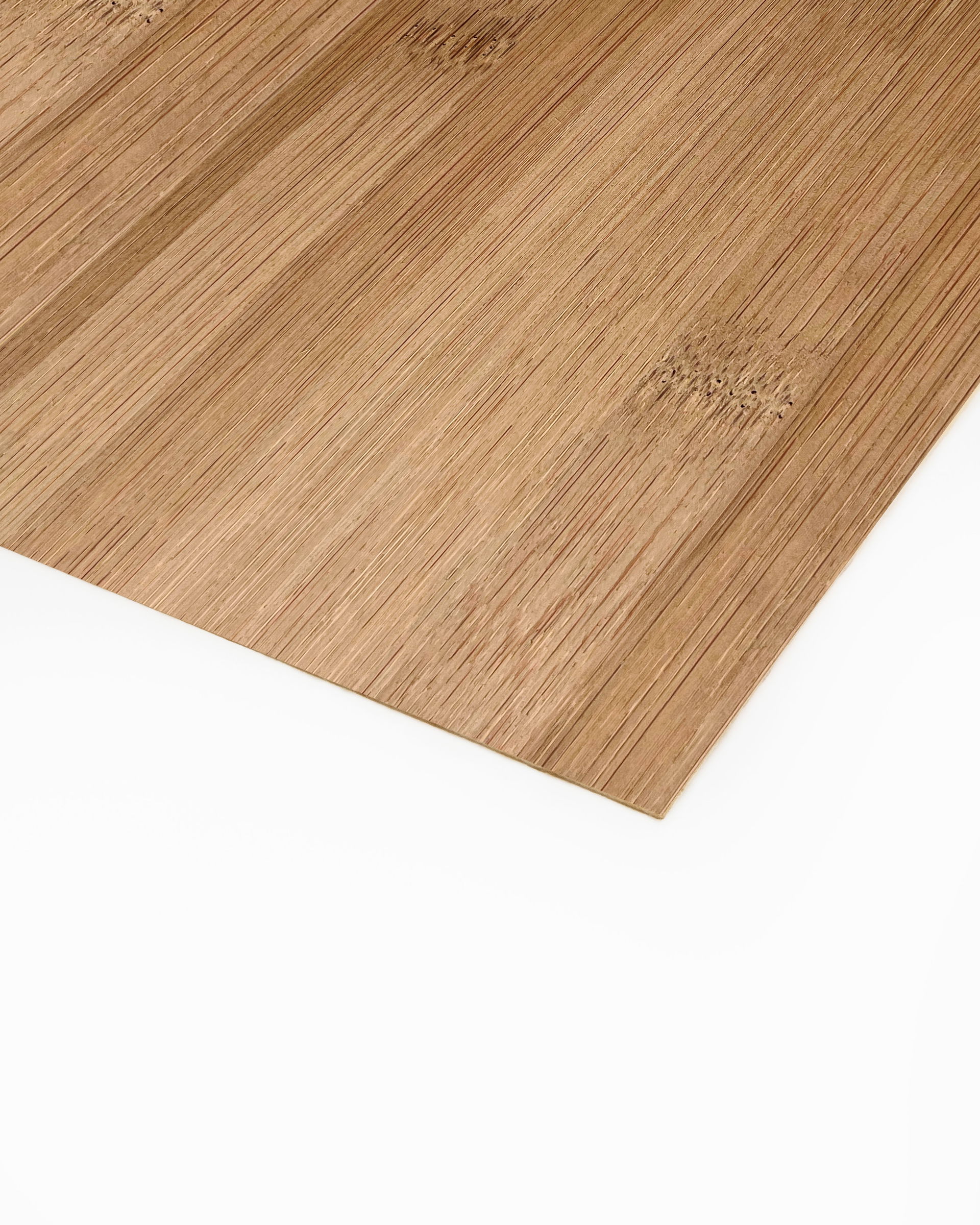
This is our range of engineered bamboo products built for structural framing, joinery and fitted surfaces rather than cladding or flooring. Bamboo lumber and structural beams are formed by laminating bamboo strips or slats under heat and pressure into solid, load-bearing sections. Architectural plywood is built the same way, layers of bamboo bonded into a stable engineered panel, and bamboo veneer is a thin decorative face, sliced from bamboo culms and applied over a substrate such as ply, MDF or particleboard. Used together, the ply forms a strong, dimensionally stable core, and the veneer delivers the visible grain and texture of natural bamboo.
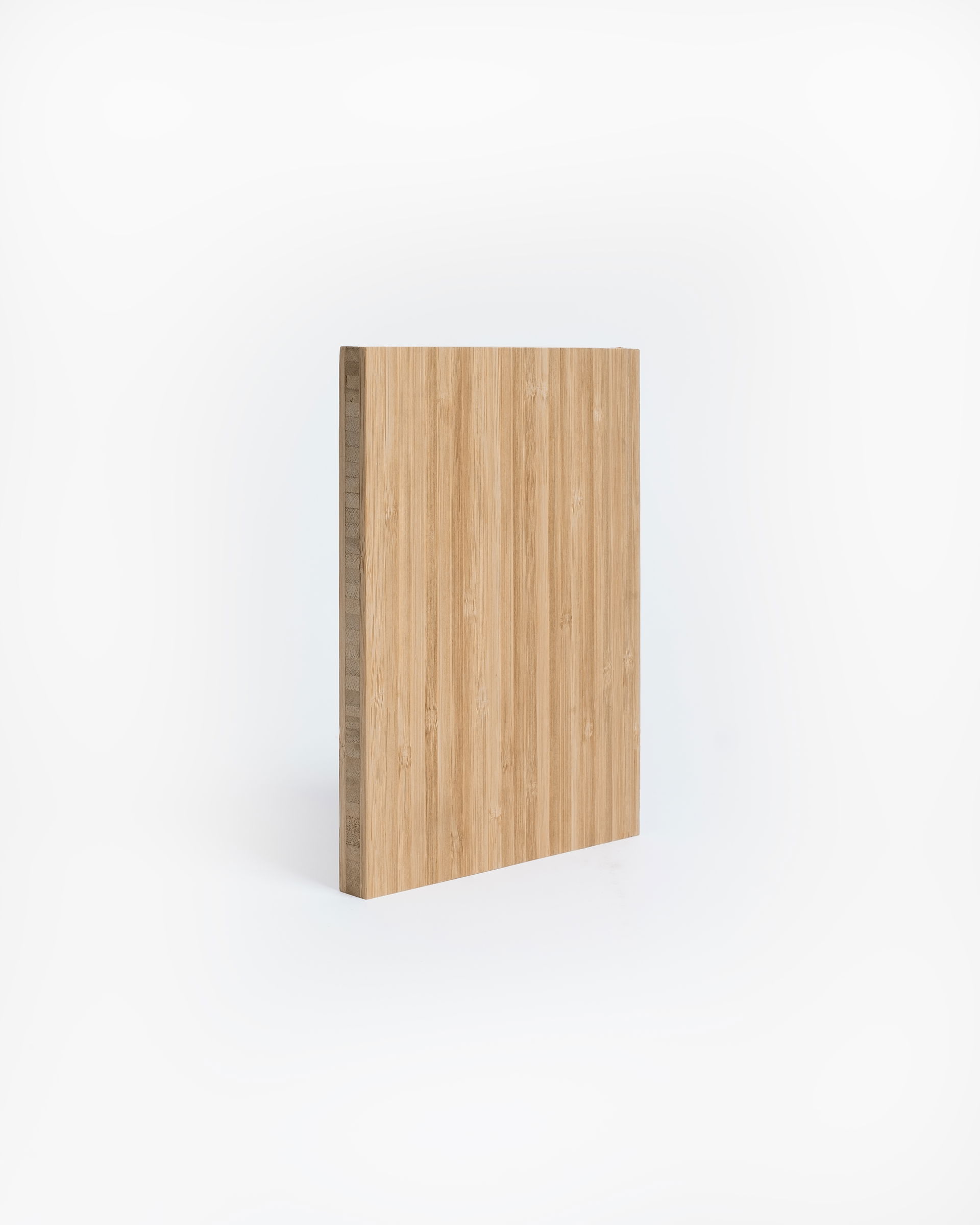
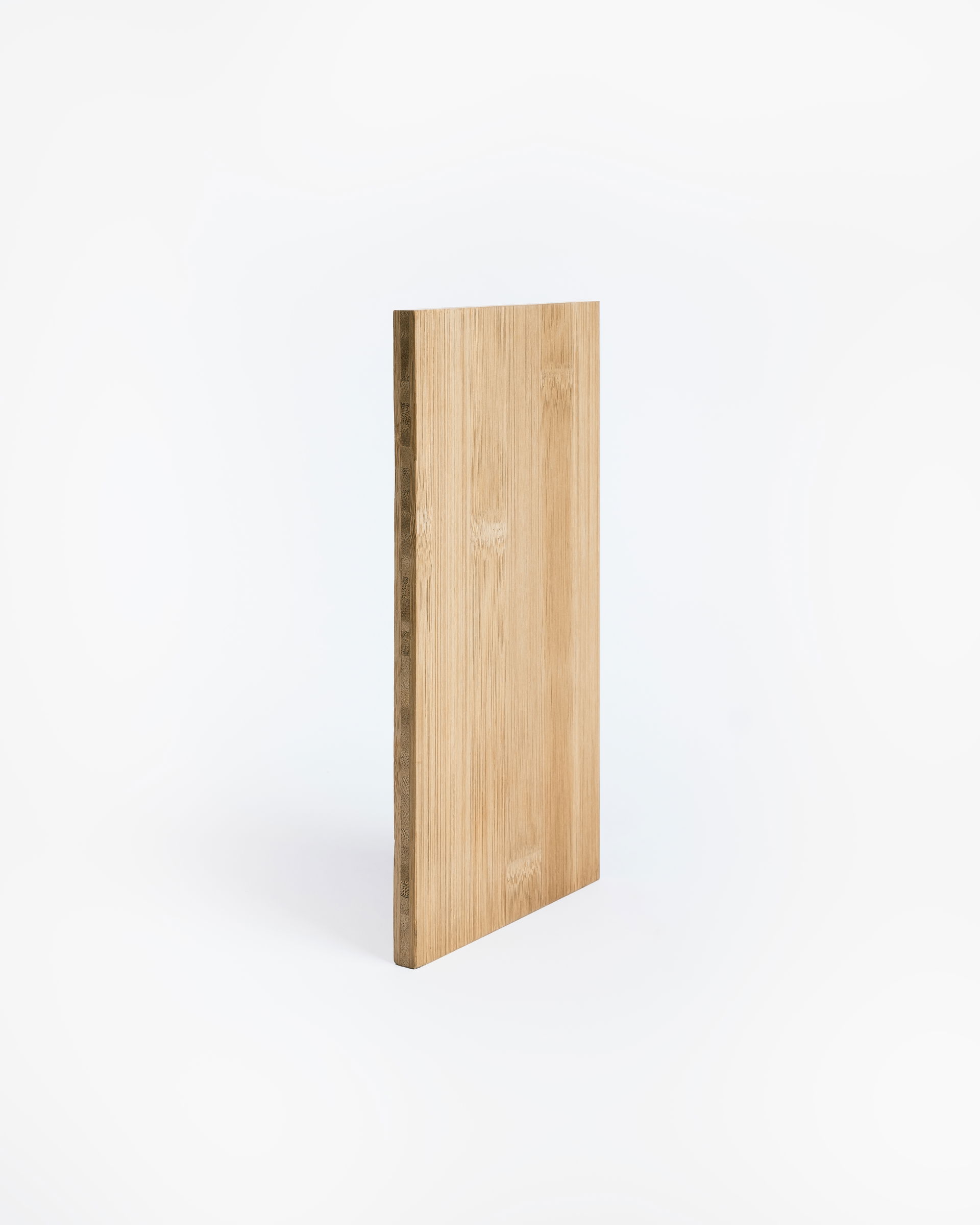
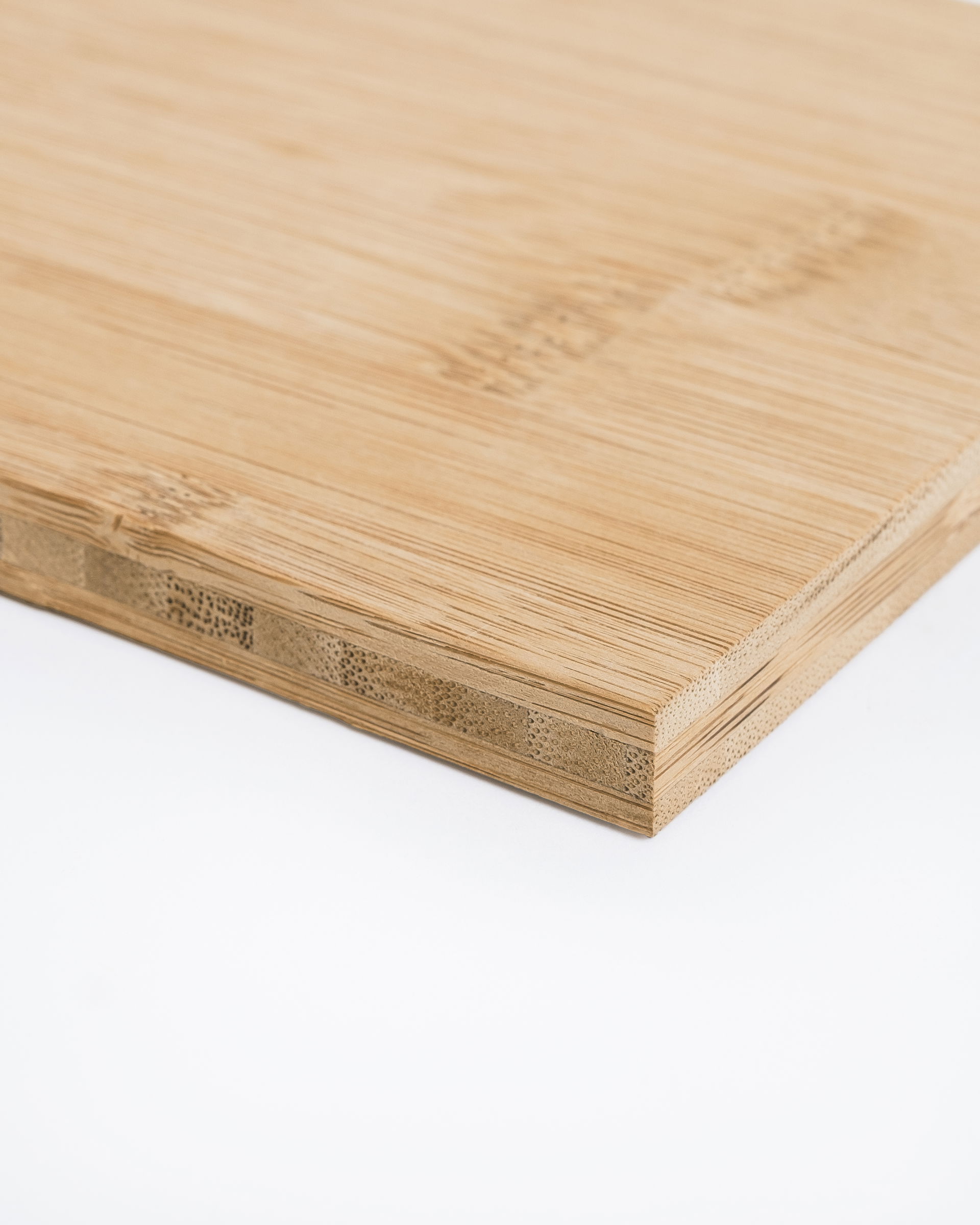
The Dovetail Series includes structural engineered bamboo lumber, laminated bamboo ply or veneer products. This is layers of bamboo strips bonded under heat and pressure to form a stable engineered core, finished with a natural bamboo veneer face. This layered construction gives the range its strength, dimensional stability and consistent grain, while still delivering the warmth and texture of solid bamboo.
The Dovetail Series includes structural engineered bamboo lumber, laminated bamboo ply or veneer products. This is layers of bamboo strips bonded under heat and pressure to form a stable engineered core, finished with a natural bamboo veneer face. This layered construction gives the range its strength, dimensional stability and consistent grain, while still delivering the warmth and texture of solid bamboo.
Laminated bamboo ply sits in its own category rather than competing directly with structural products like mass timber and CLT, which are engineered for load-bearing building elements at a much larger scale. The Dovetail Series is built for cabinetry, joinery and surface applications, where its bamboo fibre gives strength and stability that holds up well against timber ply without the inconsistent grain or voids that can show up in standard plywood. Compared to hardwoods, it offers a similar natural look, hardness and durability, but bamboo's fast growth cycle makes it a more sustainable and often more cost-effective choice for cabinetry and joinery work. For architects and designers specifying interior surfaces and fitted joinery, the Dovetail Series offers the visual warmth of hardwood with the consistency of an engineered panel.
Laminated bamboo ply sits in its own category rather than competing directly with structural products like mass timber and CLT, which are engineered for load-bearing building elements at a much larger scale. The Dovetail Series is built for cabinetry, joinery and surface applications, where its bamboo fibre gives strength and stability that holds up well against timber ply without the inconsistent grain or voids that can show up in standard plywood. Compared to hardwoods, it offers a similar natural look, hardness and durability, but bamboo's fast growth cycle makes it a more sustainable and often more cost-effective choice for cabinetry and joinery work. For architects and designers specifying interior surfaces and fitted joinery, the Dovetail Series offers the visual warmth of hardwood with the consistency of an engineered panel.
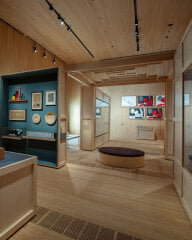
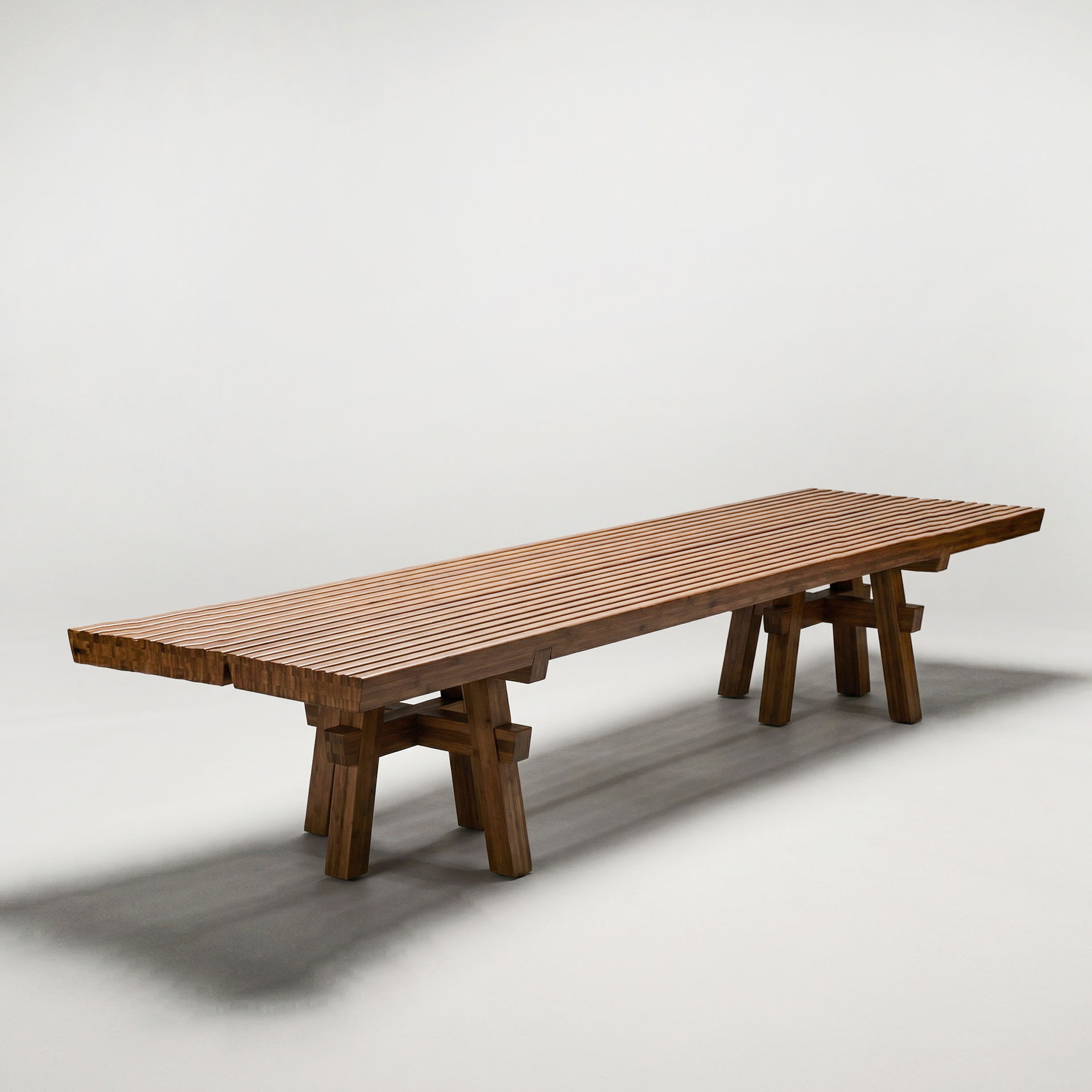
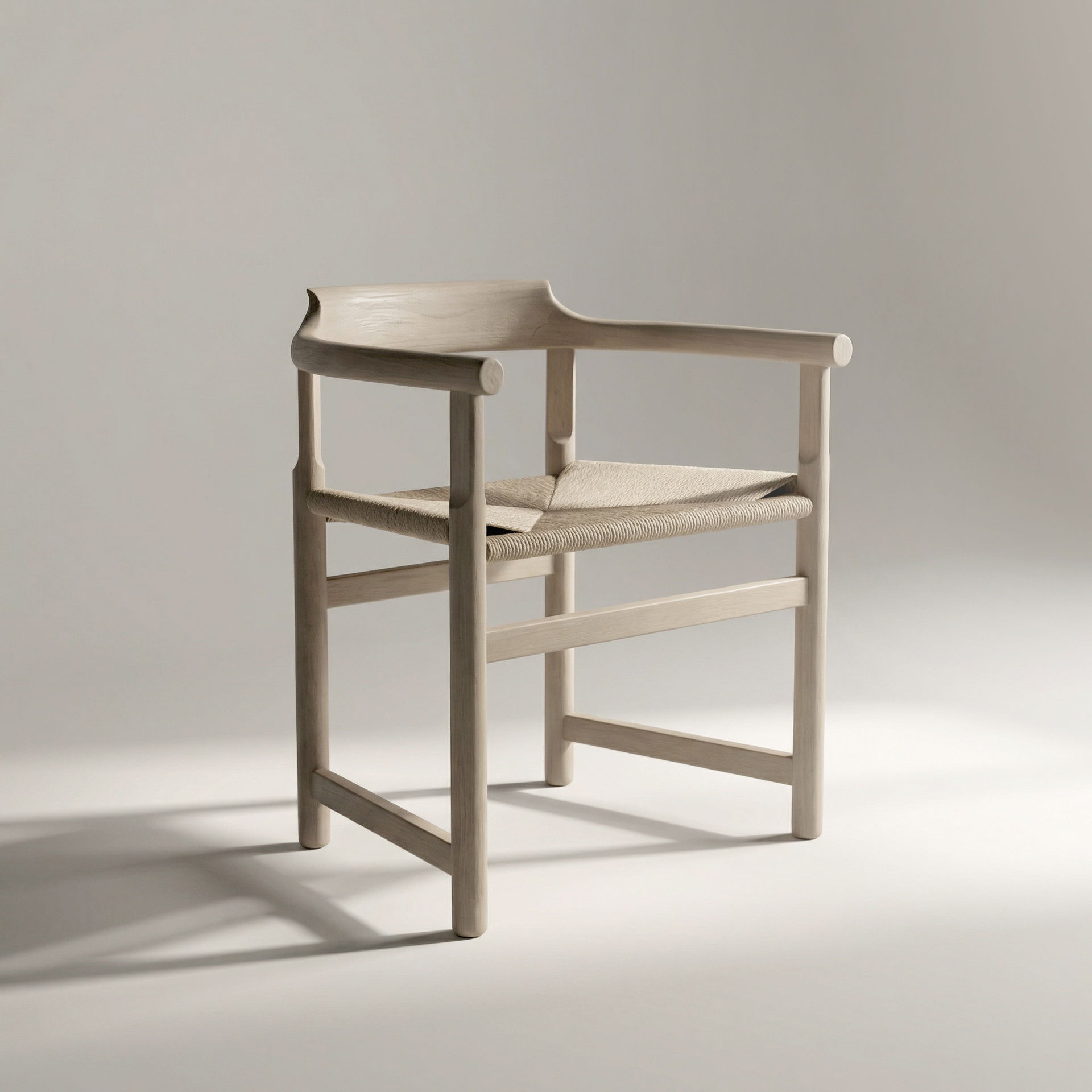
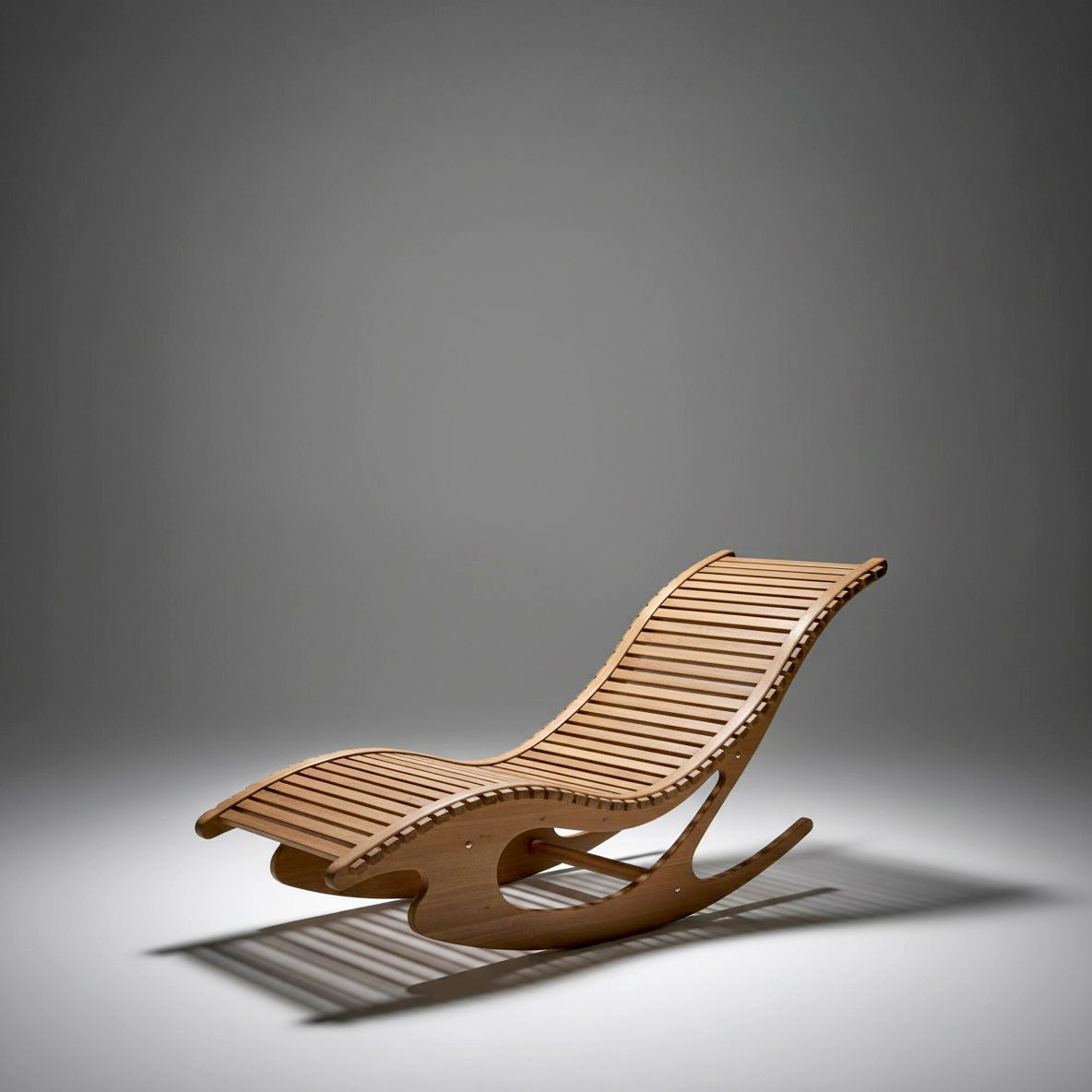
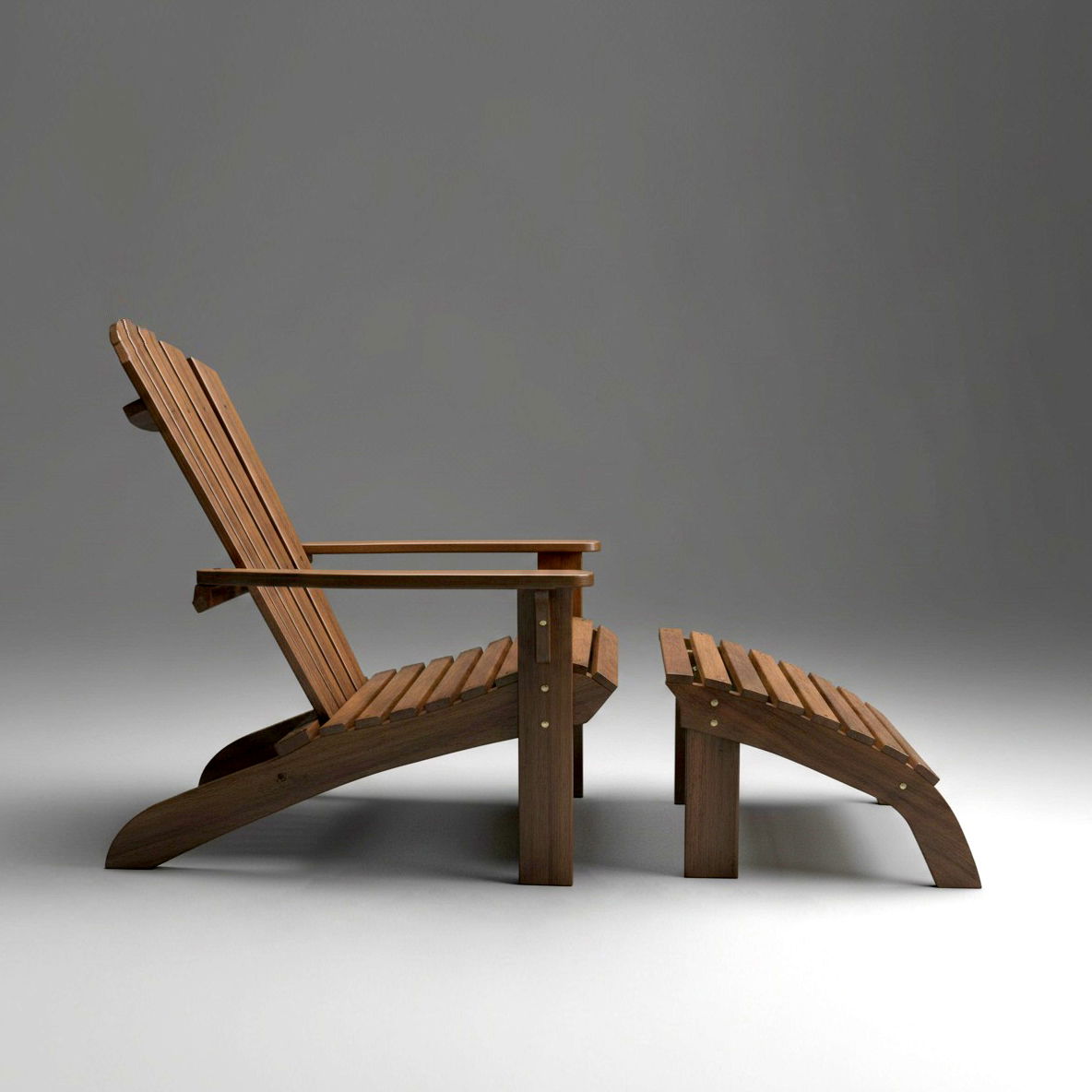
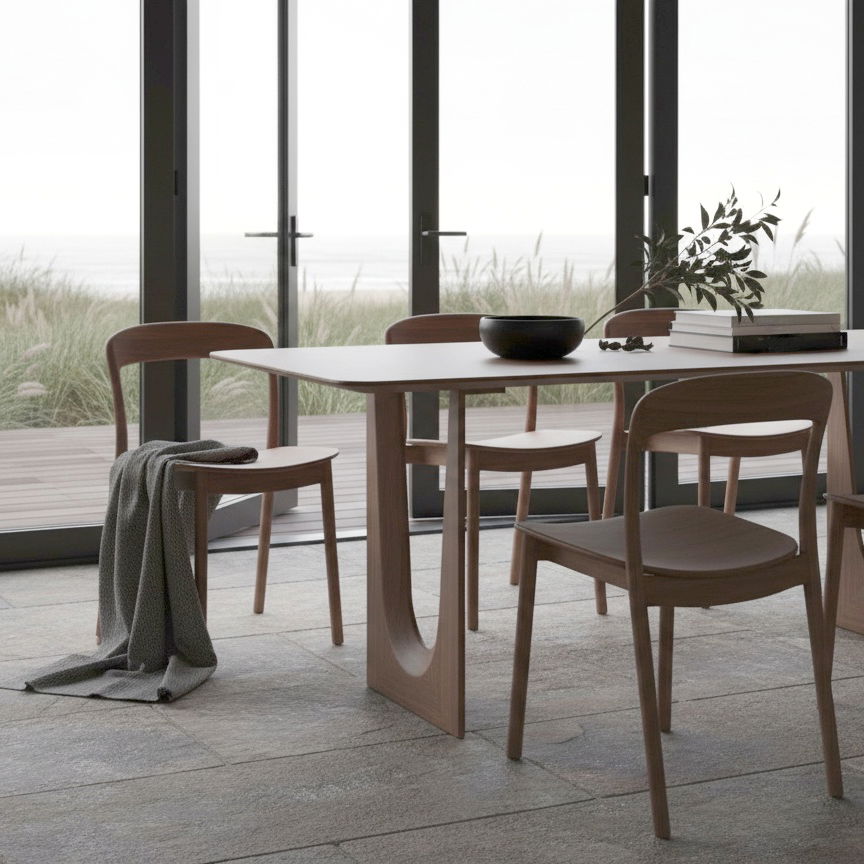
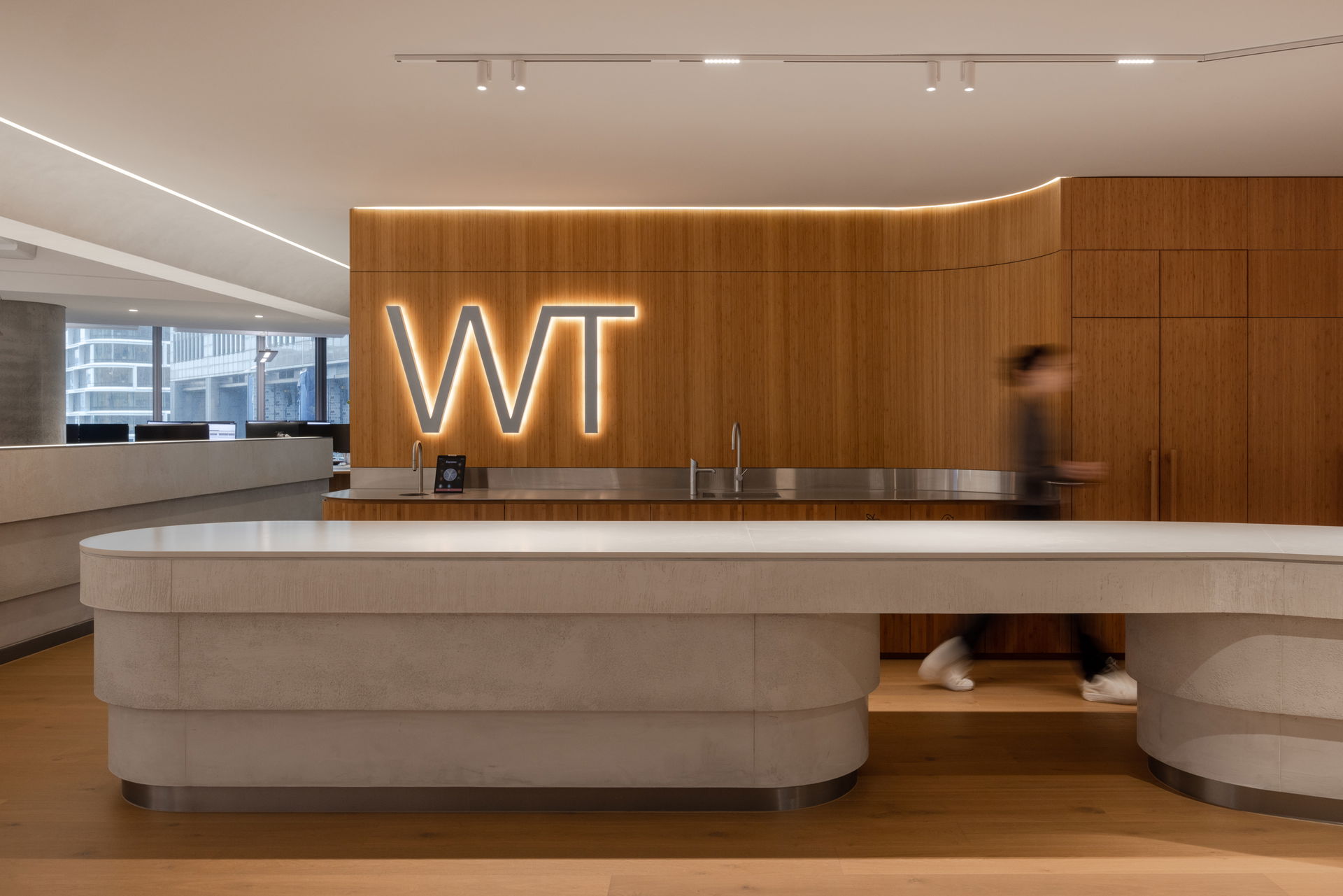
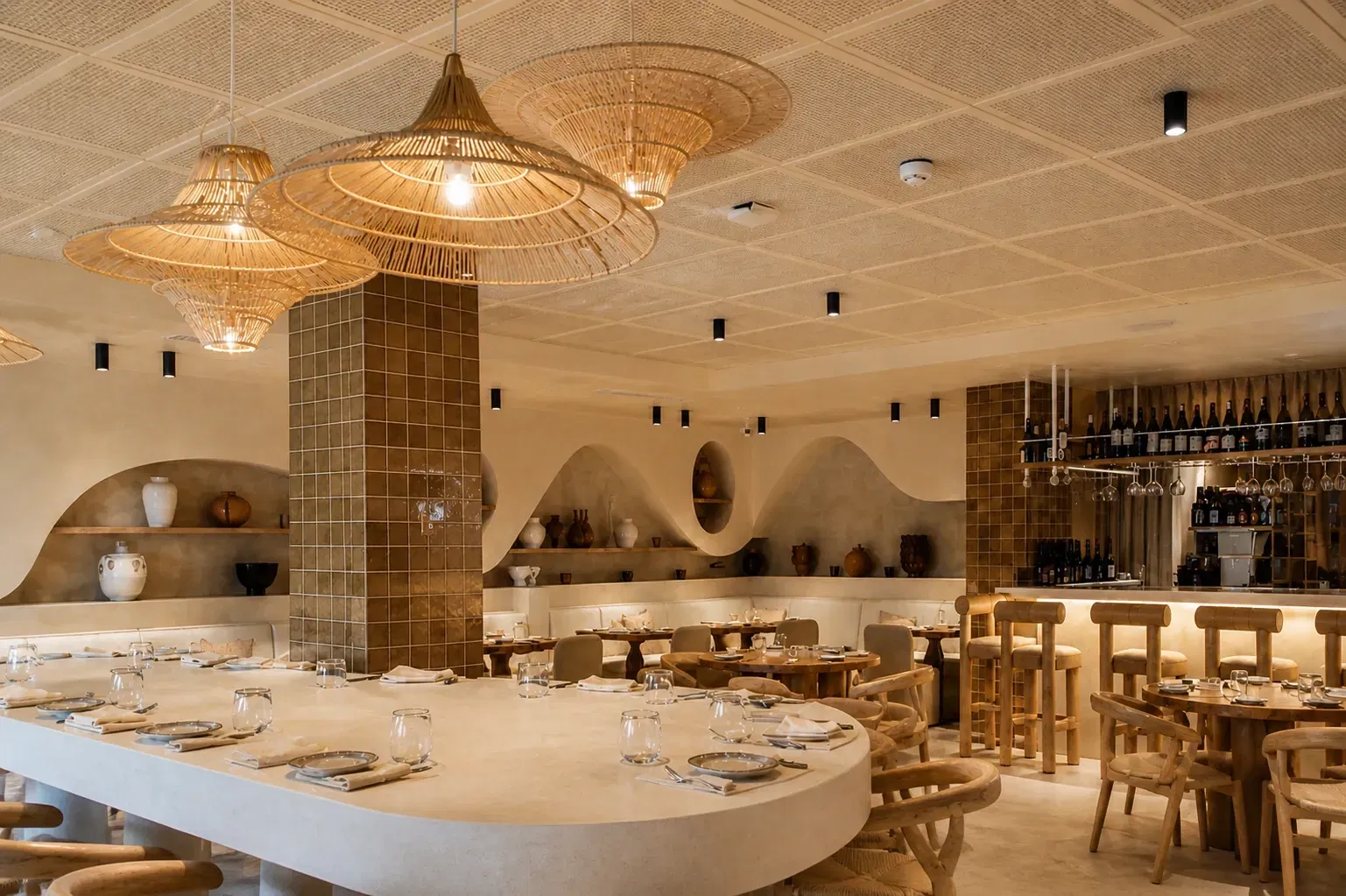
The Dovetail Series is designed for joinery and interior applications, such as furniture, tables, cabinetry and fitted joinery, giving architects and designers a natural bamboo finish with strong visual texture and genuine sustainability credentials. Because it's built as a laminated bamboo ply and veneer product rather than solid timber, it offers consistent stability across large format panels, which suits the precision joinery work demands. It suits residential, hospitality, retail and commercial briefs where a warmer alternative to conventional materials is required.
The Dovetail Series is designed for joinery and interior applications, such as furniture, tables, cabinetry and fitted joinery, giving architects and designers a natural bamboo finish with strong visual texture and genuine sustainability credentials. Because it's built as a laminated bamboo ply and veneer product rather than solid timber, it offers consistent stability across large format panels, which suits the precision joinery work demands. It suits residential, hospitality, retail and commercial briefs where a warmer alternative to conventional materials is required.
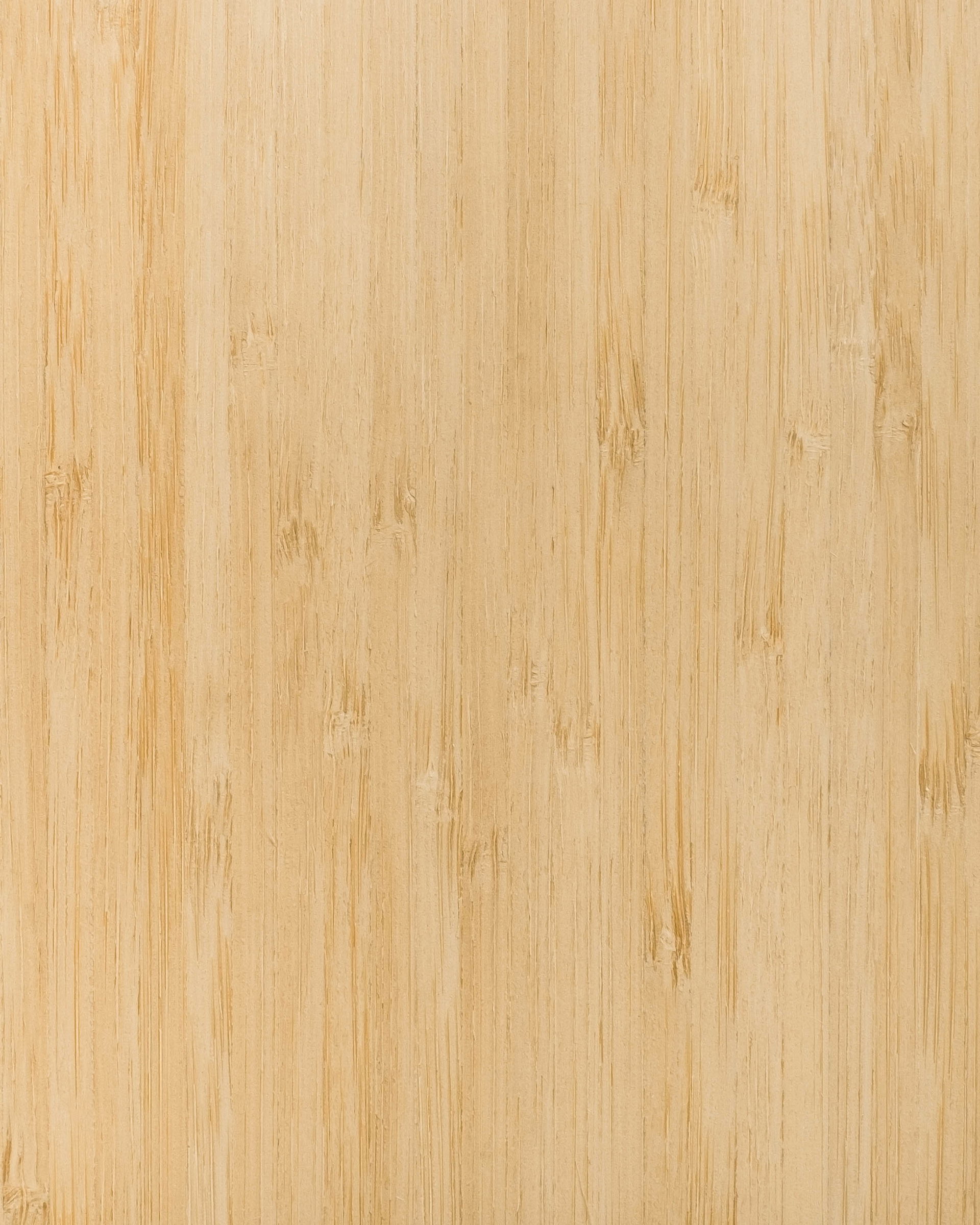
Bamboo ply is the engineered core: layers of bamboo strips bonded under heat and pressure into a structural panel that gives the product its strength and dimensional stability. Bamboo veneer is a thin decorative layer, sliced or peeled from bamboo culms, applied as a face to a substrate such as ply, MDF or particleboard to deliver the visual grain and texture. In Dovetail Series the two work together: the bamboo ply forms the core, and a bamboo veneer face finishes the surface, giving the range both structural stability and a genuine bamboo appearance. Veneer alone, applied over a non-bamboo substrate, won't offer the same strength or consistency as a full bamboo ply panel.
Bamboo ply is the engineered core: layers of bamboo strips bonded under heat and pressure into a structural panel that gives the product its strength and dimensional stability. Bamboo veneer is a thin decorative layer, sliced or peeled from bamboo culms, applied as a face to a substrate such as ply, MDF or particleboard to deliver the visual grain and texture. In Dovetail Series the two work together: the bamboo ply forms the core, and a bamboo veneer face finishes the surface, giving the range both structural stability and a genuine bamboo appearance. Veneer alone, applied over a non-bamboo substrate, won't offer the same strength or consistency as a full bamboo ply panel.
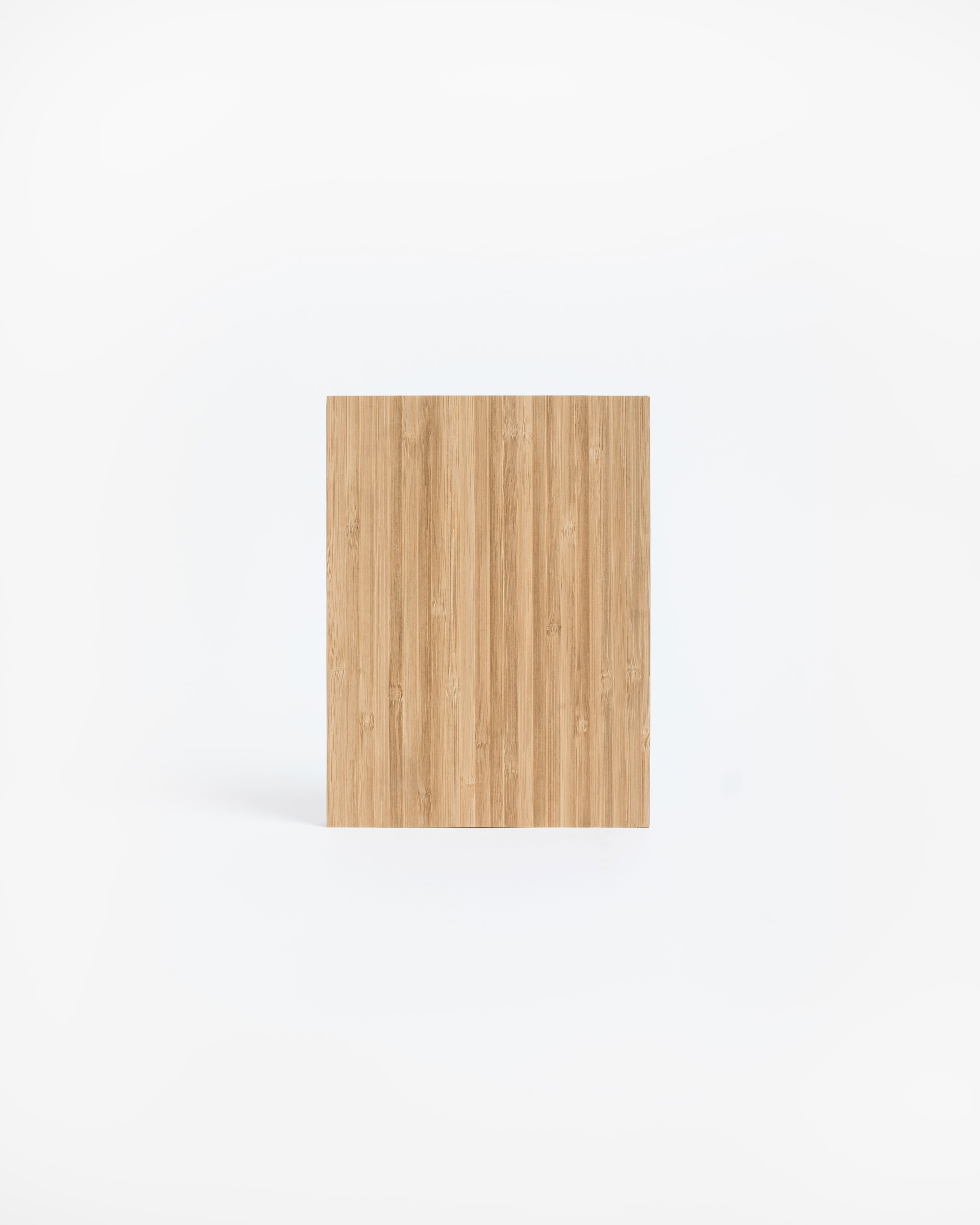
Before specifying Dovetail Series, architects and designers should confirm the intended use, dimensions, finish, maintenance expectations and installation method. As it's a laminated bamboo ply and veneer construction, it's also worth checking panel thickness, core layup and veneer grade against the project's structural and aesthetic requirements. Samples are avalible for ply and veneer in each standard thinkness and grain style
Before specifying Dovetail Series, architects and designers should confirm the intended use, dimensions, finish, maintenance expectations and installation method. As it's a laminated bamboo ply and veneer construction, it's also worth checking panel thickness, core layup and veneer grade against the project's structural and aesthetic requirements. Samples are avalible for ply and veneer in each standard thinkness and grain style
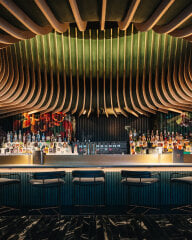
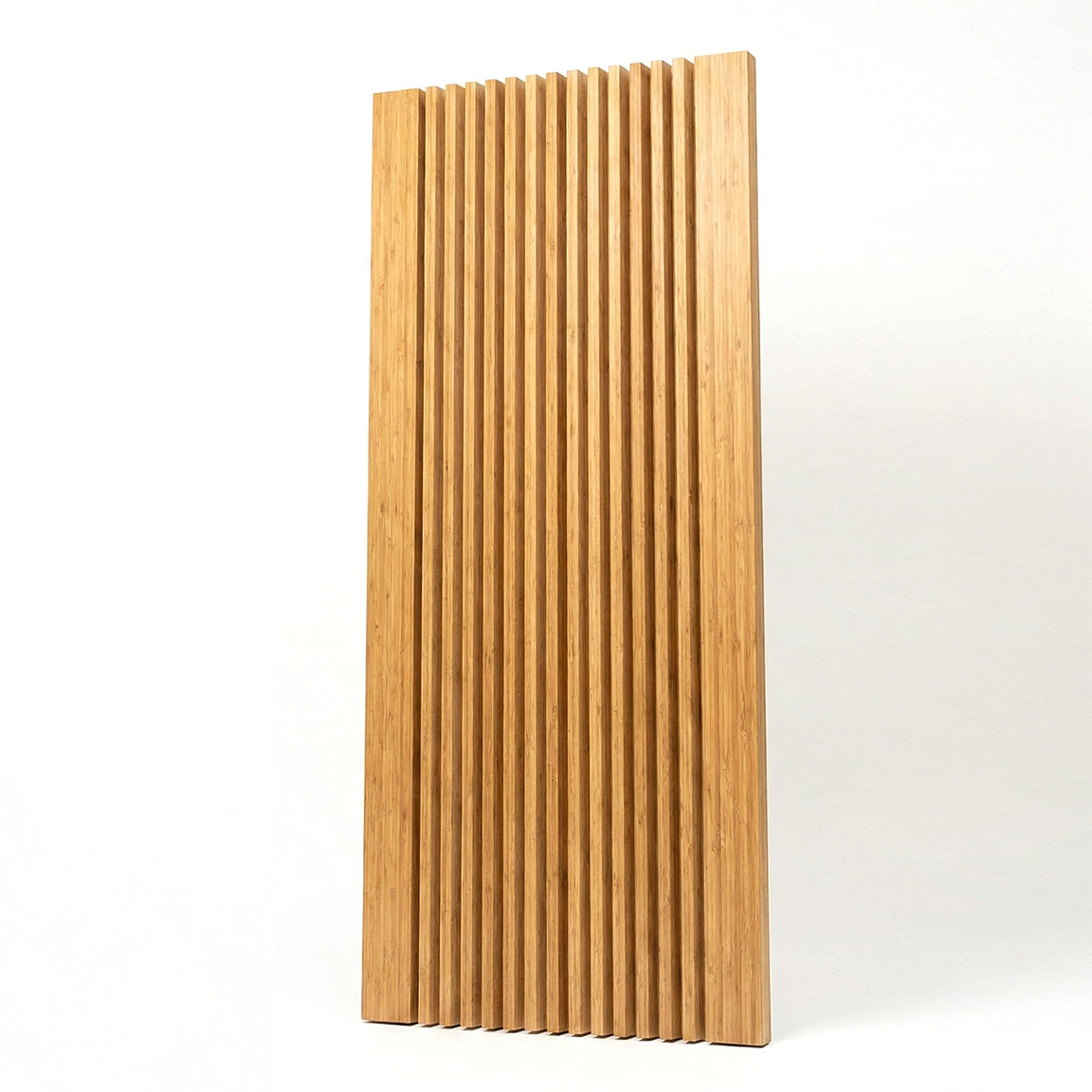
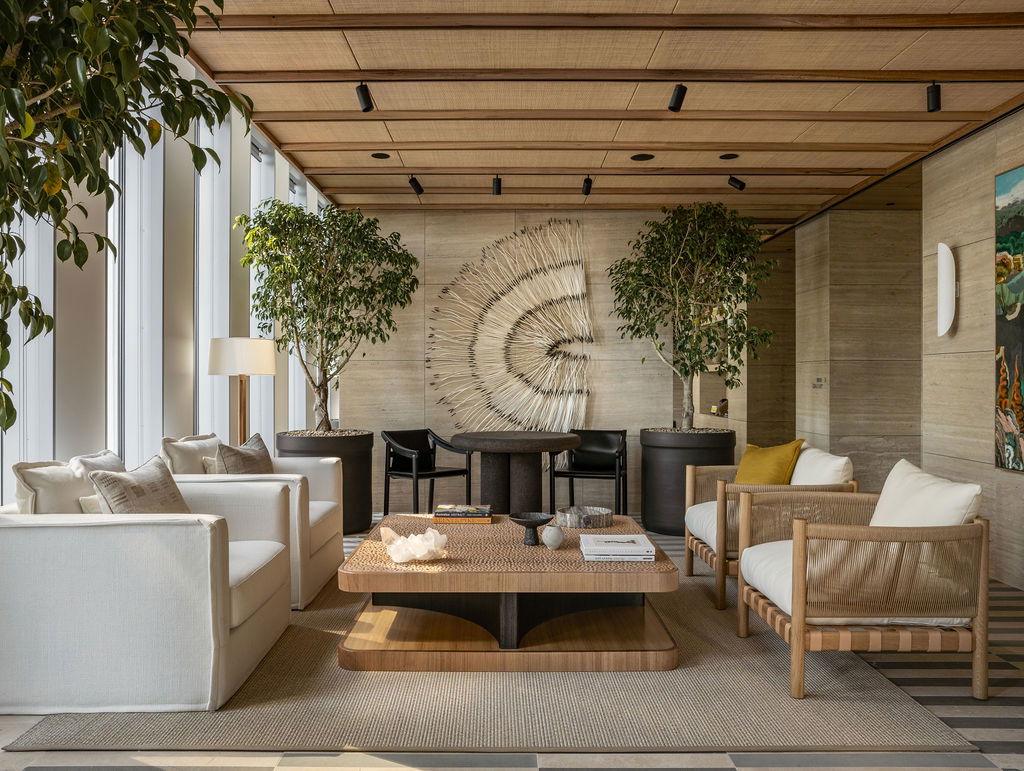
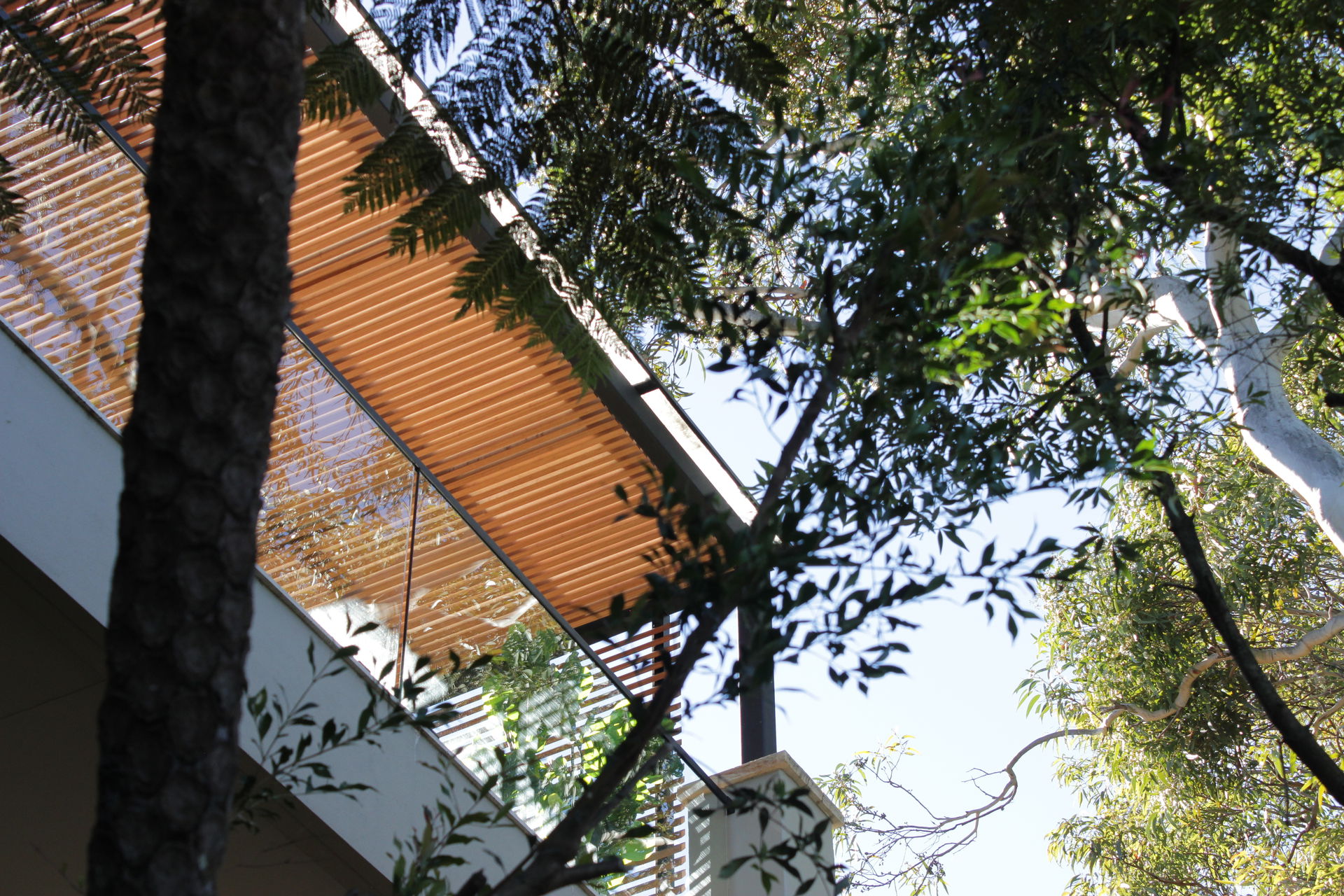
The range spans structural and architectural applications. Engineered bamboo beams and lumber are specified for load-bearing elements, including structural framing in bamboo-built projects. Architectural plywood is used for cabinetry, joinery, fitted furniture, wall linings and commercial fit-outs – anywhere you need a stable engineered panel that machines and finishes like solid wood. Veneer is applied to doors, panels, furniture and wall surfaces where you want the natural bamboo look without the cost or weight of solid bamboo. Between the three formats, the range covers everything from a structural beam to a kitchen cabinet door.
The range spans structural and architectural applications. Engineered bamboo beams and lumber are specified for load-bearing elements, including structural framing in bamboo-built projects. Architectural plywood is used for cabinetry, joinery, fitted furniture, wall linings and commercial fit-outs – anywhere you need a stable engineered panel that machines and finishes like solid wood. Veneer is applied to doors, panels, furniture and wall surfaces where you want the natural bamboo look without the cost or weight of solid bamboo. Between the three formats, the range covers everything from a structural beam to a kitchen cabinet door.
For many applications, yes. Engineered bamboo ply holds up well against timber ply for joinery and cabinetry, without the voids or inconsistent grain that can turn up in standard plywood, and it machines using the same woodworking techniques joiners already use. Bamboo's rapid growth cycle, reaching maturity in four to five years against decades for hardwood, also makes it a more sustainable and often more cost-effective option for the same jobs. That said, it's best understood as sitting alongside timber rather than replacing it outright. As Professor Mahmud Ashraf of Deakin University, who has tested our laminated bamboo beams, puts it: "It's not about needing to replacing timber, it's about expanding what's possible in regenerative design."
For many applications, yes. Engineered bamboo ply holds up well against timber ply for joinery and cabinetry, without the voids or inconsistent grain that can turn up in standard plywood, and it machines using the same woodworking techniques joiners already use. Bamboo's rapid growth cycle, reaching maturity in four to five years against decades for hardwood, also makes it a more sustainable and often more cost-effective option for the same jobs. That said, it's best understood as sitting alongside timber rather than replacing it outright. As Professor Mahmud Ashraf of Deakin University, who has tested our laminated bamboo beams, puts it: "It's not about needing to replacing timber, it's about expanding what's possible in regenerative design."
Yes. Our engineered bamboo veneer is FSC and Global GreenTag aligned, and our laminated, strand-woven and structural engineered bamboo products are backed by 3 separate Environmental Product Declarations and independent testing. On the structural side, we've worked directly with Professor Mahmud Ashraf and Deakin University's Engineered Timber Structures Research Group, who independently tested our laminated bamboo beams. His testing programme covers compression strength, tensile capacity, shear resistance and long-term durability, using the same rigorous protocols applied to structural timber and engineered wood products. Deakin's testing of glued laminated bamboo specimens has consistently recorded compressive strength above 50 MPa, the benchmark needed for higher-strength structural applications. This research, and the ongoing push for a bamboo-specific structural framework in Australia, gives specifiers evidence-based data rather than manufacturer claims alone.
Yes. Our engineered bamboo veneer is FSC and Global GreenTag aligned, and our laminated, strand-woven and structural engineered bamboo products are backed by 3 separate Environmental Product Declarations and independent testing. On the structural side, we've worked directly with Professor Mahmud Ashraf and Deakin University's Engineered Timber Structures Research Group, who independently tested our laminated bamboo beams. His testing programme covers compression strength, tensile capacity, shear resistance and long-term durability, using the same rigorous protocols applied to structural timber and engineered wood products. Deakin's testing of glued laminated bamboo specimens has consistently recorded compressive strength above 50 MPa, the benchmark needed for higher-strength structural applications. This research, and the ongoing push for a bamboo-specific structural framework in Australia, gives specifiers evidence-based data rather than manufacturer claims alone.
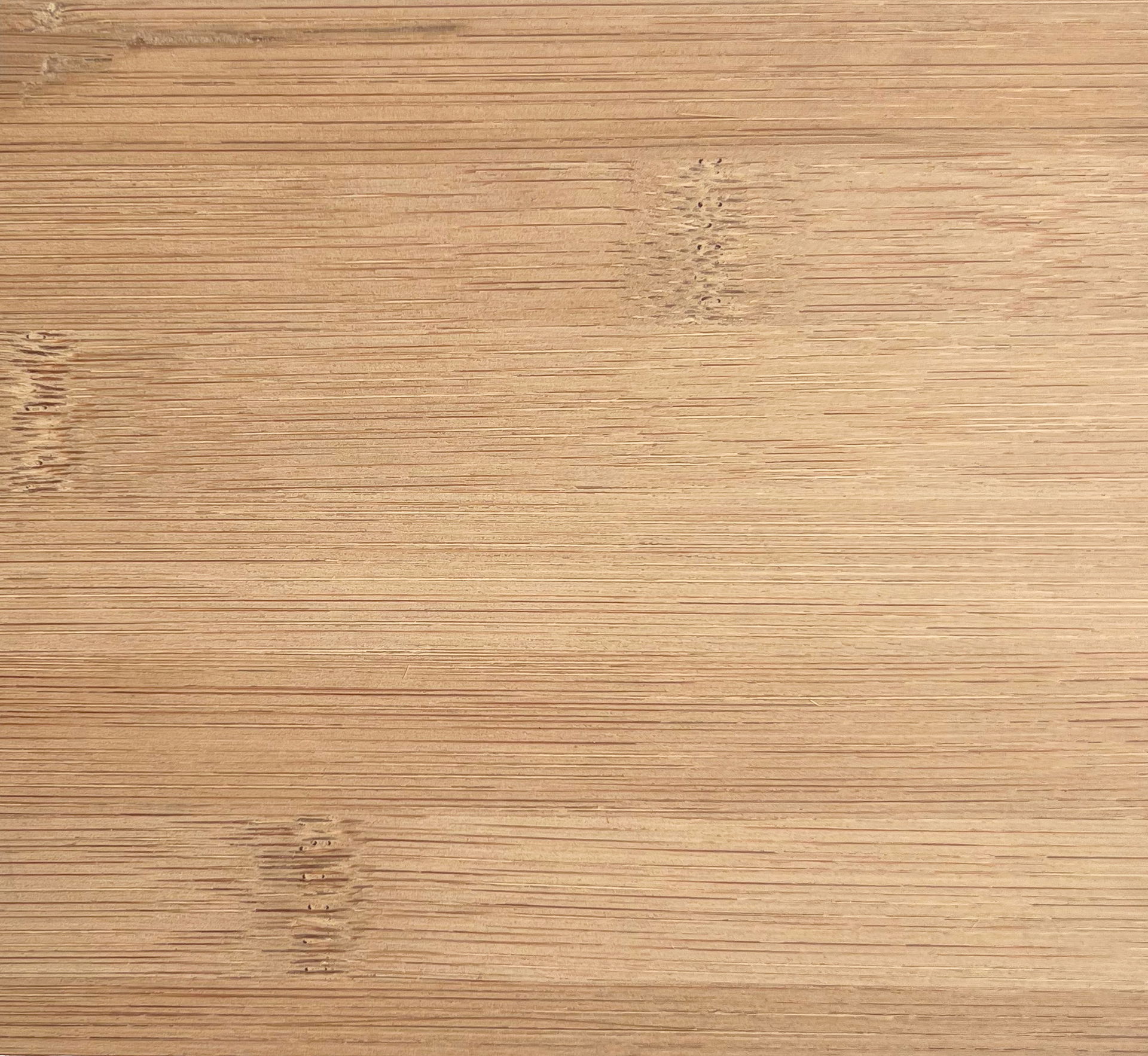
Yes, genuinely so, because it is a natural wood-fibre material rather than an imitation. Bamboo's natural grain reads differently to conventional hardwood, with visible nodes and a more linear pattern in ply and horizontal or vertical veneer cuts, or a richer, more textural look in strand woven and carbonised finishes. It's available in multiple grain expressions and both natural and carbonised (darker) tones, so you can select a finish closer to a pale European oak or a deeper walnut-like tone, depending on the brief.
Yes, genuinely so, because it is a natural wood-fibre material rather than an imitation. Bamboo's natural grain reads differently to conventional hardwood, with visible nodes and a more linear pattern in ply and horizontal or vertical veneer cuts, or a richer, more textural look in strand woven and carbonised finishes. It's available in multiple grain expressions and both natural and carbonised (darker) tones, so you can select a finish closer to a pale European oak or a deeper walnut-like tone, depending on the brief.
Yes. We supply architects, builders and developers across residential, commercial, hospitality and institutional projects, and our engineered structural beams, ply and veneer are specified at a commercial scale, including full building fit-outs and structural framing elements. Our work with Deakin University on independently testing our laminated bamboo beams and our EPDs support the confidence engineers and certifiers need when specifying bamboo on larger, higher-stakes projects.
Yes. We supply architects, builders and developers across residential, commercial, hospitality and institutional projects, and our engineered structural beams, ply and veneer are specified at a commercial scale, including full building fit-outs and structural framing elements. Our work with Deakin University on independently testing our laminated bamboo beams and our EPDs support the confidence engineers and certifiers need when specifying bamboo on larger, higher-stakes projects.
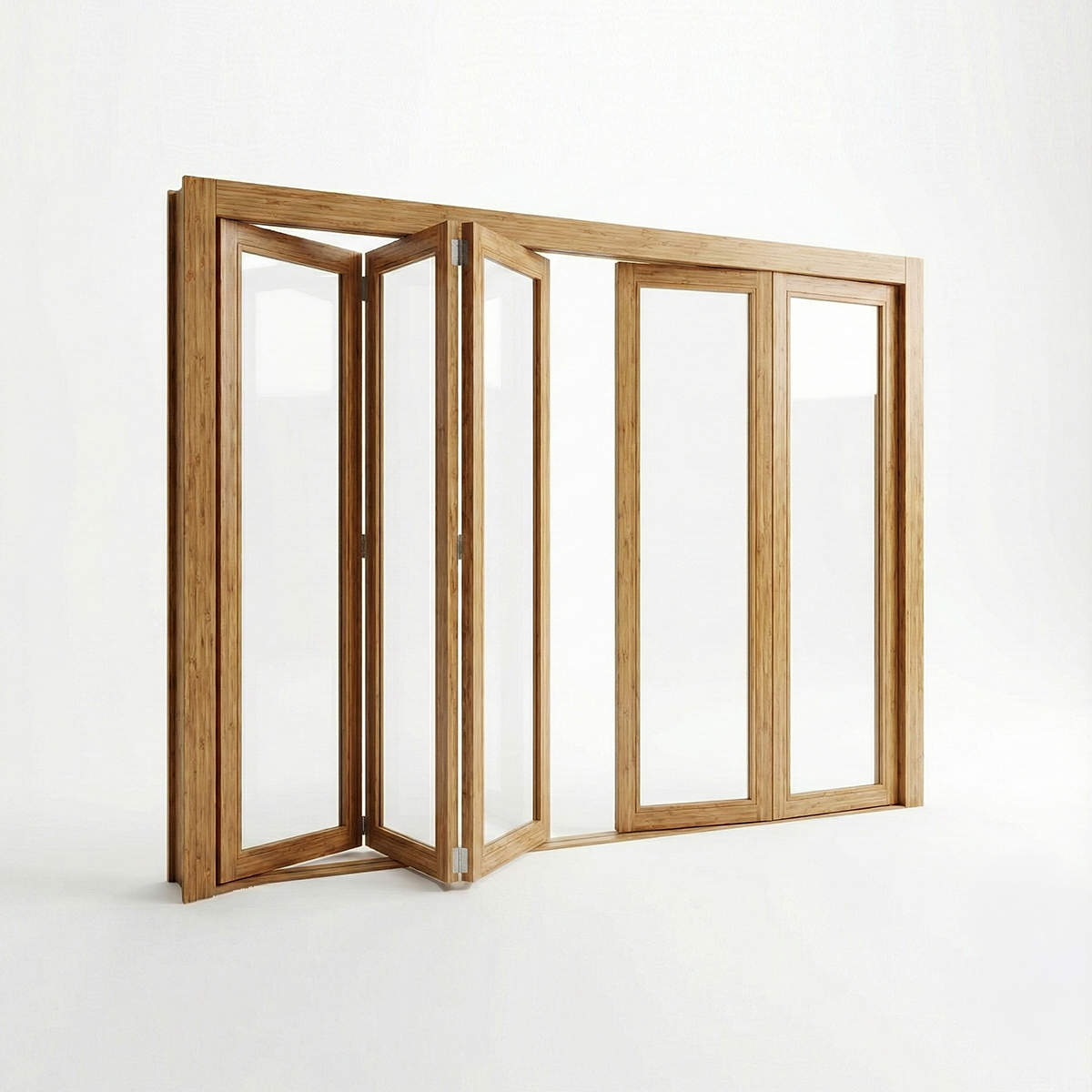
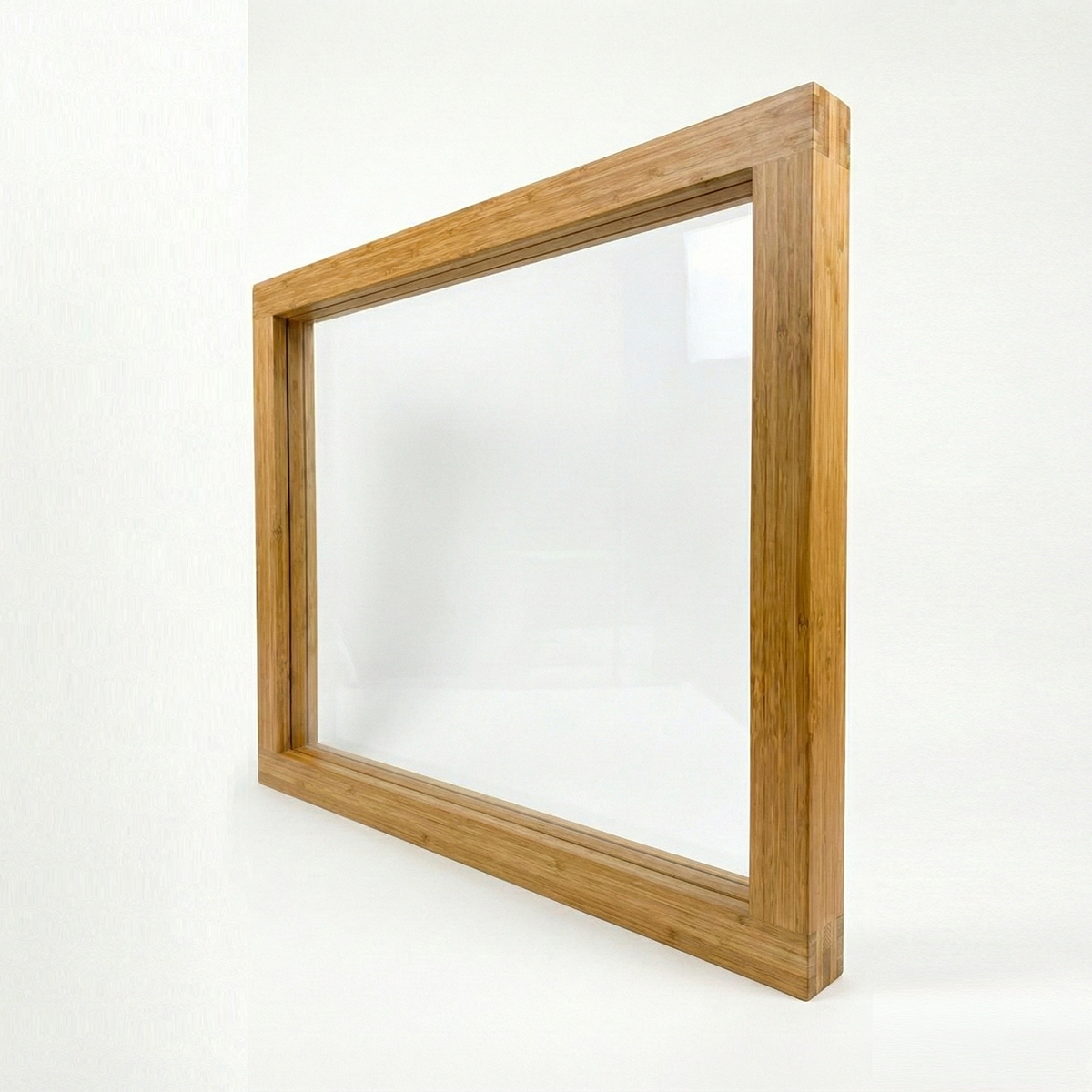
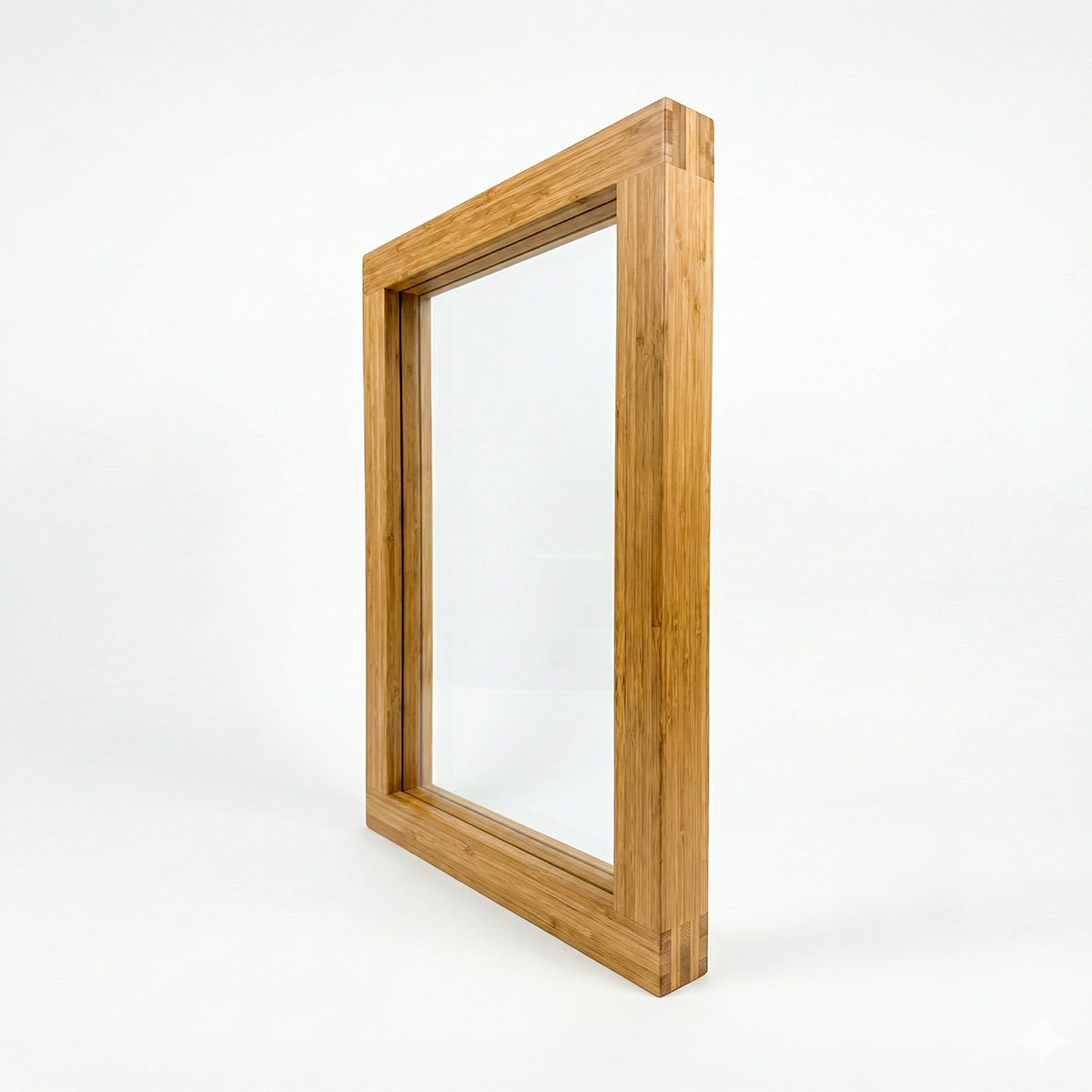
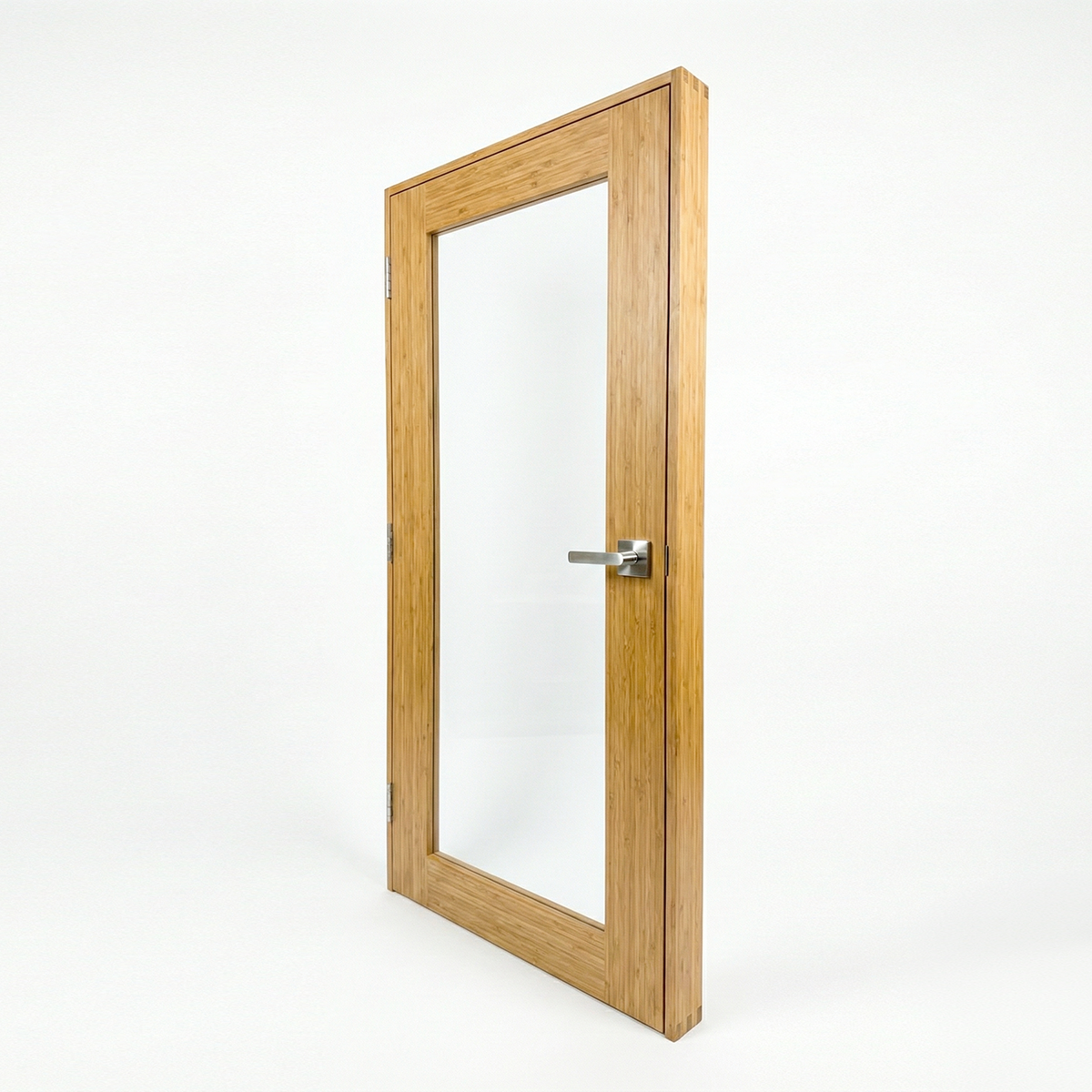
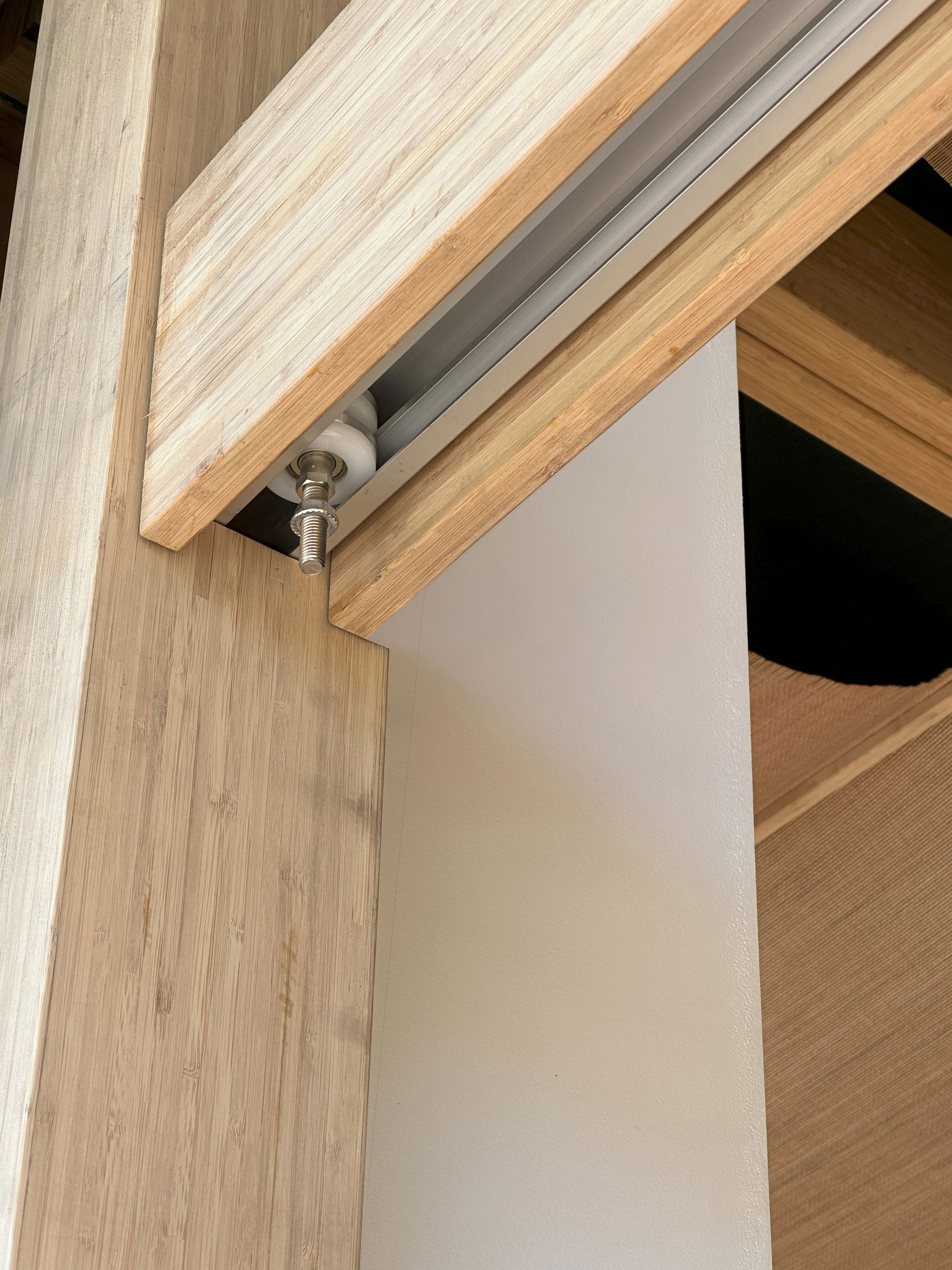
Both. We offer prefabricated frame and beam components for straightforward specification and faster install, and we also work with a wide range of architects and designers to create unique, bespoke designs and one-off requests, from custom door and window frames through to fully bespoke joinery and structural elements. For commercial projects, our team supports design teams directly with drawings, technical specifications and data requests, so architects and specifiers have what they need for documentation, certification and approvals.
Both. We offer prefabricated frame and beam components for straightforward specification and faster install, and we also work with a wide range of architects and designers to create unique, bespoke designs and one-off requests, from custom door and window frames through to fully bespoke joinery and structural elements. For commercial projects, our team supports design teams directly with drawings, technical specifications and data requests, so architects and specifiers have what they need for documentation, certification and approvals.