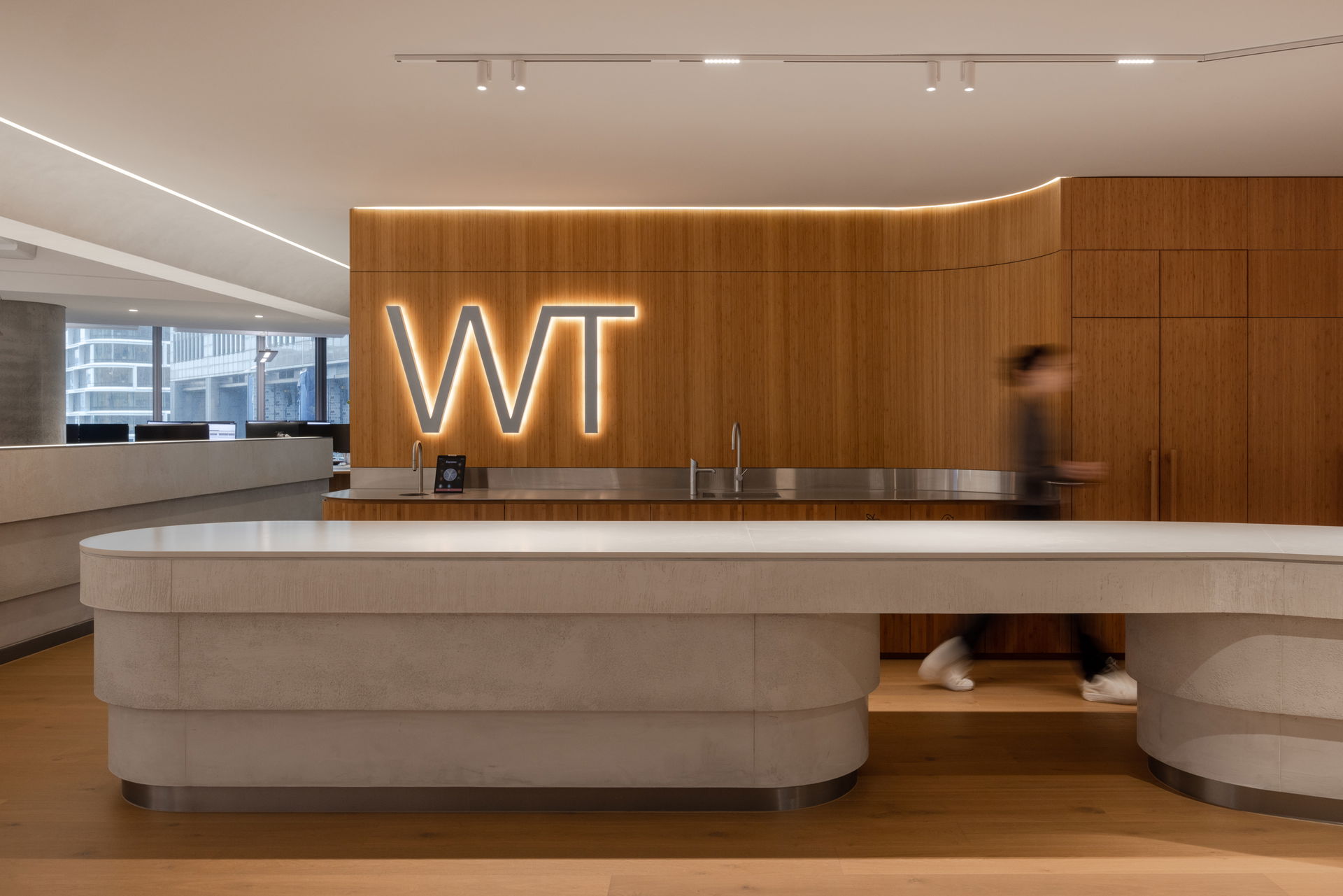
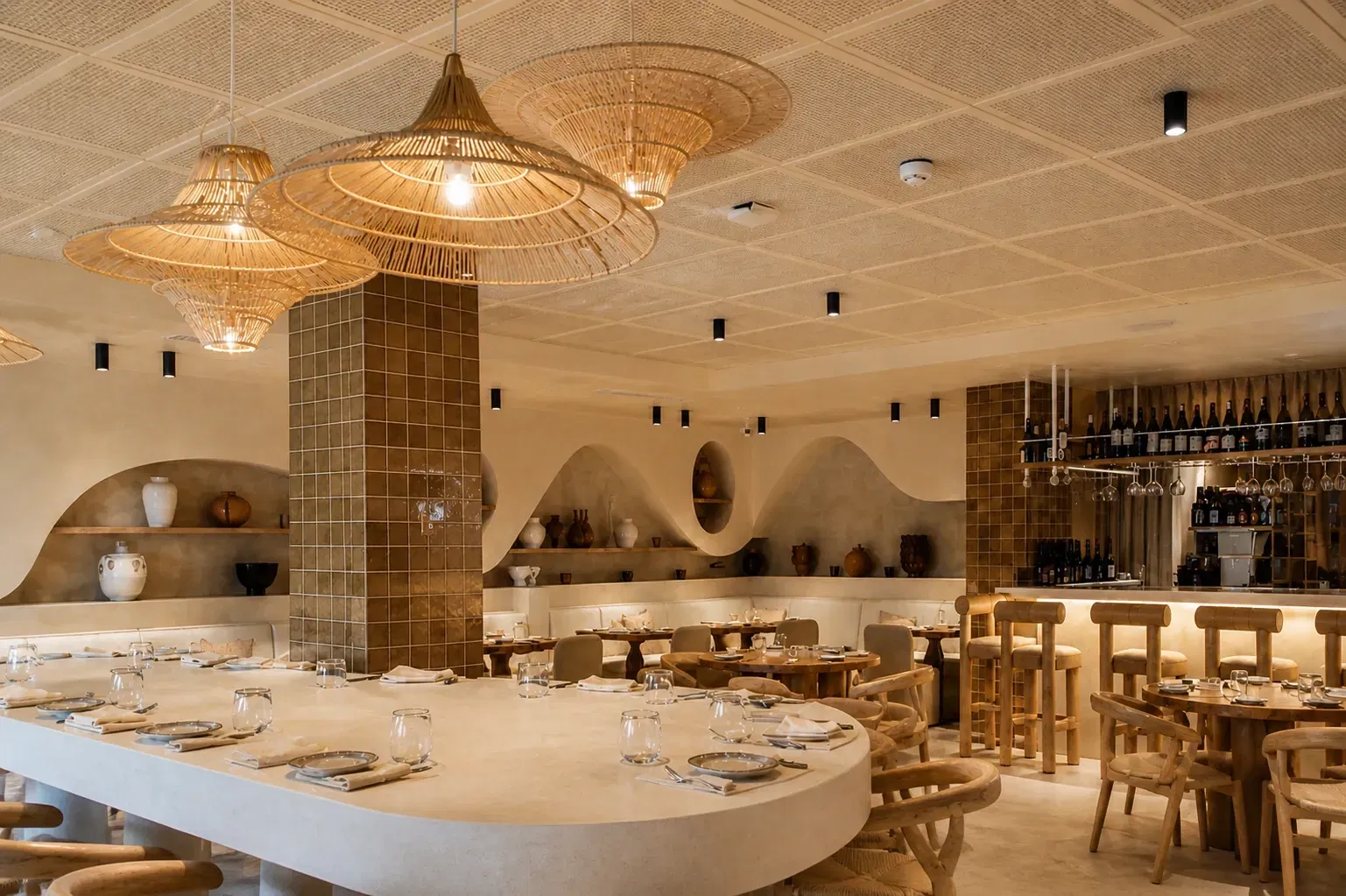
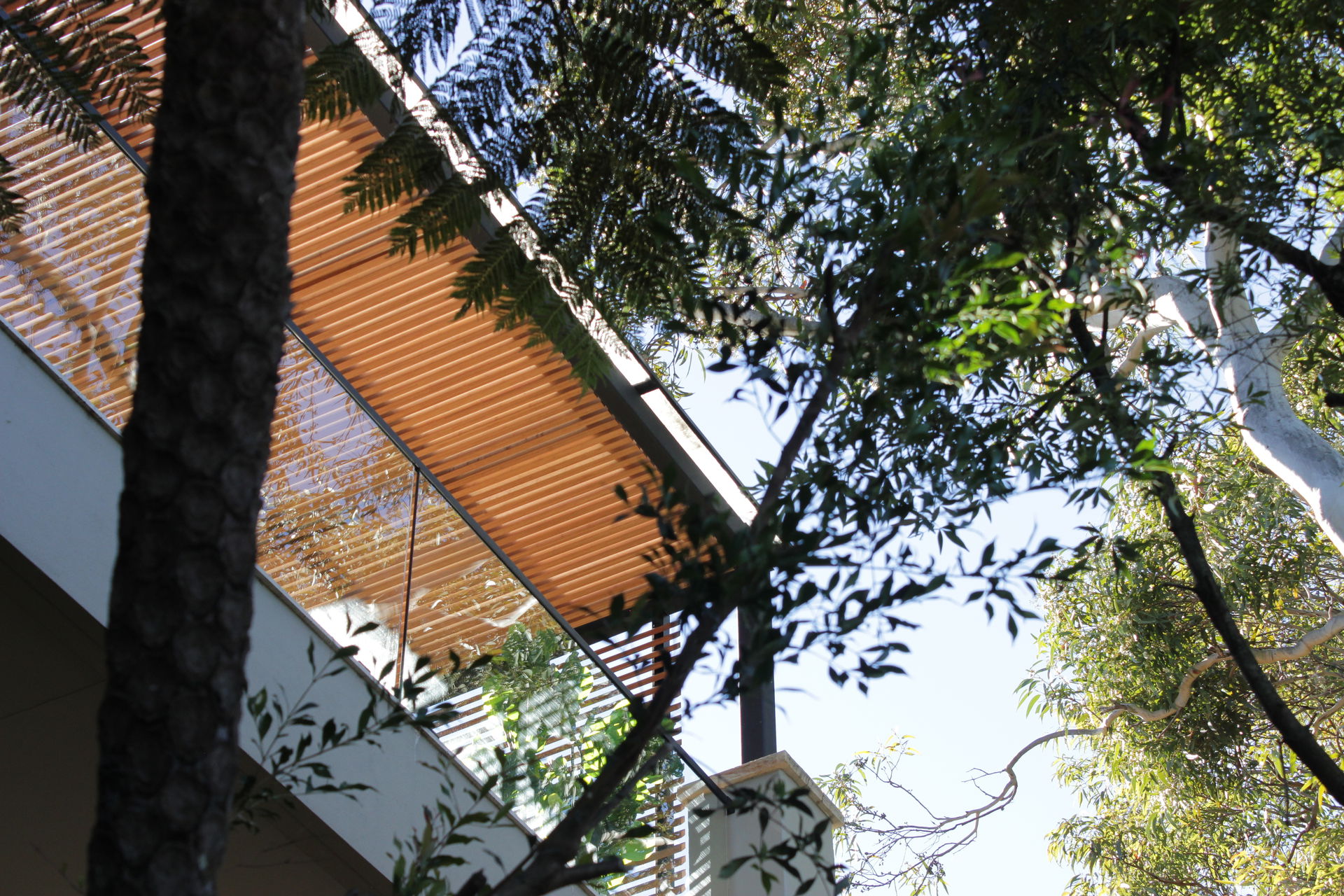
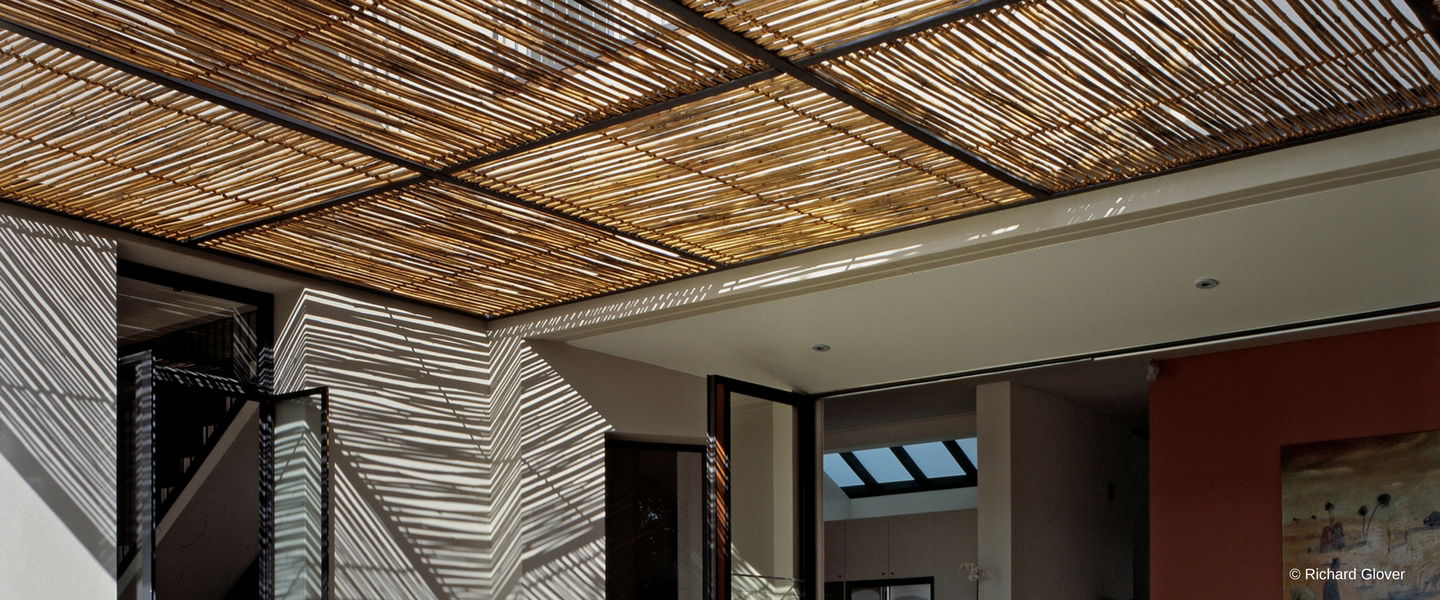
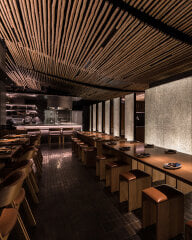
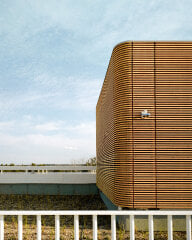
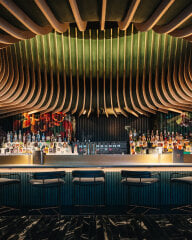
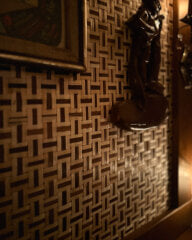
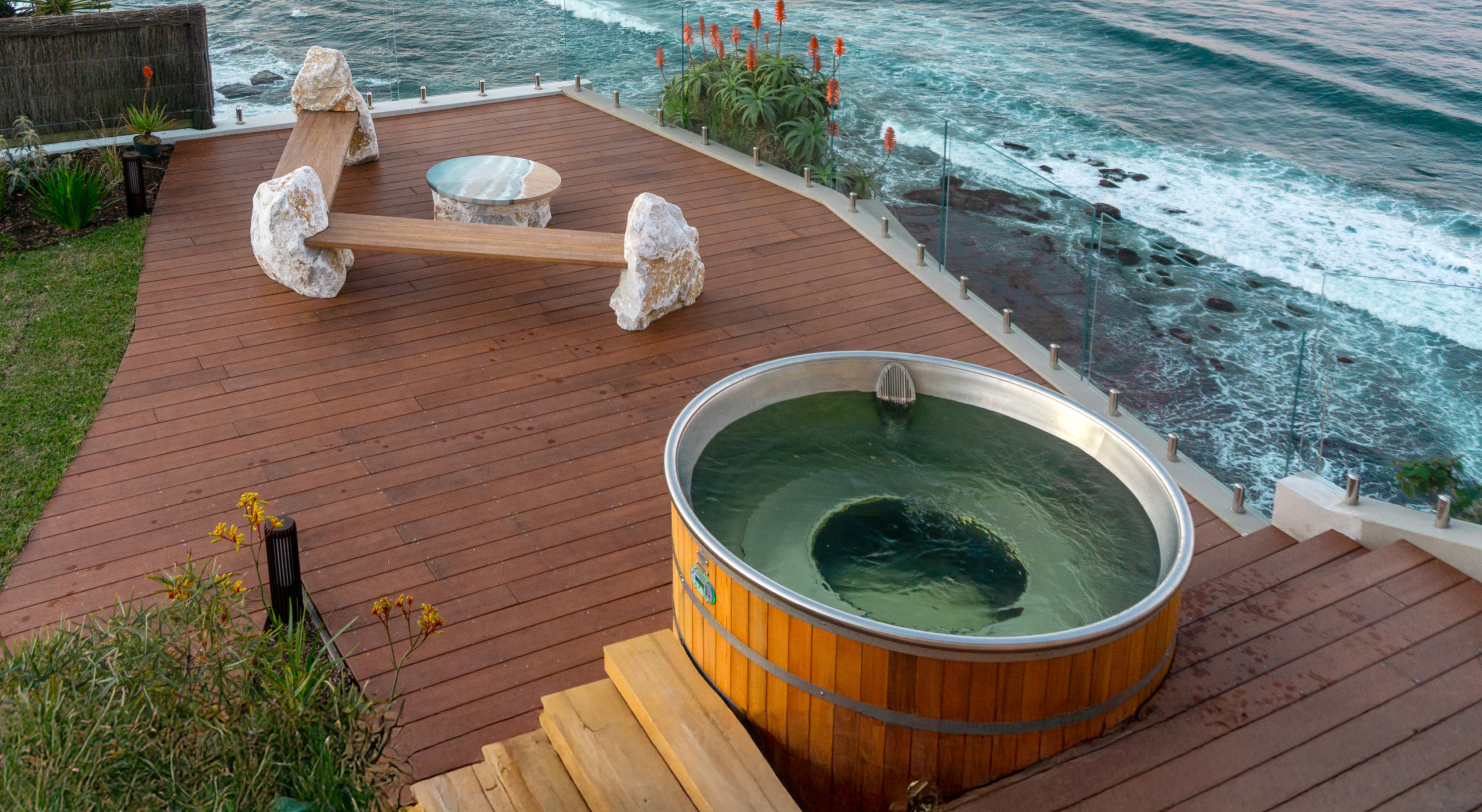
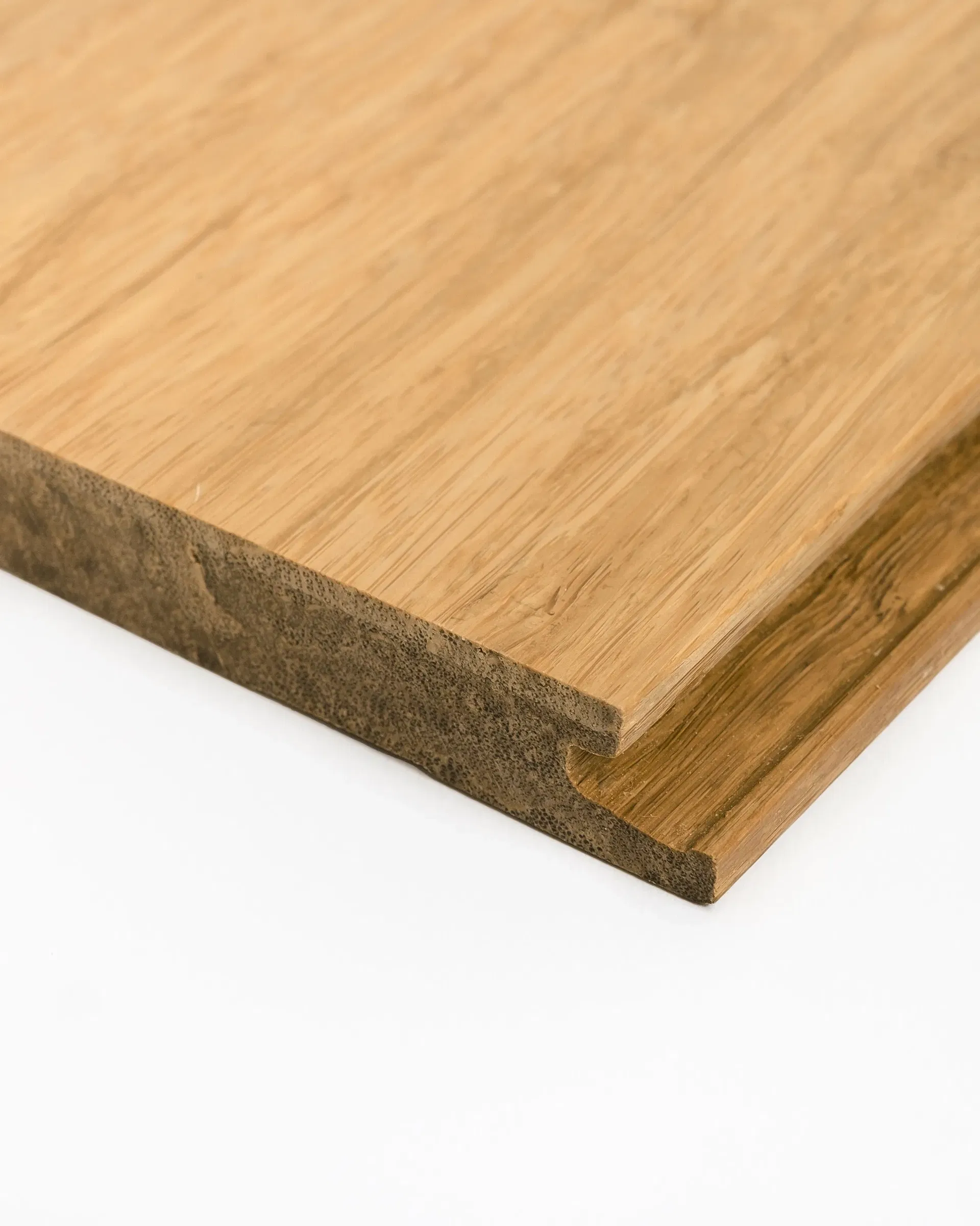
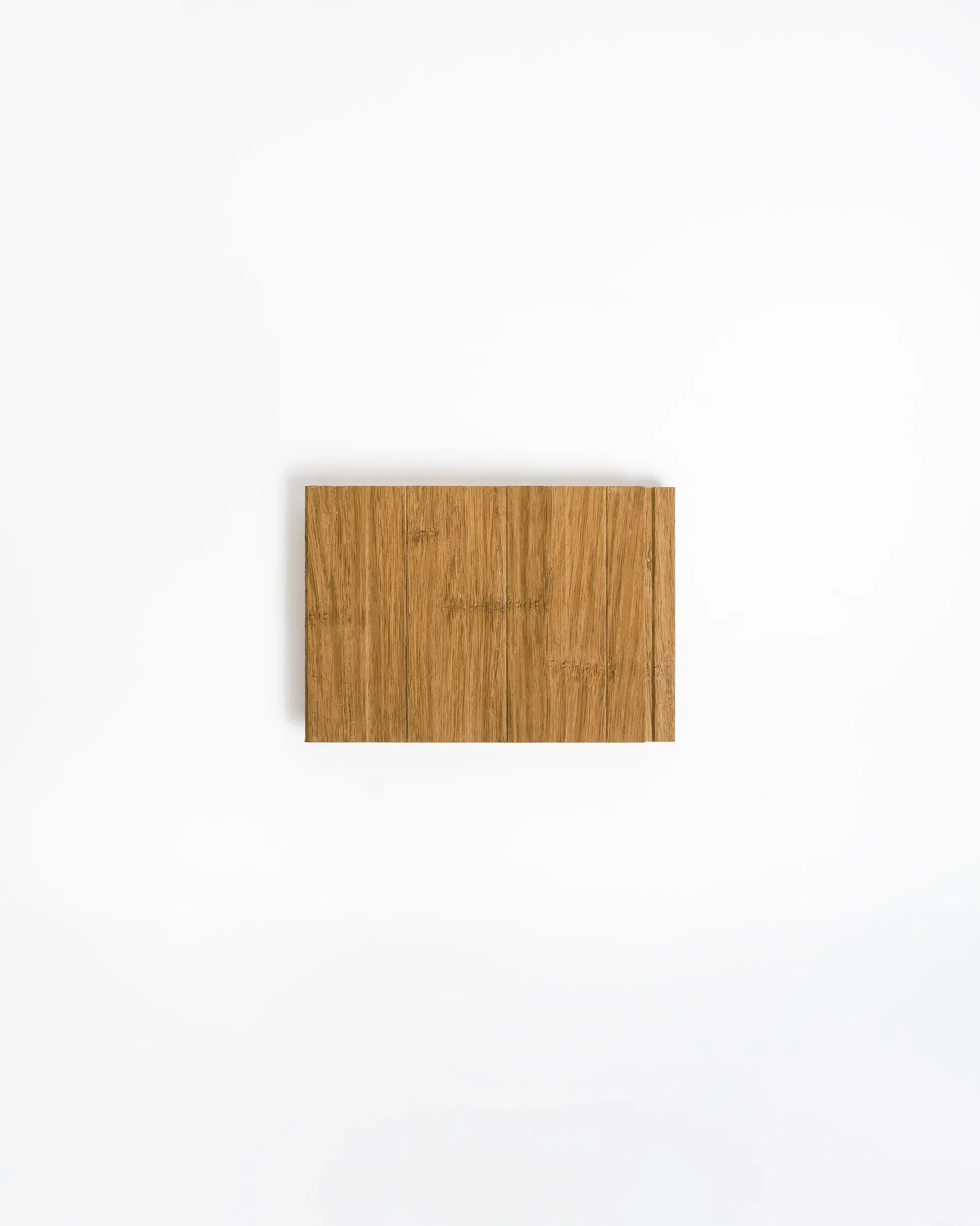
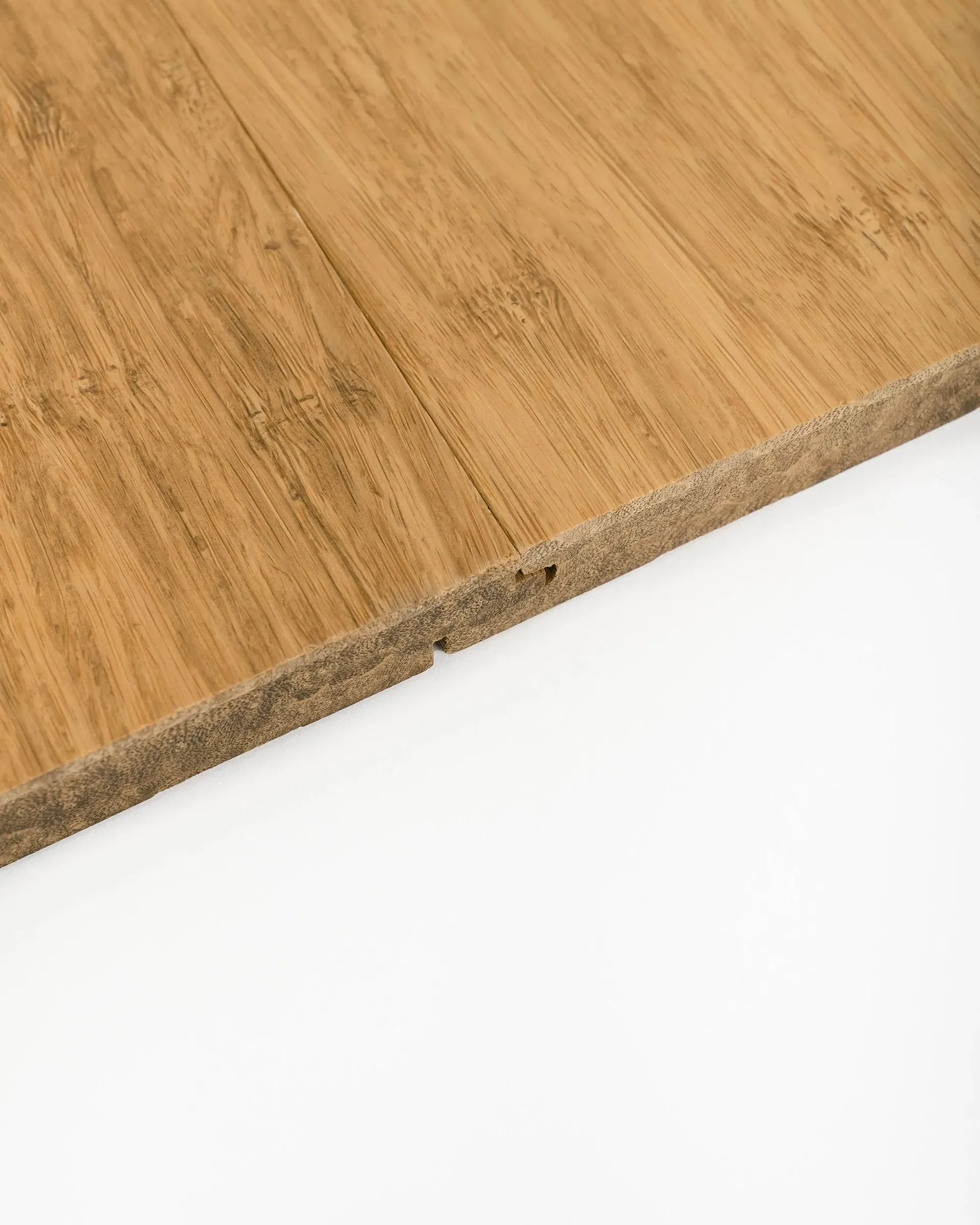
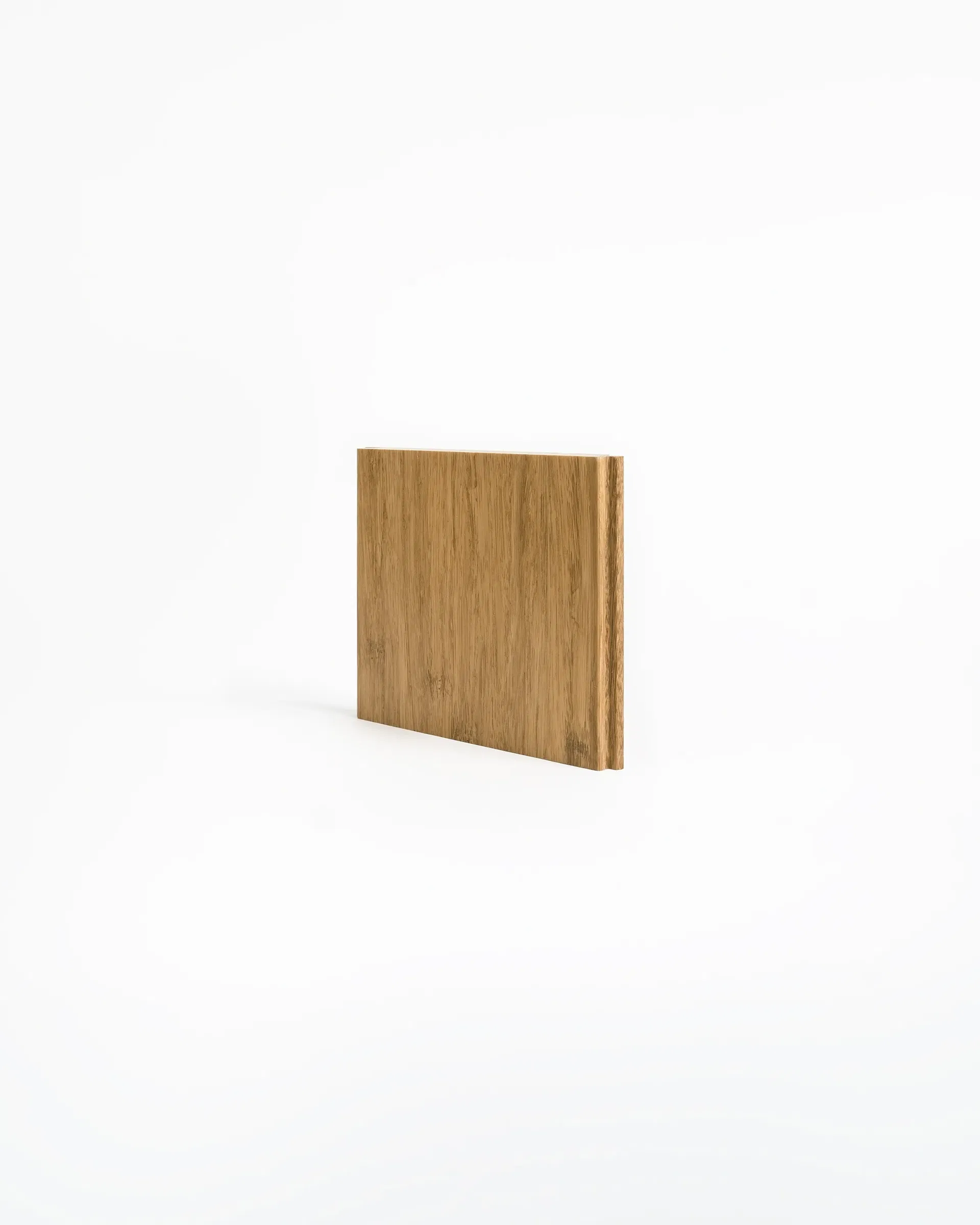
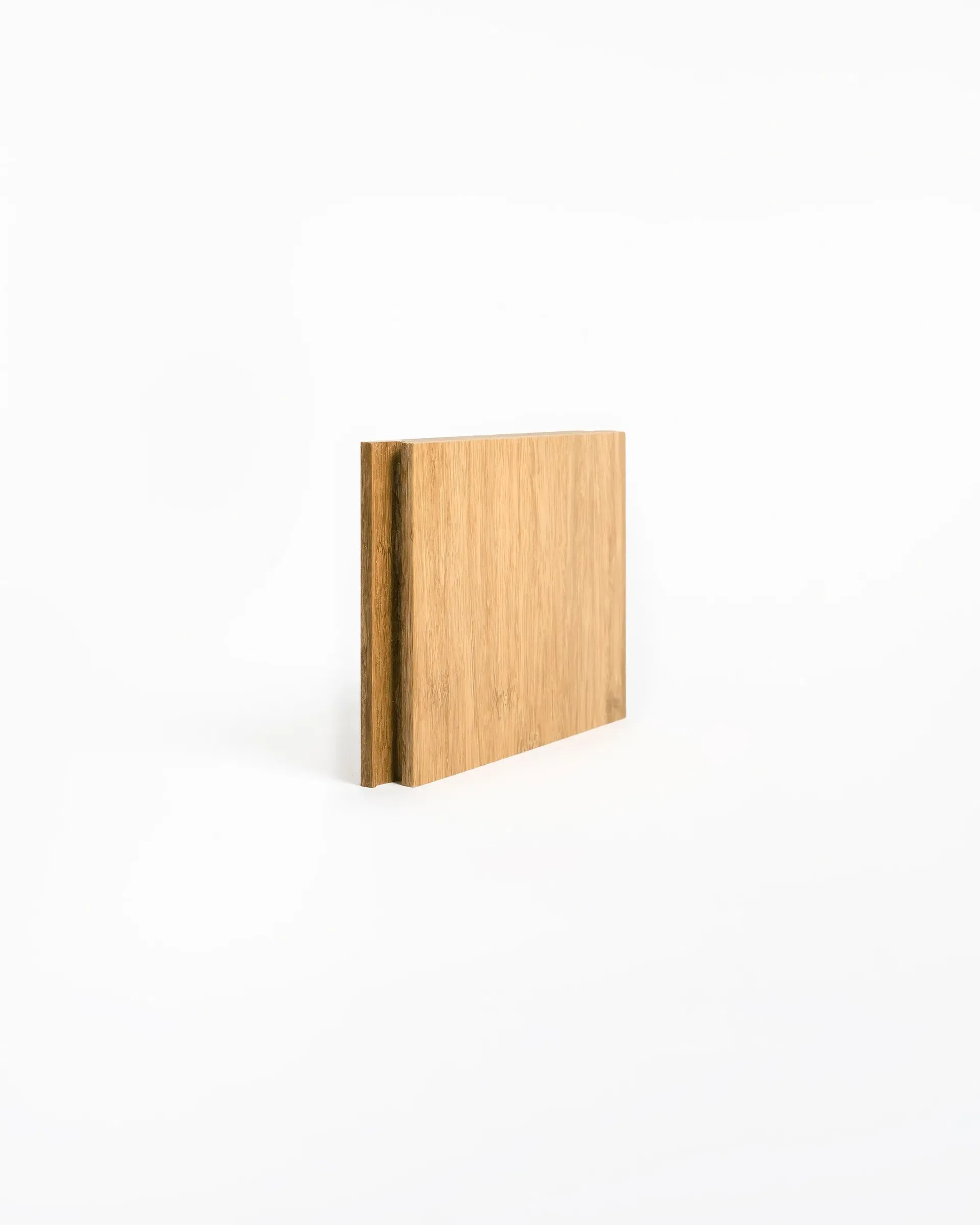
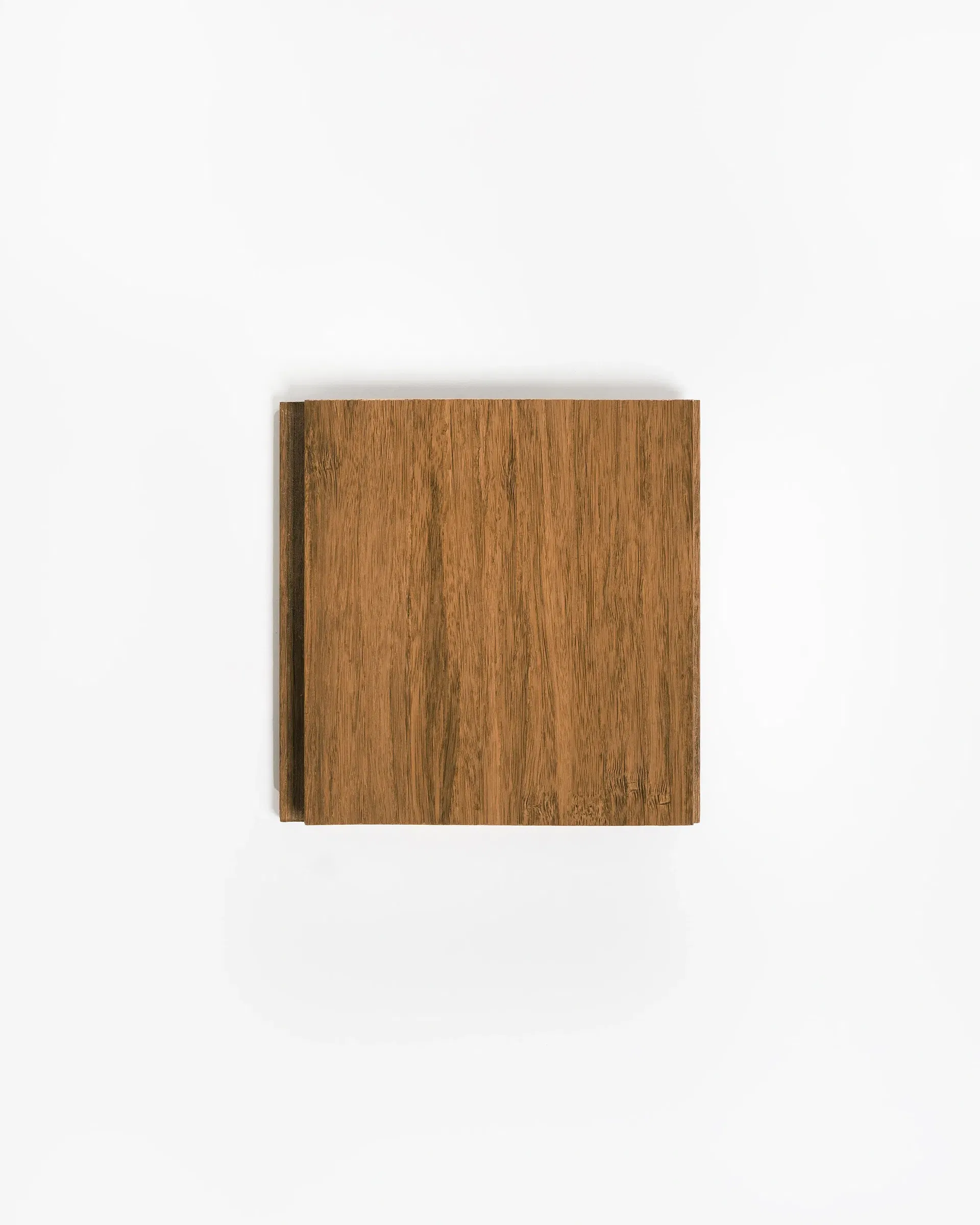
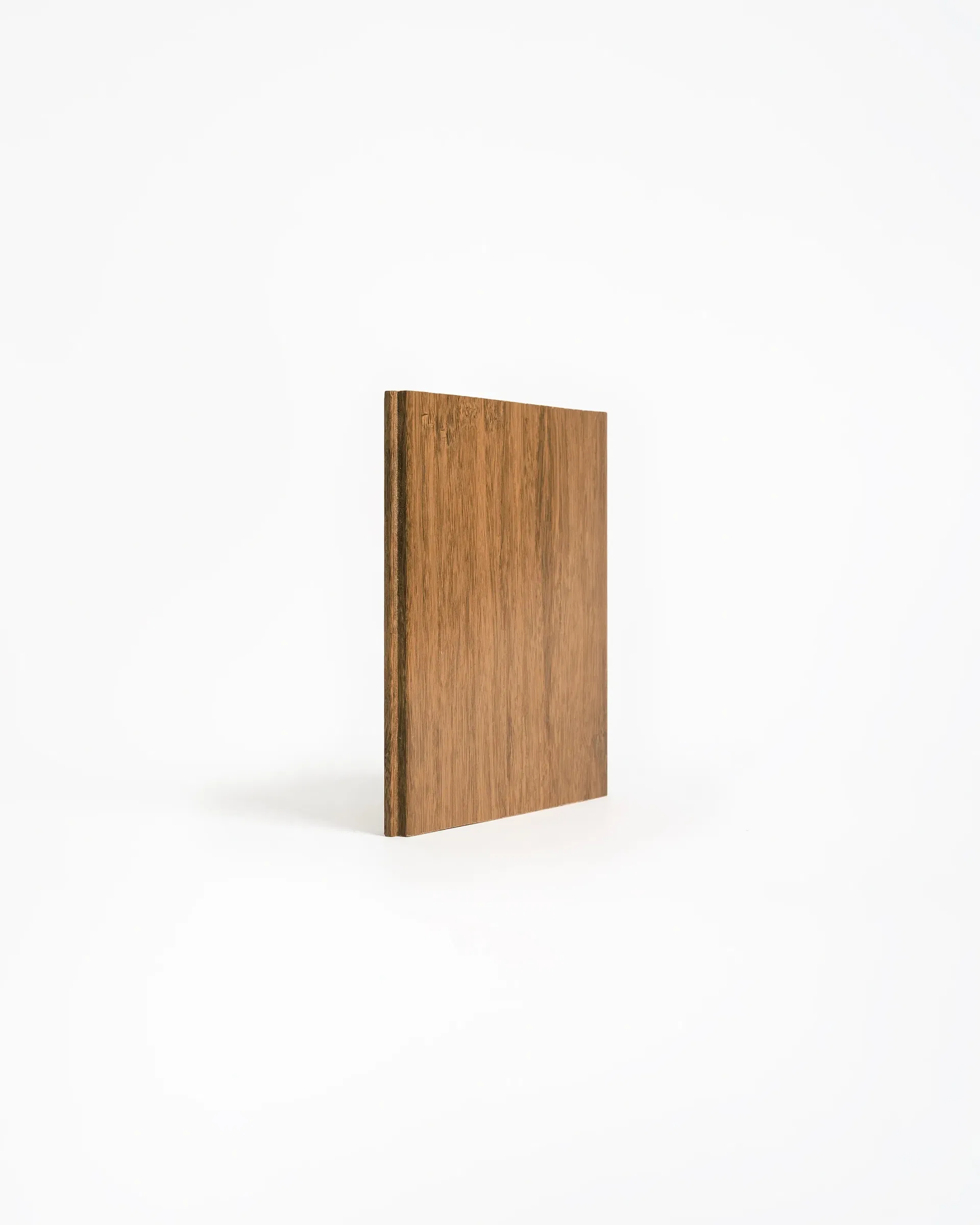
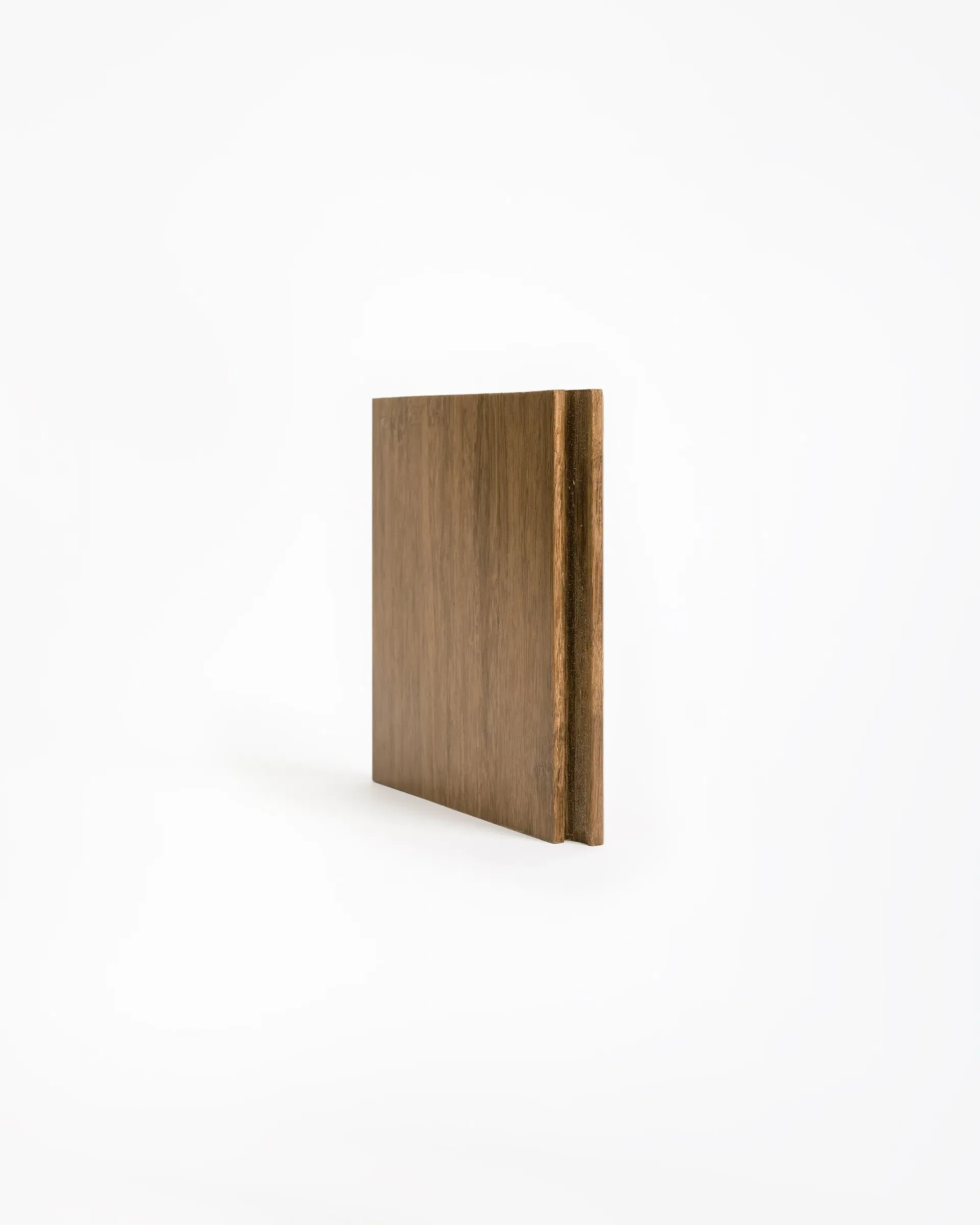
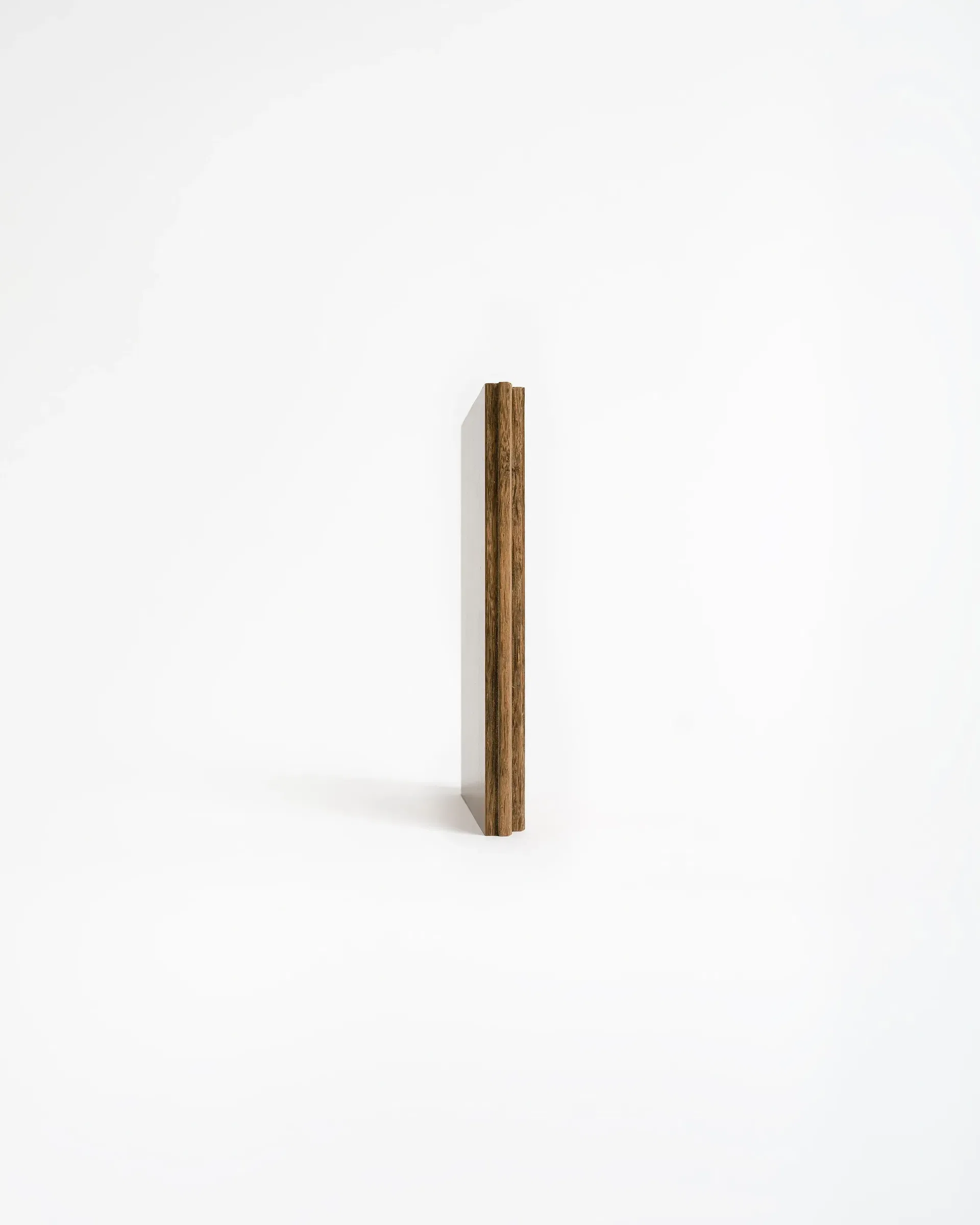
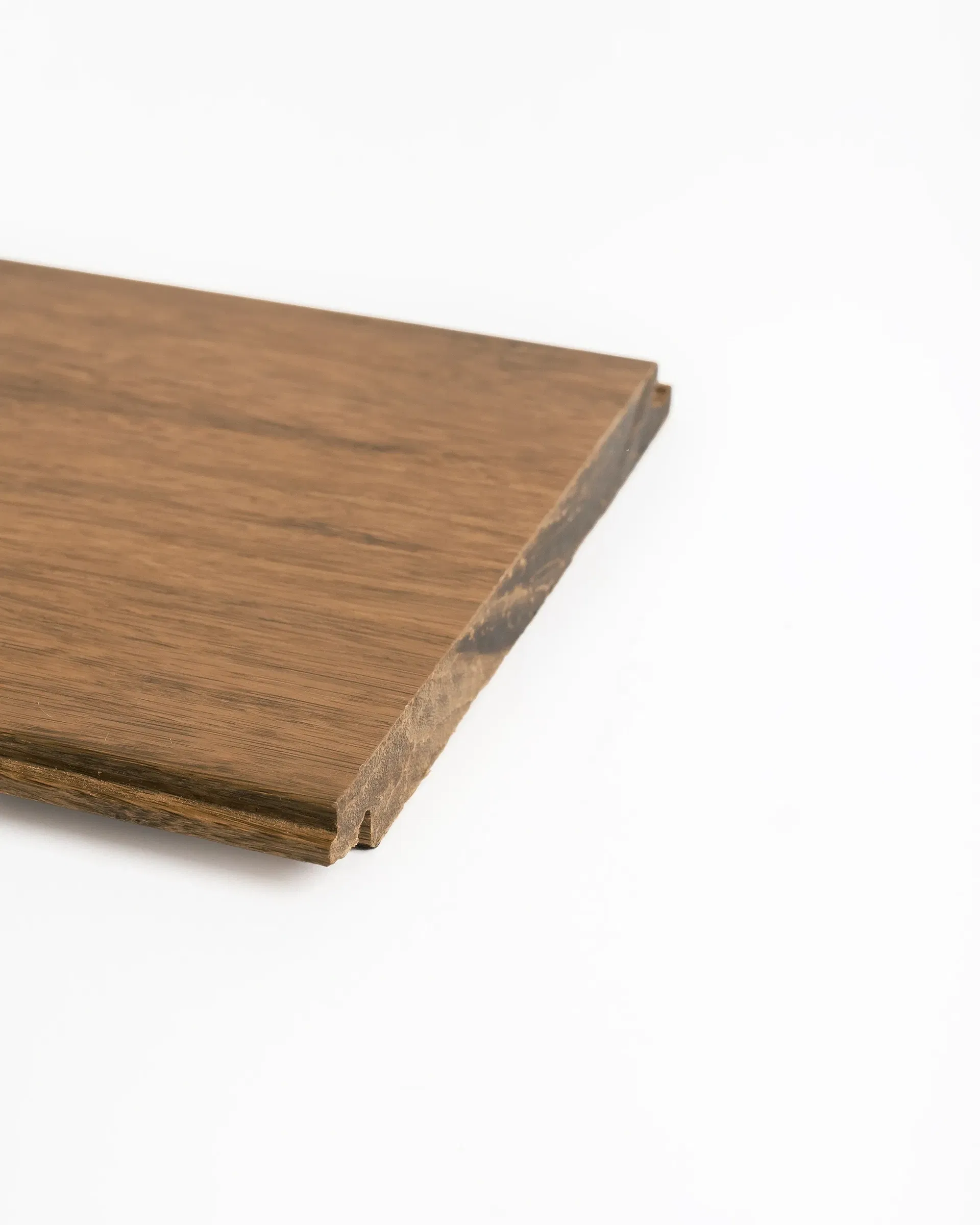
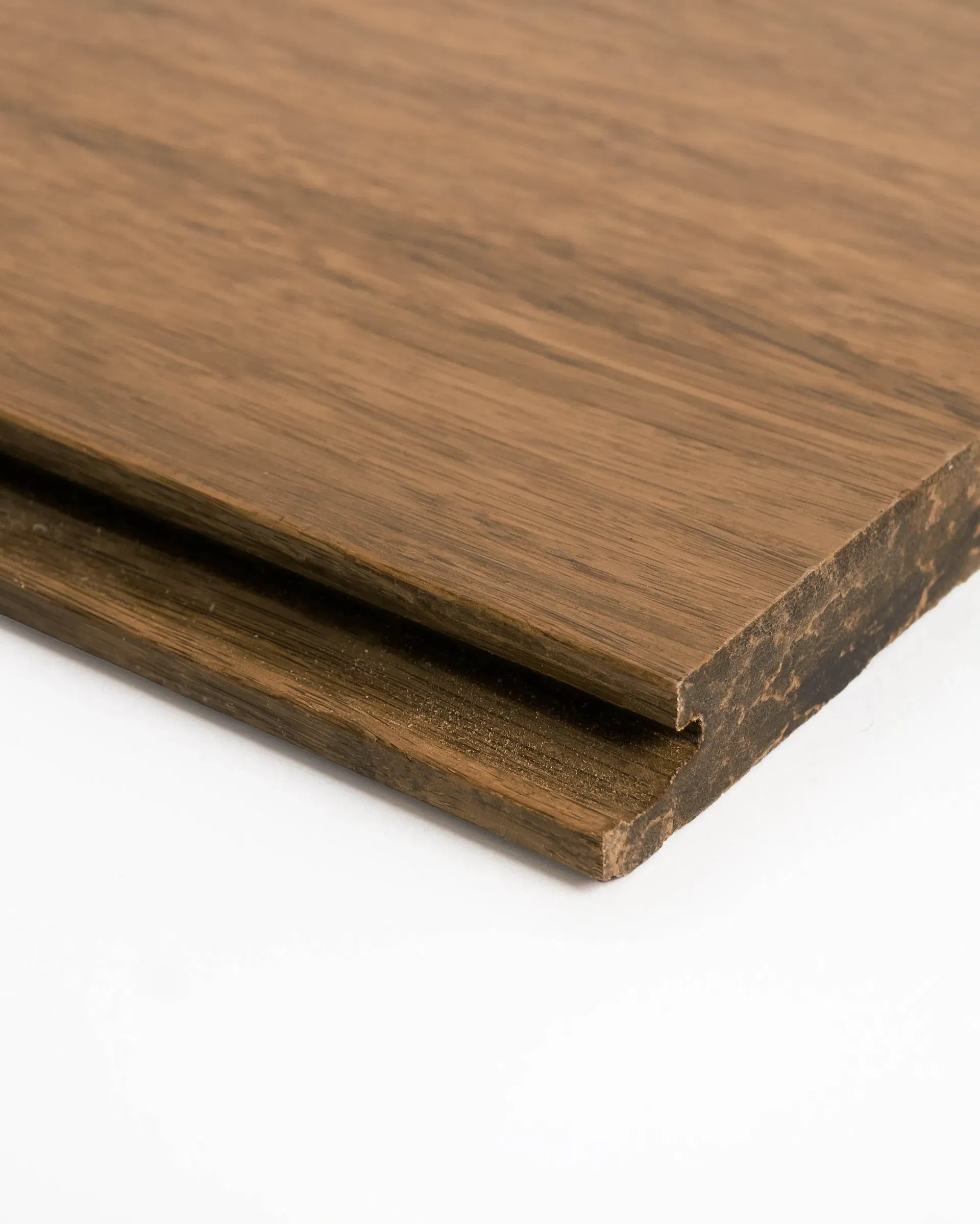
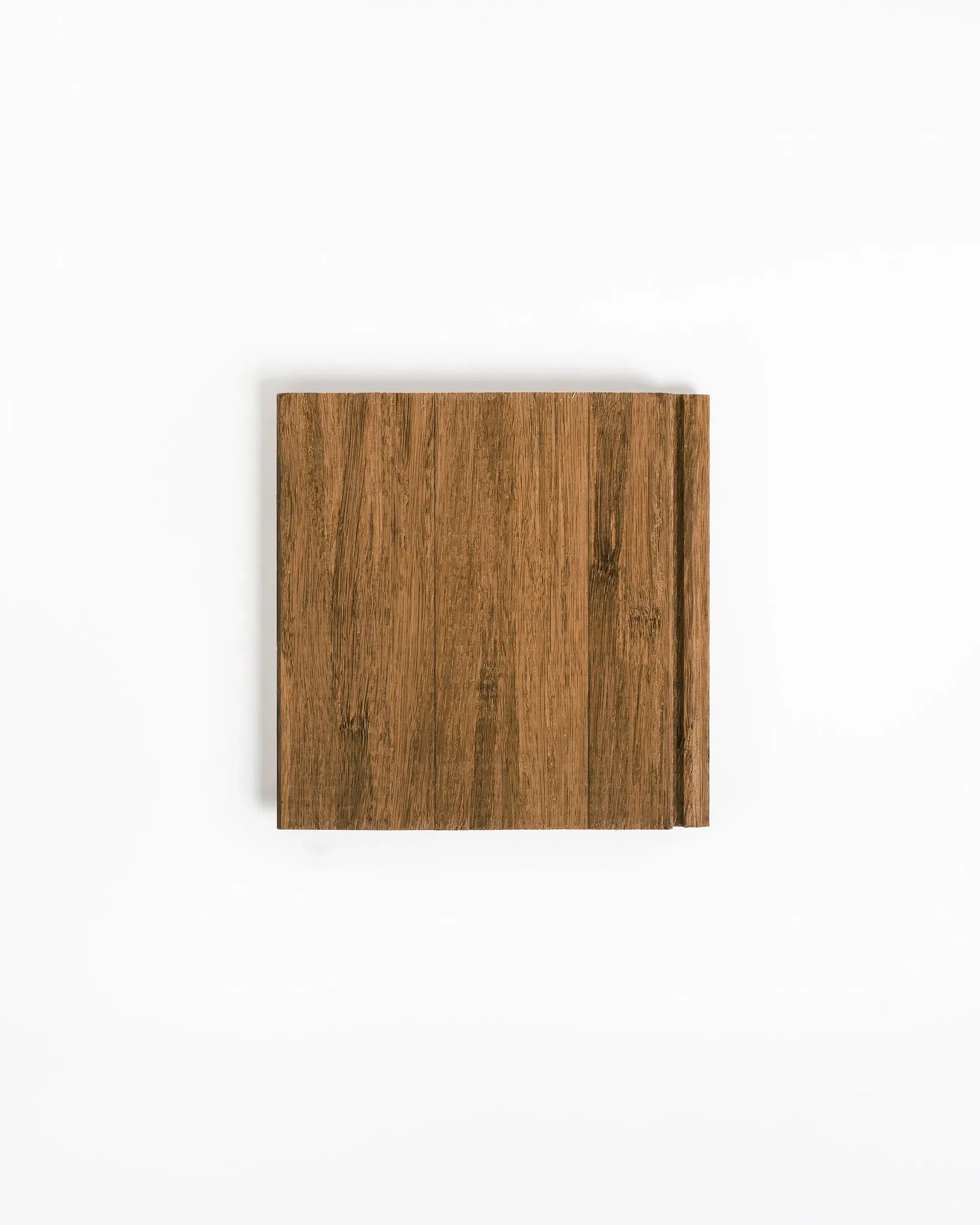
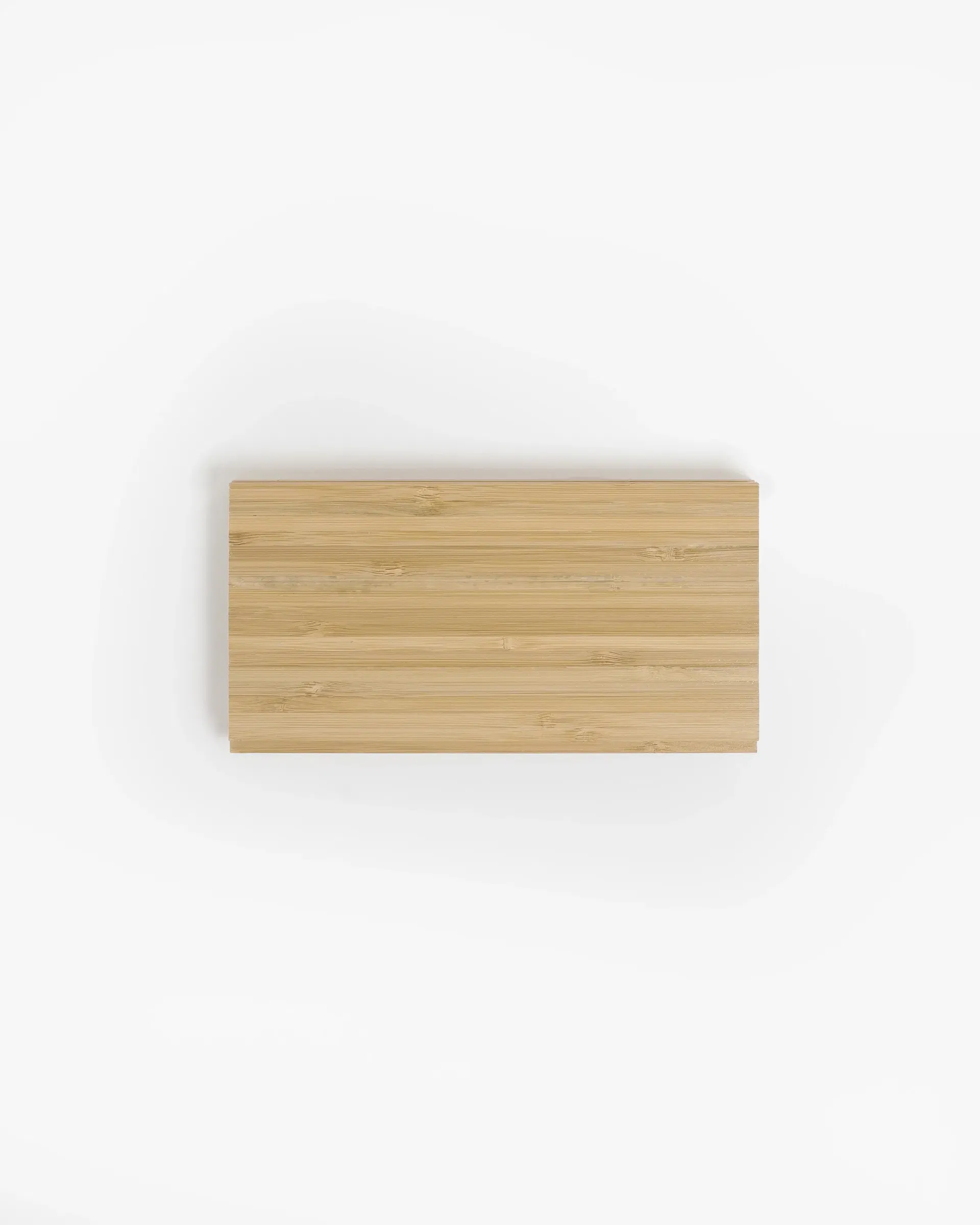
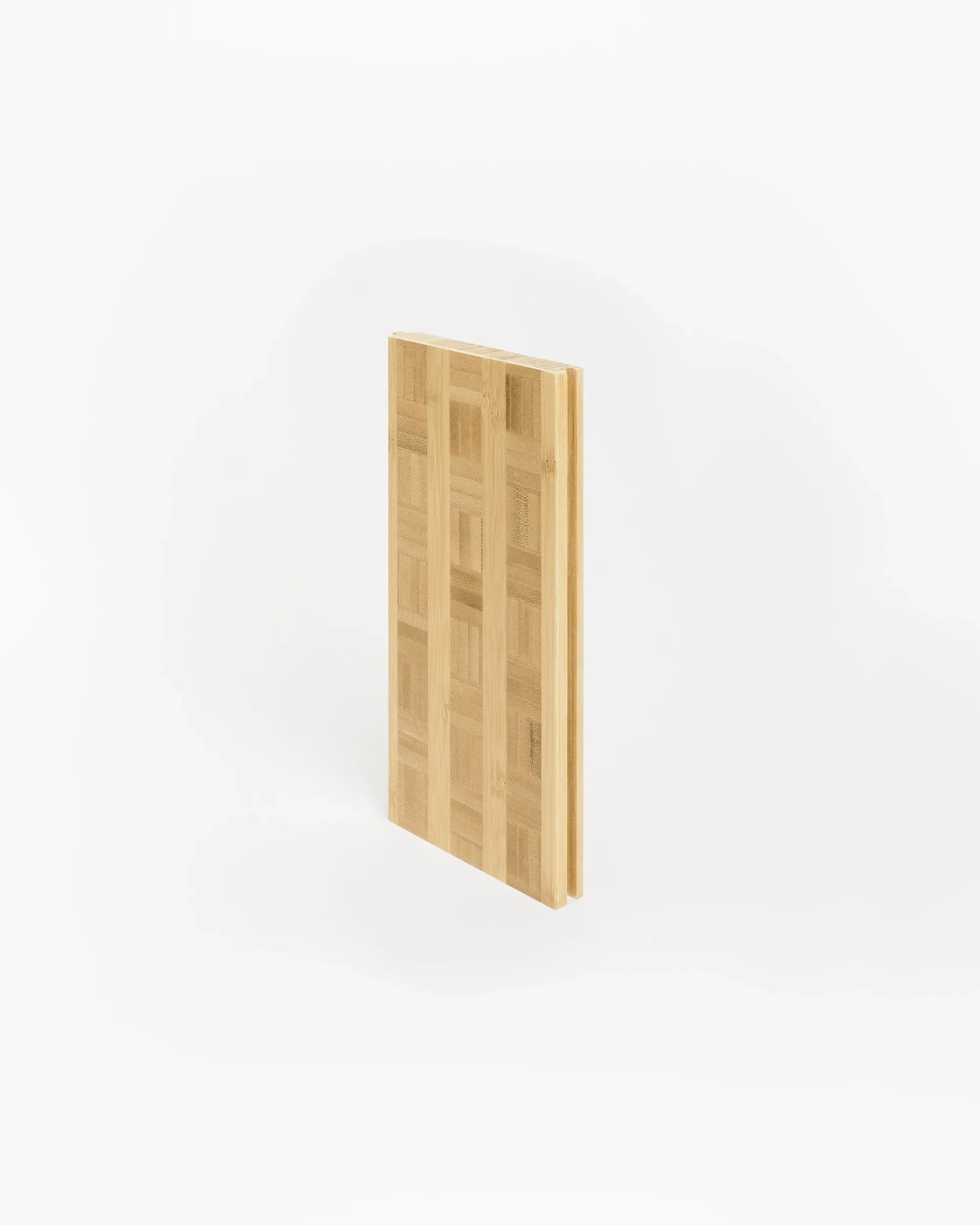
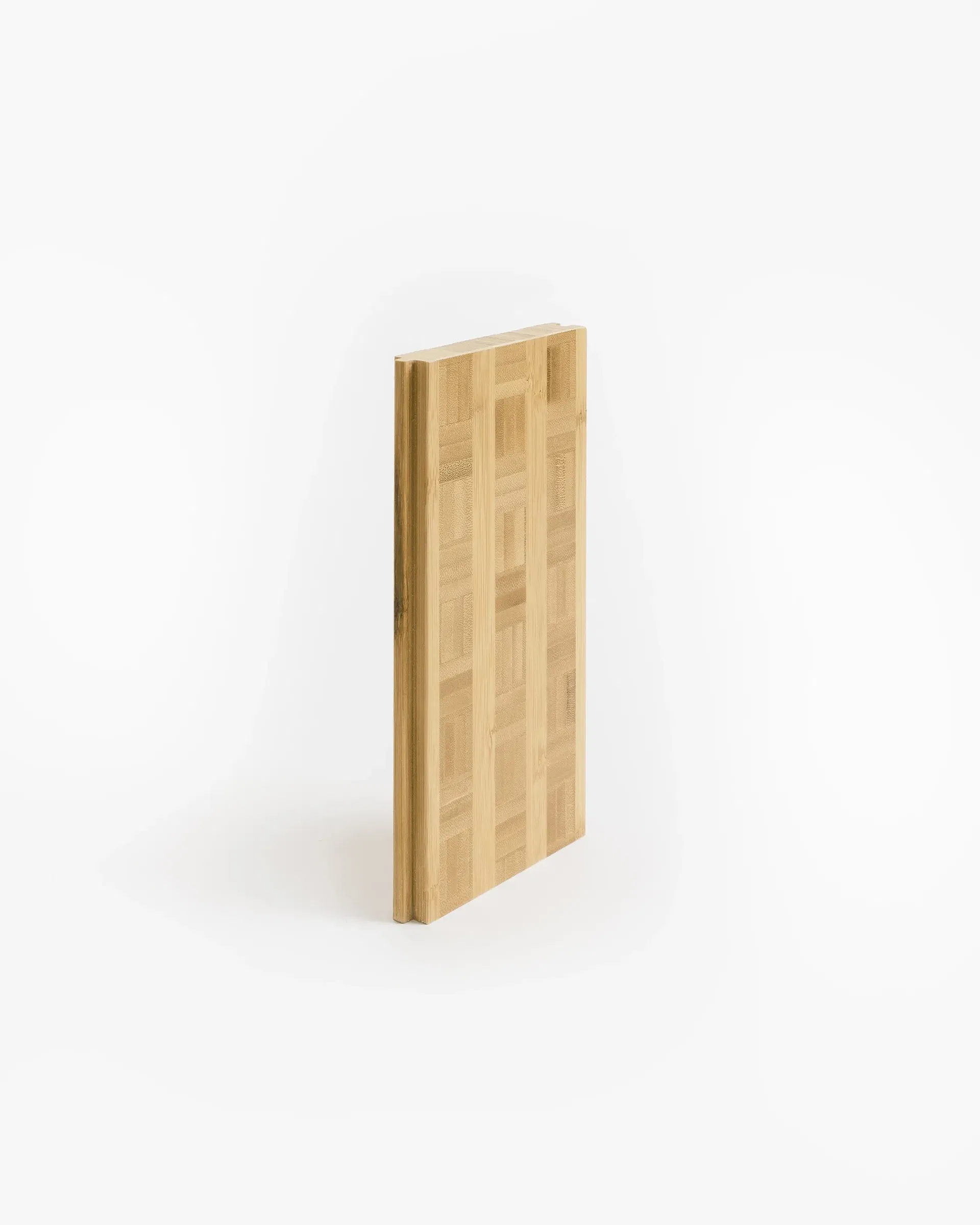
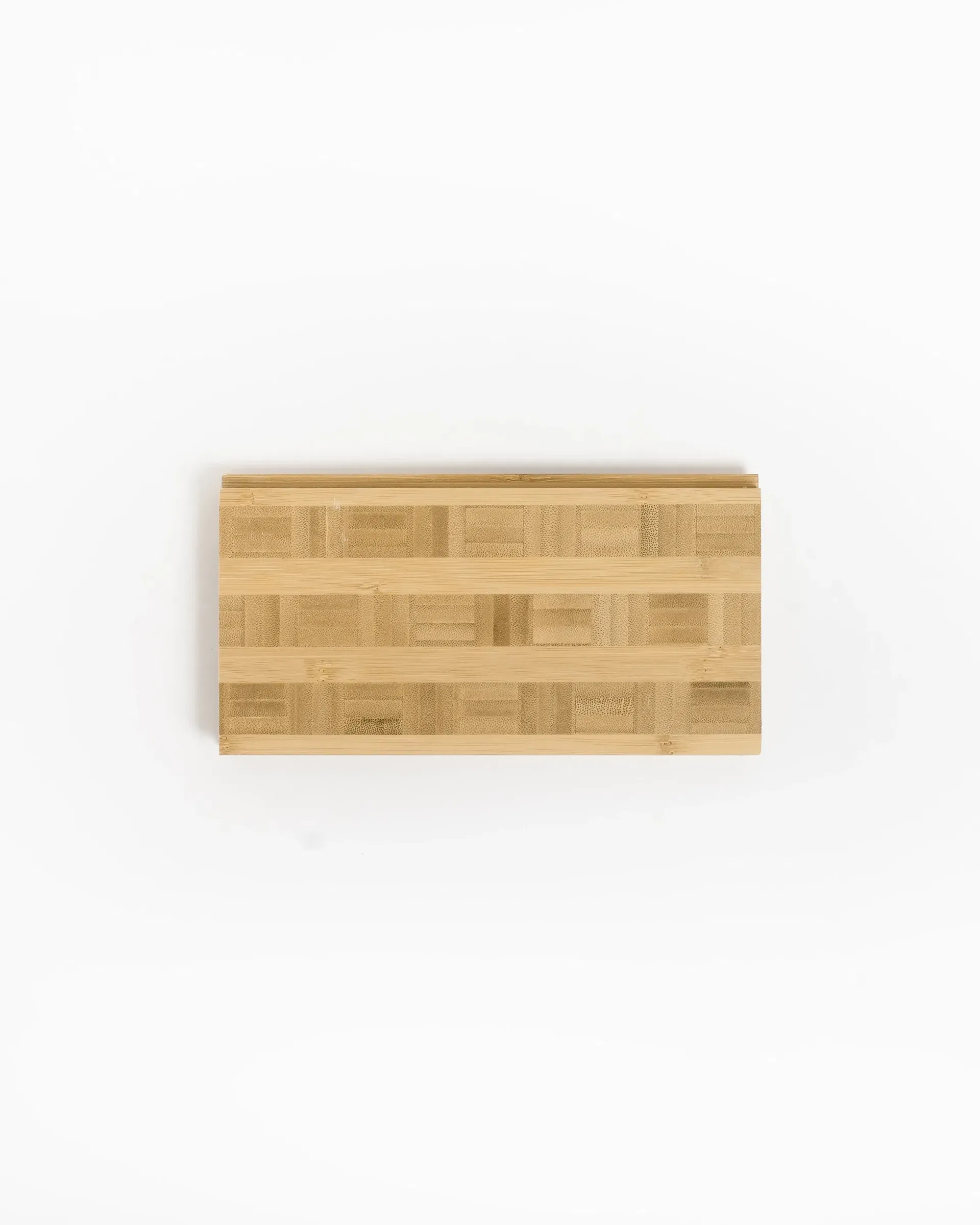
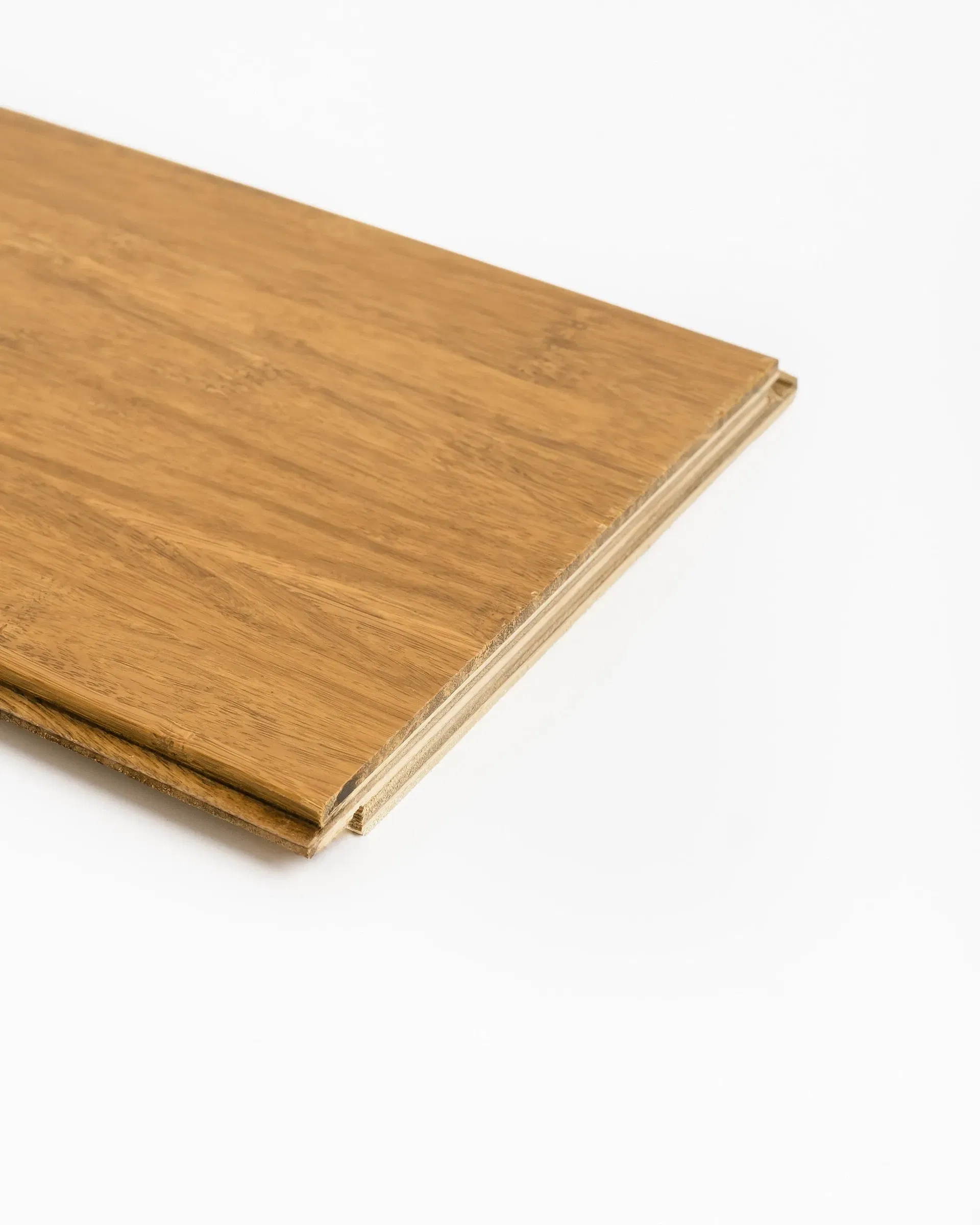
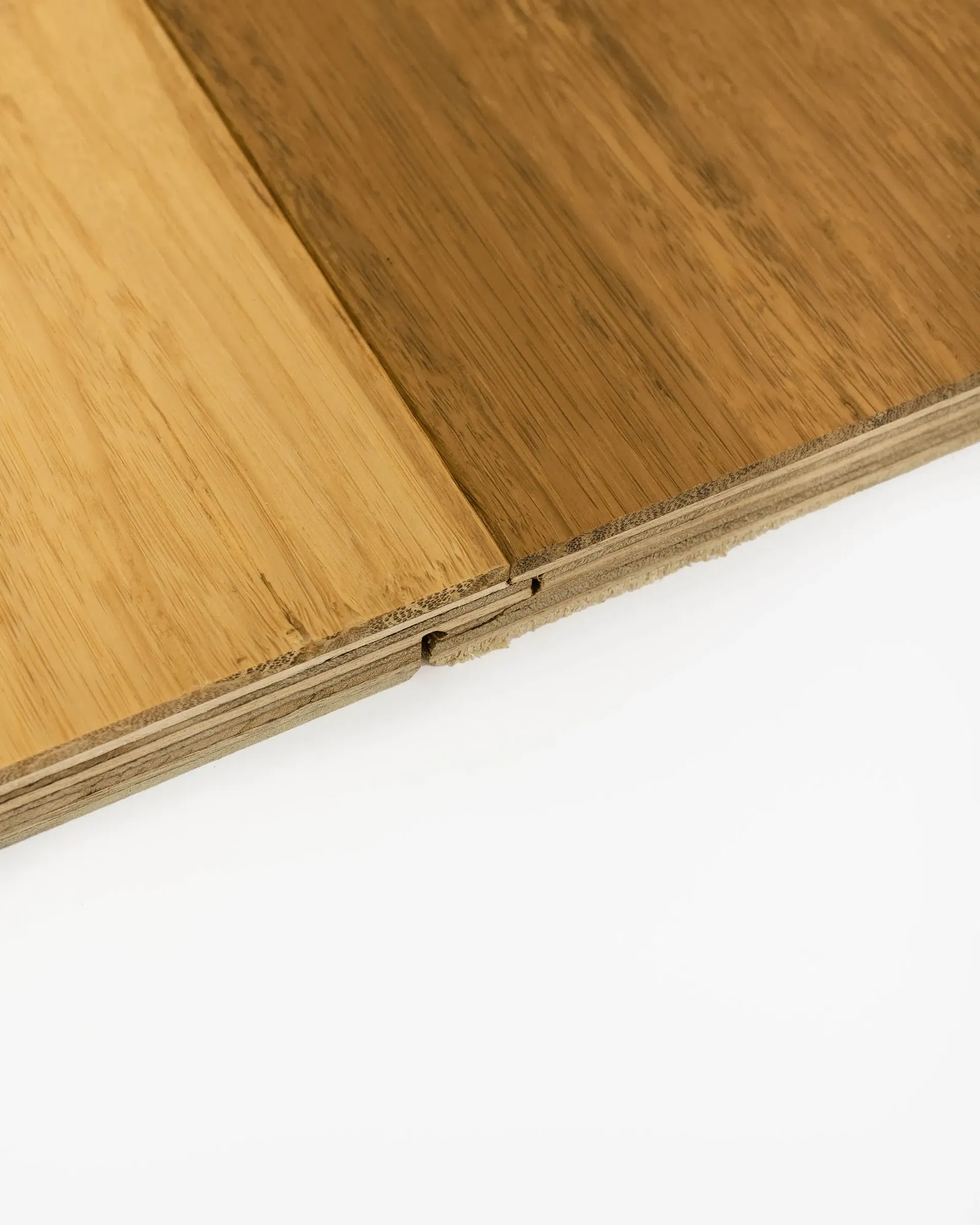
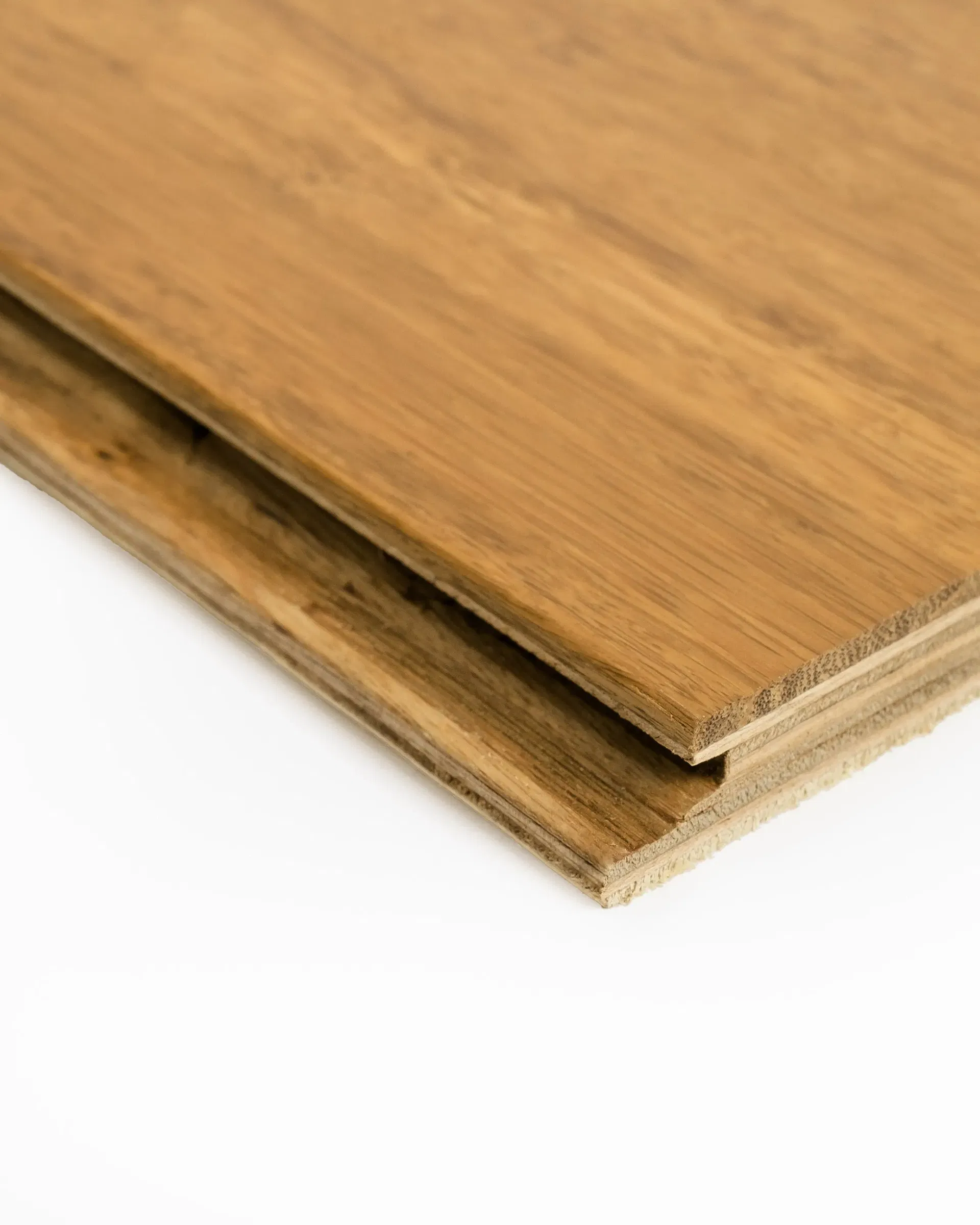
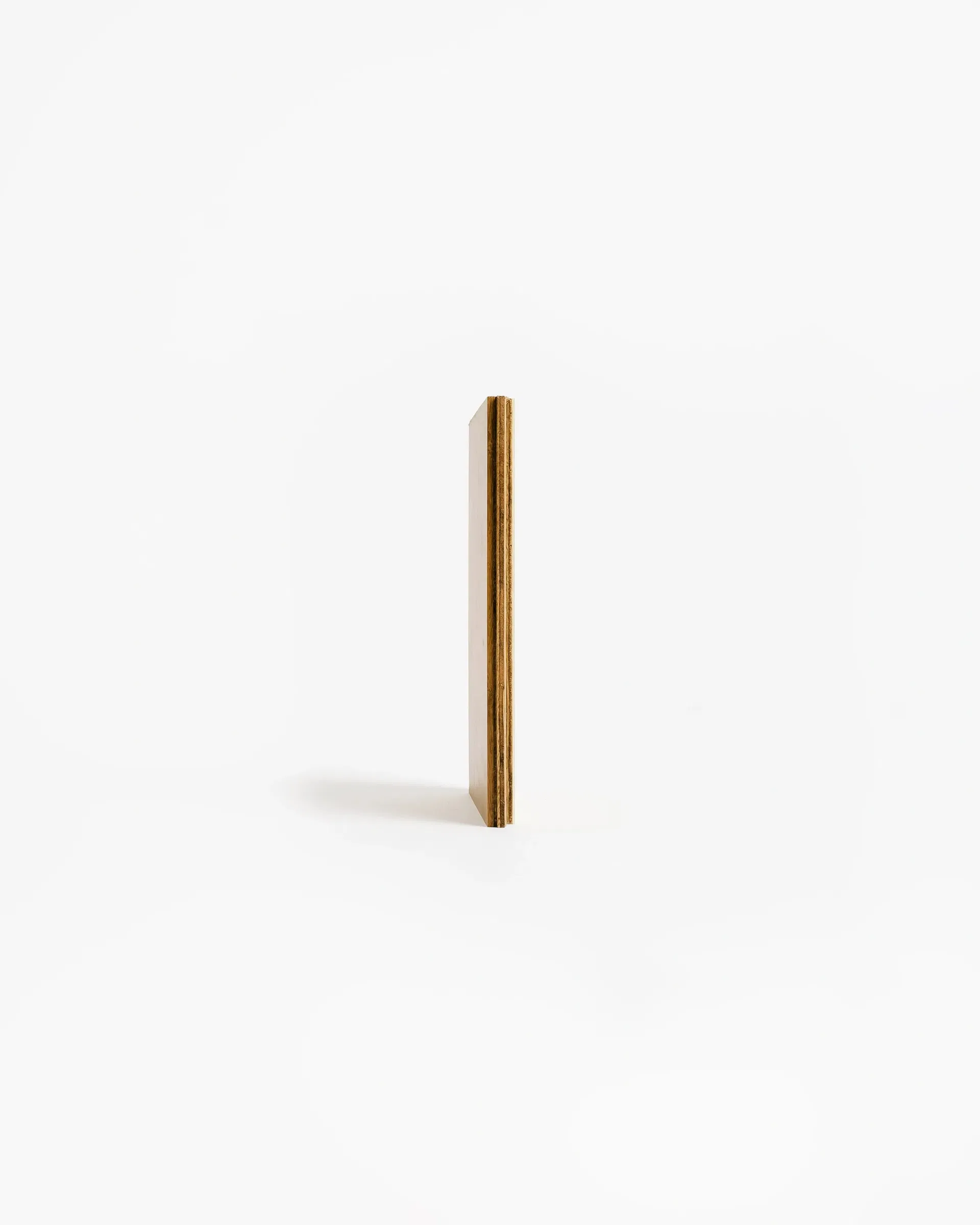
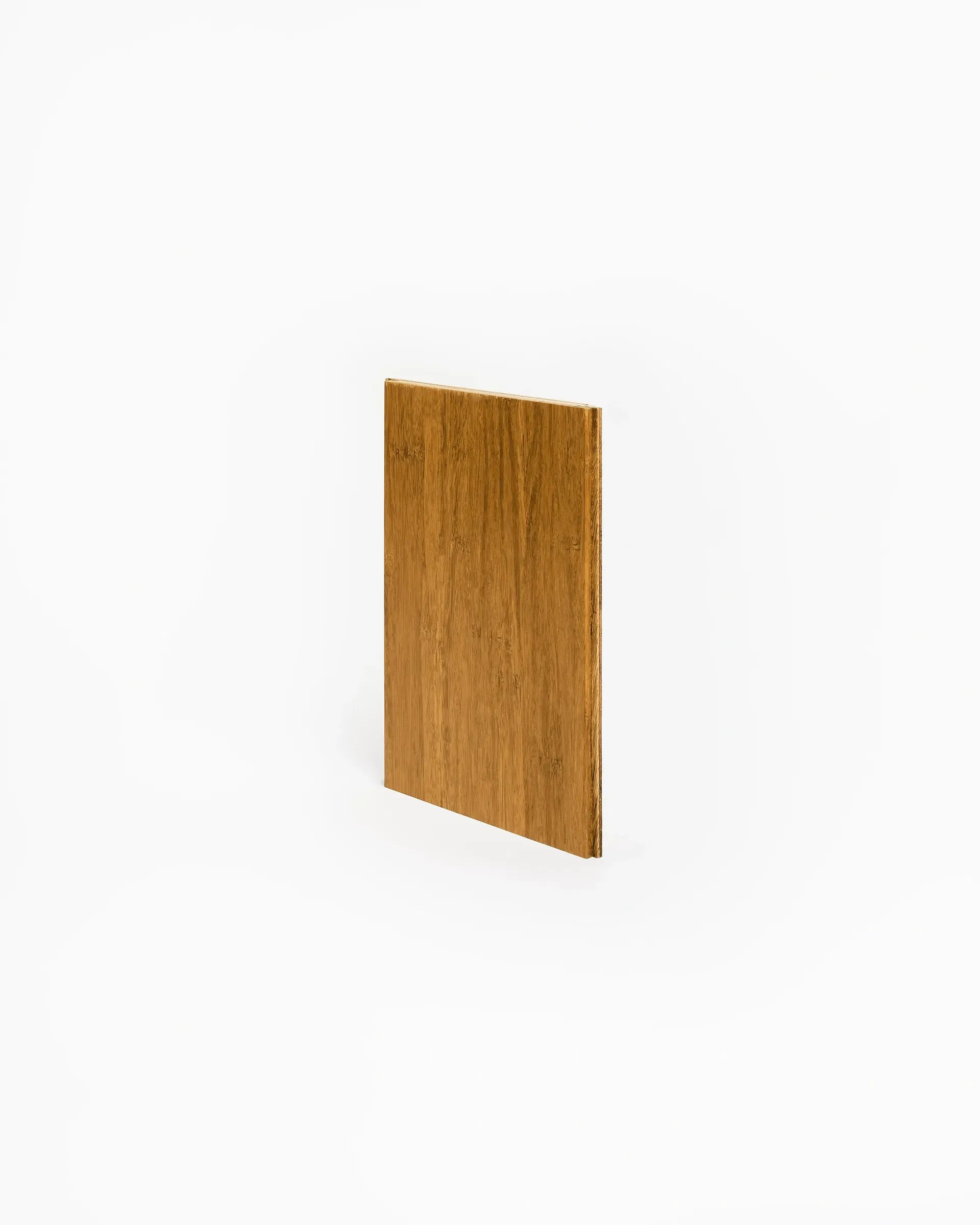
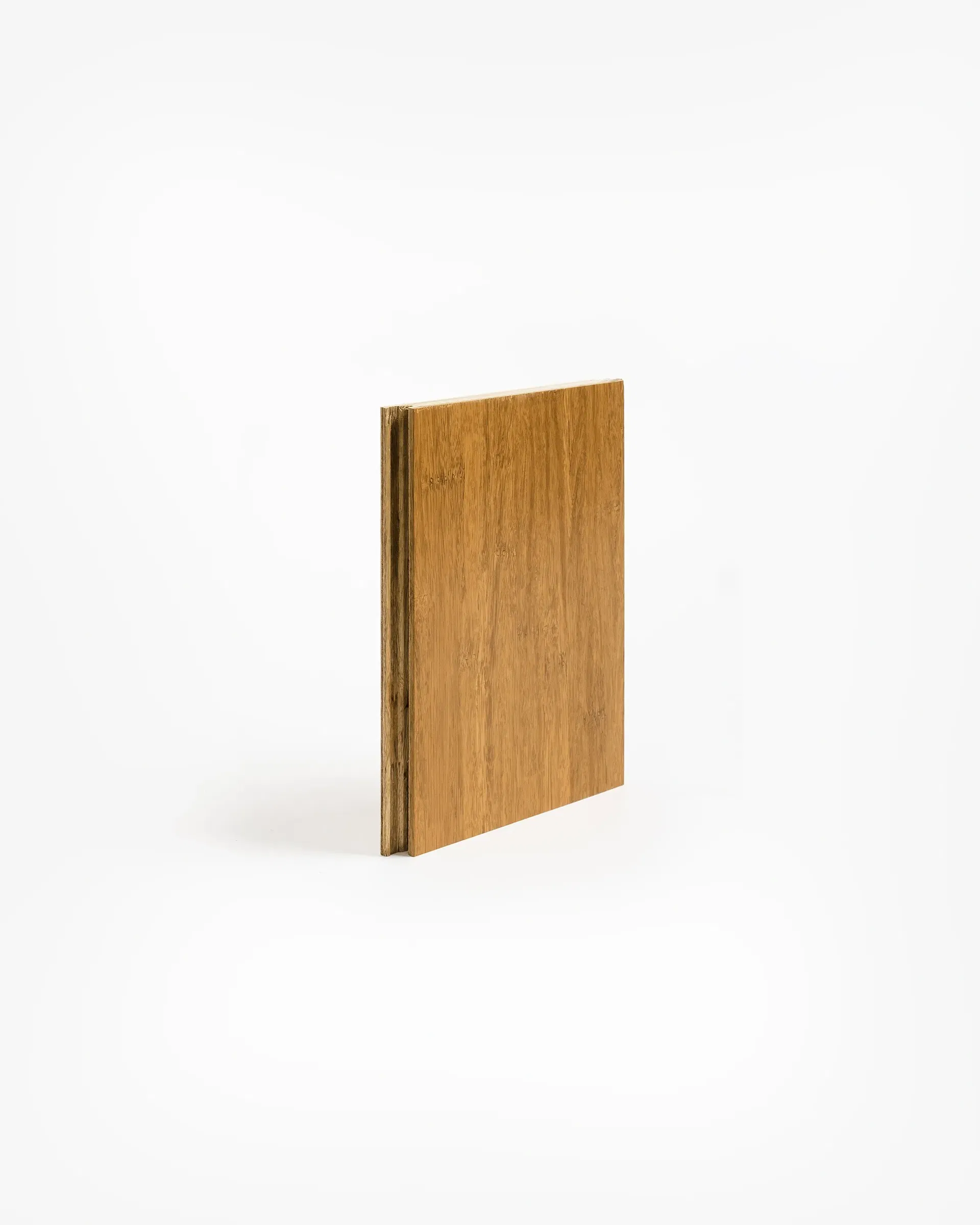
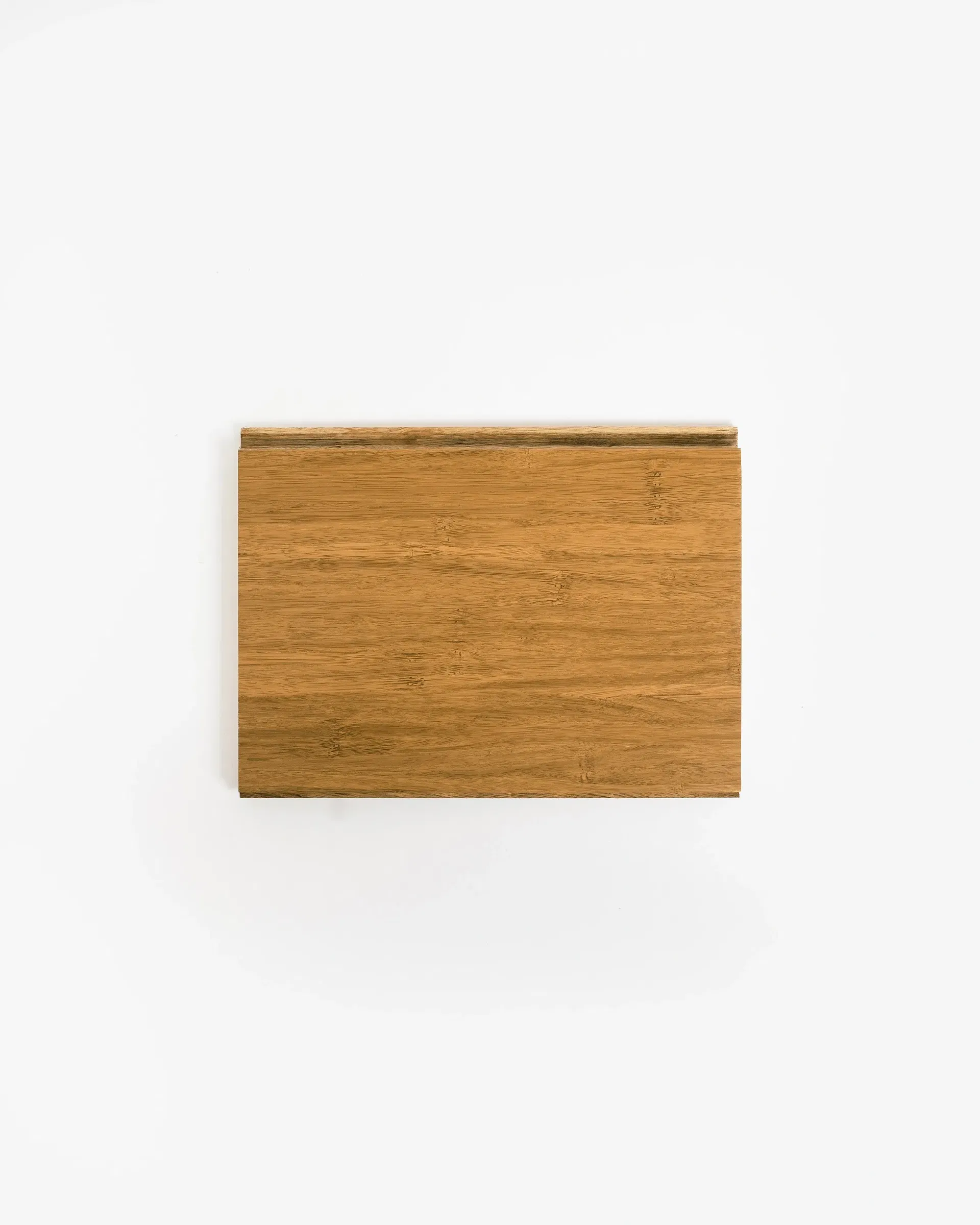
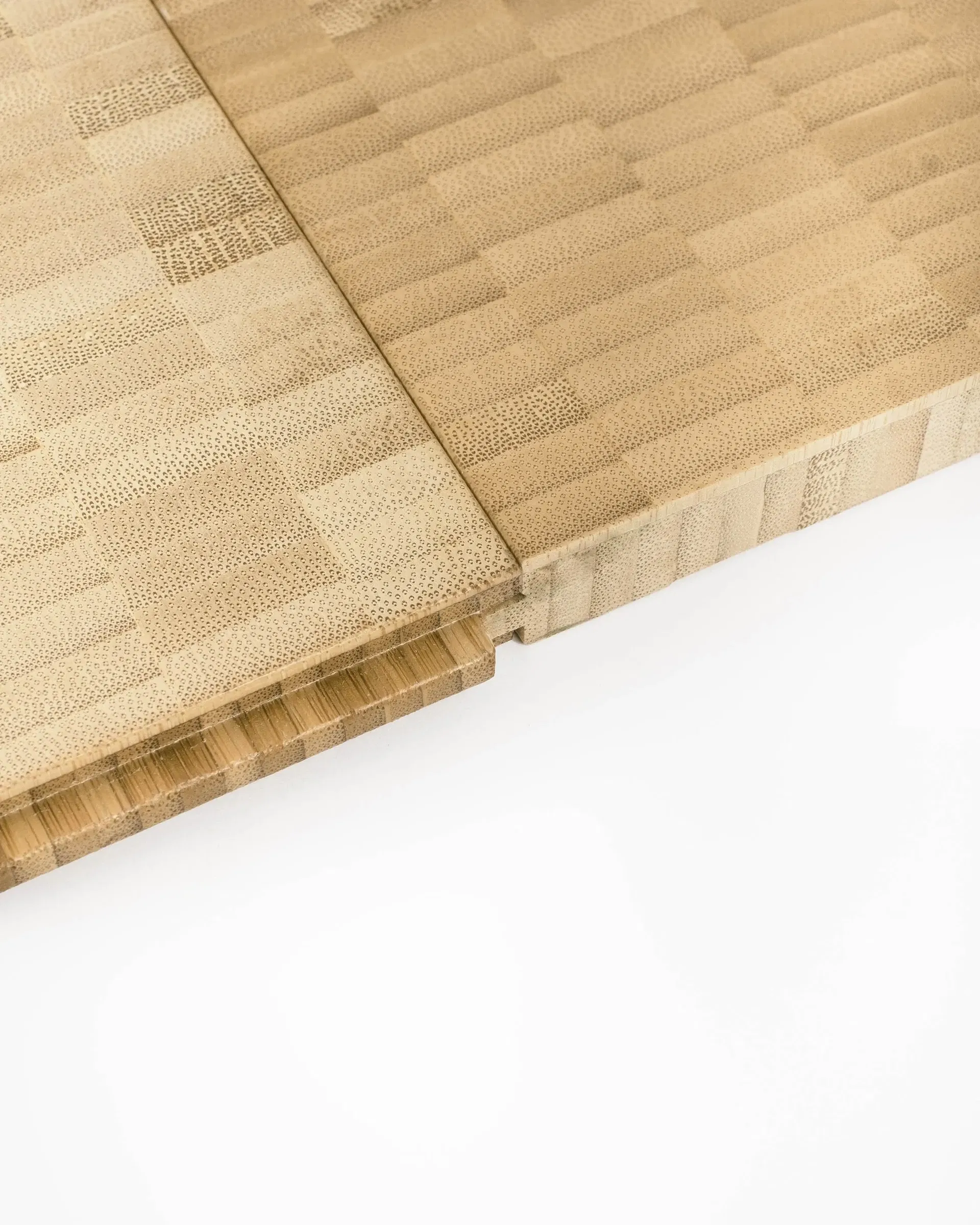
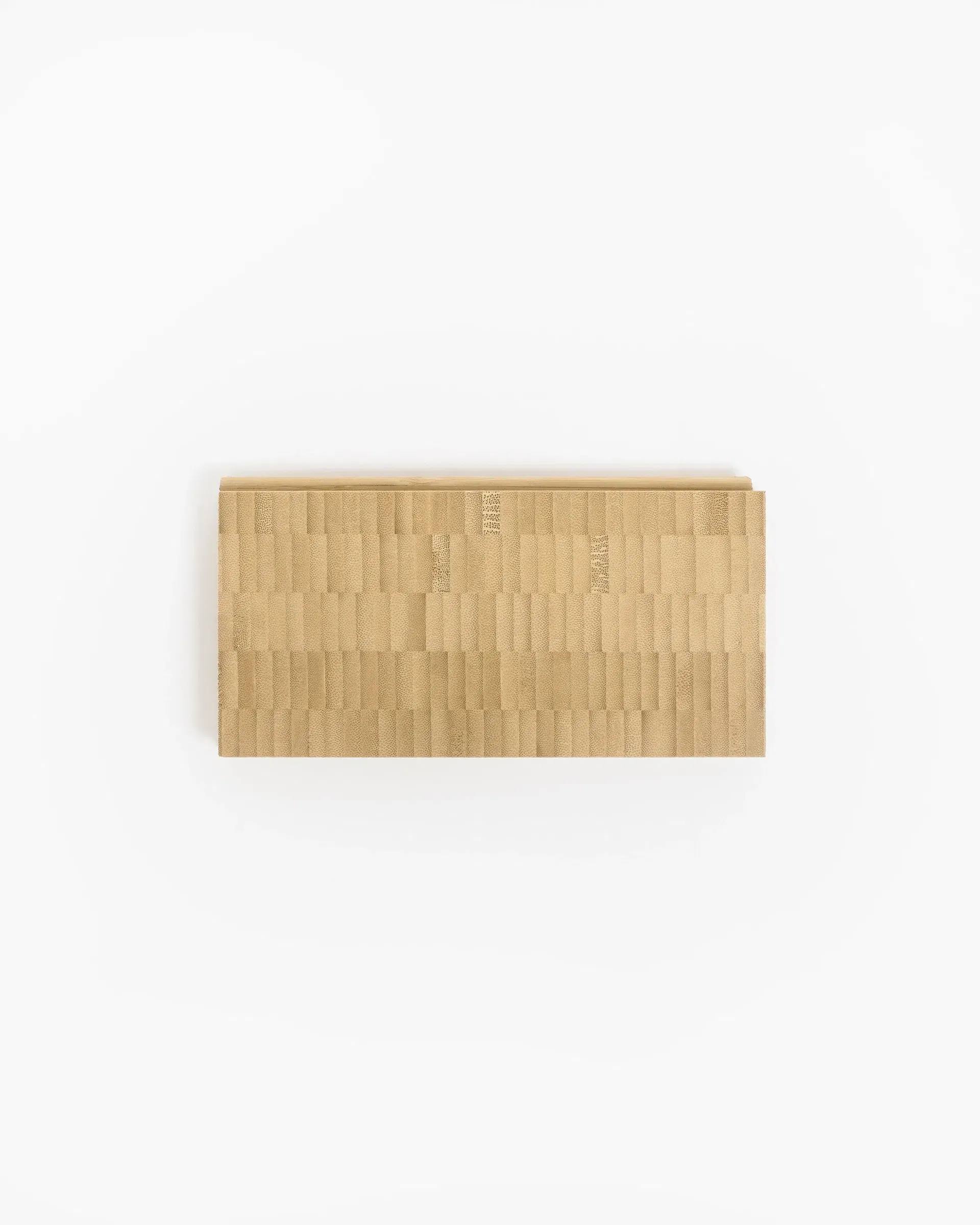
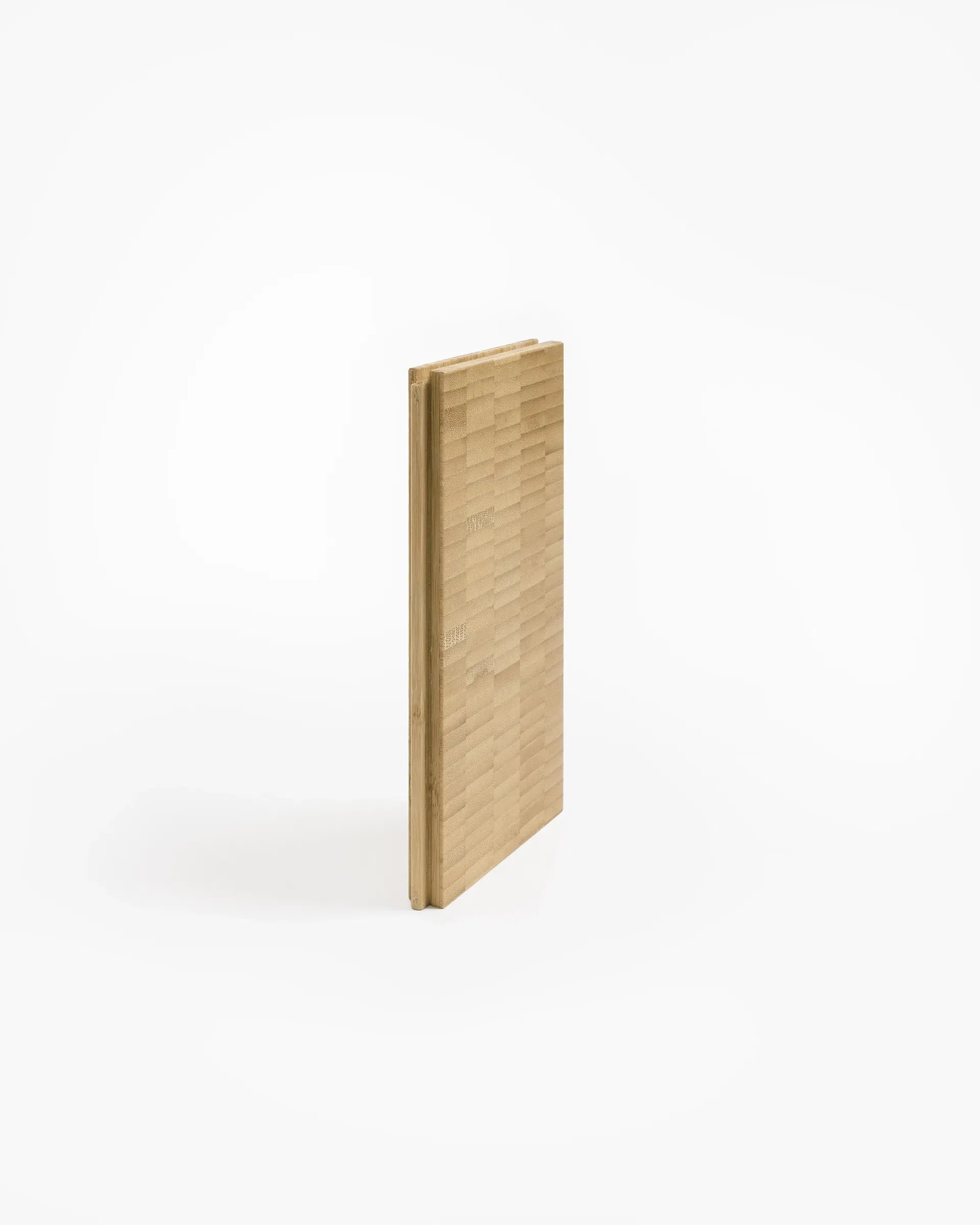
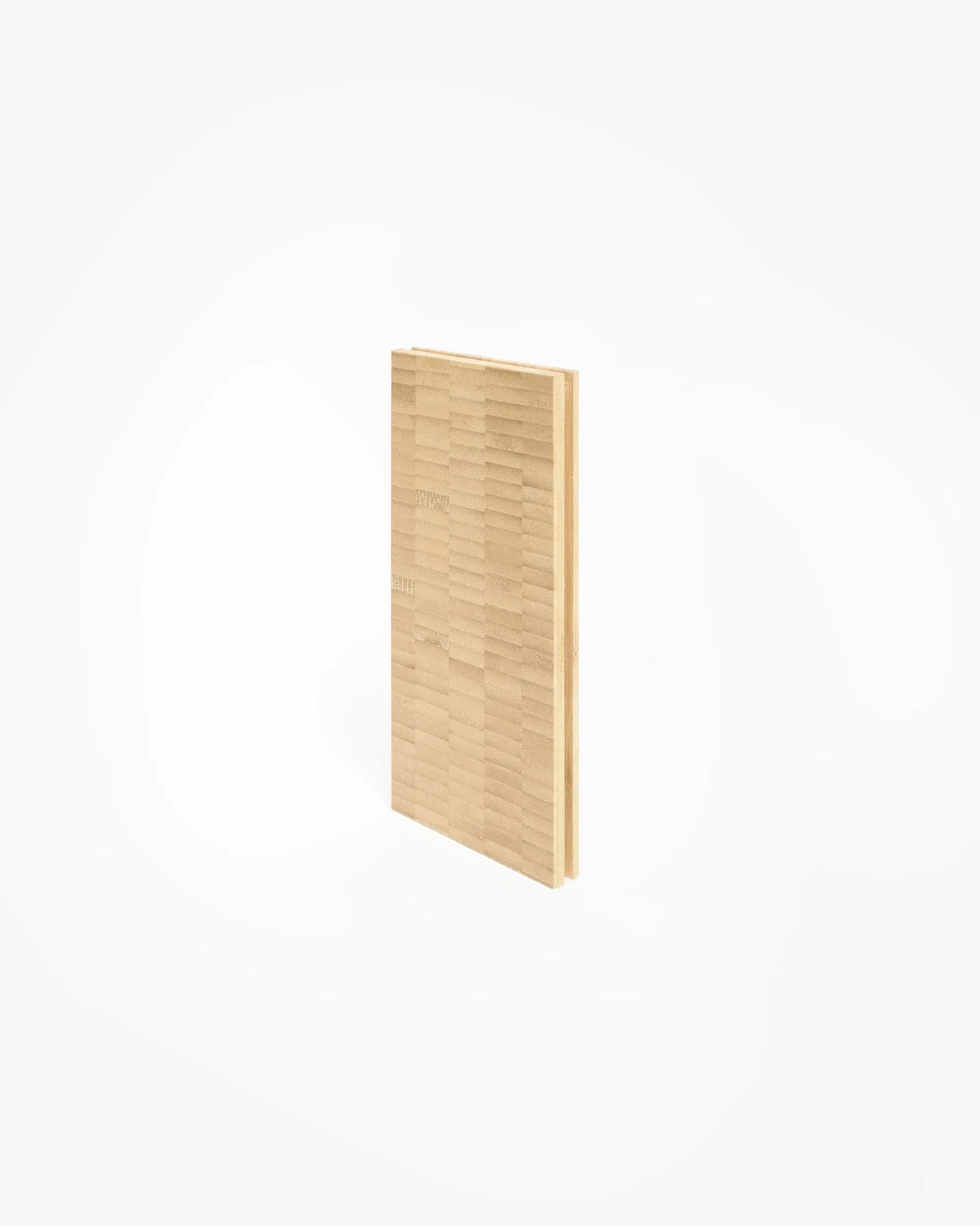
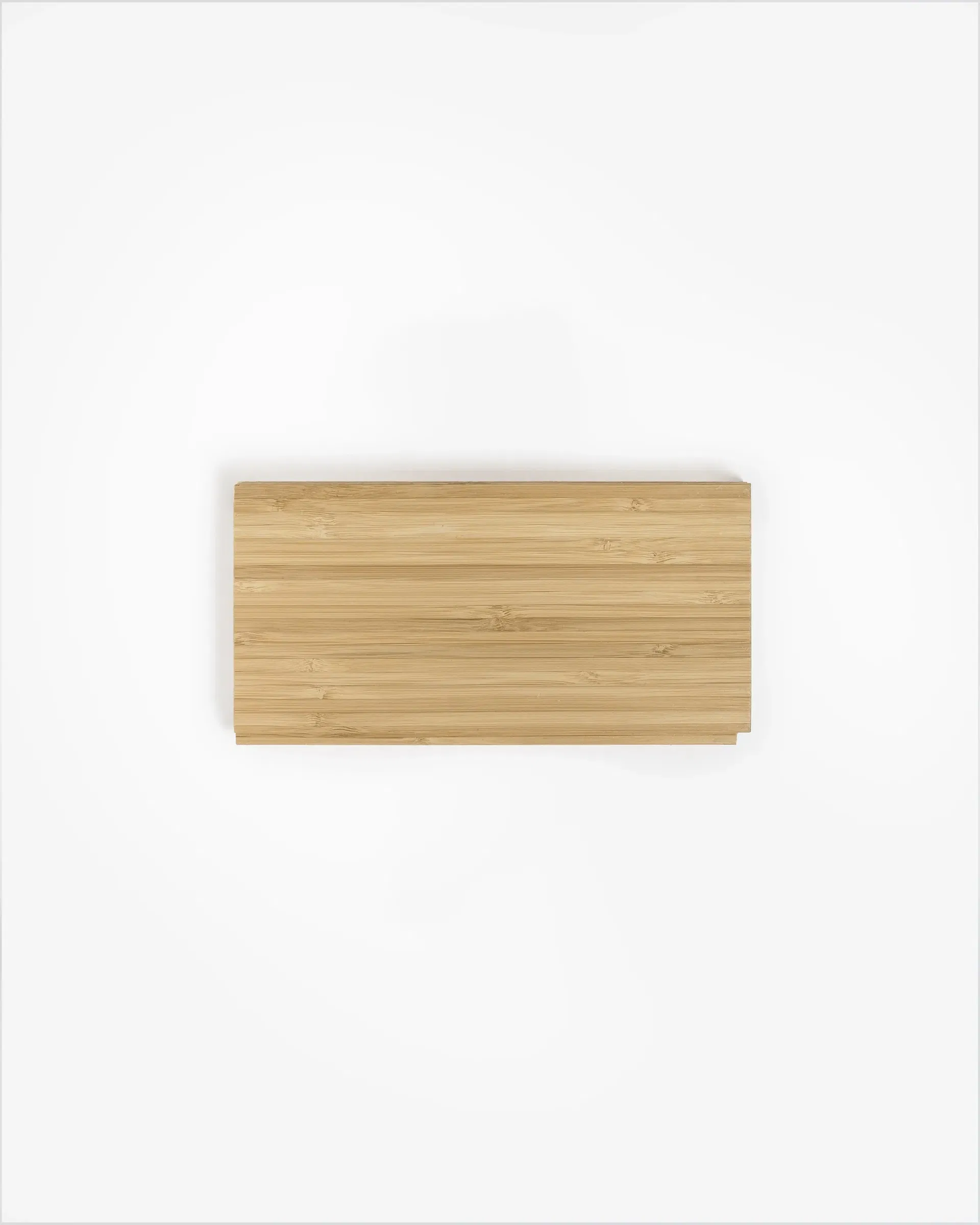
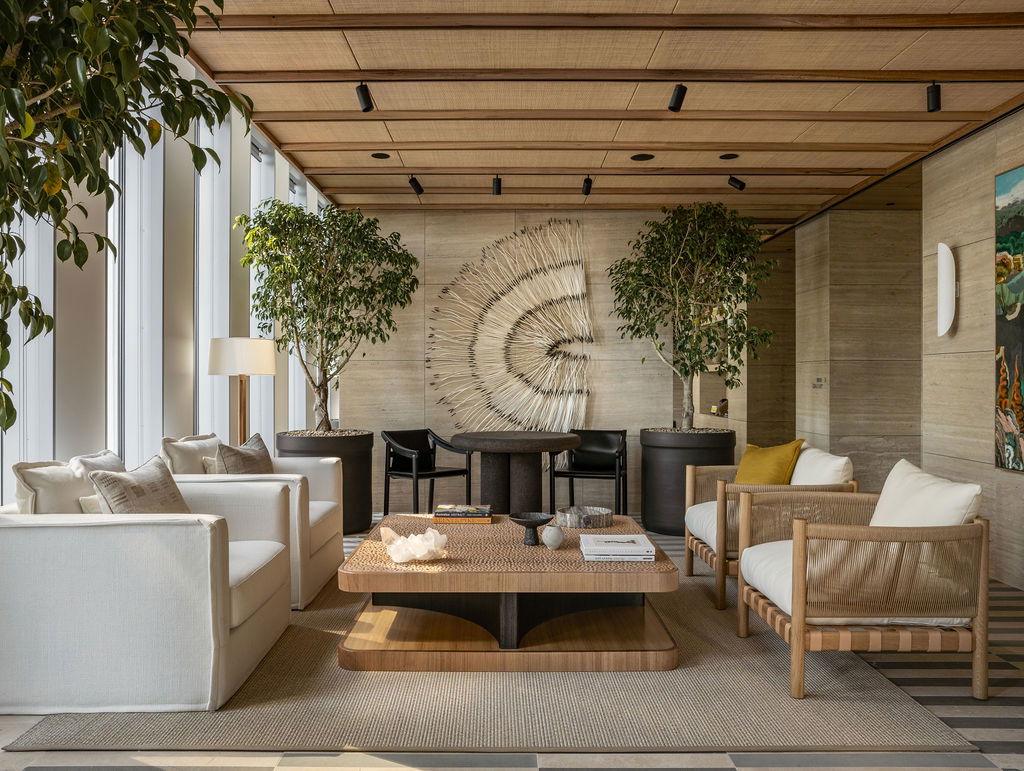
Engineered bamboo flooring and decking with patented locking systems and sophisticated finishes. Twice the hardness of traditional timber, with installation simplicity that delivers luxury and durability for any indoor or outdoor space. Our flooring has a Fire Rating Class 3, and our decking has a BAL rating up to 29.
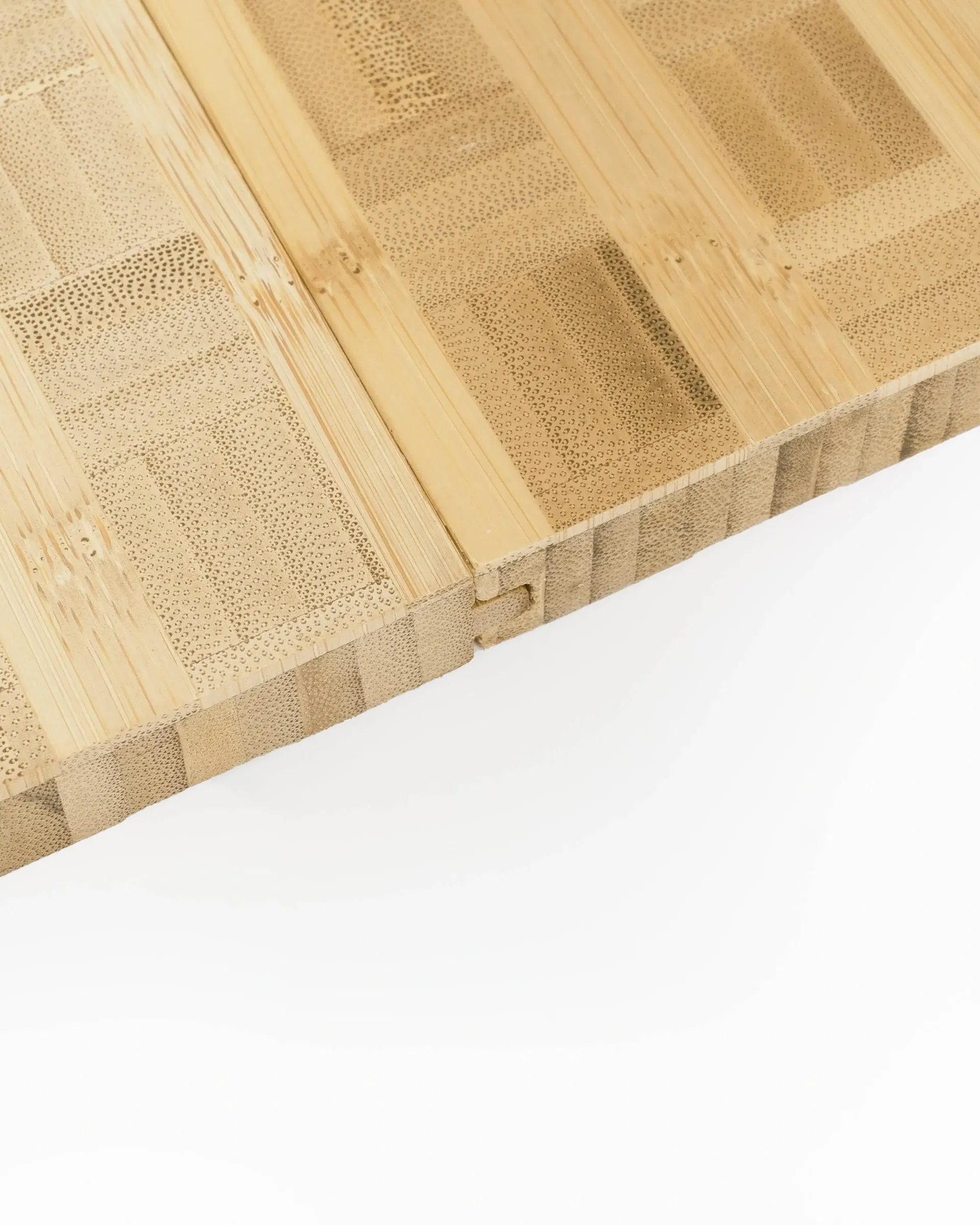
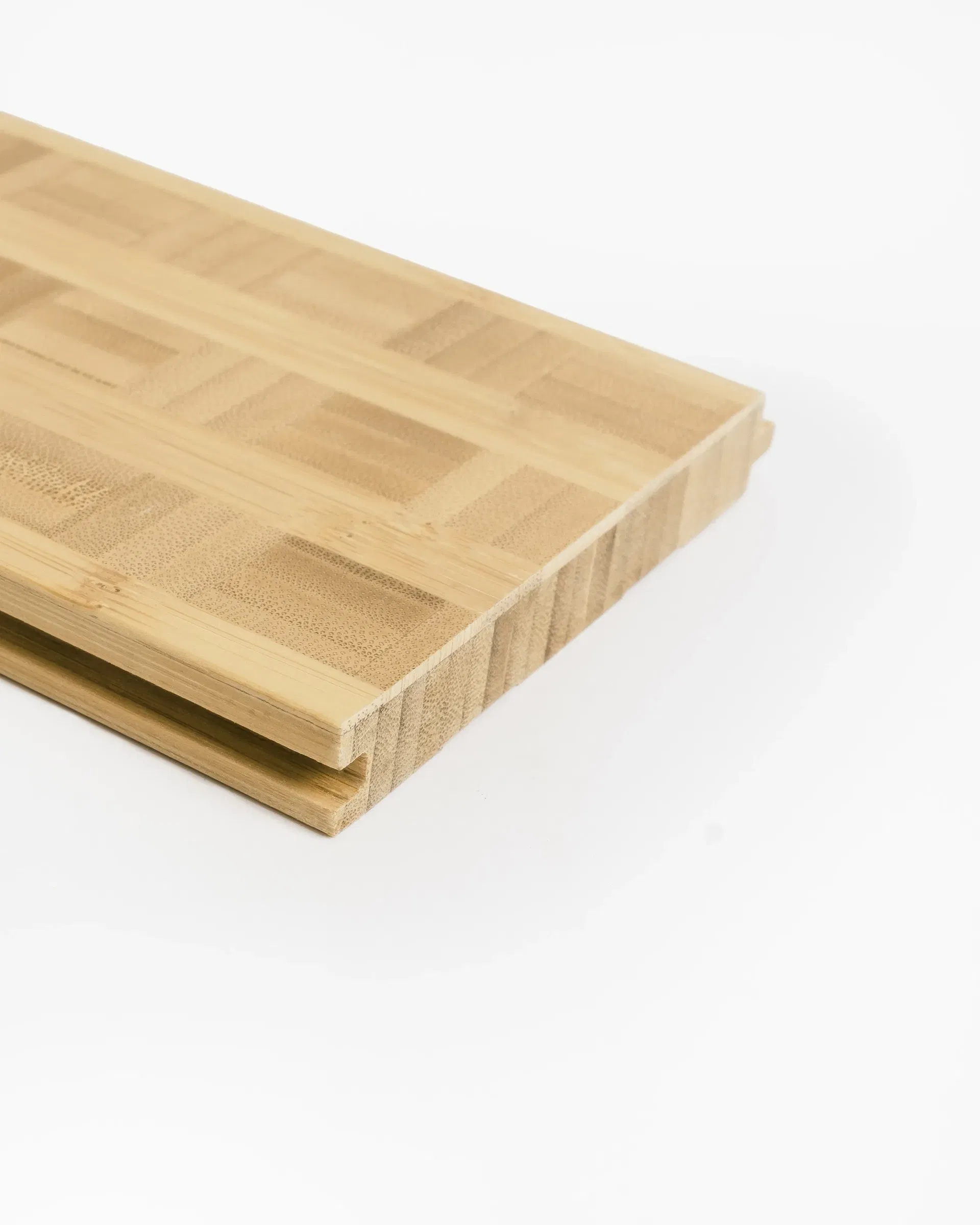
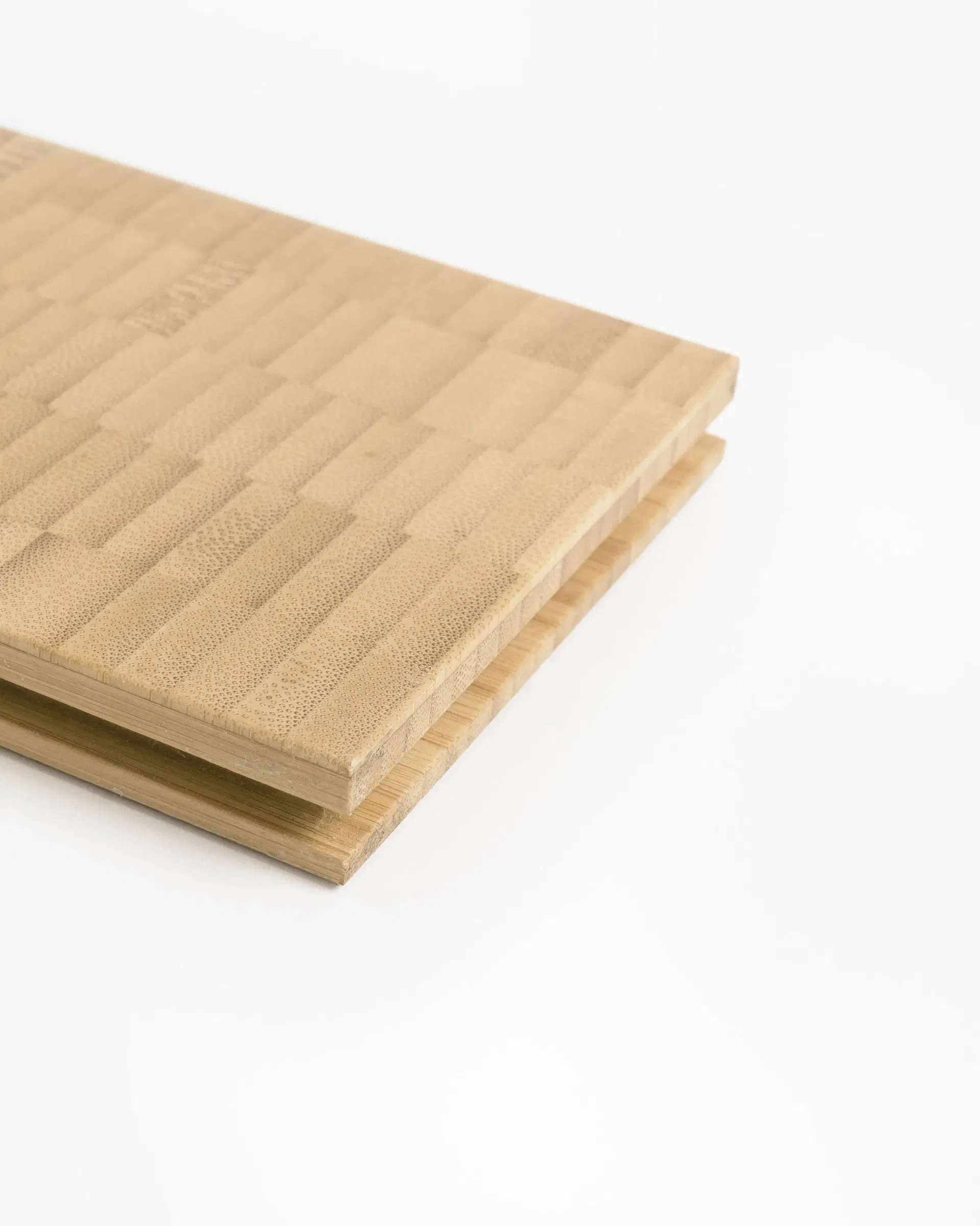
Our engineered bamboo flooring and decking is made using either the laminated or strand-woven process. Flooring is laminated, while decking is made from strand-woven techniques. That manufacturing process of decking is what sets it apart from raw timber. The heat treatment drives off the natural sugars and starches in the bamboo, the same compounds that cause timber to move, stain and attract pests, leaving a board that's harder, more stable and far more predictable to live with. Whether you're after flooring for a busy home or decking for an exposed outdoor area, it's built to handle the wear without the upkeep timber demands.
Yes, and this is one of its biggest advantages over solid timber. Because the manufacturing process fuses bamboo strips or fibre into a dense, uniform board rather than relying on natural grain, it moves far less with changes in humidity and temperature than solid timber does. You get a consistent, predictable board from batch to batch, without the knots and variable grain that make timber less reliable to install and live with.
Yes, and this is one of its biggest advantages over solid timber. Because the manufacturing process fuses bamboo strips or fibre into a dense, uniform board rather than relying on natural grain, it moves far less with changes in humidity and temperature than solid timber does. You get a consistent, predictable board from batch to batch, without the knots and variable grain that make timber less reliable to install and live with.
Properly manufactured strand woven bamboo decking is engineered specifically to resist warping. The high-pressure, high-heat compression process locks the fibres together and removes most of the moisture and internal tension that causes timber boards to cup, twist or bow over time. As with any exterior product, correct installation (spacing, fixing and ventilation underneath) matters for long-term performance, but the board itself is built to stay flat.
Properly manufactured strand woven bamboo decking is engineered specifically to resist warping. The high-pressure, high-heat compression process locks the fibres together and removes most of the moisture and internal tension that causes timber boards to cup, twist or bow over time. As with any exterior product, correct installation (spacing, fixing and ventilation underneath) matters for long-term performance, but the board itself is built to stay flat.
No, and this is a genuine point of difference from many popular decking timbers. Species like Merbau and spotted gum are well known for tannin bleed, where rain draws natural tannins out of the timber and stains the surrounding surfaces, sometimes for months after installation. The heat treatment used in strand-woven bamboo manufacturing breaks down these natural sugars and tannins during processing, so you don't get that staining issue once the boards are down.
No, and this is a genuine point of difference from many popular decking timbers. Species like Merbau and spotted gum are well known for tannin bleed, where rain draws natural tannins out of the timber and stains the surrounding surfaces, sometimes for months after installation. The heat treatment used in strand-woven bamboo manufacturing breaks down these natural sugars and tannins during processing, so you don't get that staining issue once the boards are down.
The standout difference is heat. Composite decking is a plastic-and-wood-fibre blend that absorbs and holds heat, and darker composite boards can reach surface temperatures well above what's comfortable to walk on barefoot in an Australian summer. Bamboo, being a natural fused material rather than a plastic composite, stays noticeably cooler underfoot in direct sun. You also get a sustainable natural material rather than a plastic-blend product, which matters if lowering your project's plastic content and embodied carbon is part of the brief.
The standout difference is heat. Composite decking is a plastic-and-wood-fibre blend that absorbs and holds heat, and darker composite boards can reach surface temperatures well above what's comfortable to walk on barefoot in an Australian summer. Bamboo, being a natural fused material rather than a plastic composite, stays noticeably cooler underfoot in direct sun. You also get a sustainable natural material rather than a plastic-blend product, which matters if lowering your project's plastic content and embodied carbon is part of the brief.
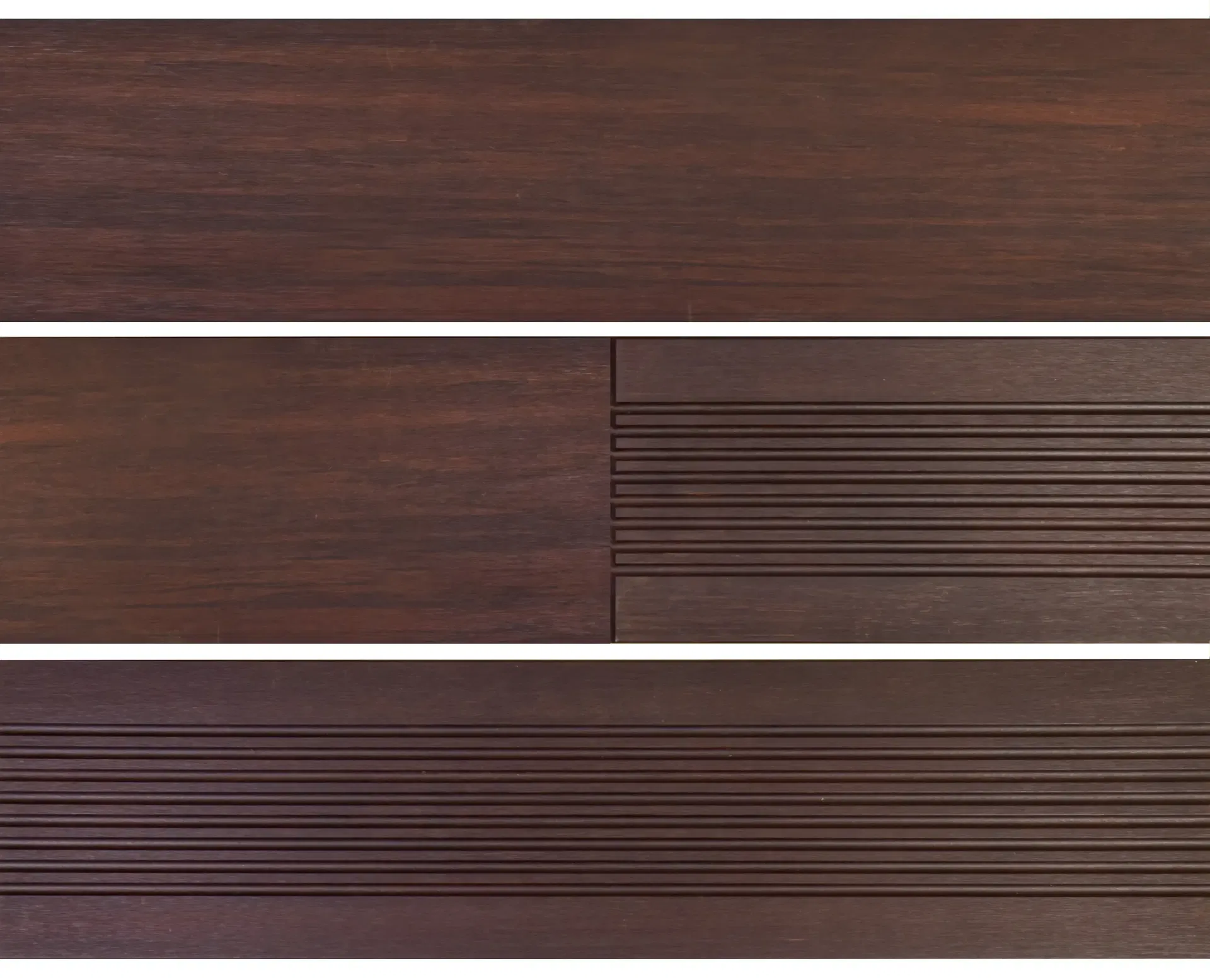
Bamboo gives you the durability profile of a premium hardwood without two of timber's most common headaches: tannin bleed and seasonal movement. Timber decking, particularly the harder Australian species, needs regular oiling to manage moisture, control staining and stop it silvering or cracking in the sun. Bamboo decking needs a low level of maintenance, such as a yearly clean and oil to maintaine its tone while matching or exceeding timber on hardness and wear resistance.
Bamboo gives you the durability profile of a premium hardwood without two of timber's most common headaches: tannin bleed and seasonal movement. Timber decking, particularly the harder Australian species, needs regular oiling to manage moisture, control staining and stop it silvering or cracking in the sun. Bamboo decking needs a low level of maintenance, such as a yearly clean and oil to maintaine its tone while matching or exceeding timber on hardness and wear resistance.
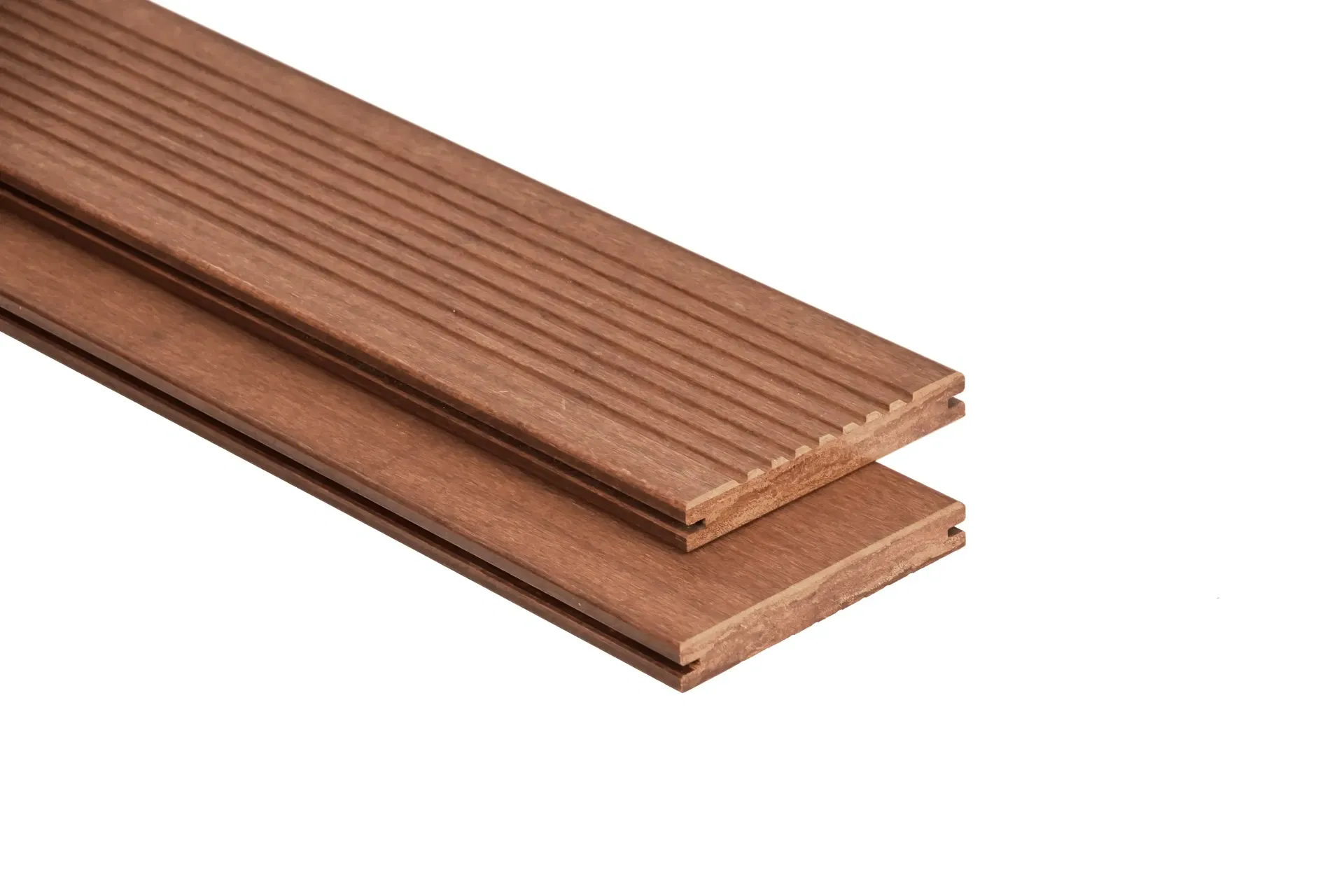
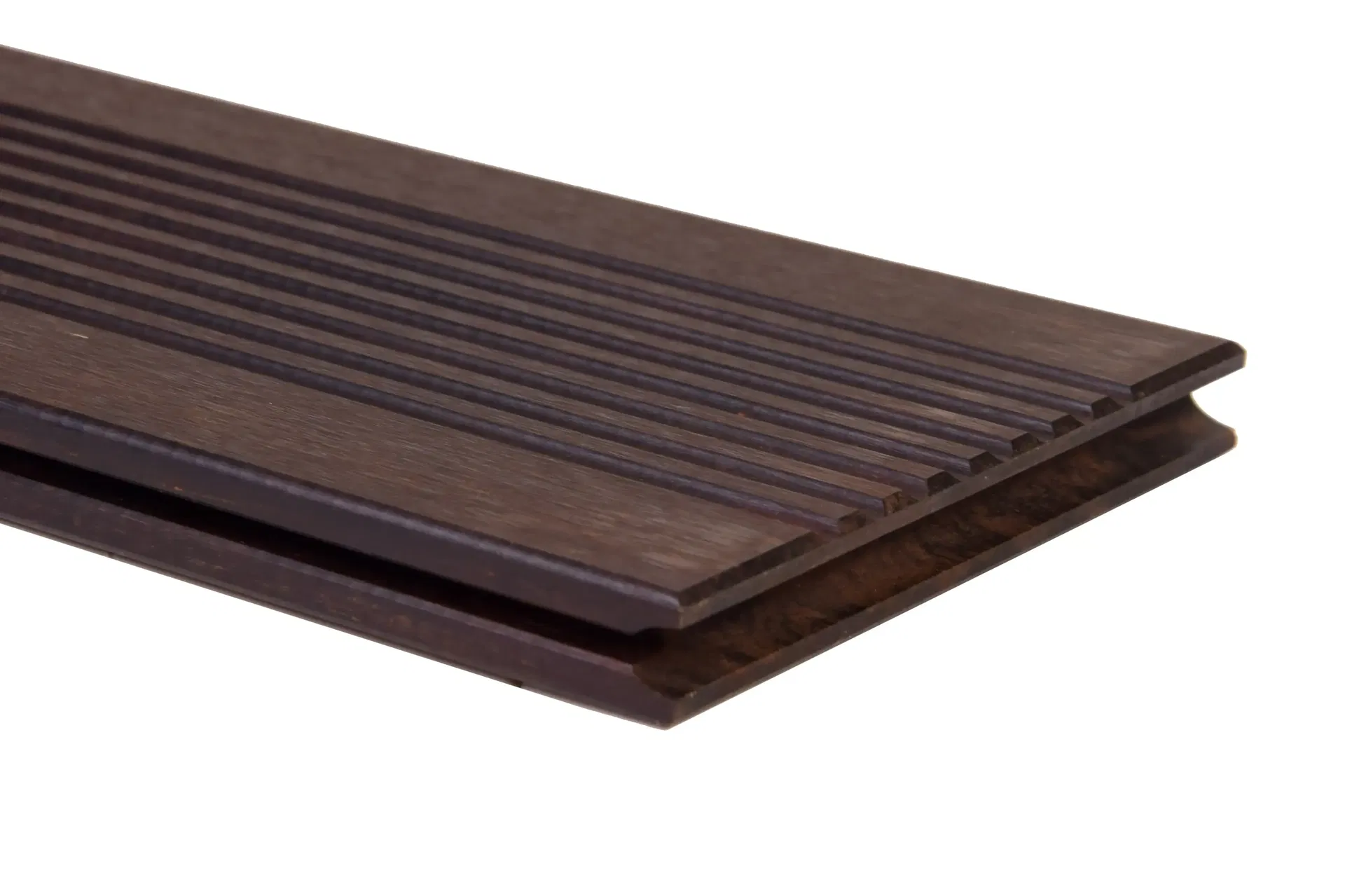
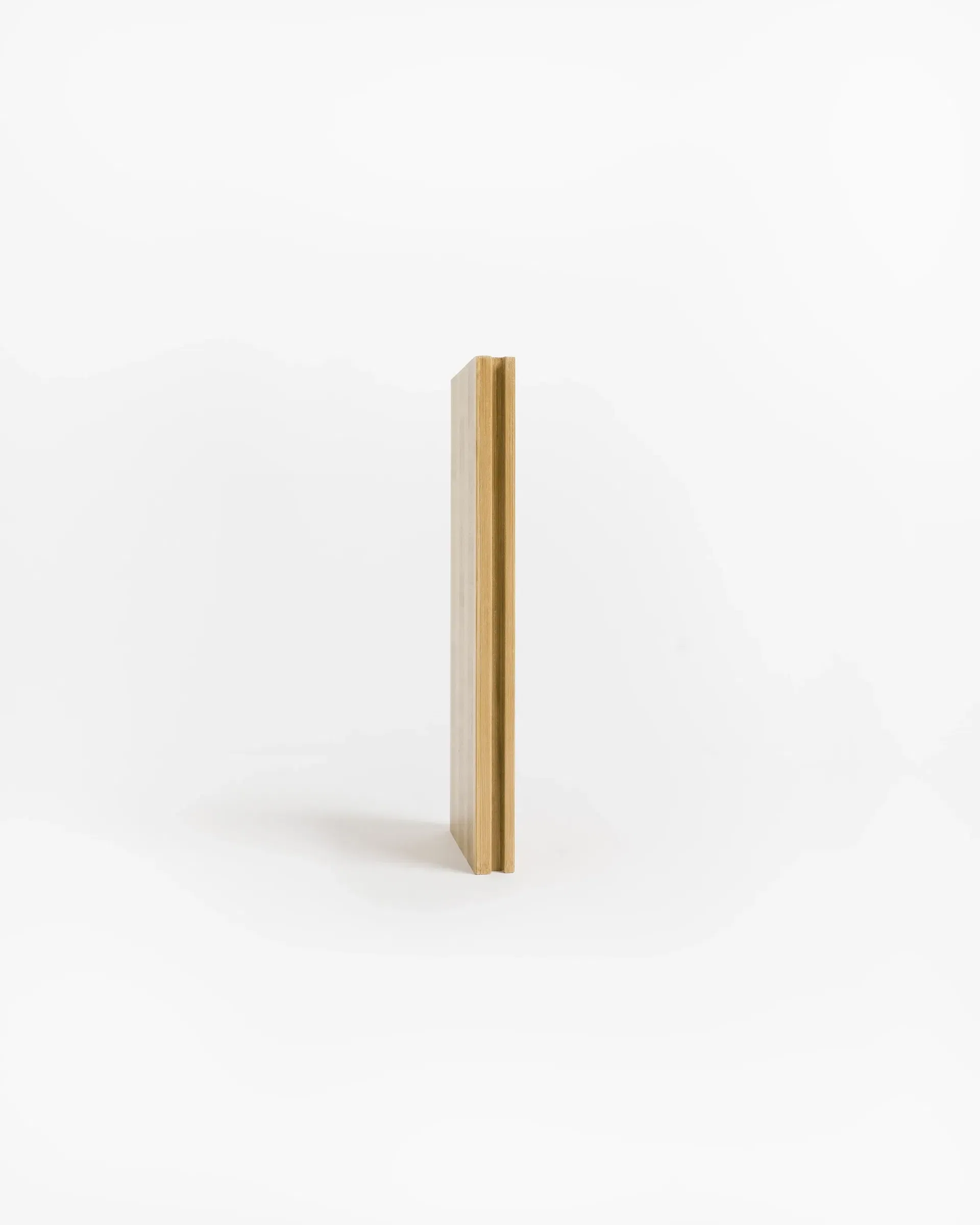
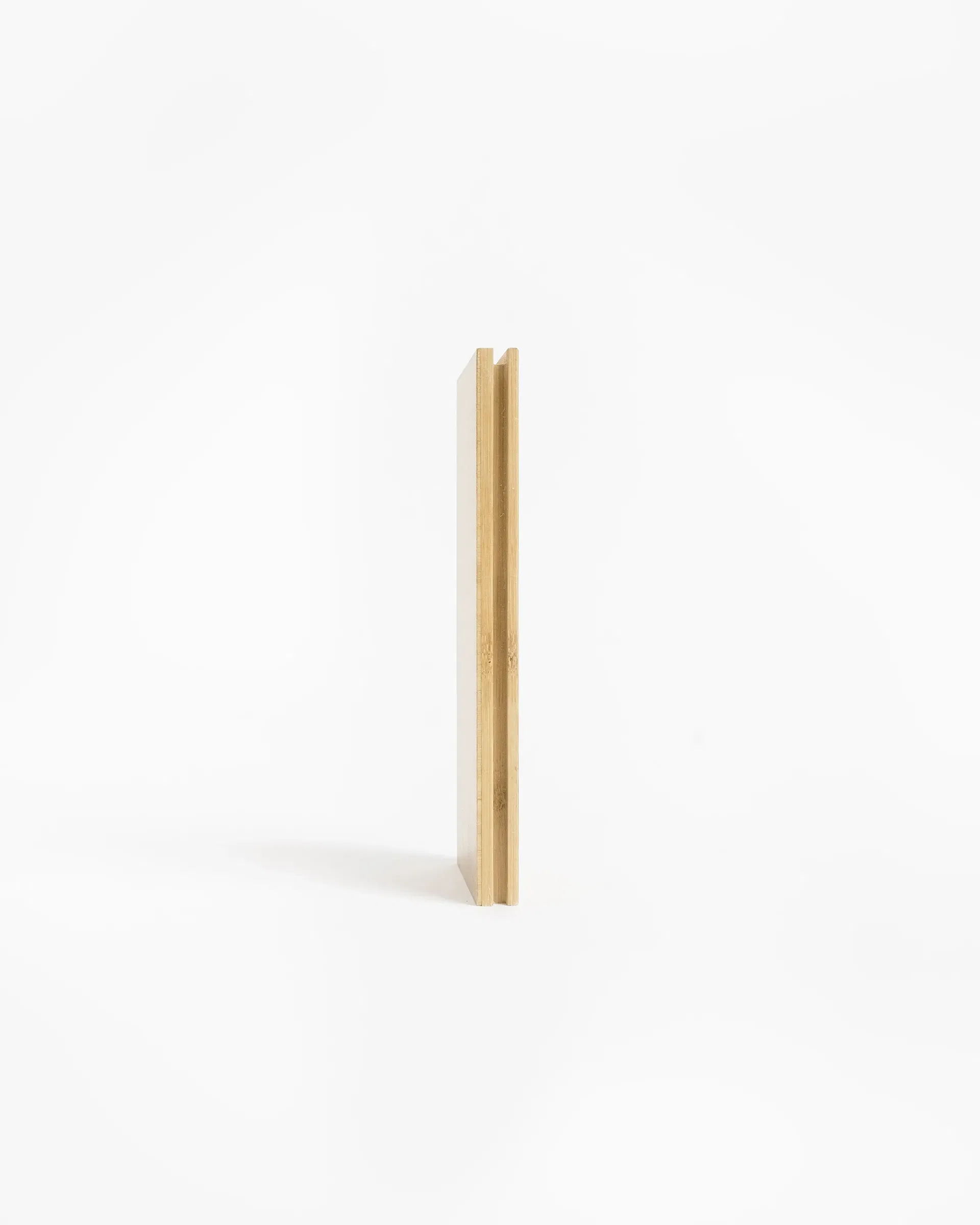
Yes. Boards are typically supplied pre-finished with tongue and groove or grooved edge profiles, so they fit together without extensive on-site preparation. Decking can be face-fixed or hidden-fixed depending on the look you want, and because the boards are dimensionally consistent, you spend less time adjusting for gaps or inconsistent widths compared with solid timber. Standard fixing is straightforward enough for an experienced tradesperson to install without specialist tools.
Yes. Boards are typically supplied pre-finished with tongue and groove or grooved edge profiles, so they fit together without extensive on-site preparation. Decking can be face-fixed or hidden-fixed depending on the look you want, and because the boards are dimensionally consistent, you spend less time adjusting for gaps or inconsistent widths compared with solid timber. Standard fixing is straightforward enough for an experienced tradesperson to install without specialist tools.
Yes, we supply engineered bamboo flooring and decking direct to site anywhere in Australia, from major metro projects through to regional builds.
Yes, we supply engineered bamboo flooring and decking direct to site anywhere in Australia, from major metro projects through to regional builds.
Yes, it's one of the more effective ways to lower the embodied carbon of a project without compromising on performance. Bamboo reaches structural maturity in just four to five years, compared with decades for the hardwood species typically used in flooring and decking, and it regrows from an existing root system rather than needing replanting after harvest. You get a genuinely rapidly renewable material that still matches or exceeds timber on hardness and durability, so sustainability isn't a trade-off against how the finished floor or deck actually performs.
Yes, it's one of the more effective ways to lower the embodied carbon of a project without compromising on performance. Bamboo reaches structural maturity in just four to five years, compared with decades for the hardwood species typically used in flooring and decking, and it regrows from an existing root system rather than needing replanting after harvest. You get a genuinely rapidly renewable material that still matches or exceeds timber on hardness and durability, so sustainability isn't a trade-off against how the finished floor or deck actually performs.
Yes, our decking carries manufacturer warranty cover against structural defects, rot, decay and termite damage when installed and maintained per the specification. Warranty terms vary by product and by residential versus commercial application, so it's worth reviewing the specific warranty for your chosen product before you finalise a build.
Yes, our decking carries manufacturer warranty cover against structural defects, rot, decay and termite damage when installed and maintained per the specification. Warranty terms vary by product and by residential versus commercial application, so it's worth reviewing the specific warranty for your chosen product before you finalise a build.
.webp?width=1920&quality=80&format=auto)
.webp?width=1920&quality=80&format=auto)
.webp?width=1920&quality=80&format=auto)
.webp?width=1920&quality=80&format=auto)
.webp?width=1920&quality=80&format=auto)
.webp?width=1920&quality=80&format=auto)
.webp?width=1920&quality=80&format=auto)
.webp?width=1920&quality=80&format=auto)
.webp?width=1920&quality=80&format=auto)
.webp?width=1920&quality=80&format=auto)
.webp?width=1920&quality=80&format=auto)
.webp?width=1920&quality=80&format=auto)
.webp?width=1920&quality=80&format=auto)
.webp?width=1920&quality=80&format=auto)
.webp?width=1920&quality=80&format=auto)
.webp?width=1920&quality=80&format=auto)
.webp?width=1920&quality=80&format=auto)
.webp?width=1920&quality=80&format=auto)
.webp?width=1920&quality=80&format=auto)
.webp?width=1920&quality=80&format=auto)
.webp?width=1920&quality=80&format=auto)
-1.webp?width=1920&quality=80&format=auto)
.png?width=1920&quality=80&format=auto)
.jpeg?width=1920&quality=80&format=auto)