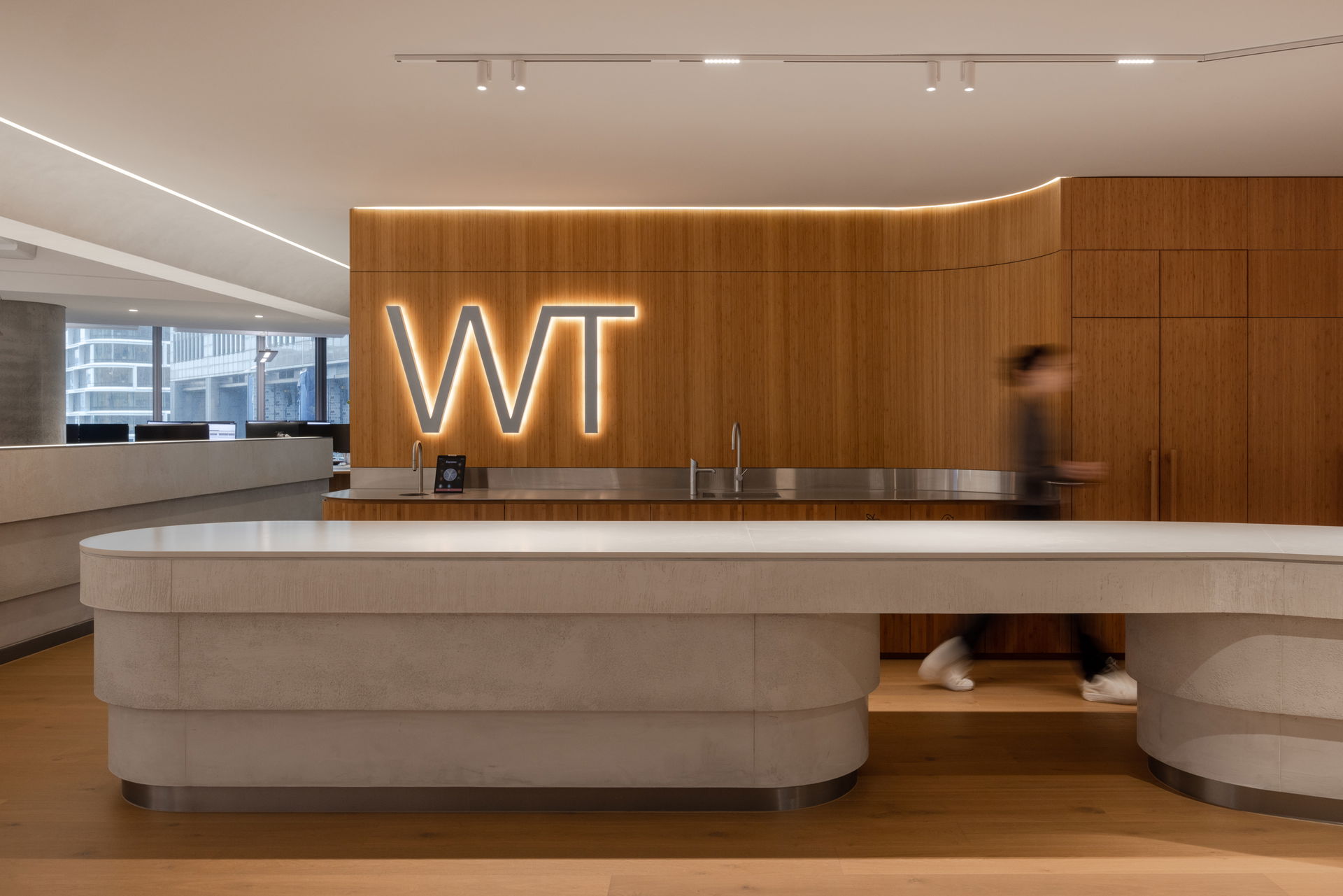
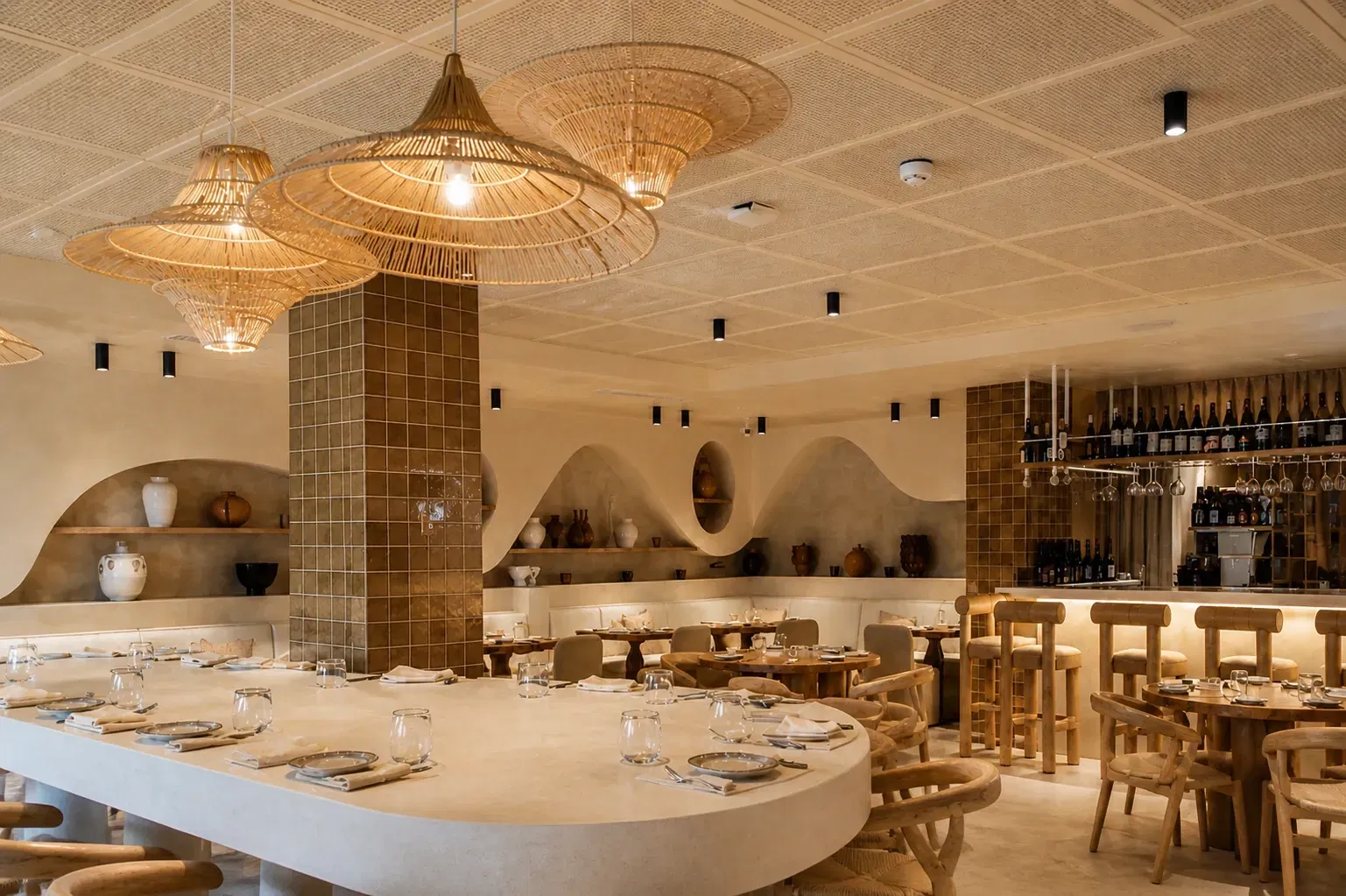
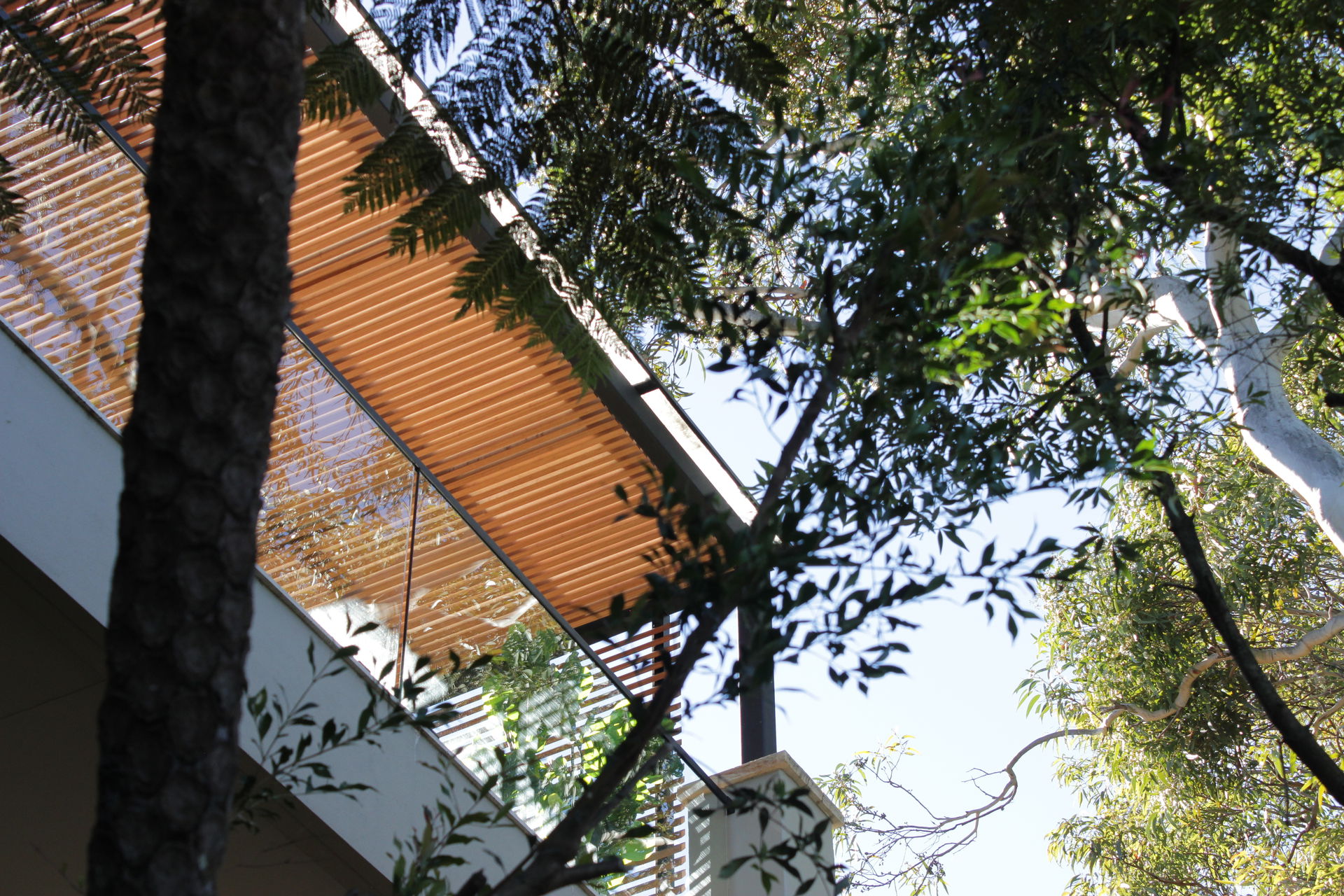
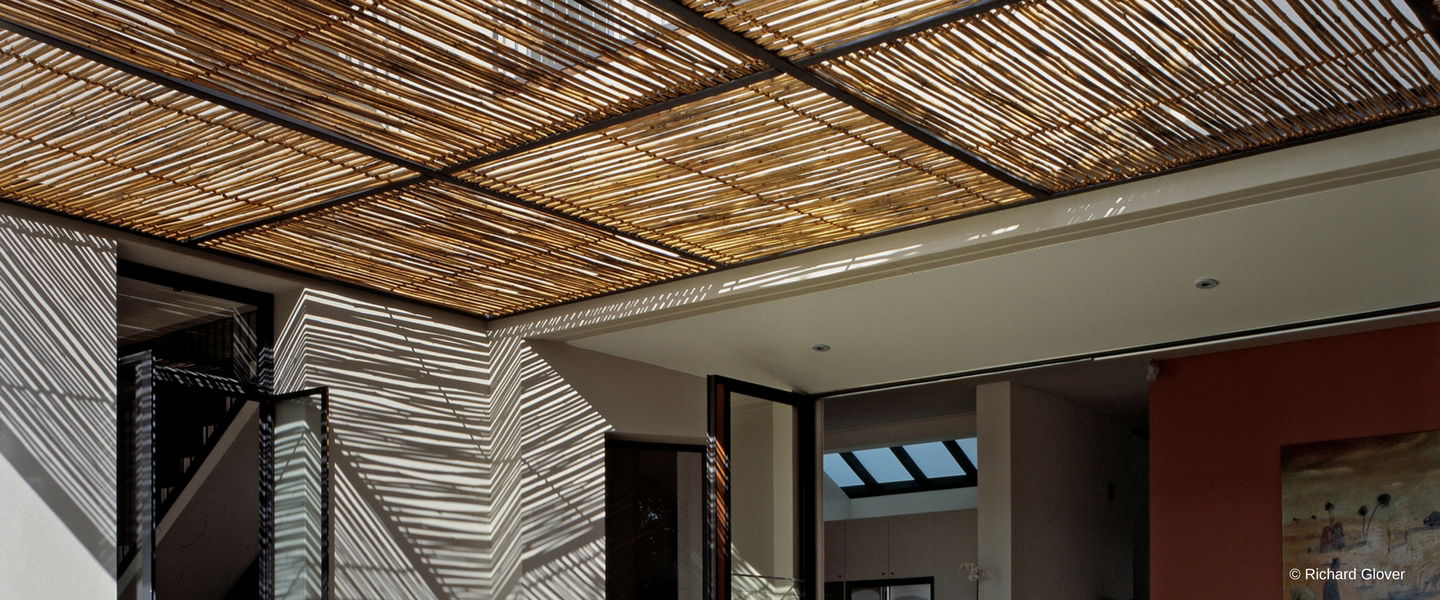
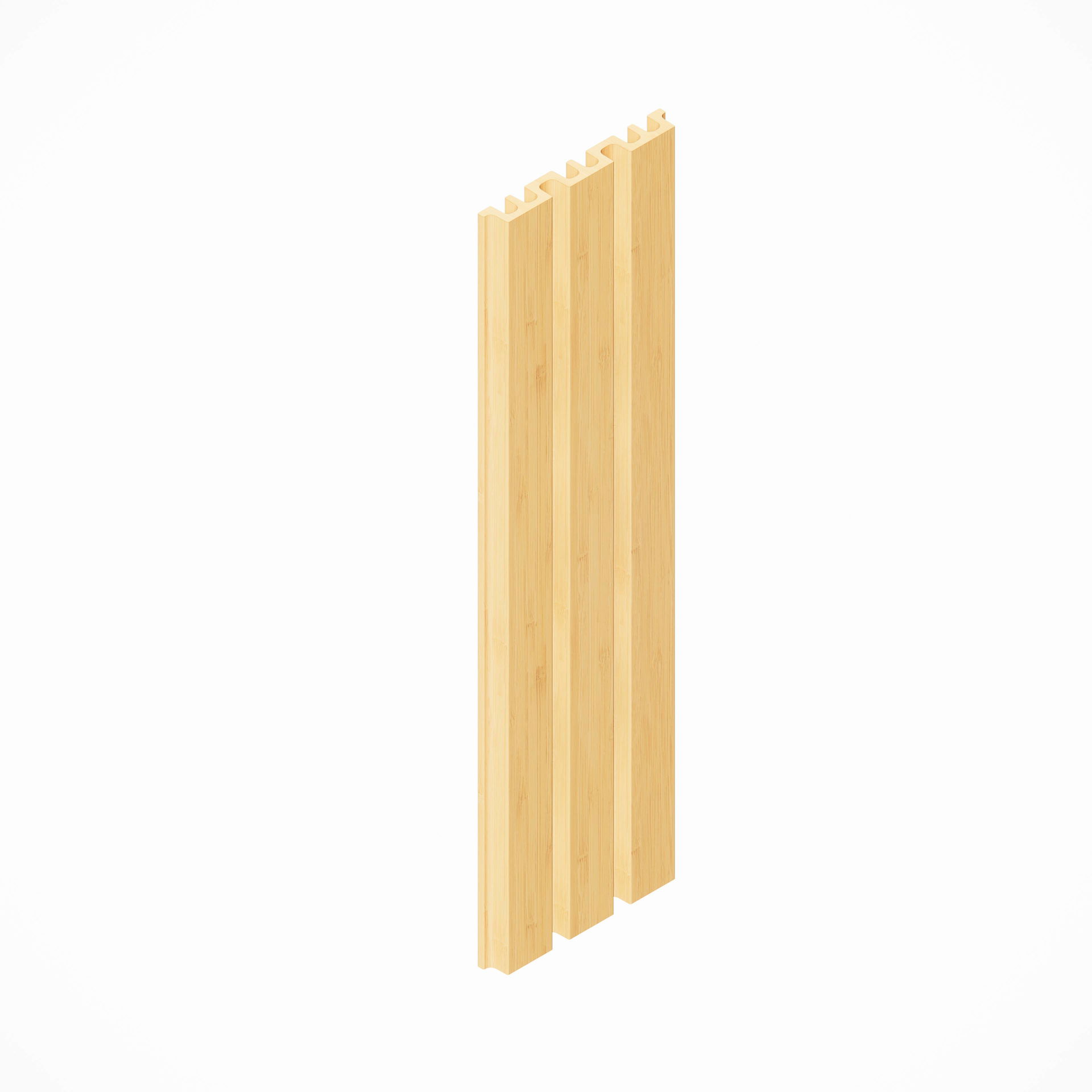
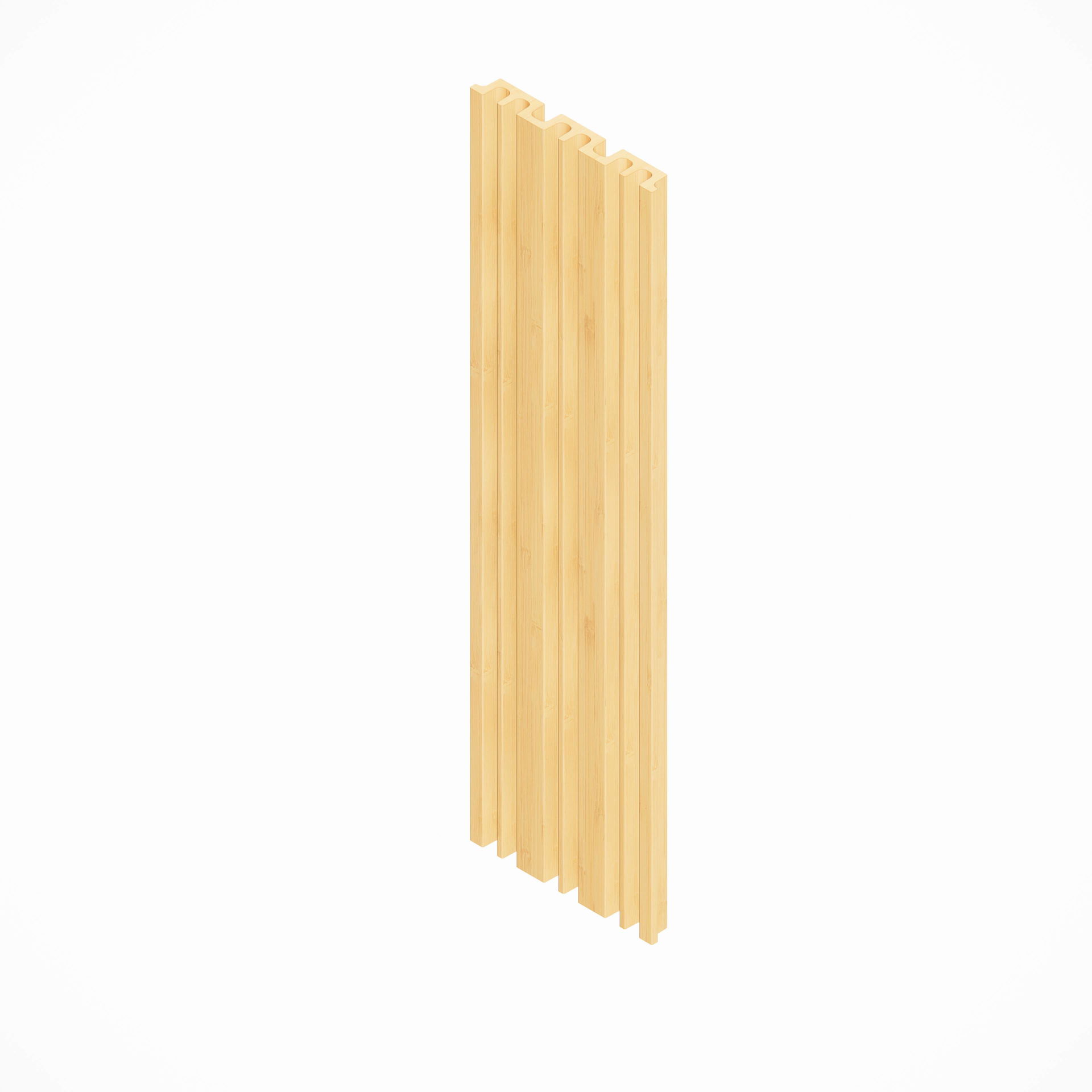
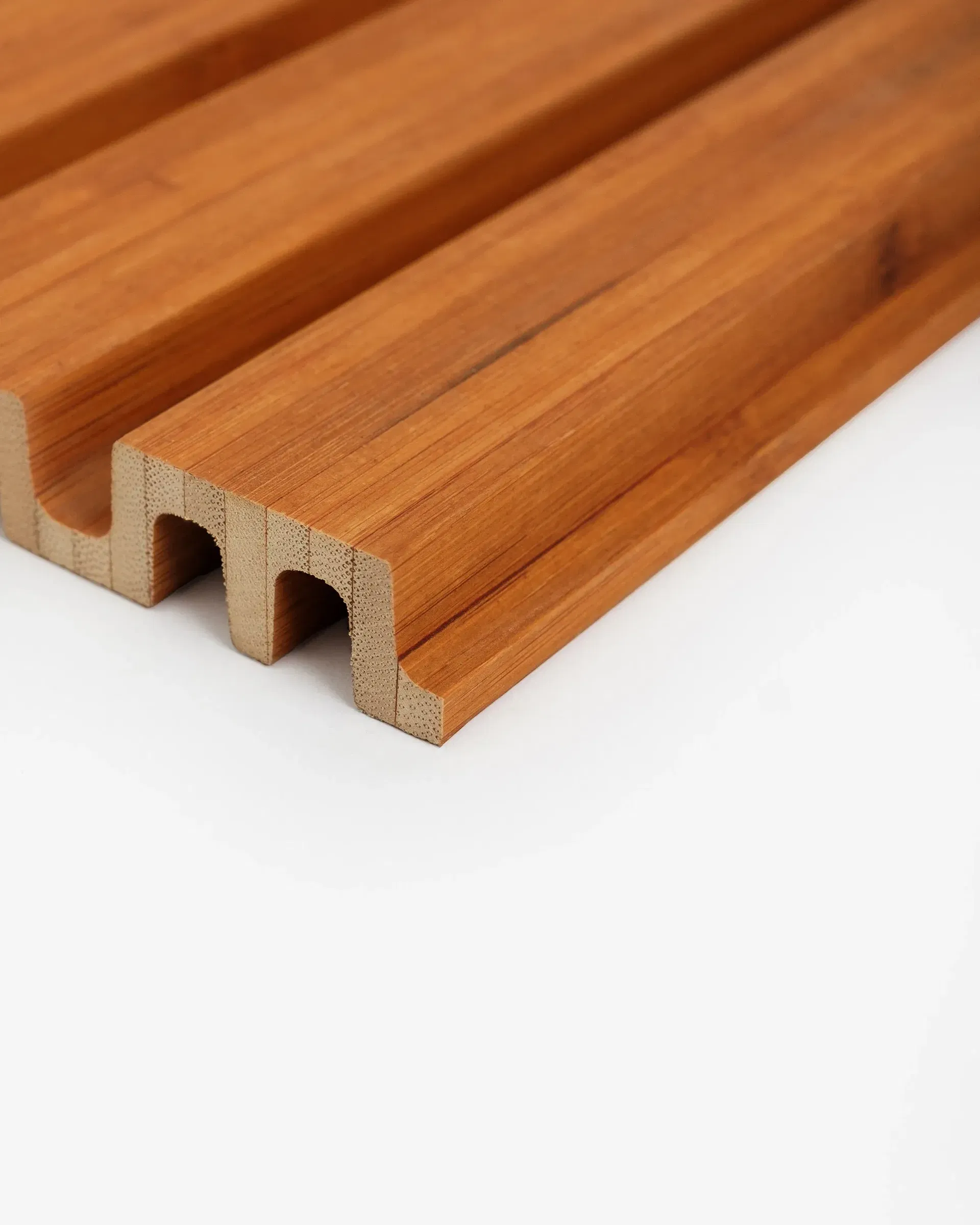
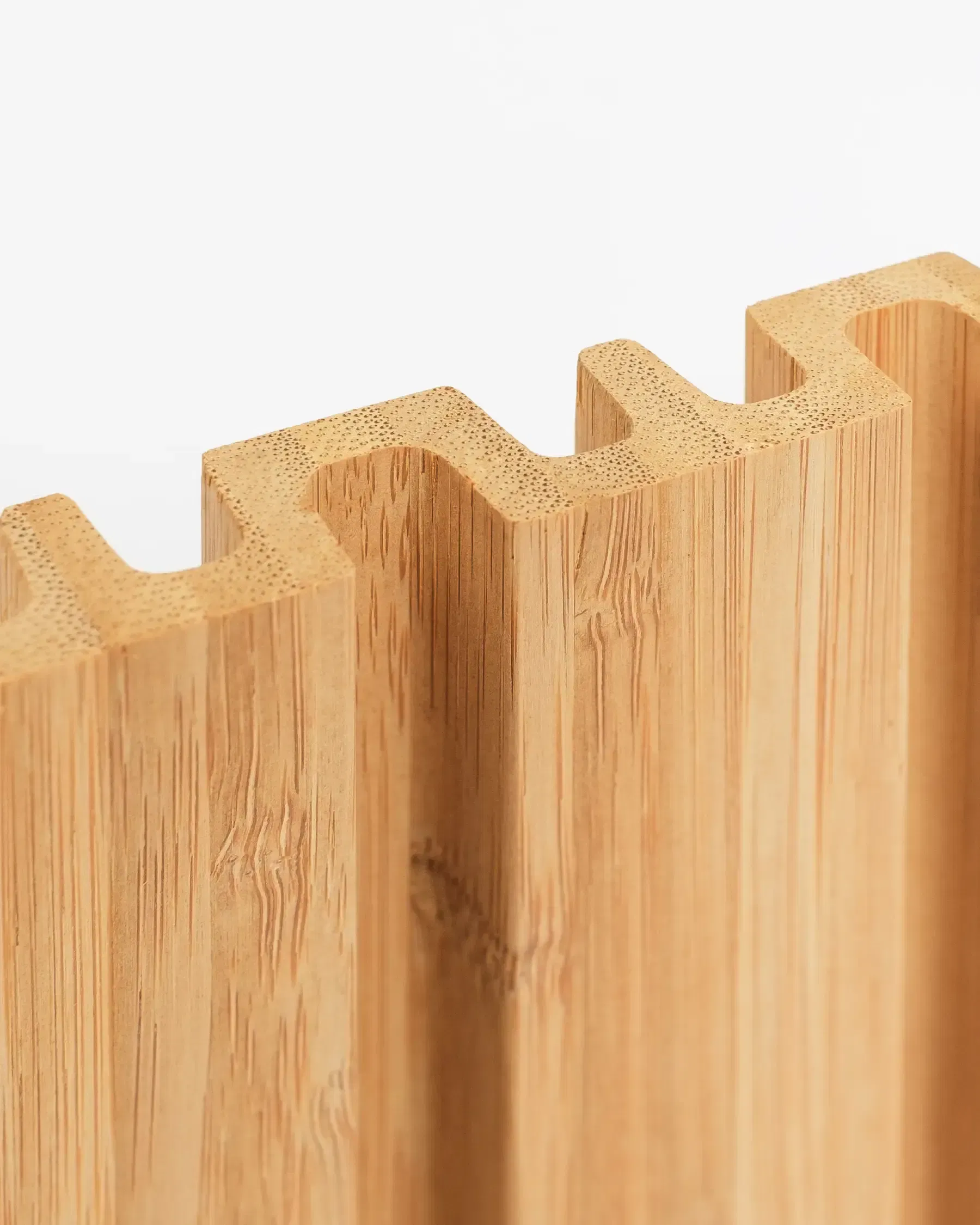
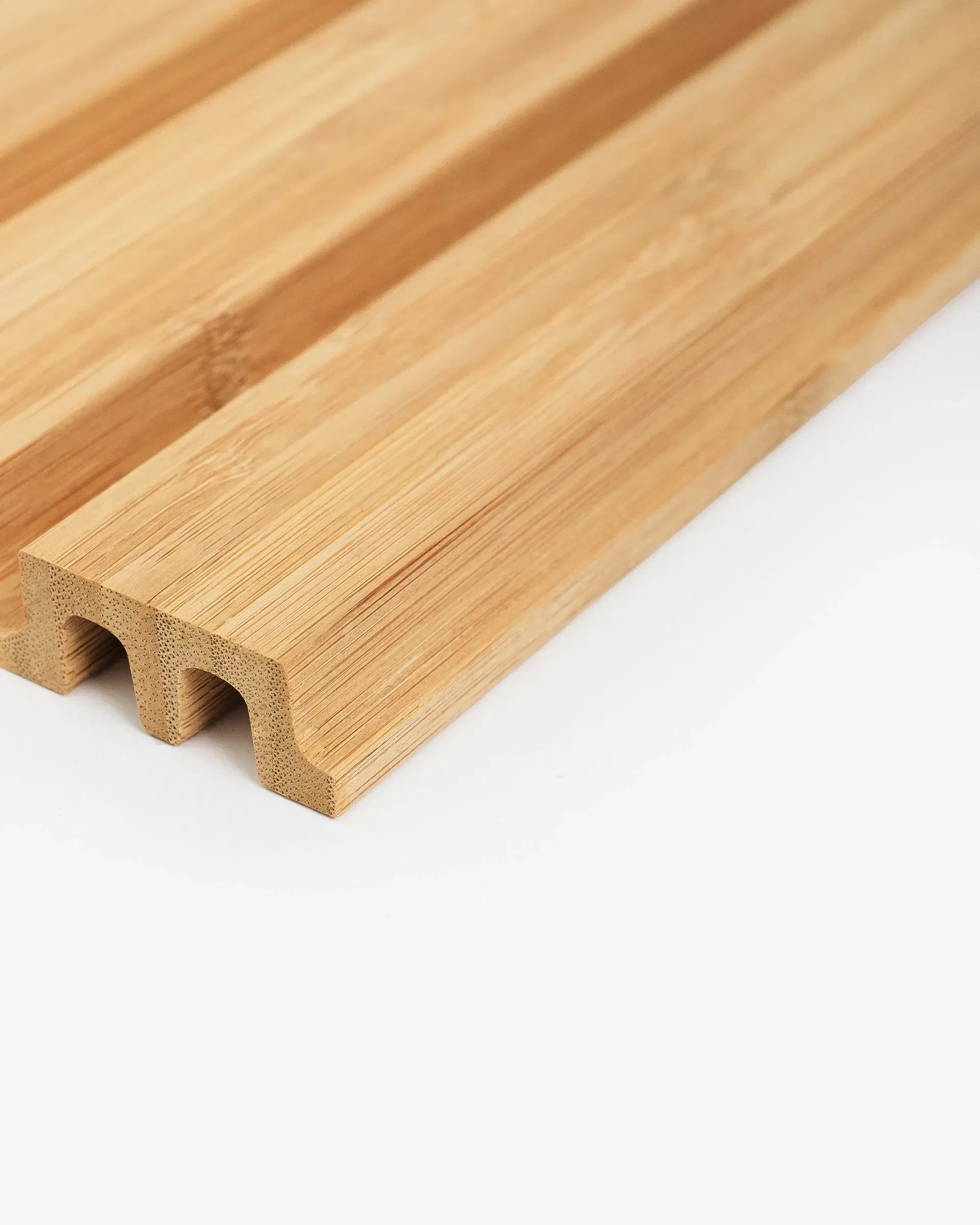
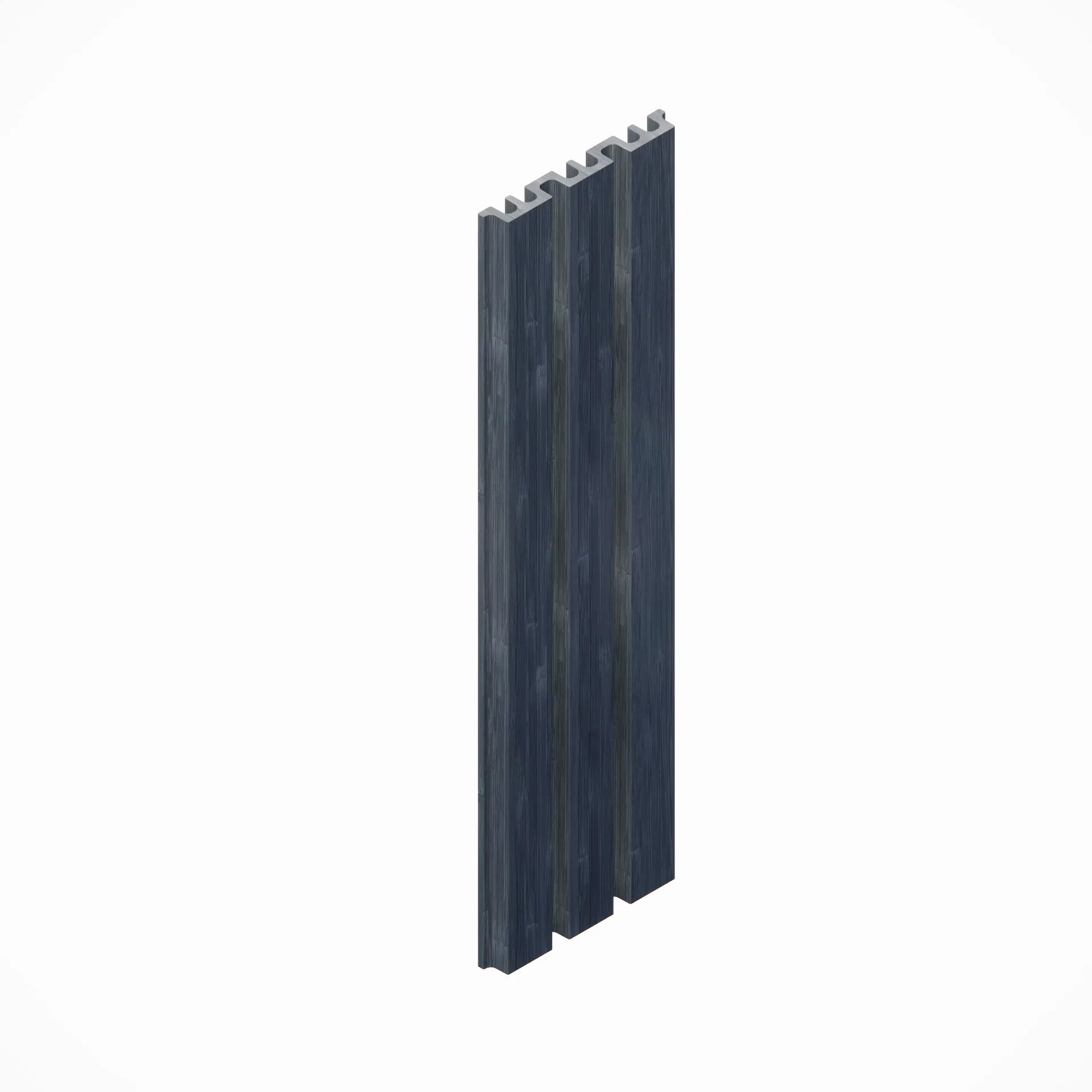
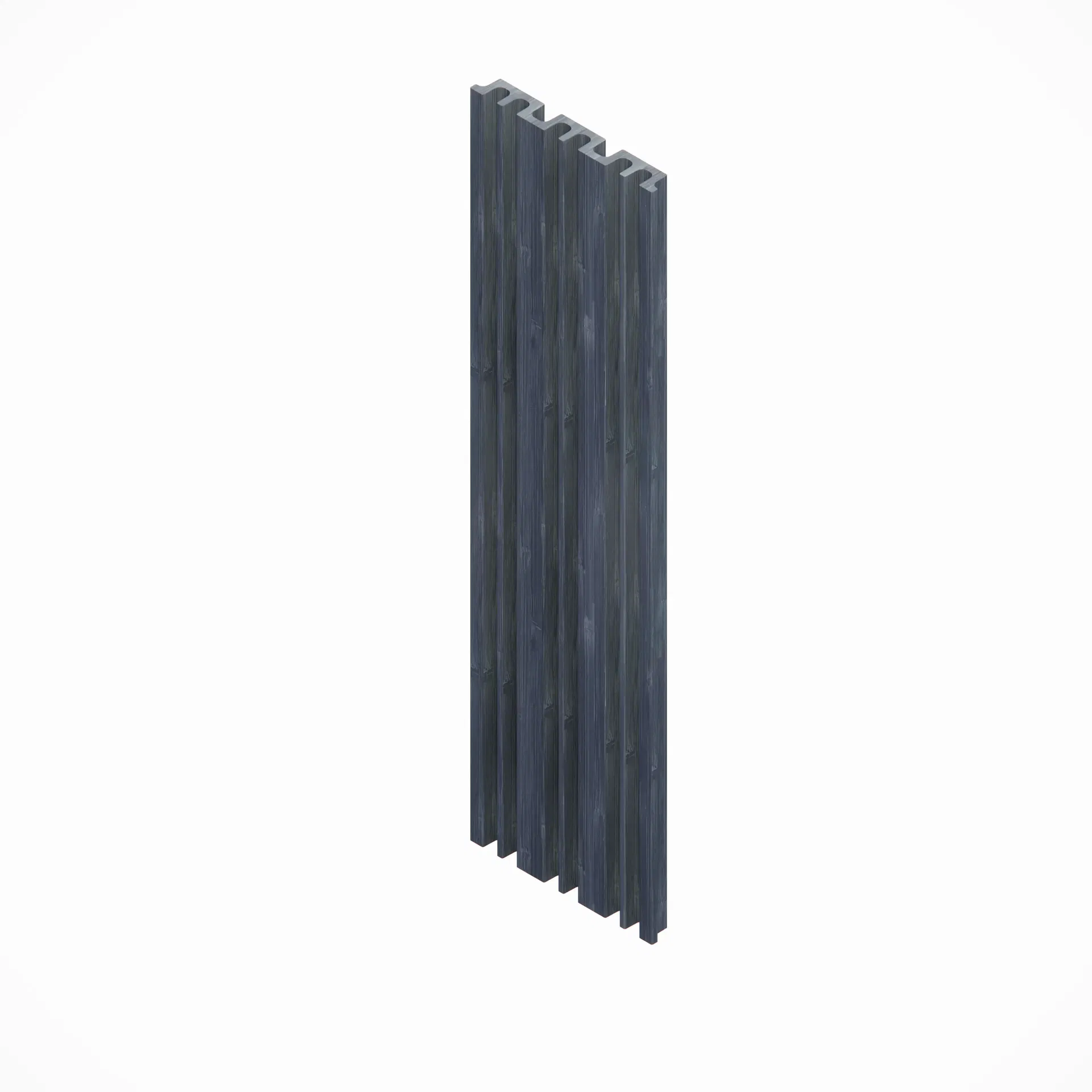
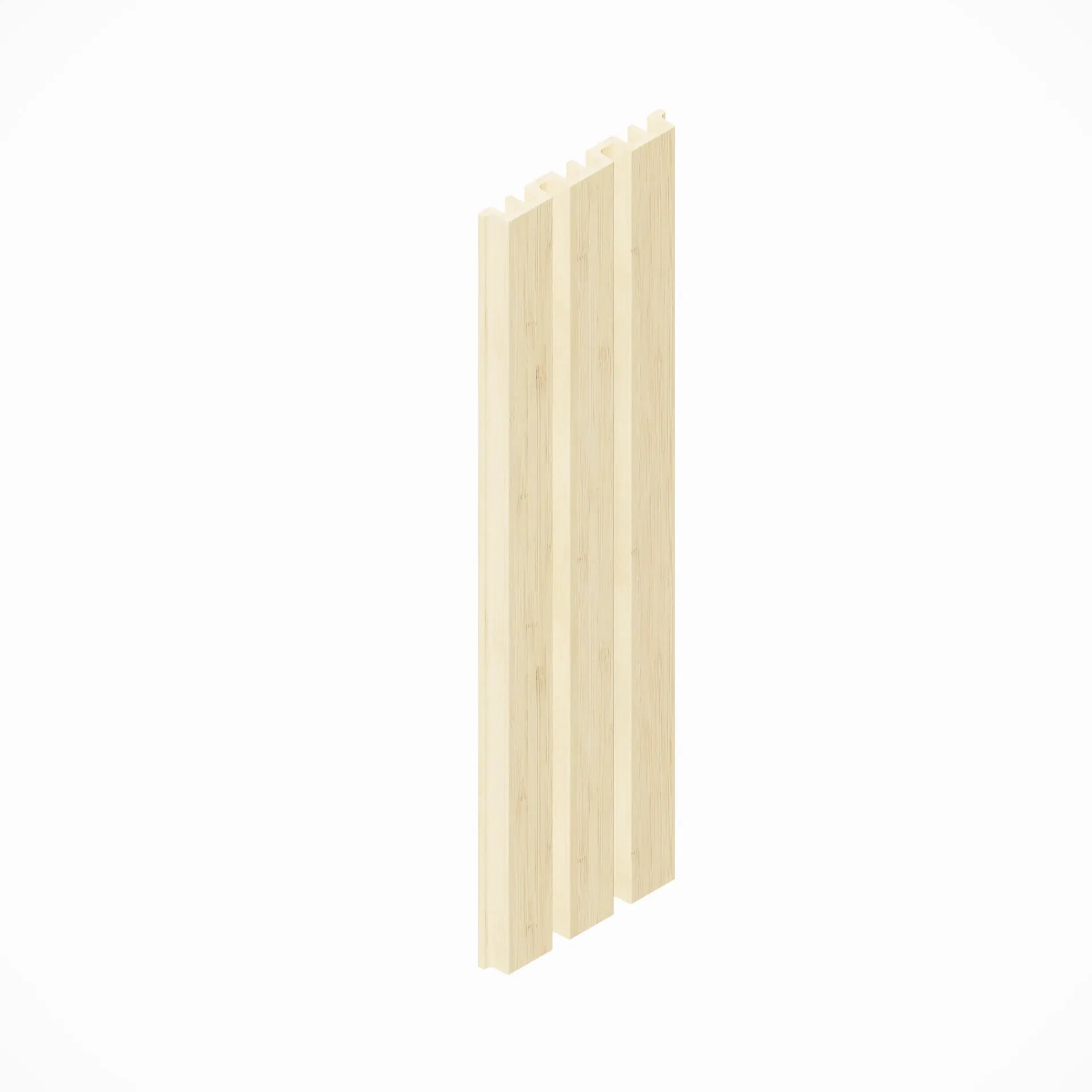
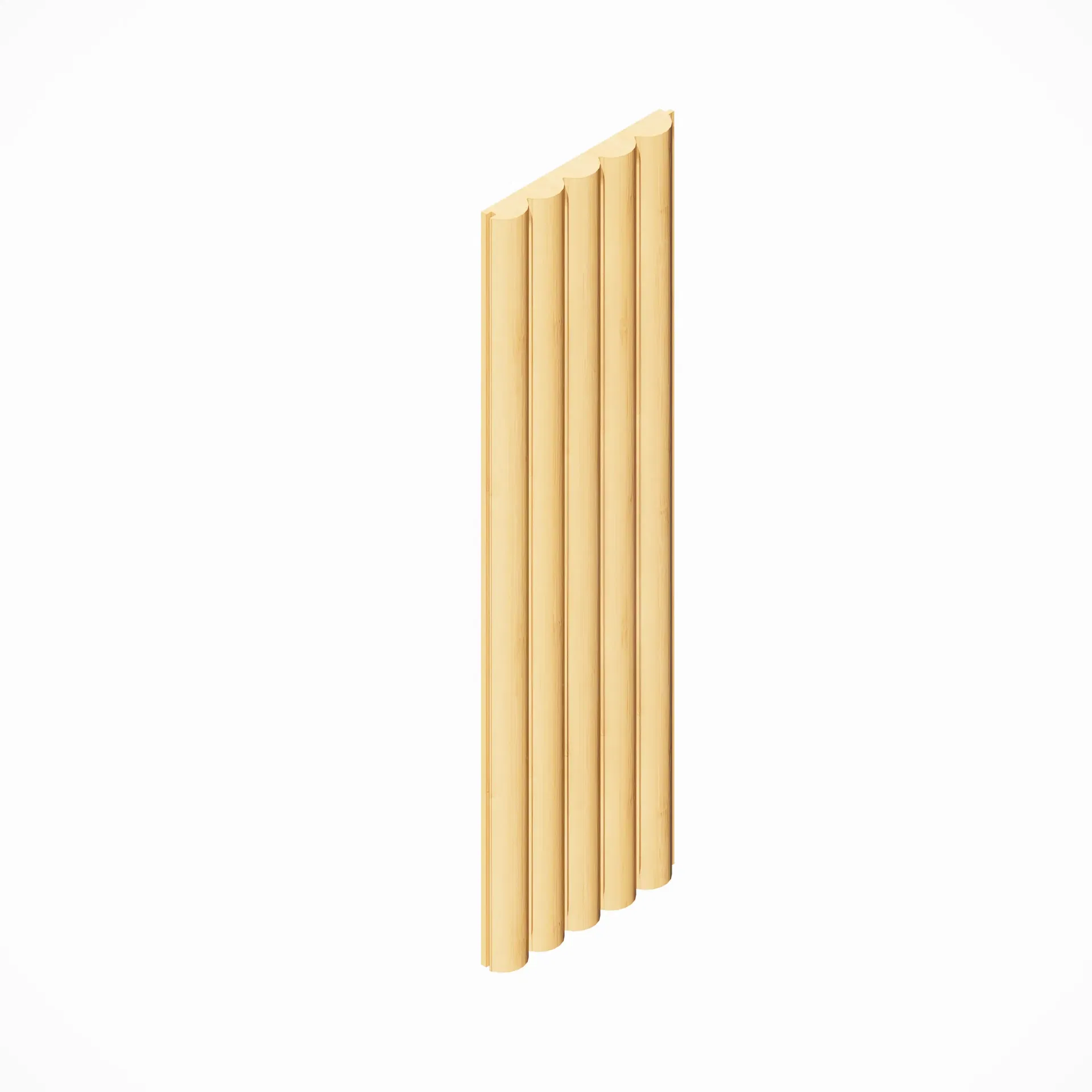
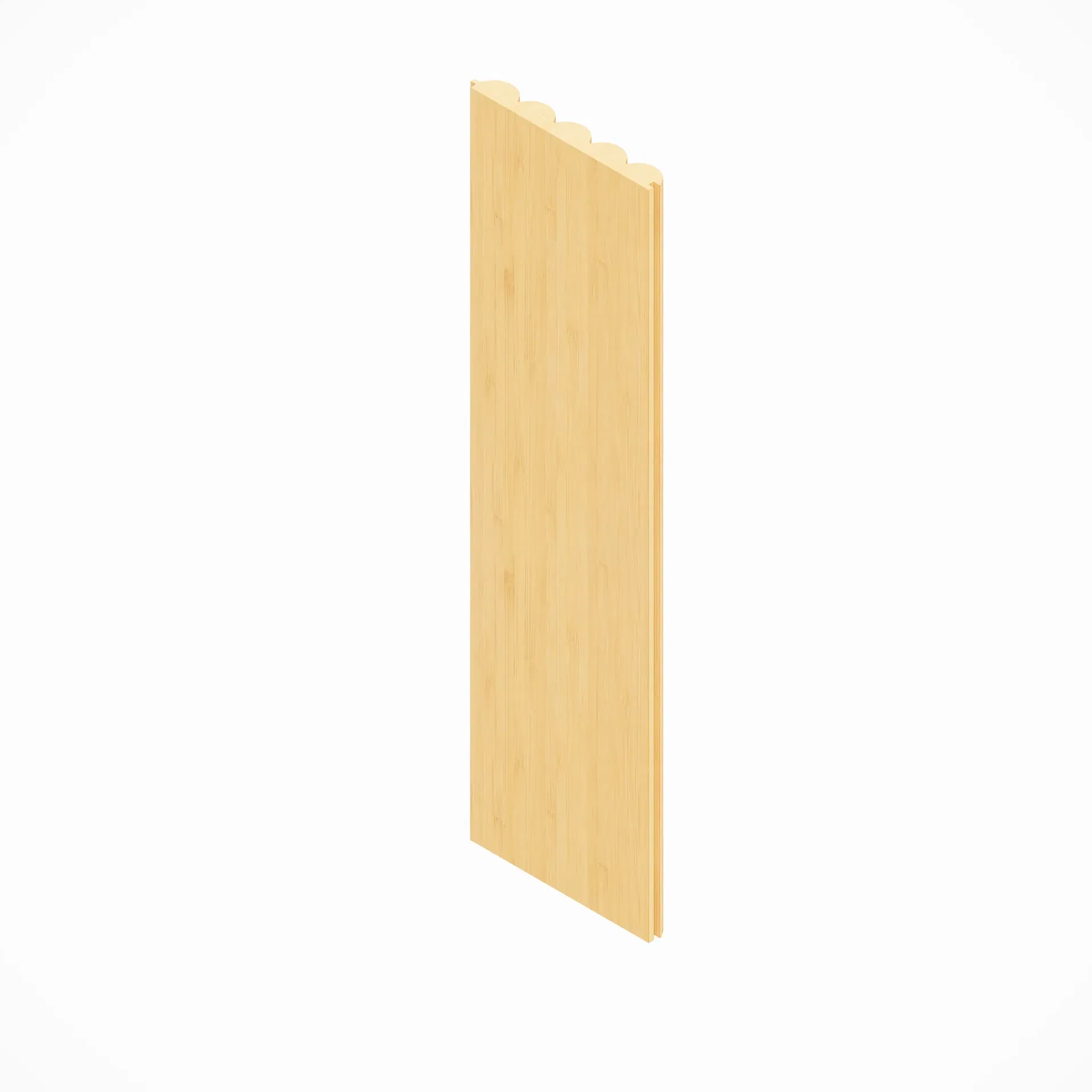
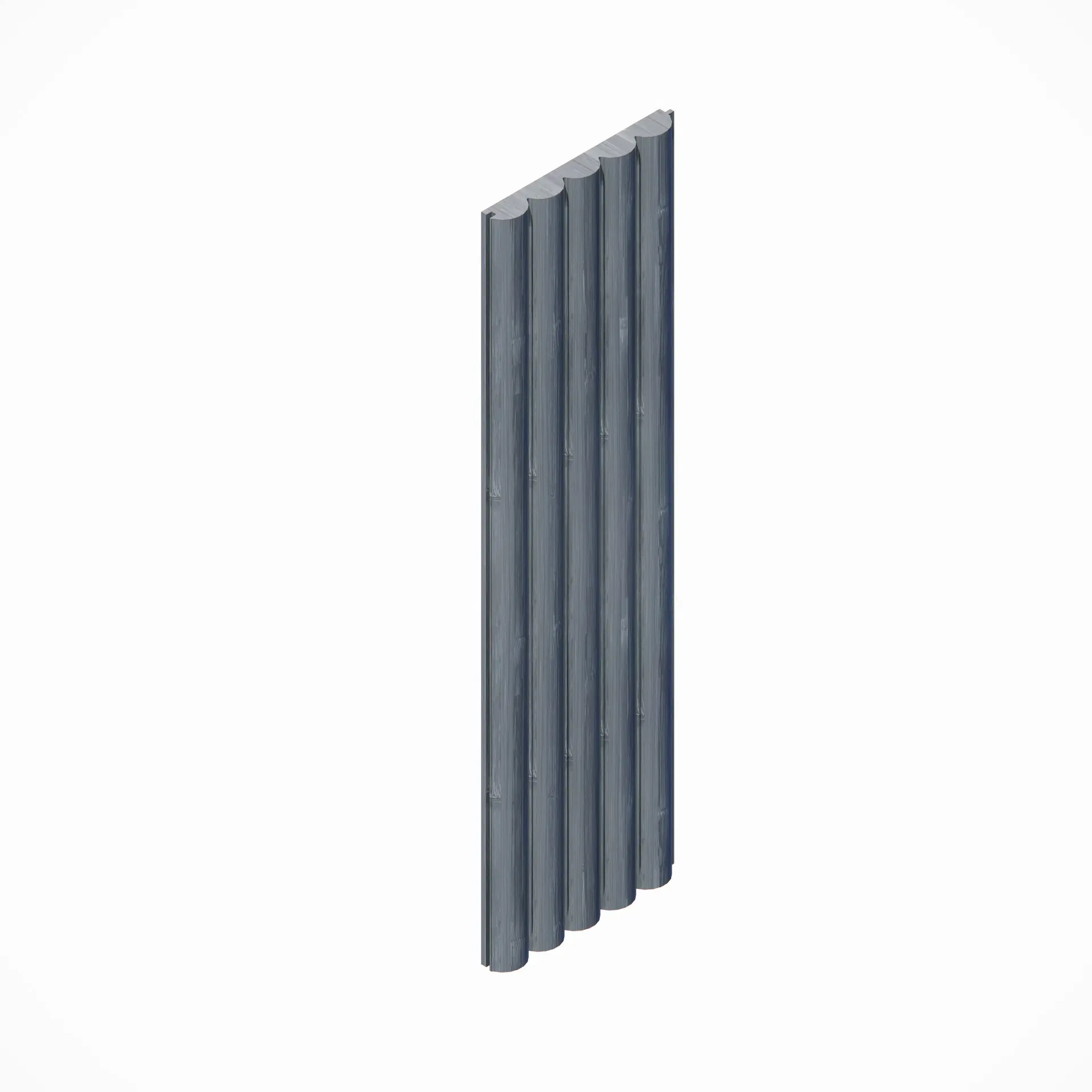
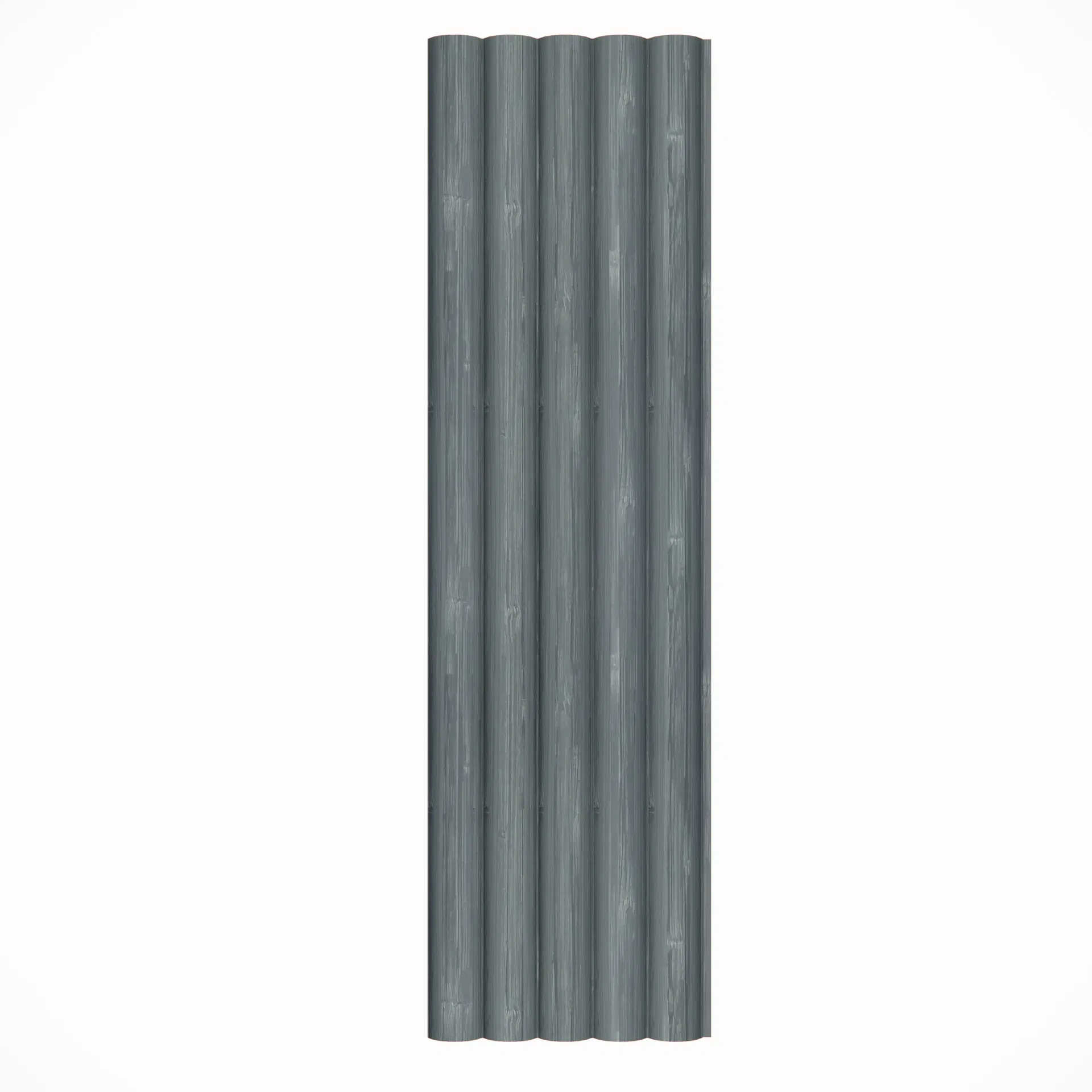
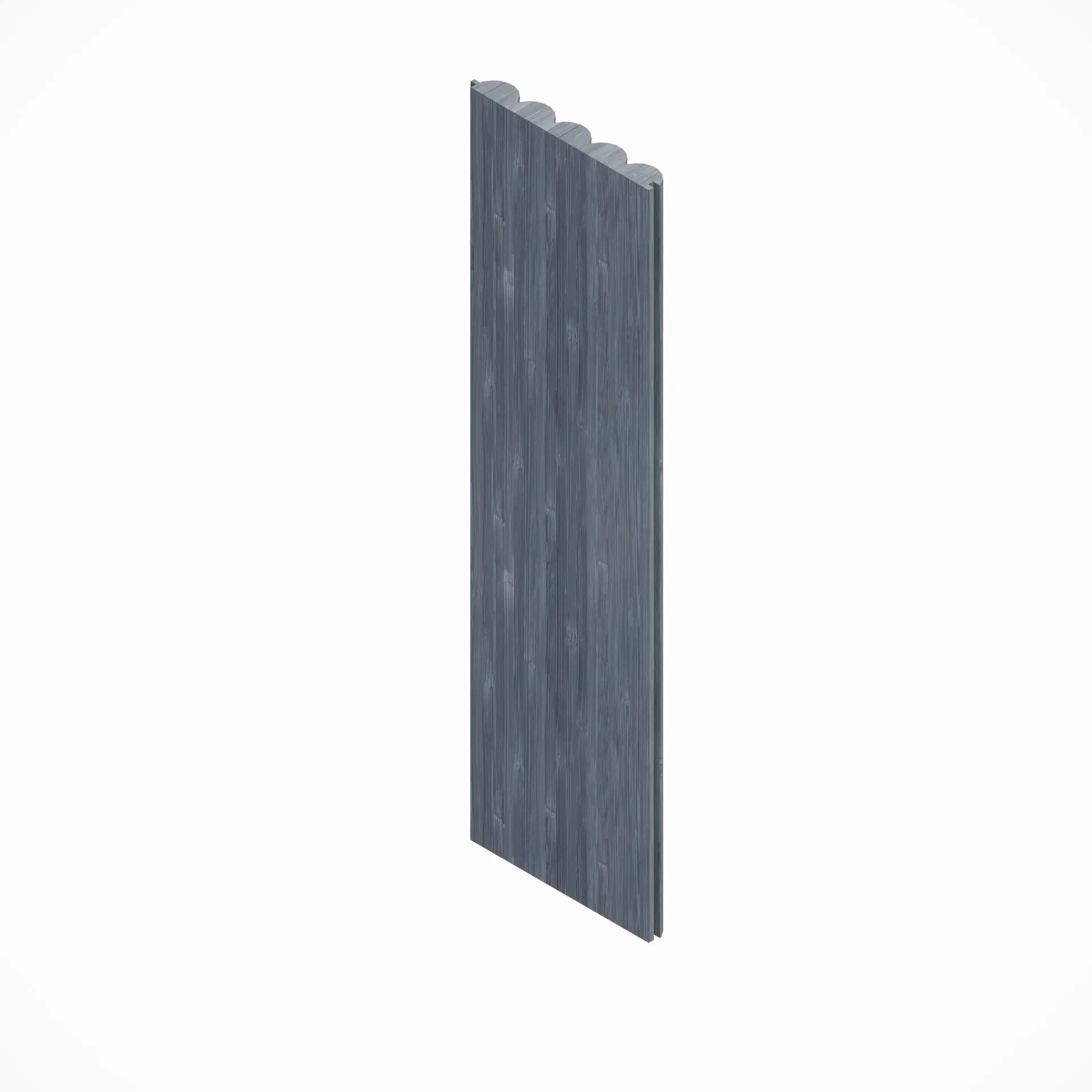
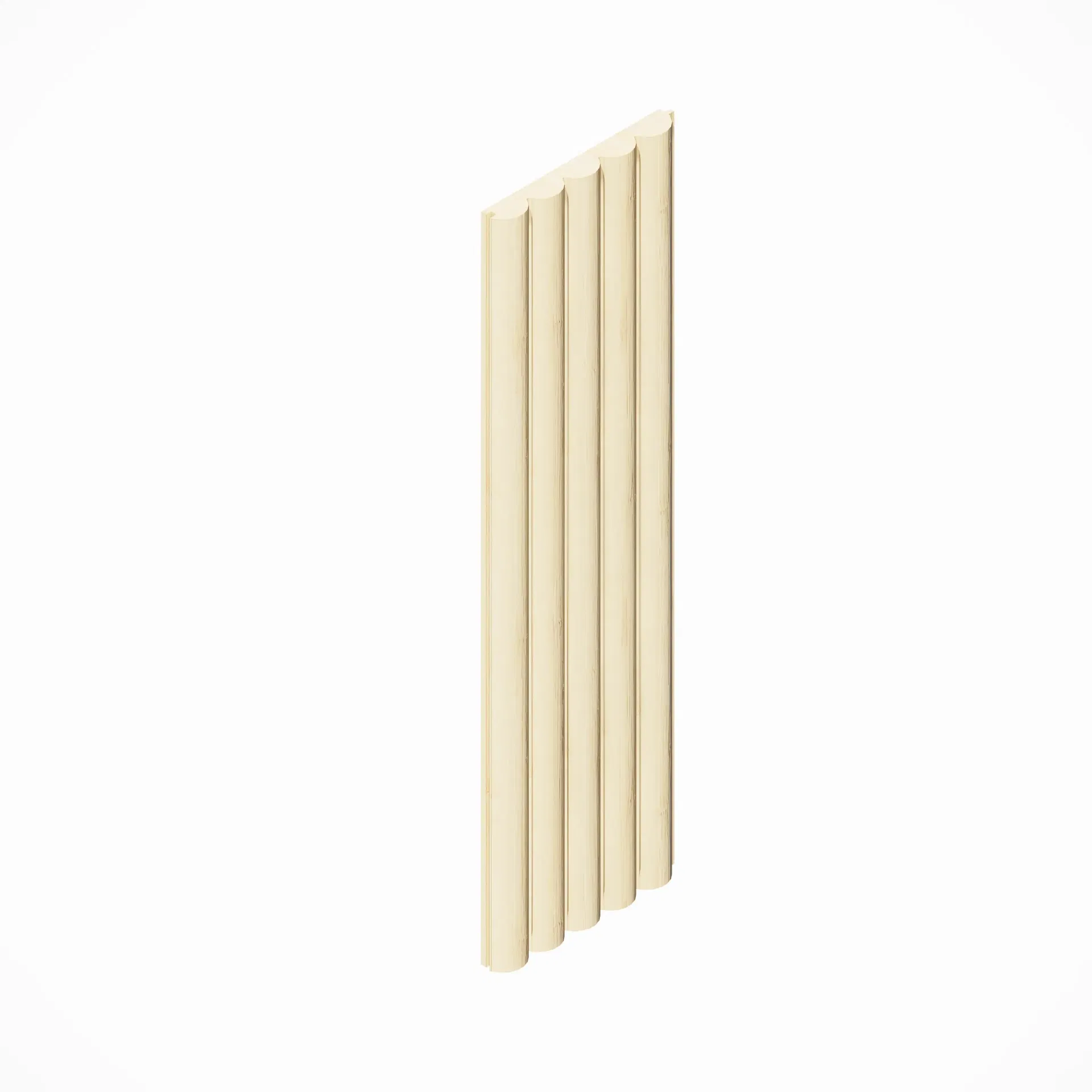
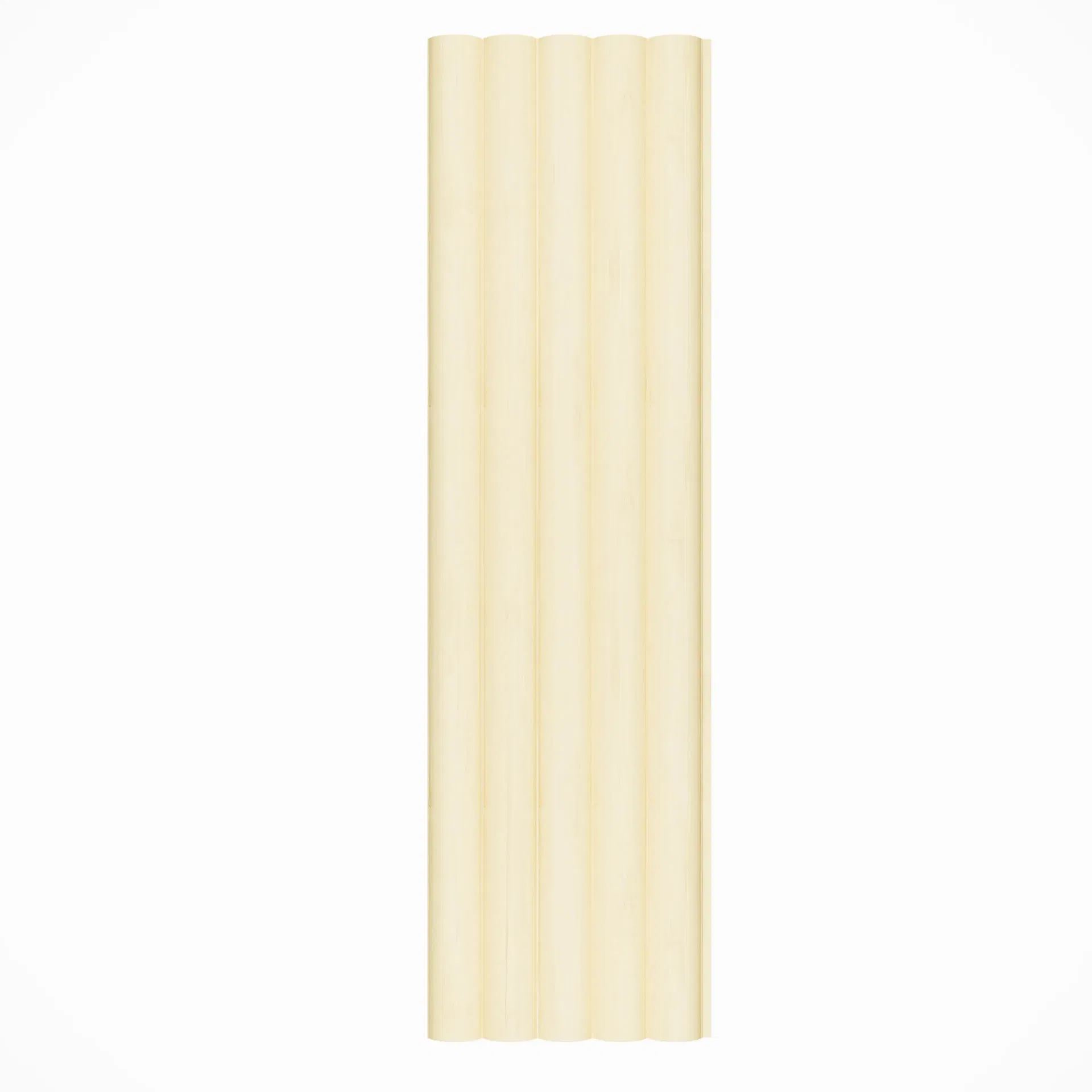
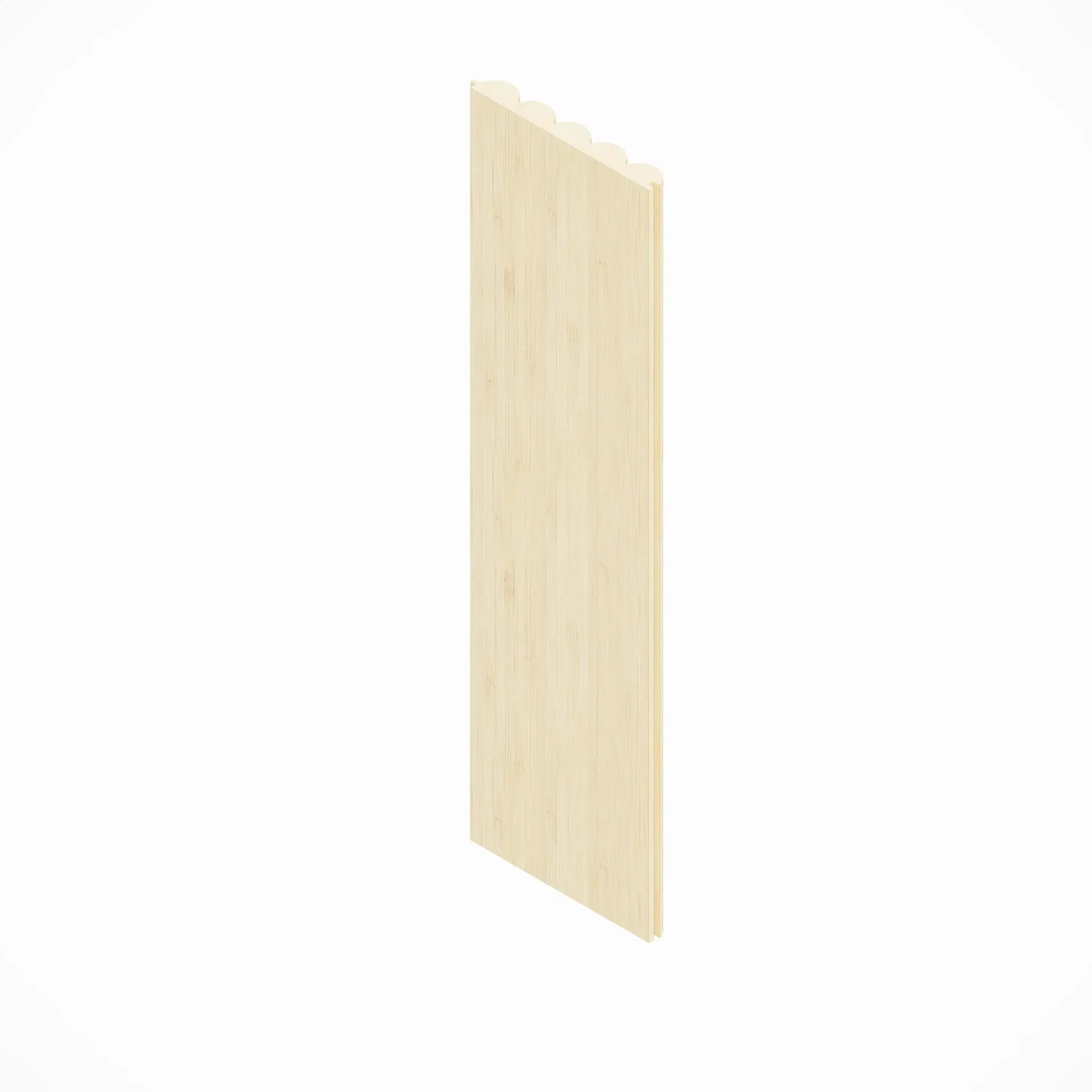
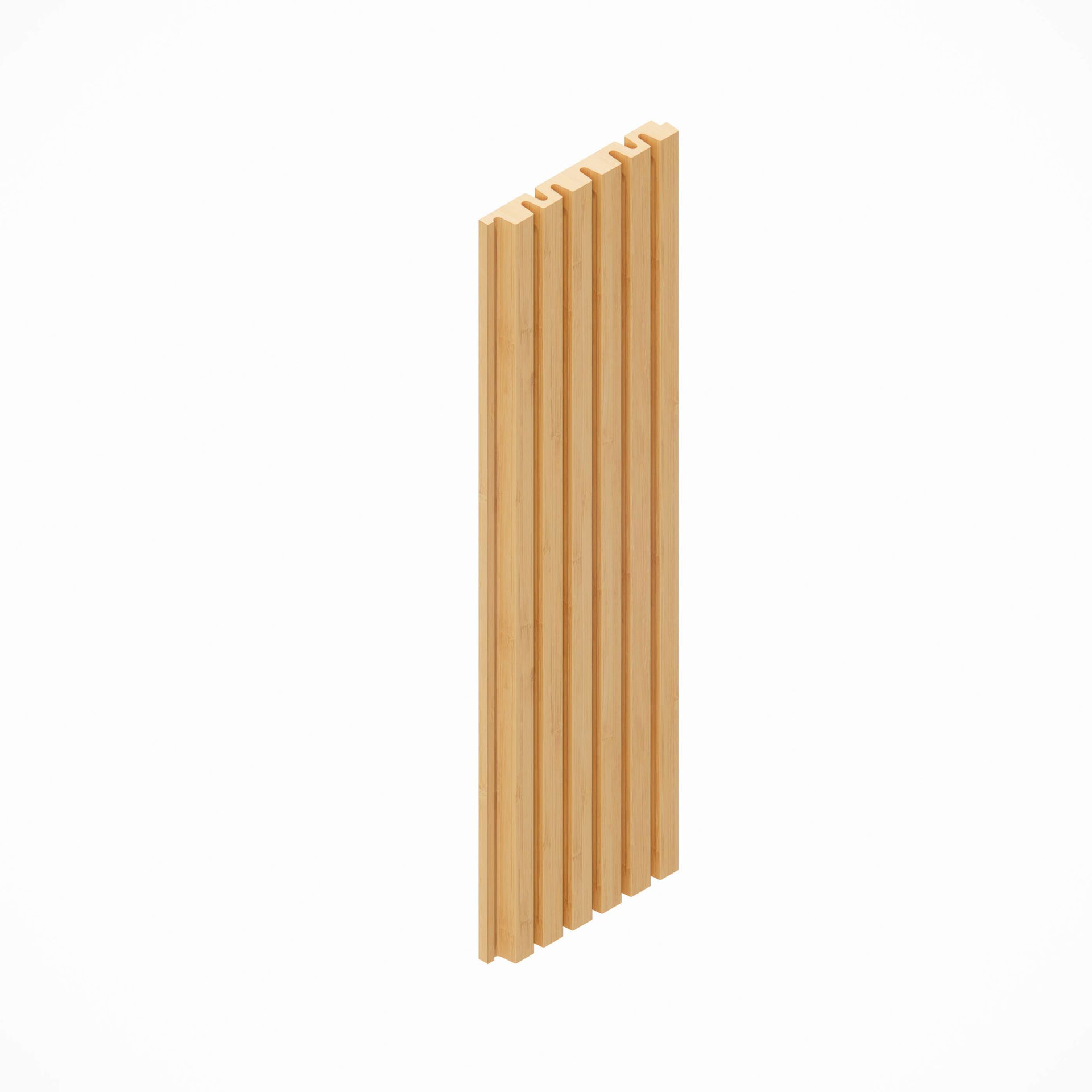
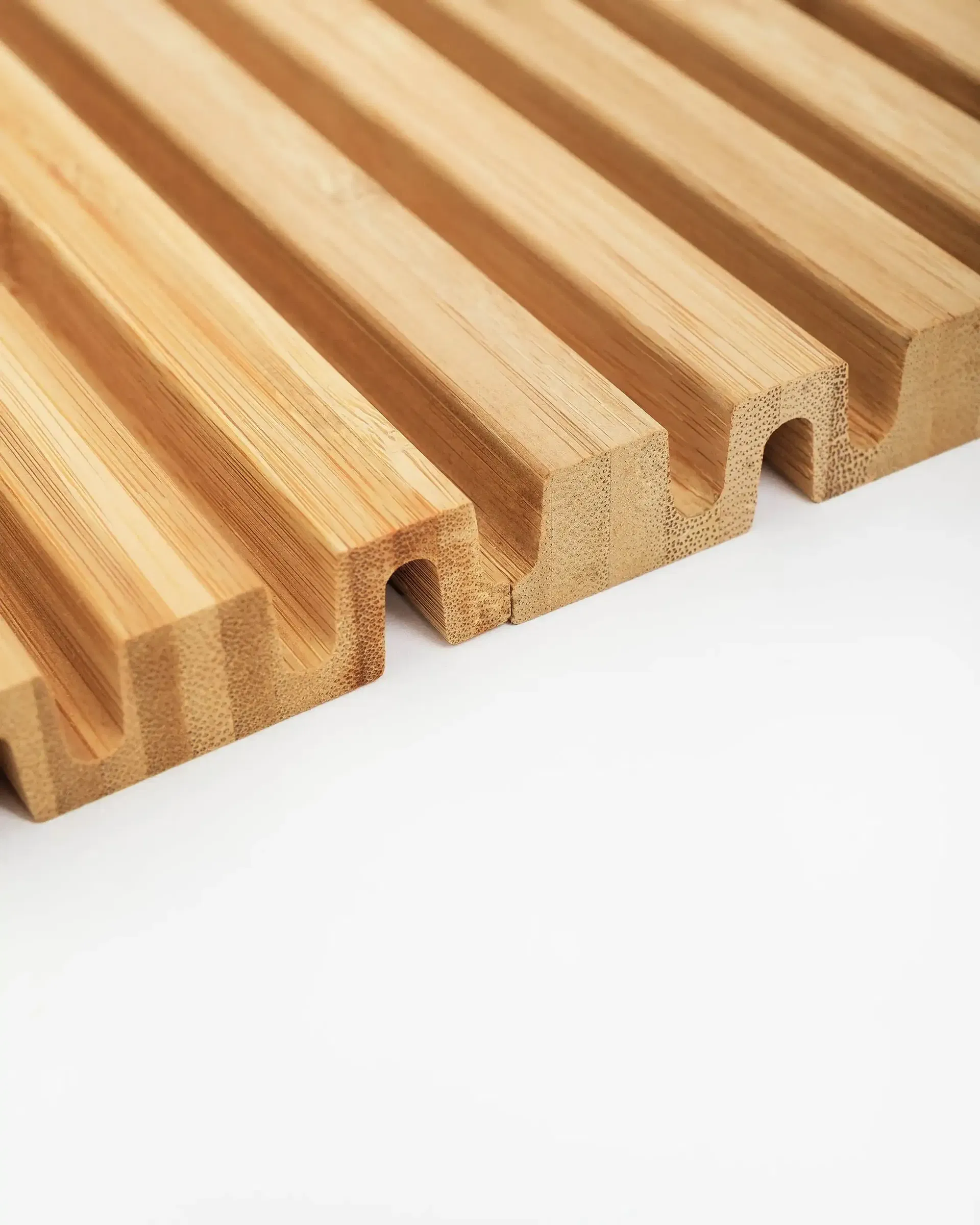
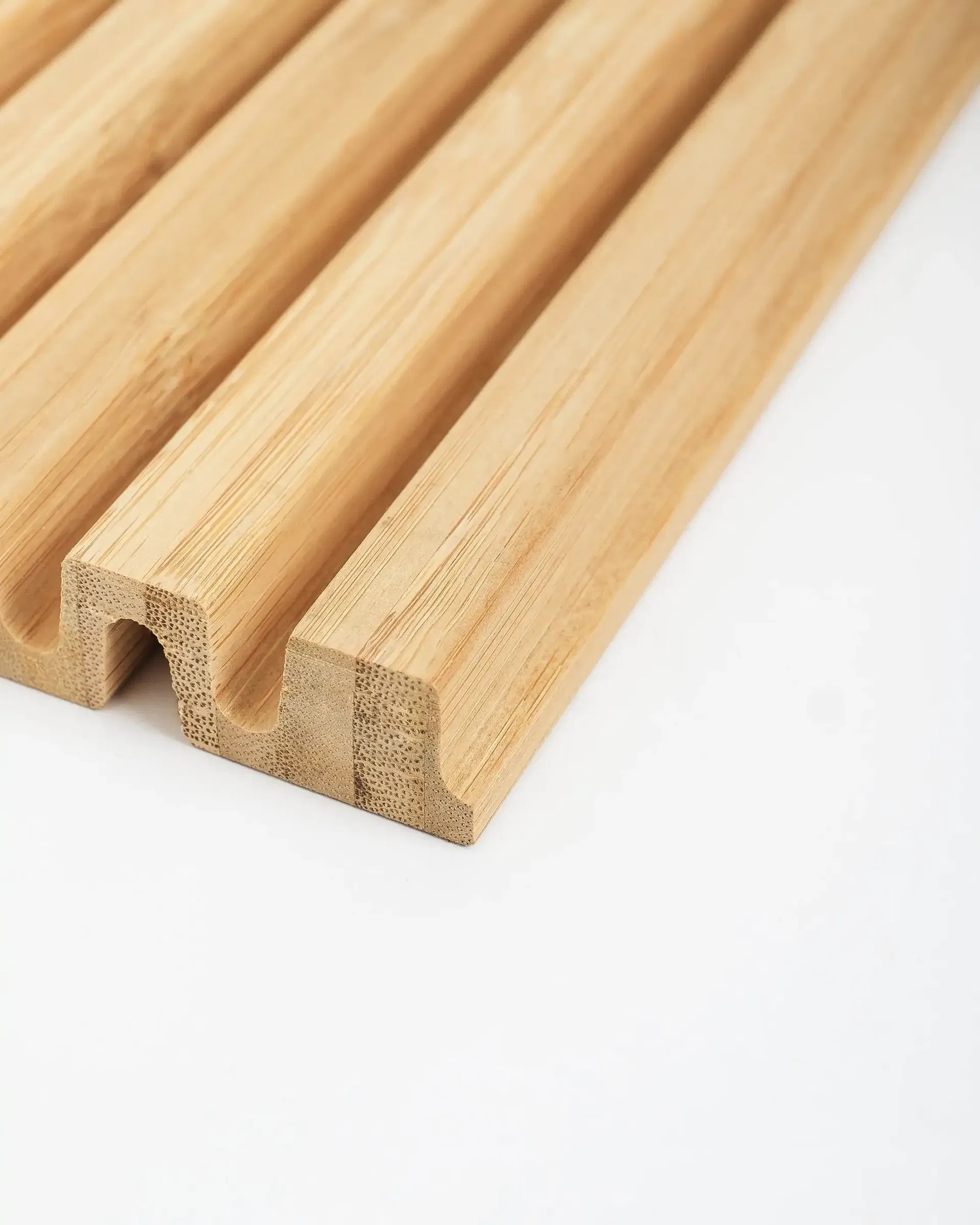
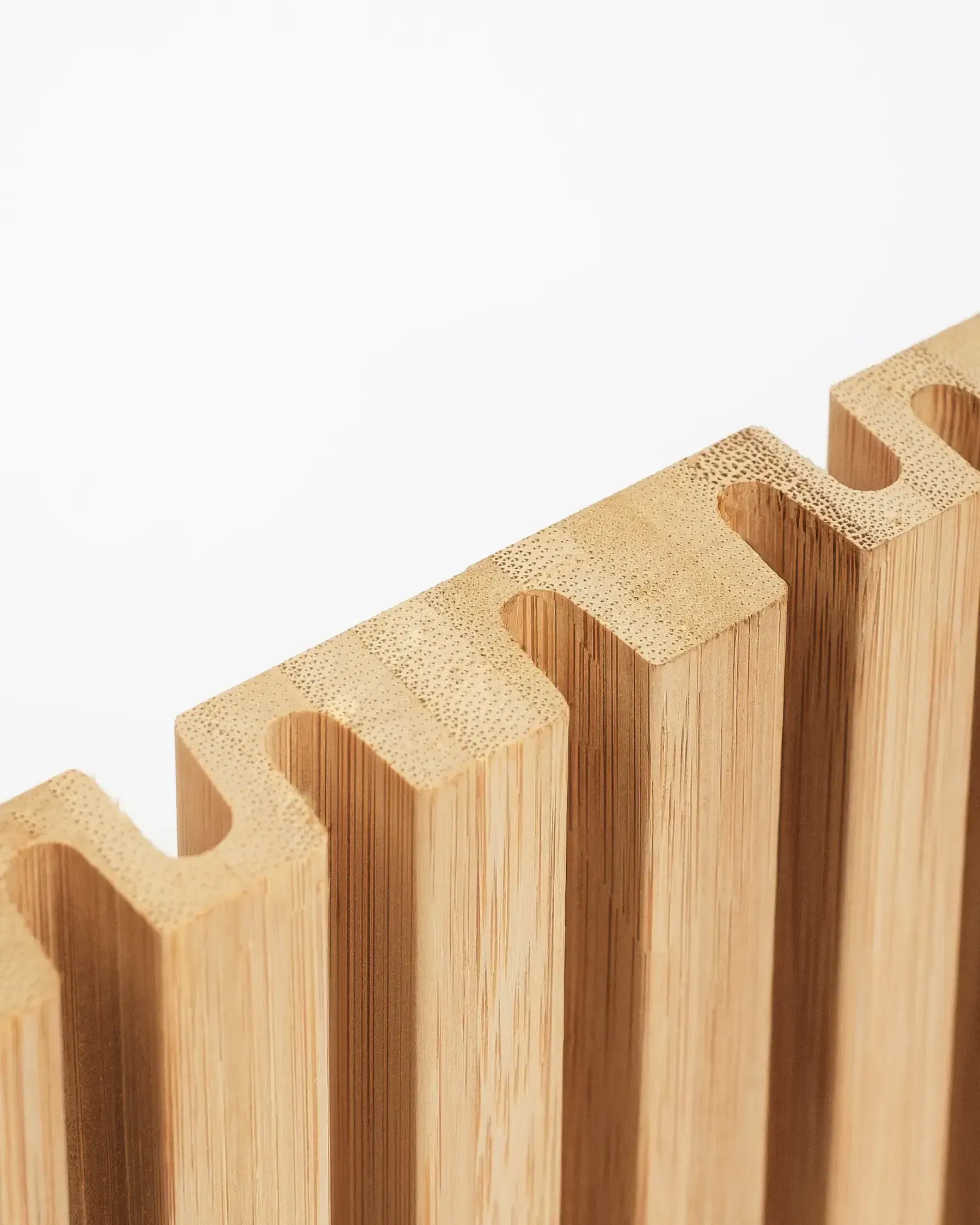
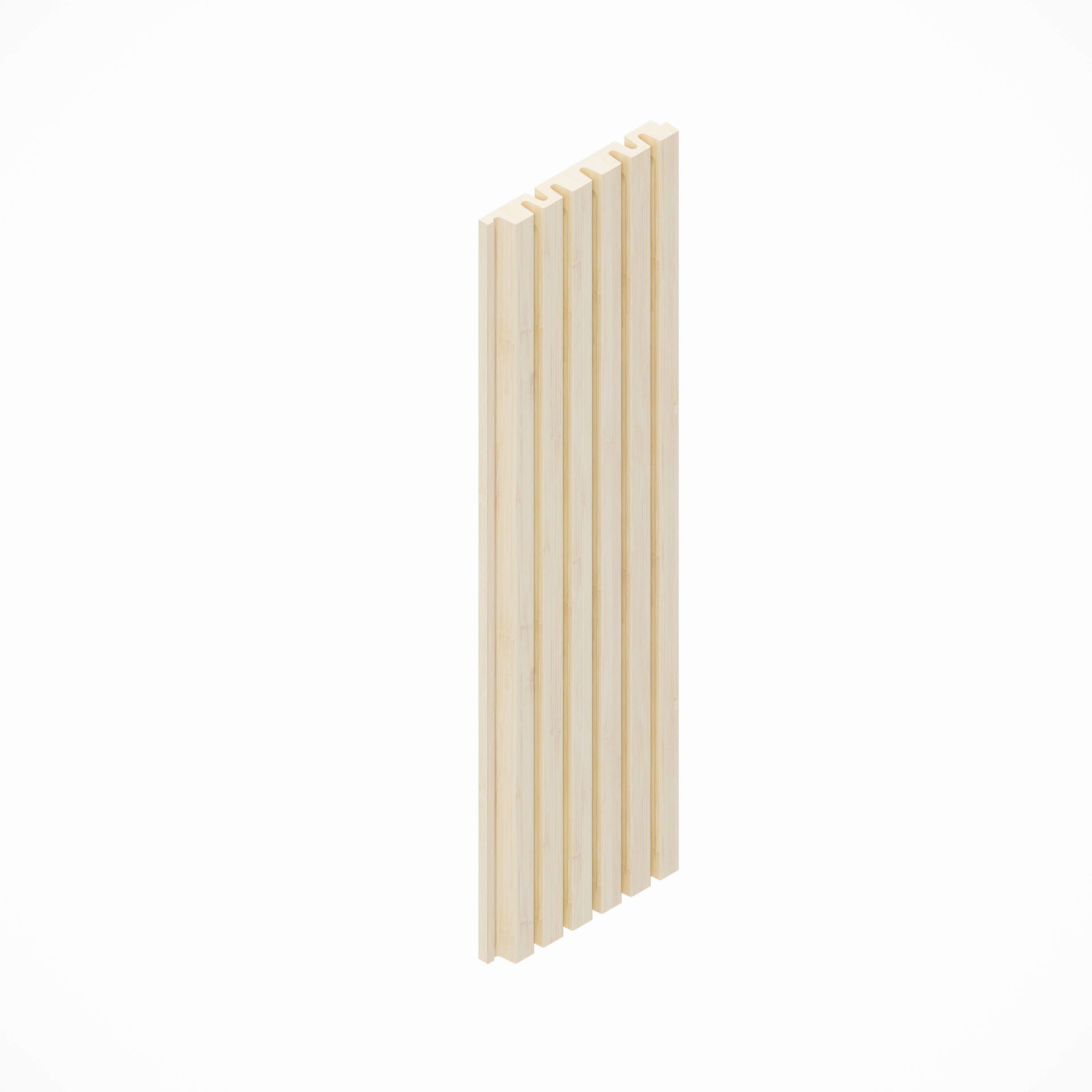
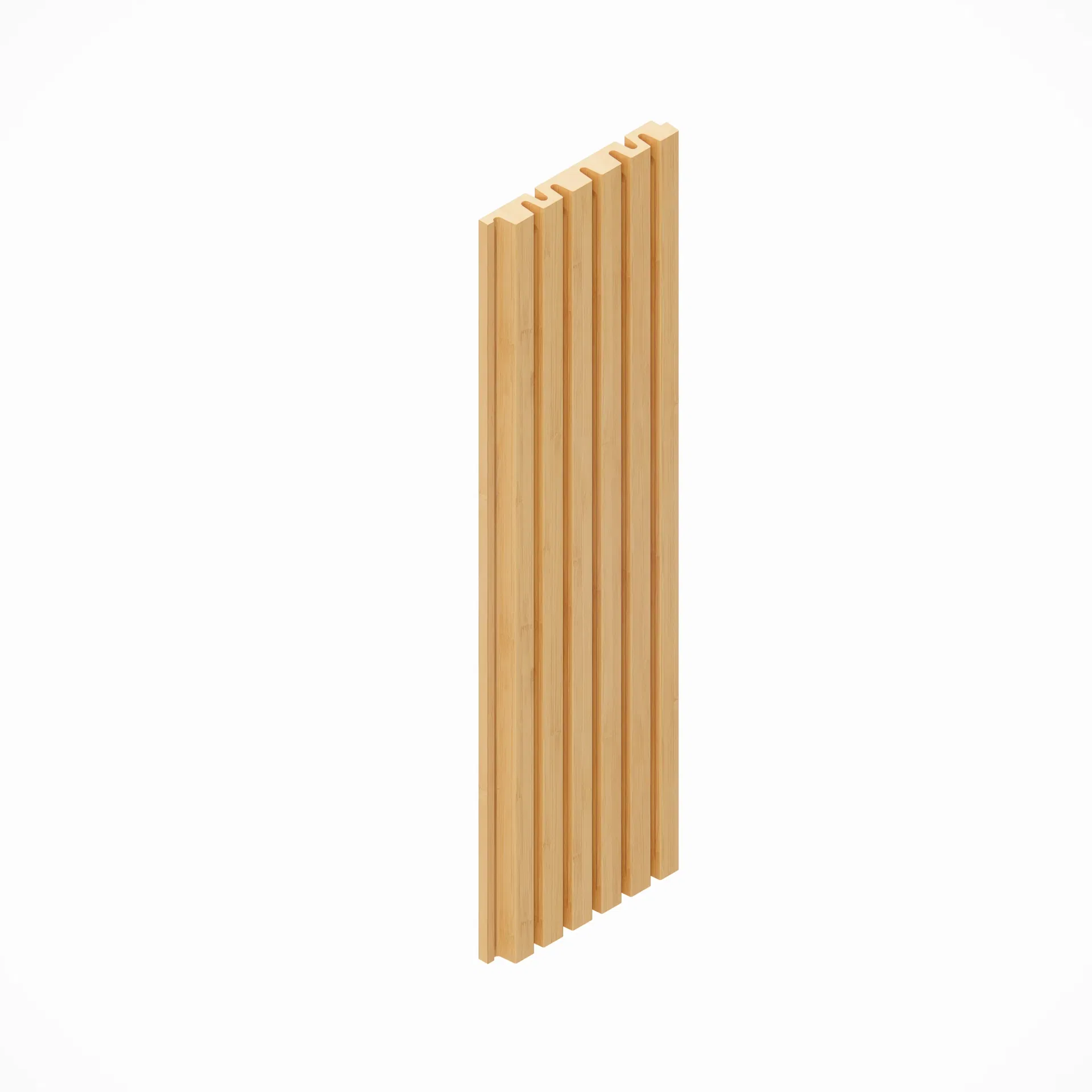
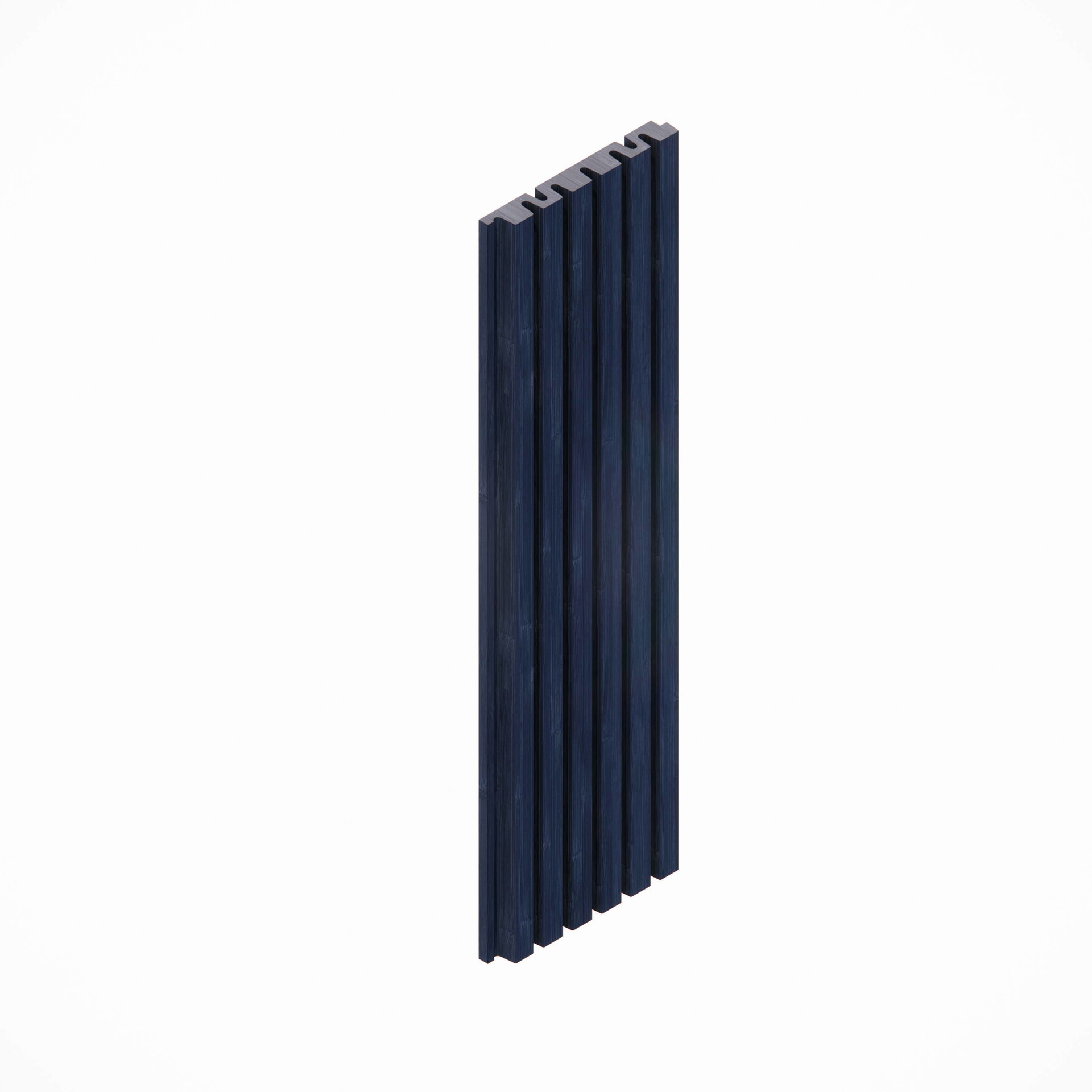
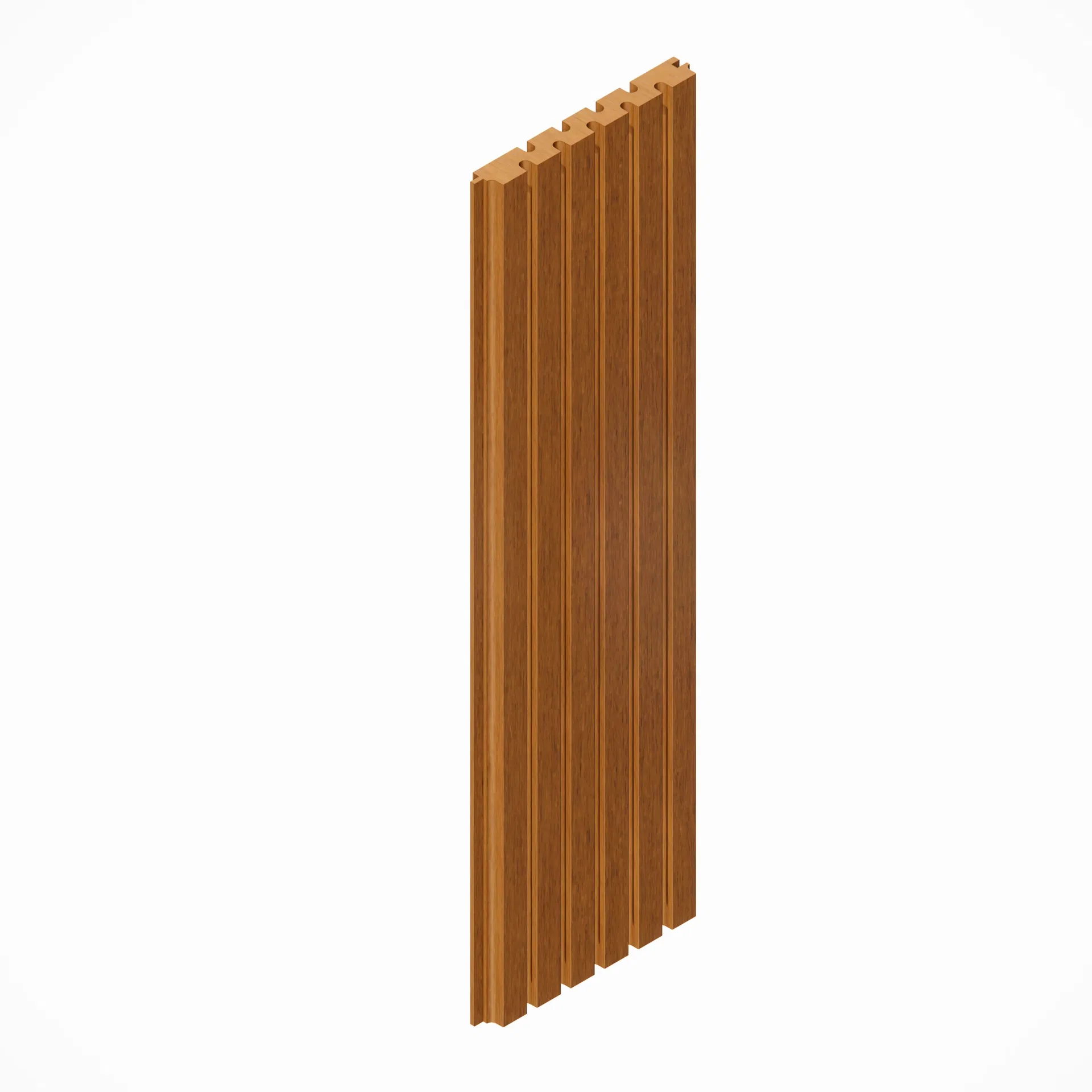
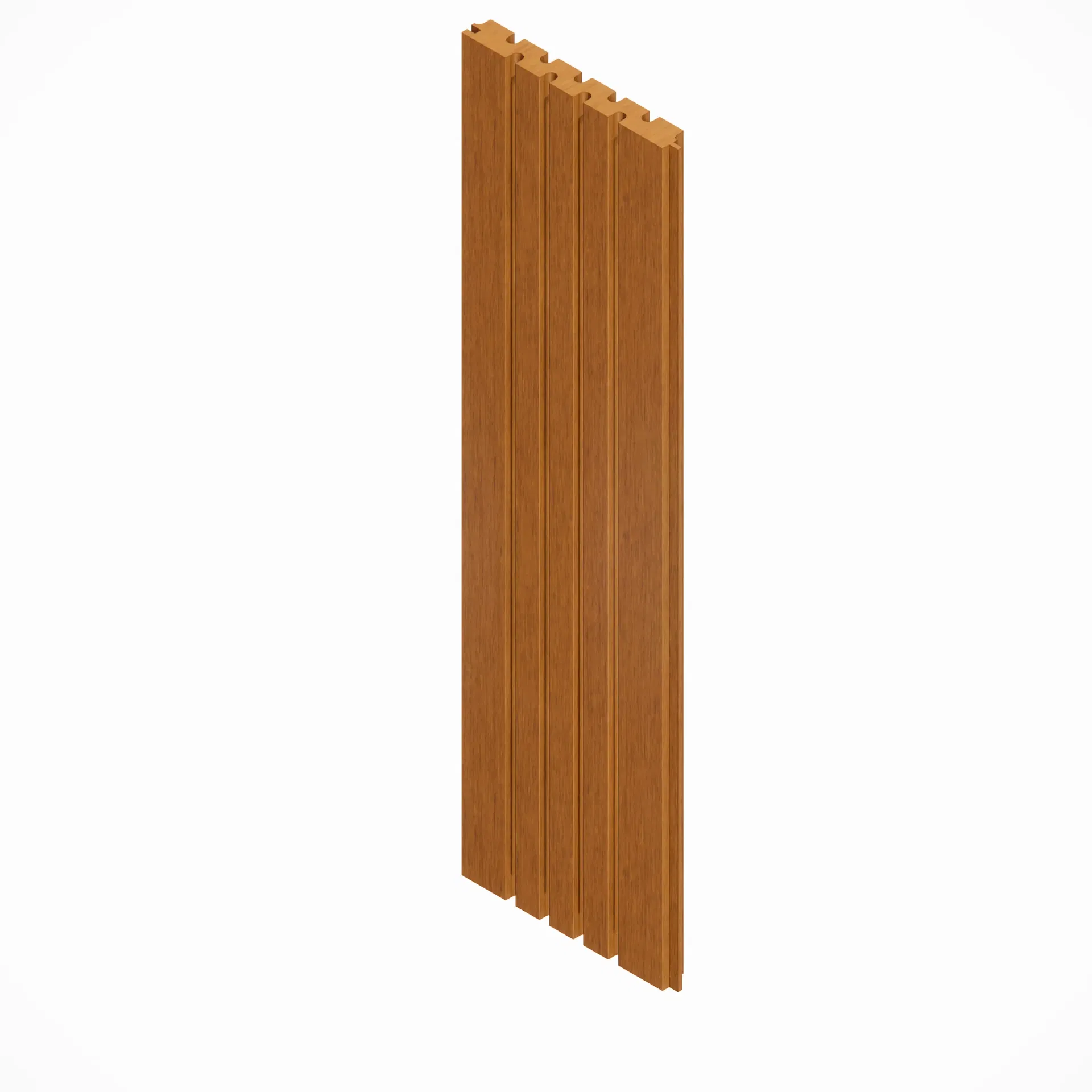
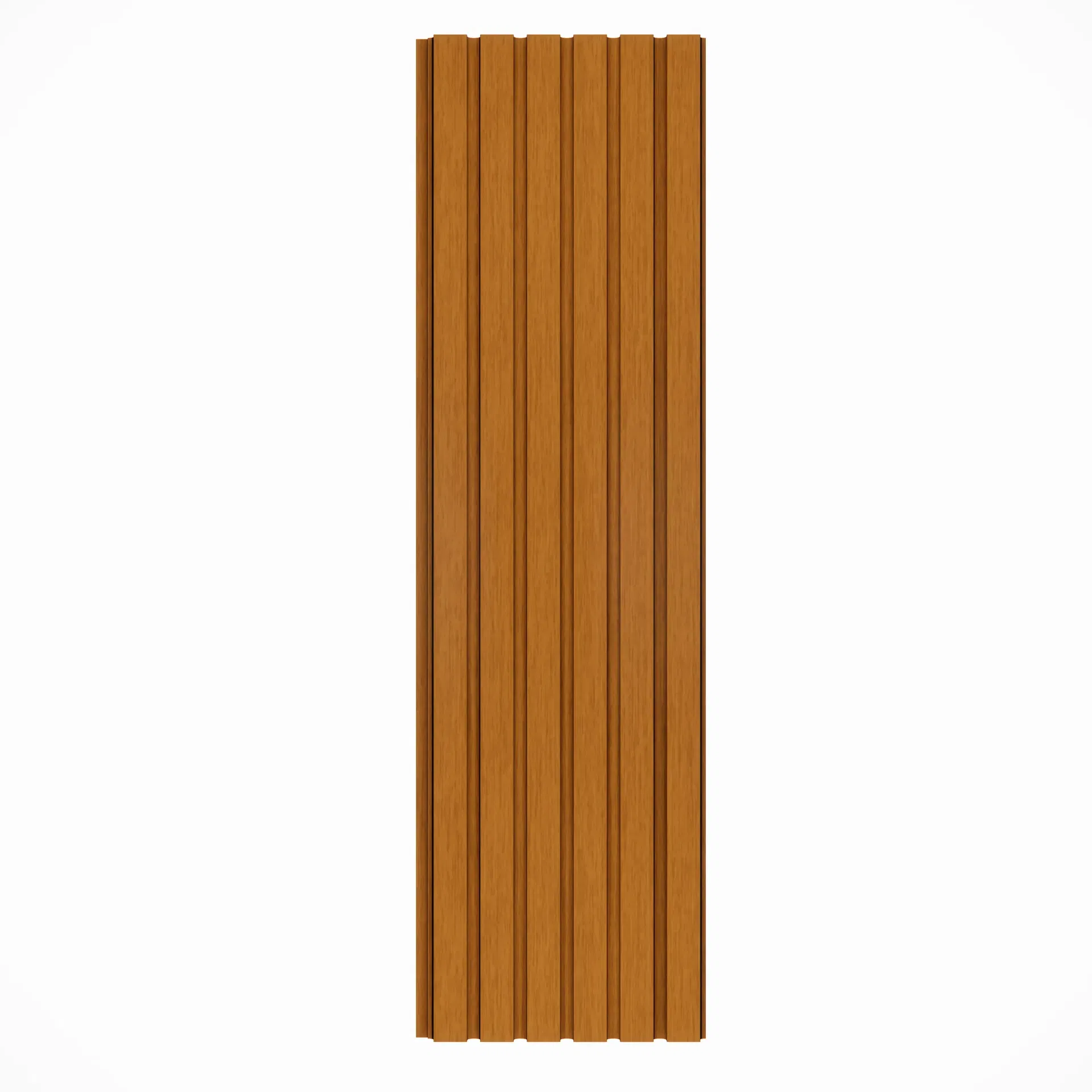
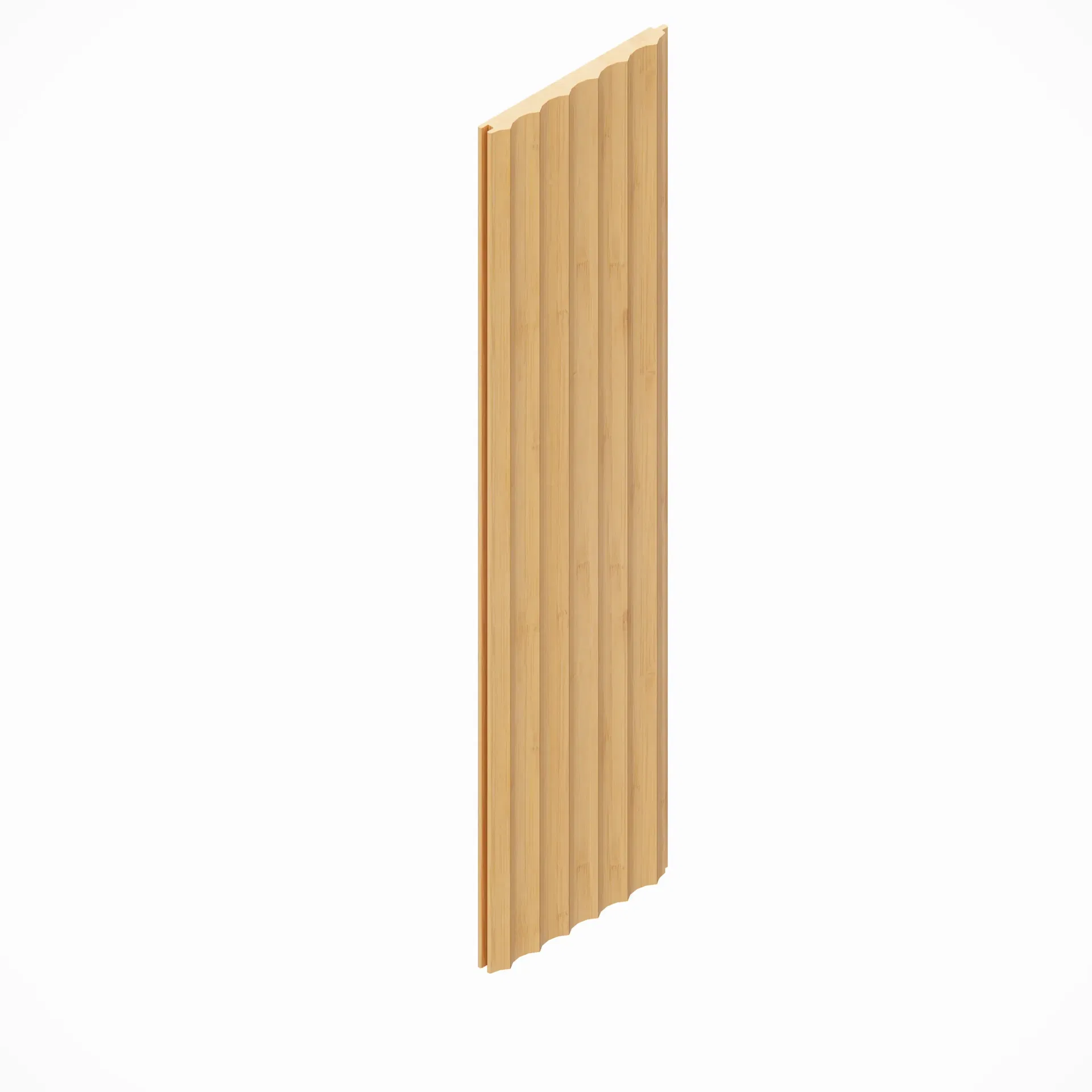
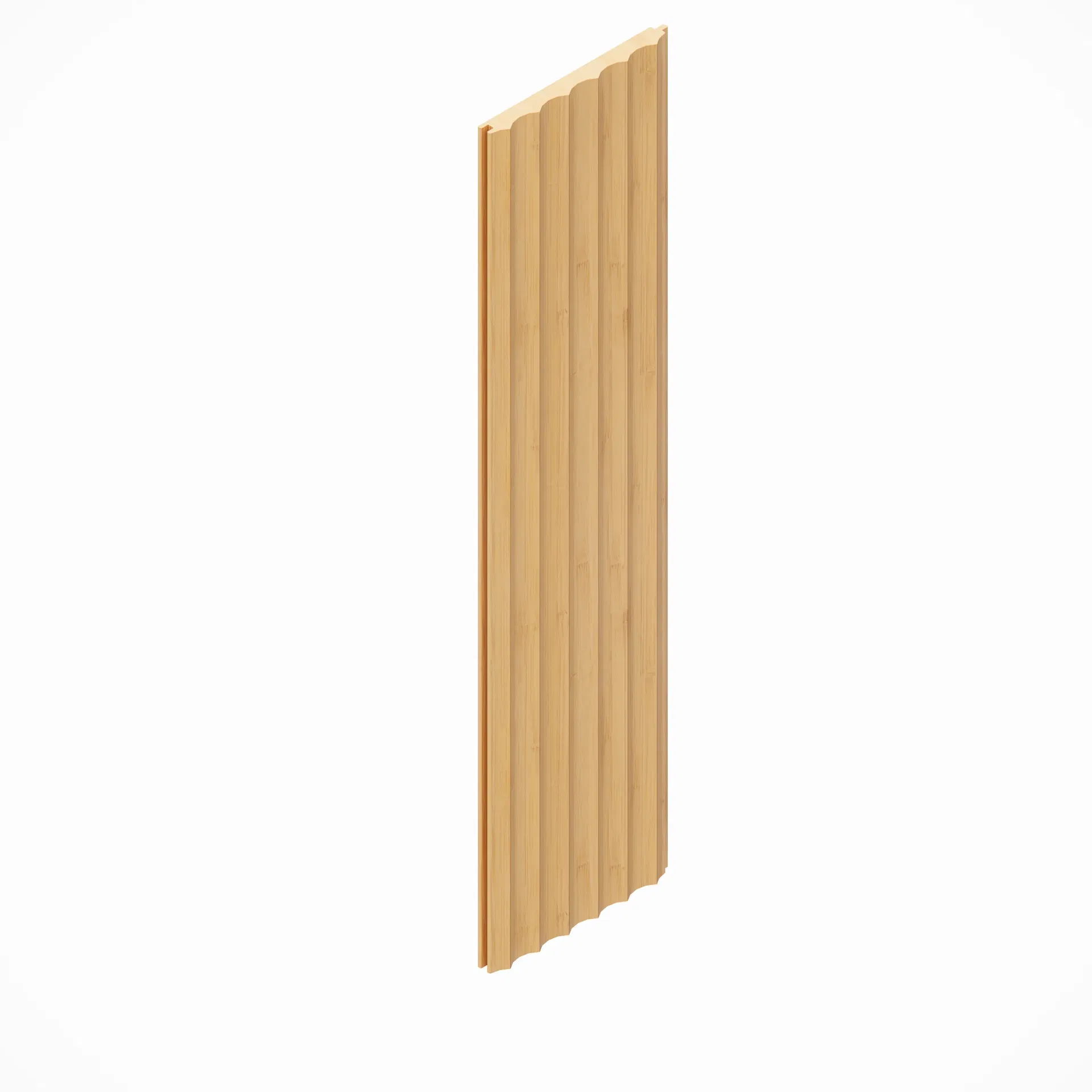
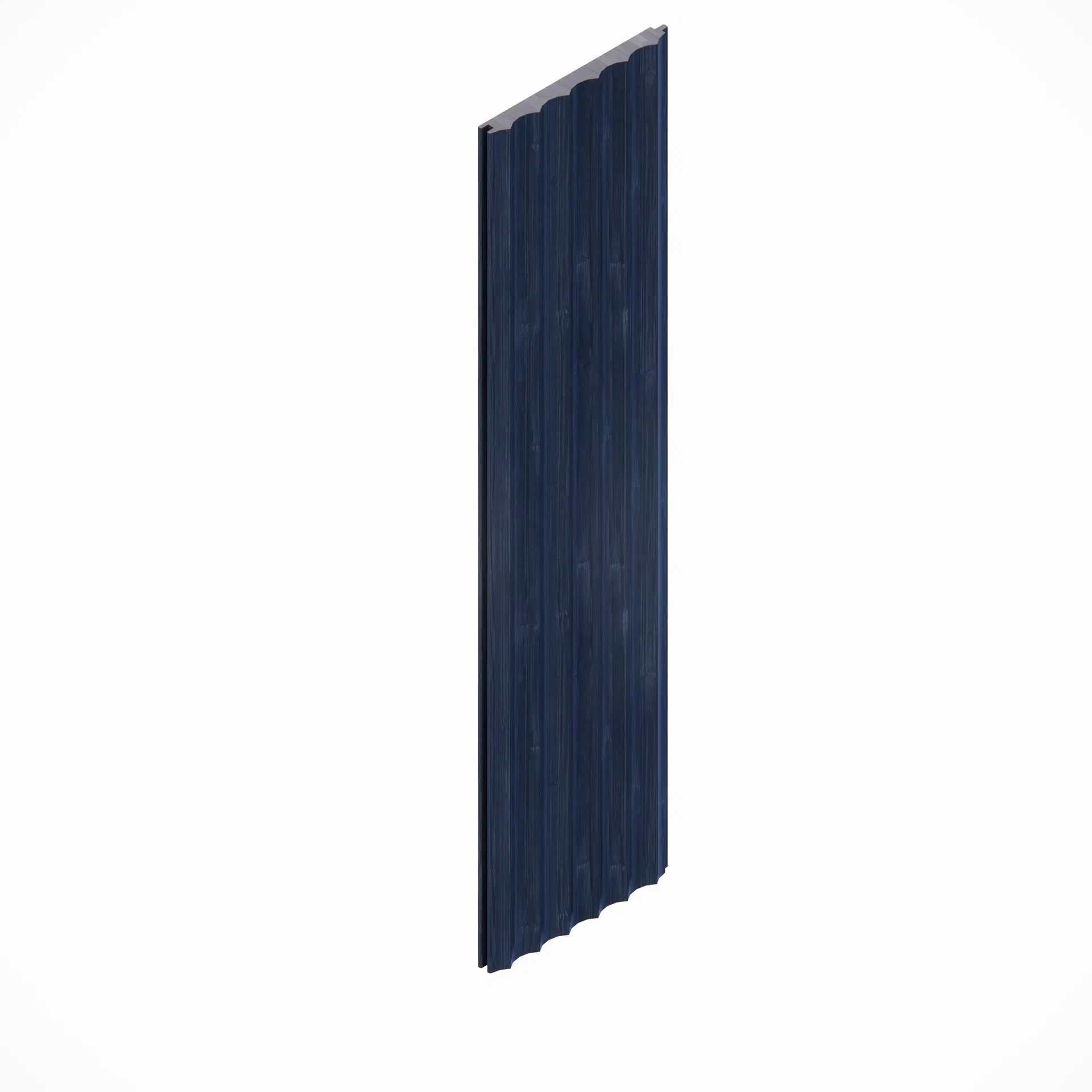
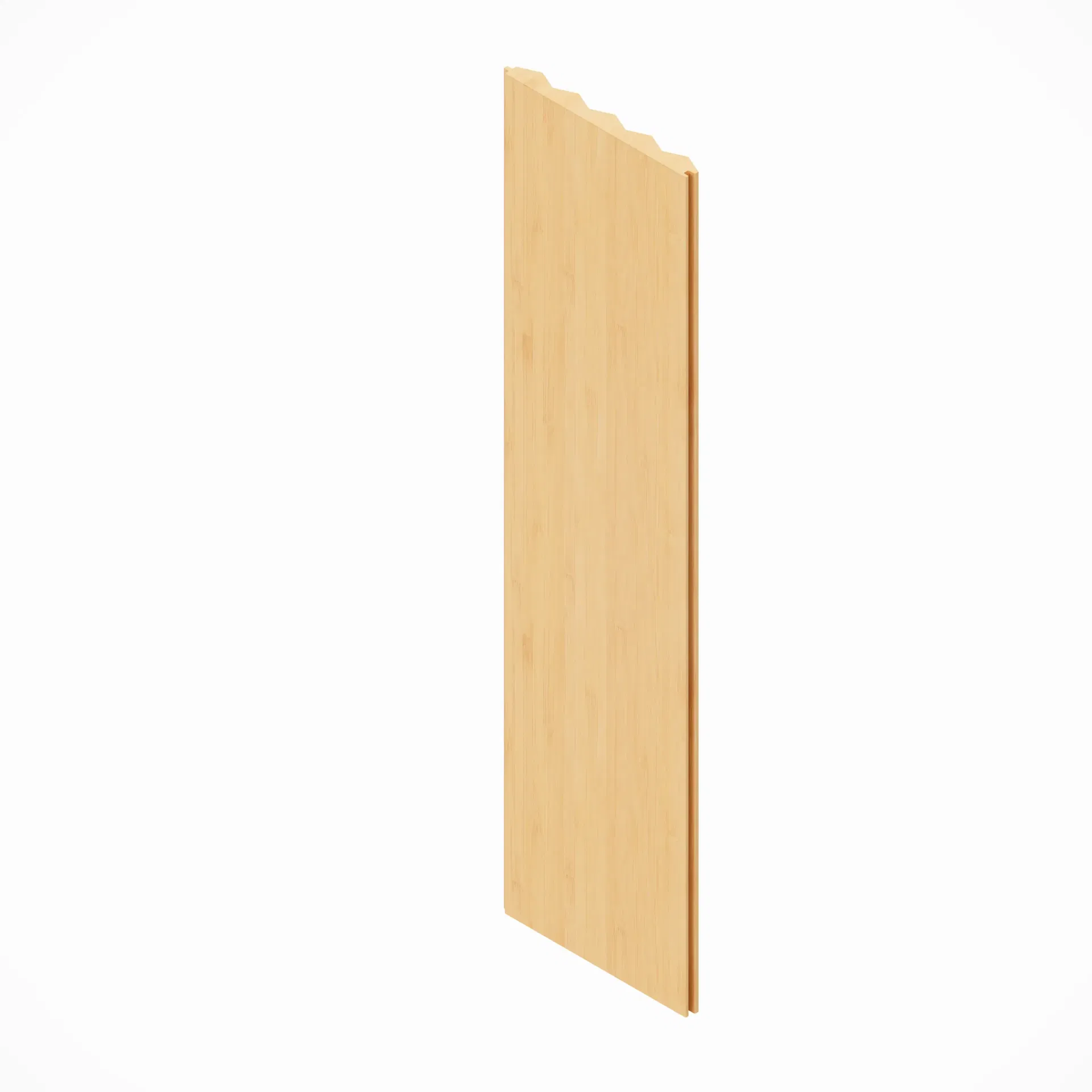
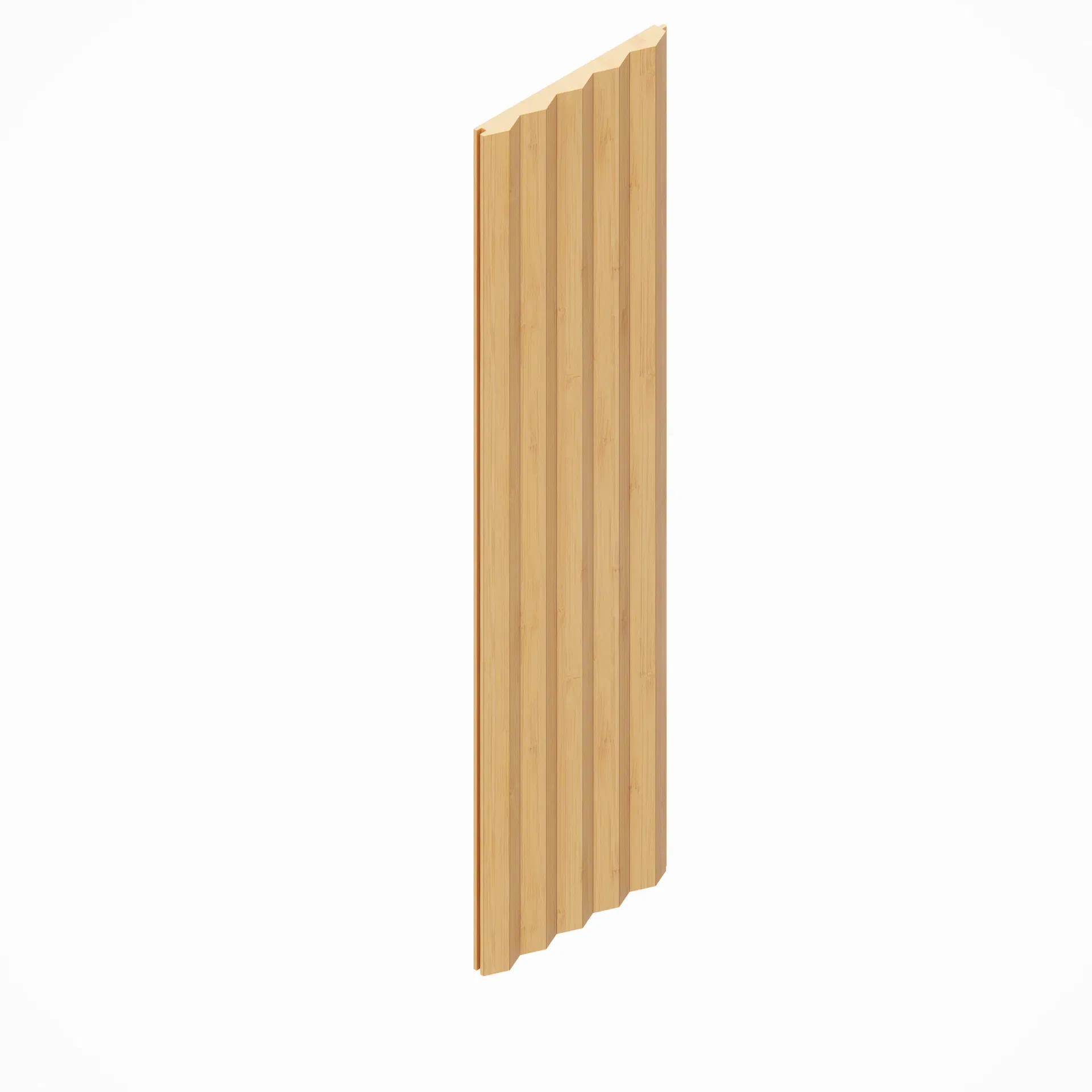
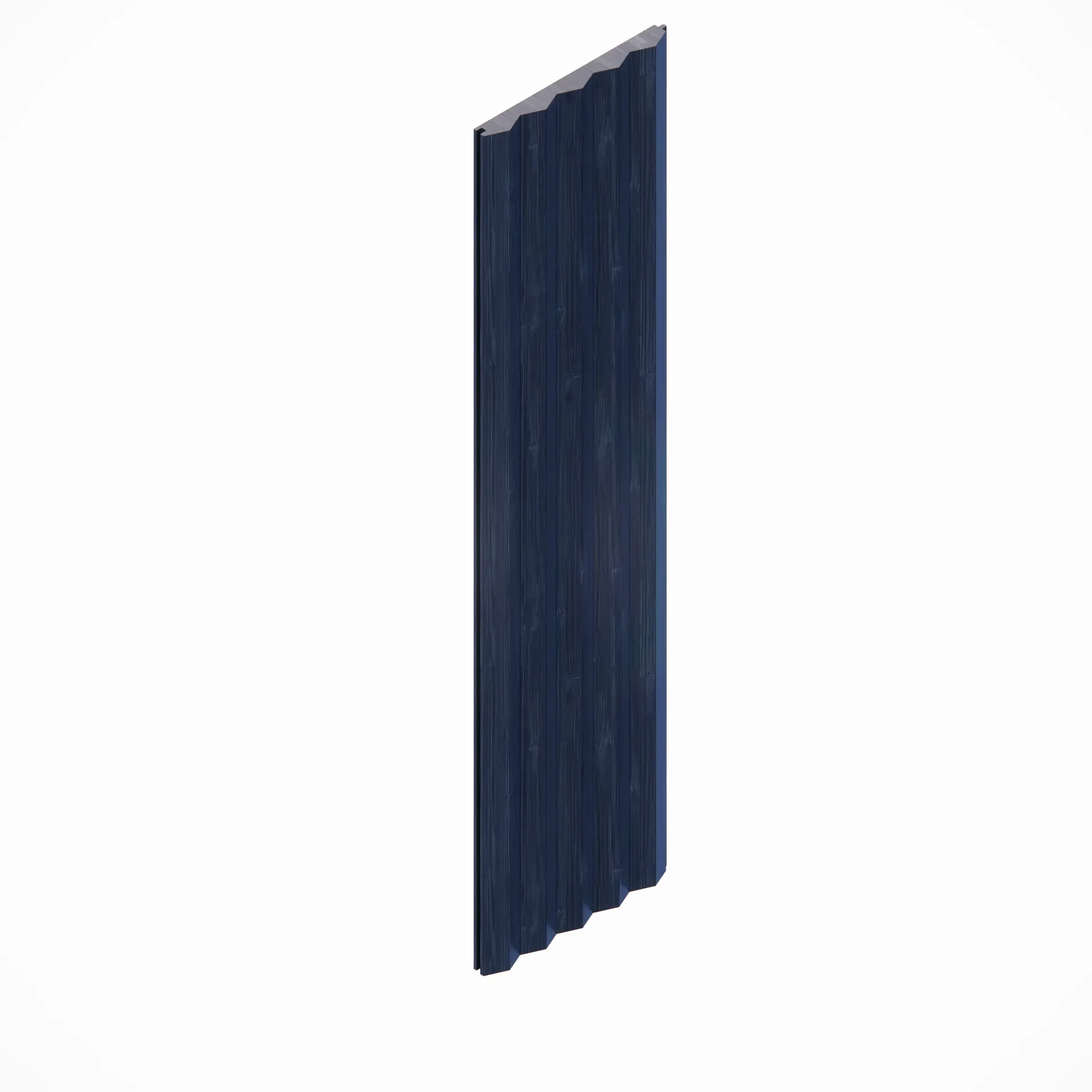
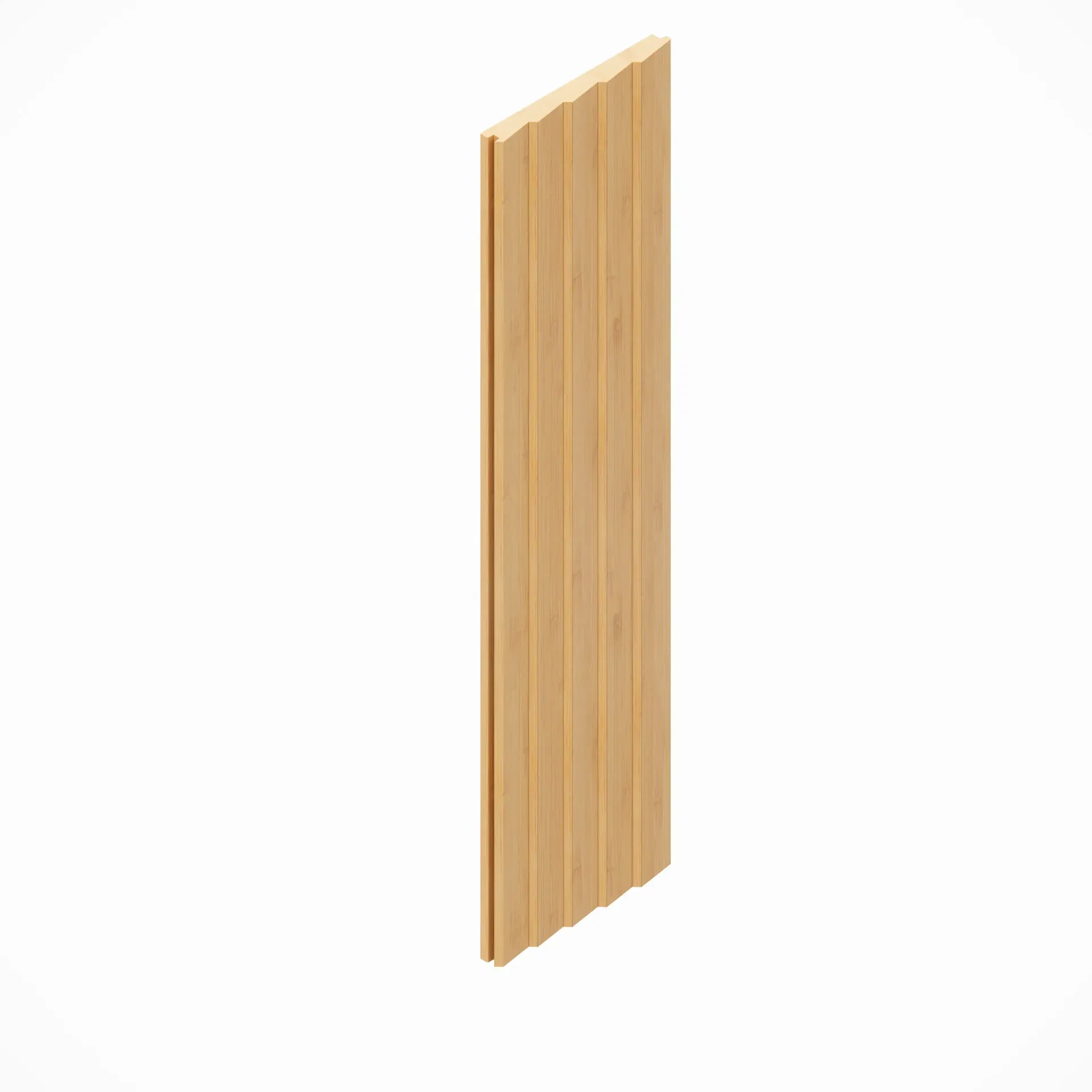
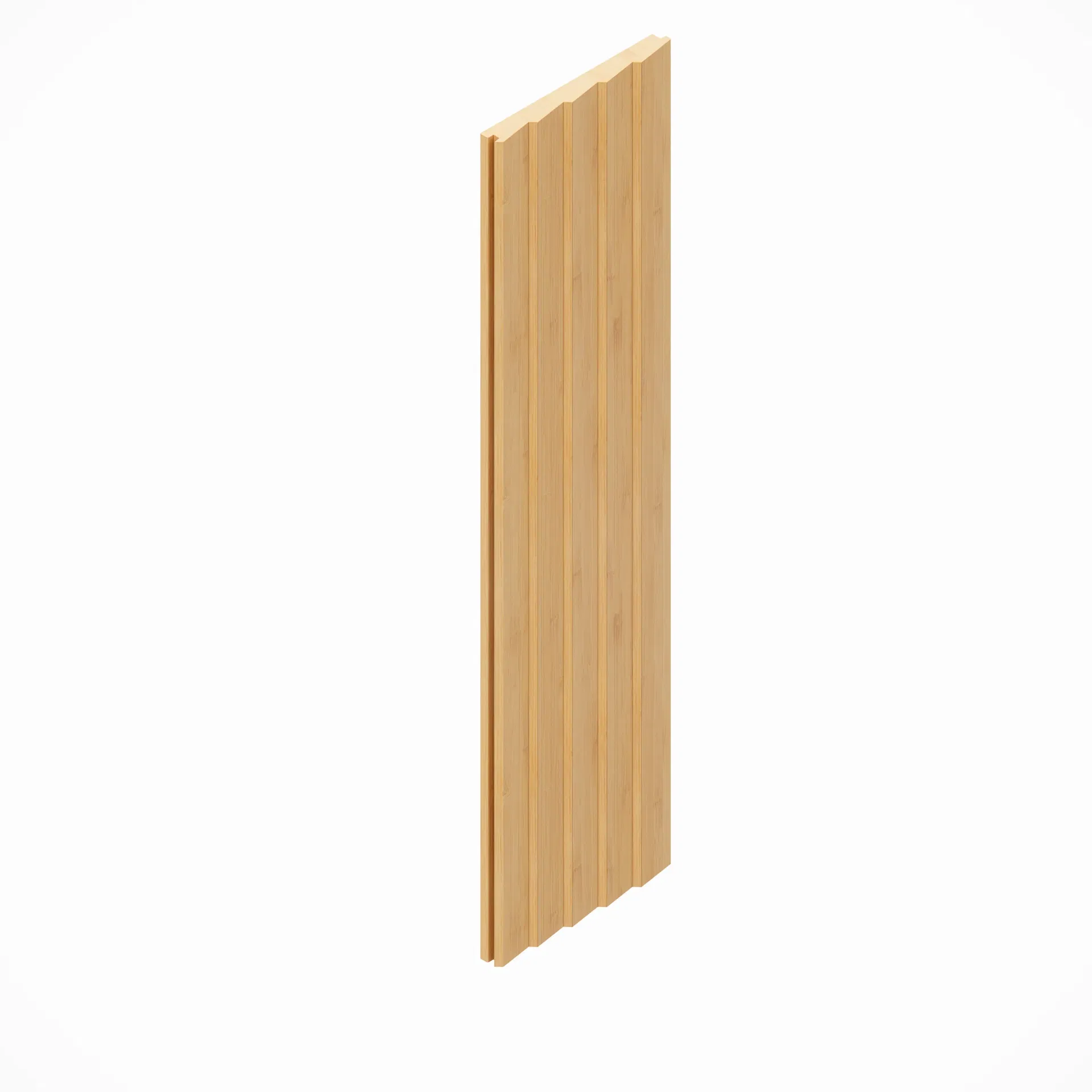
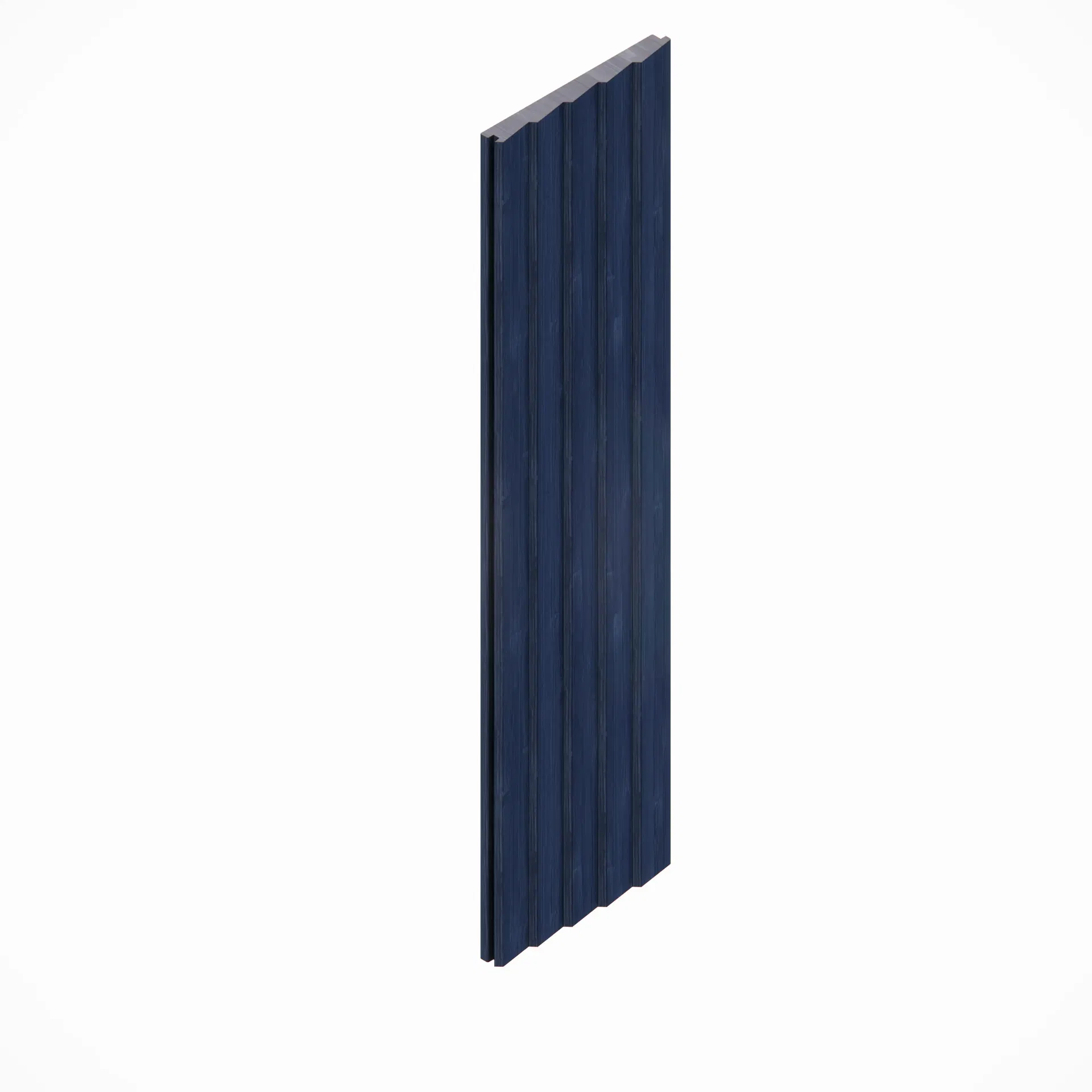
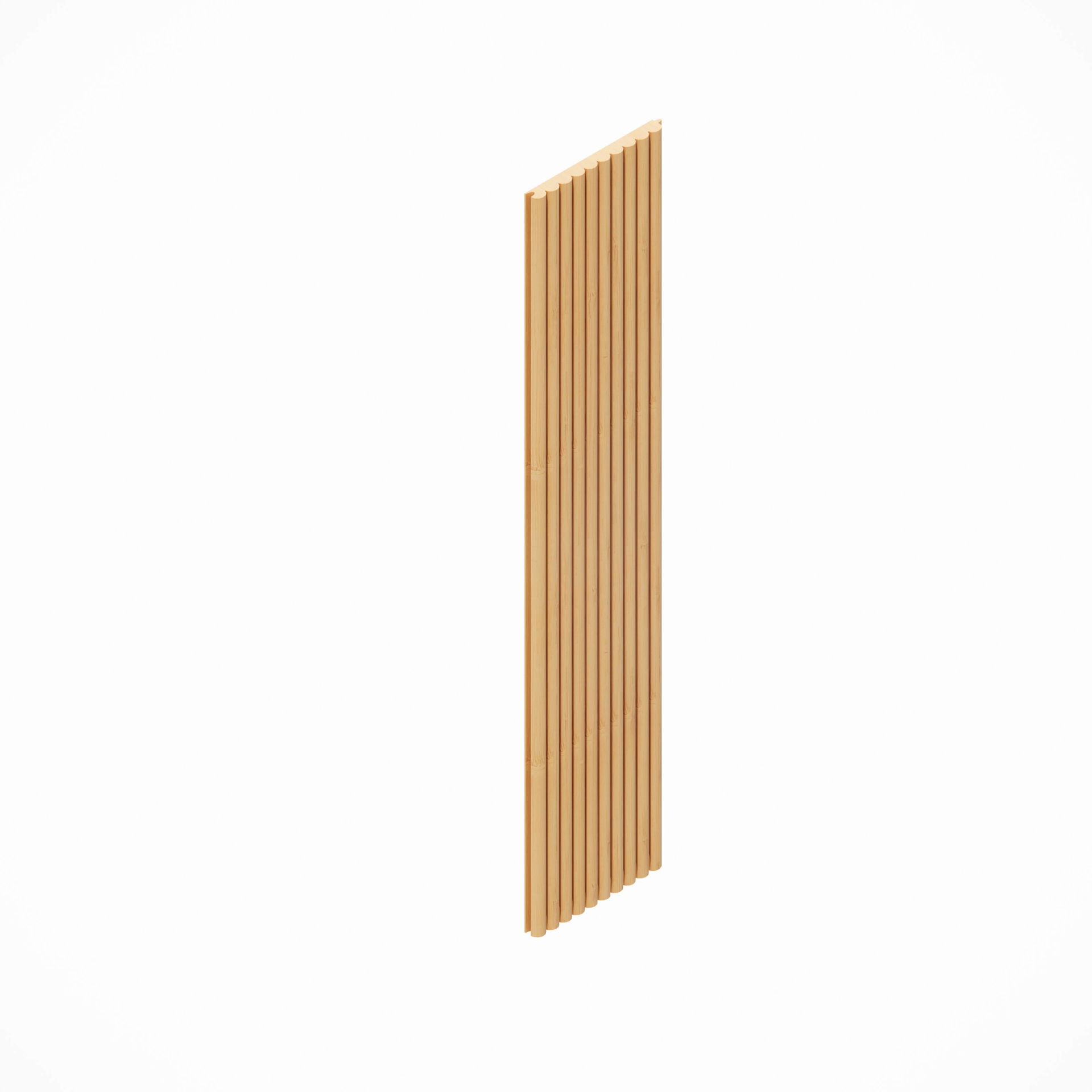
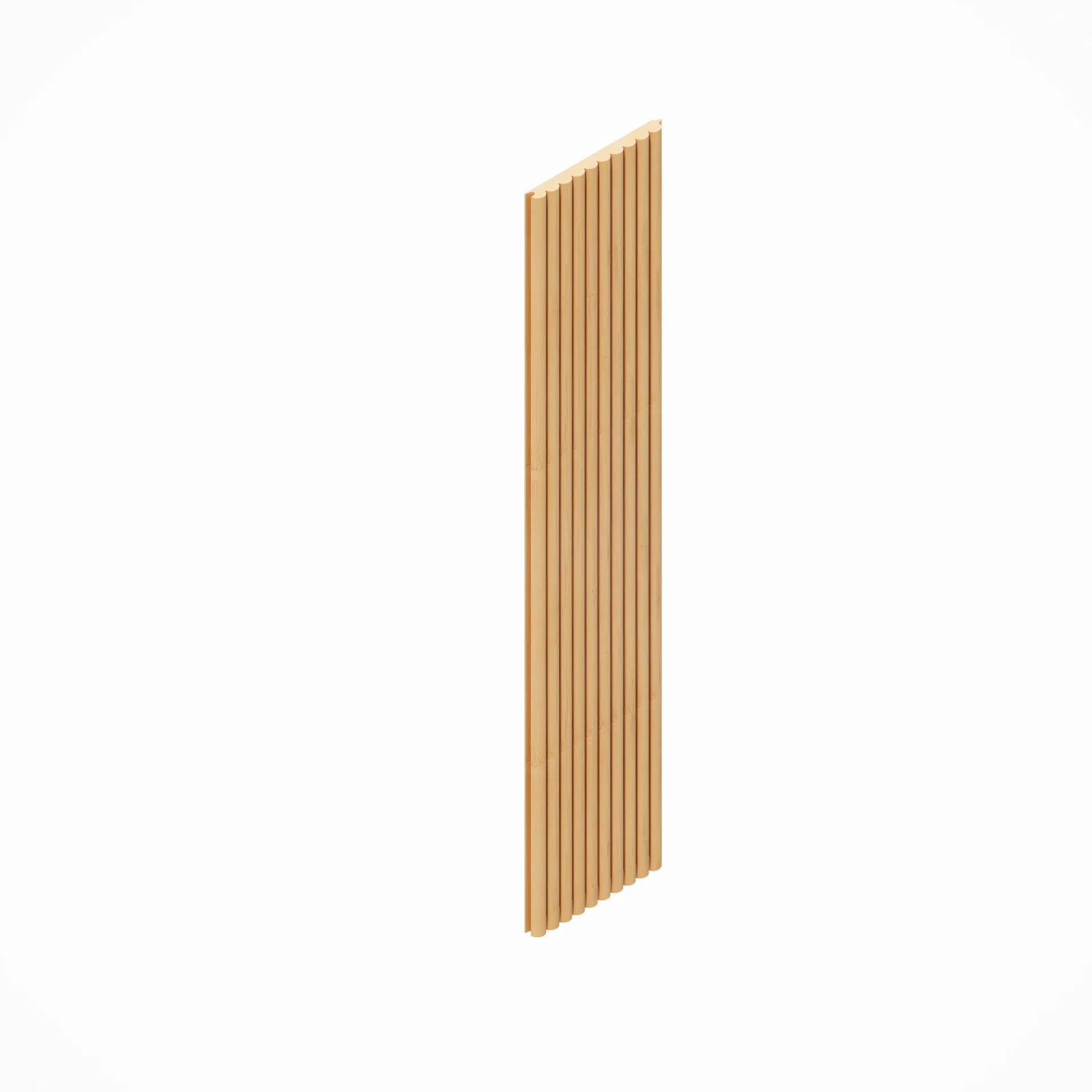
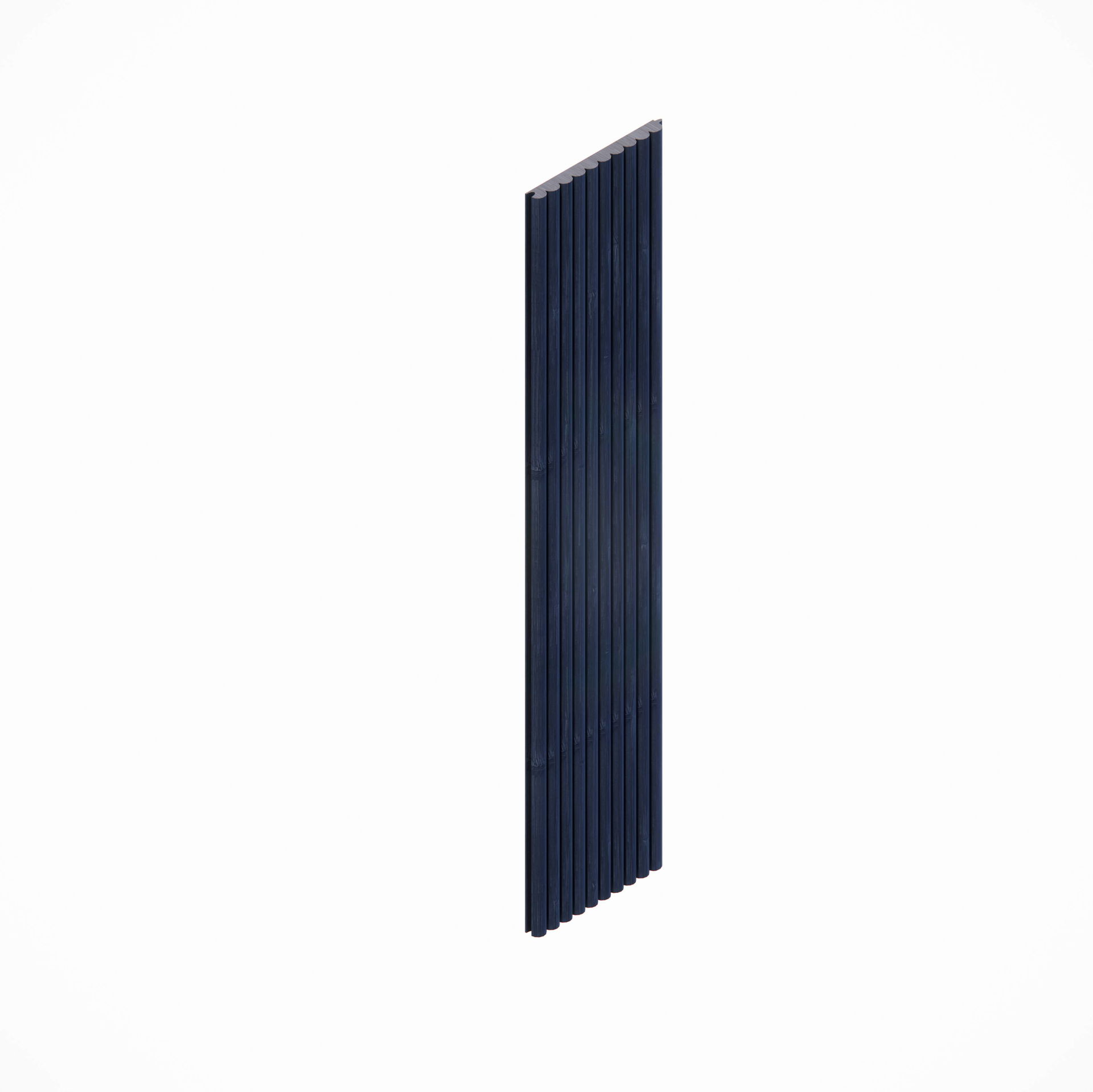
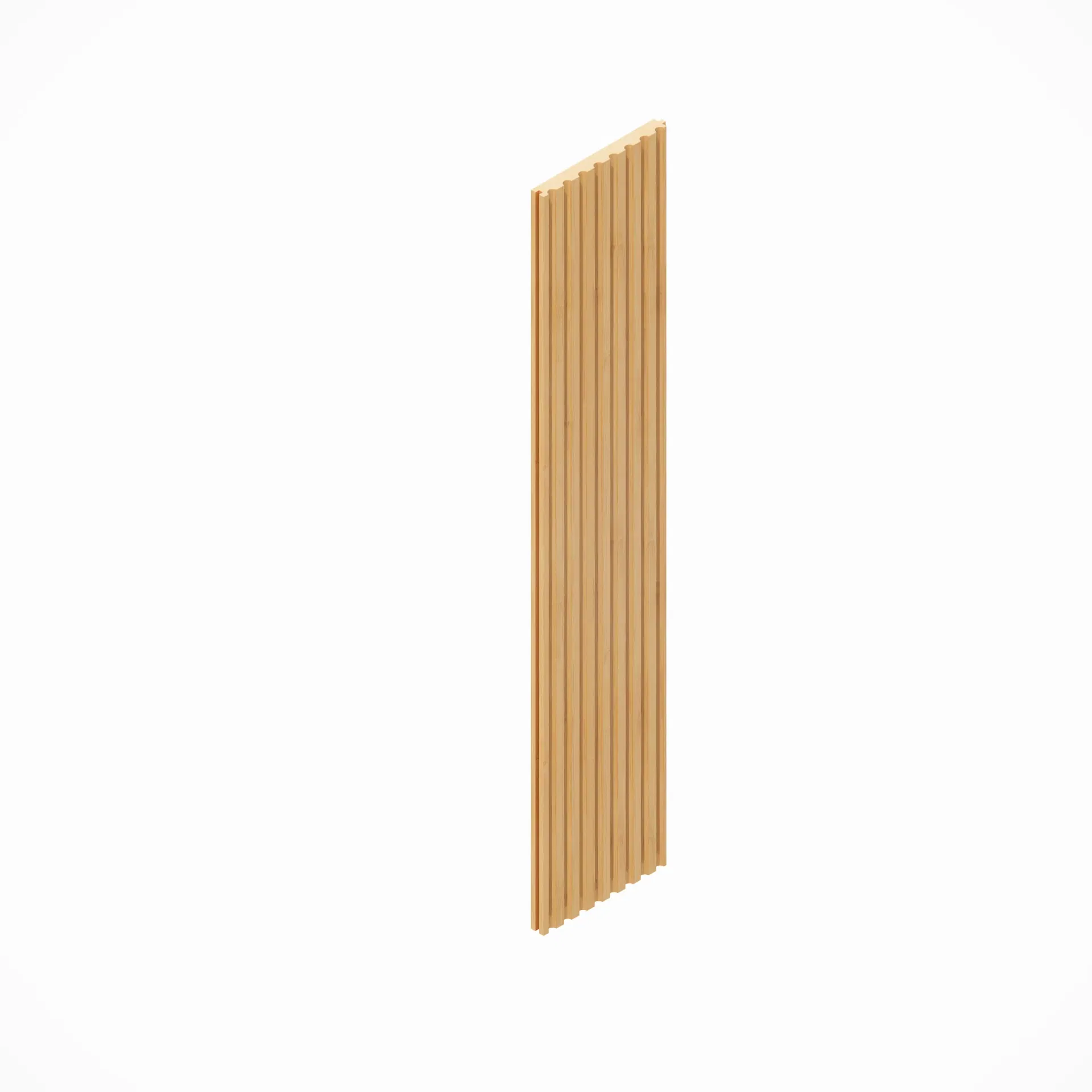
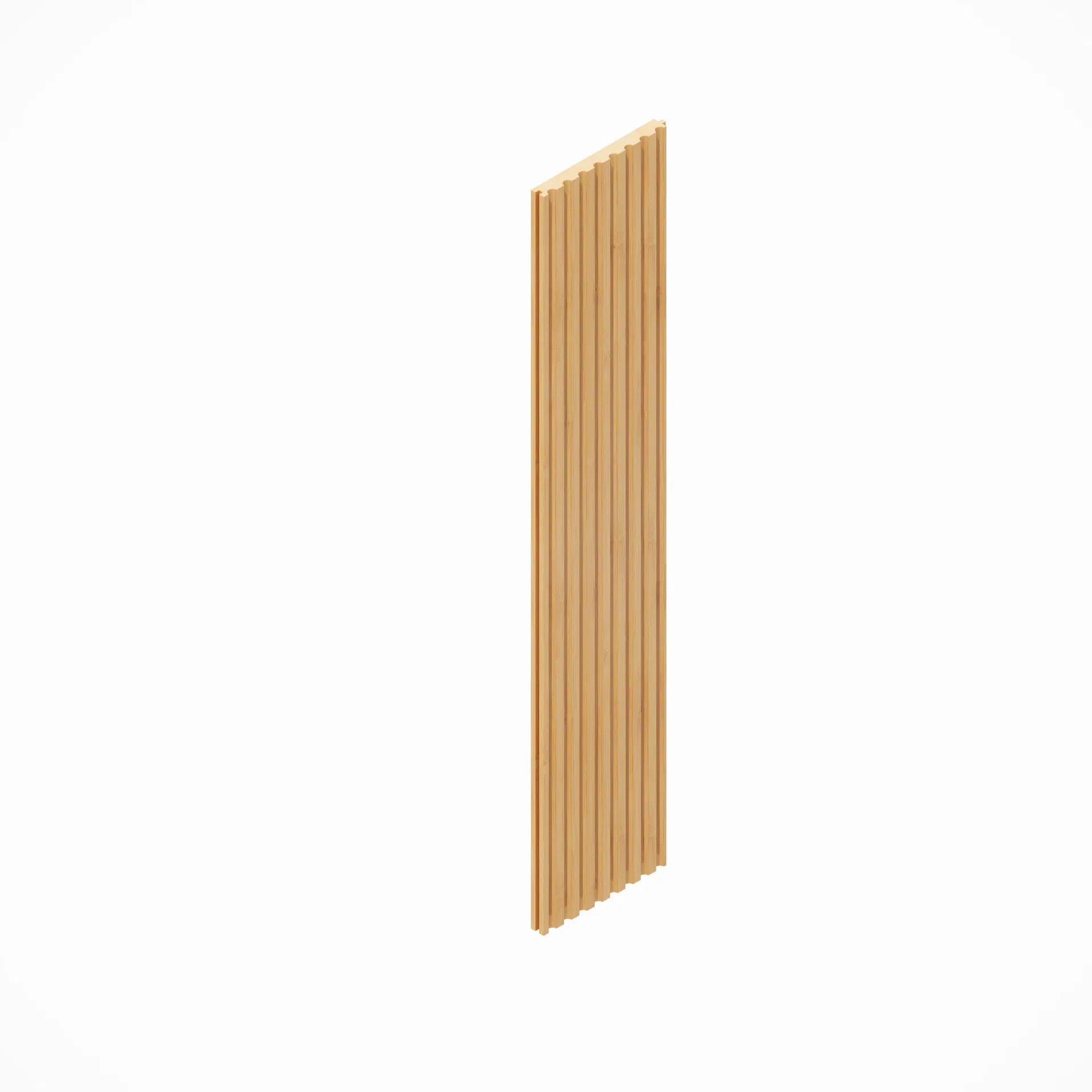
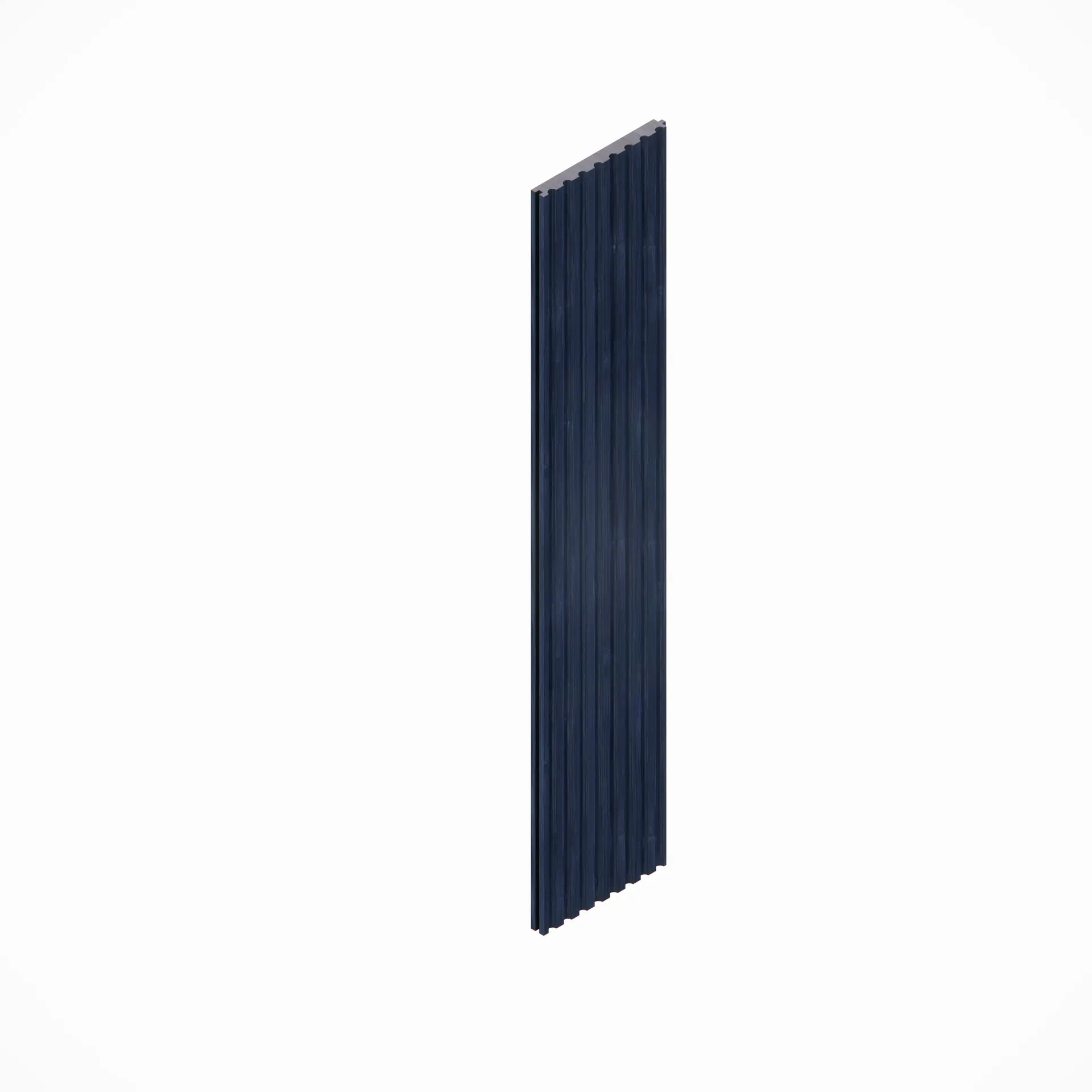
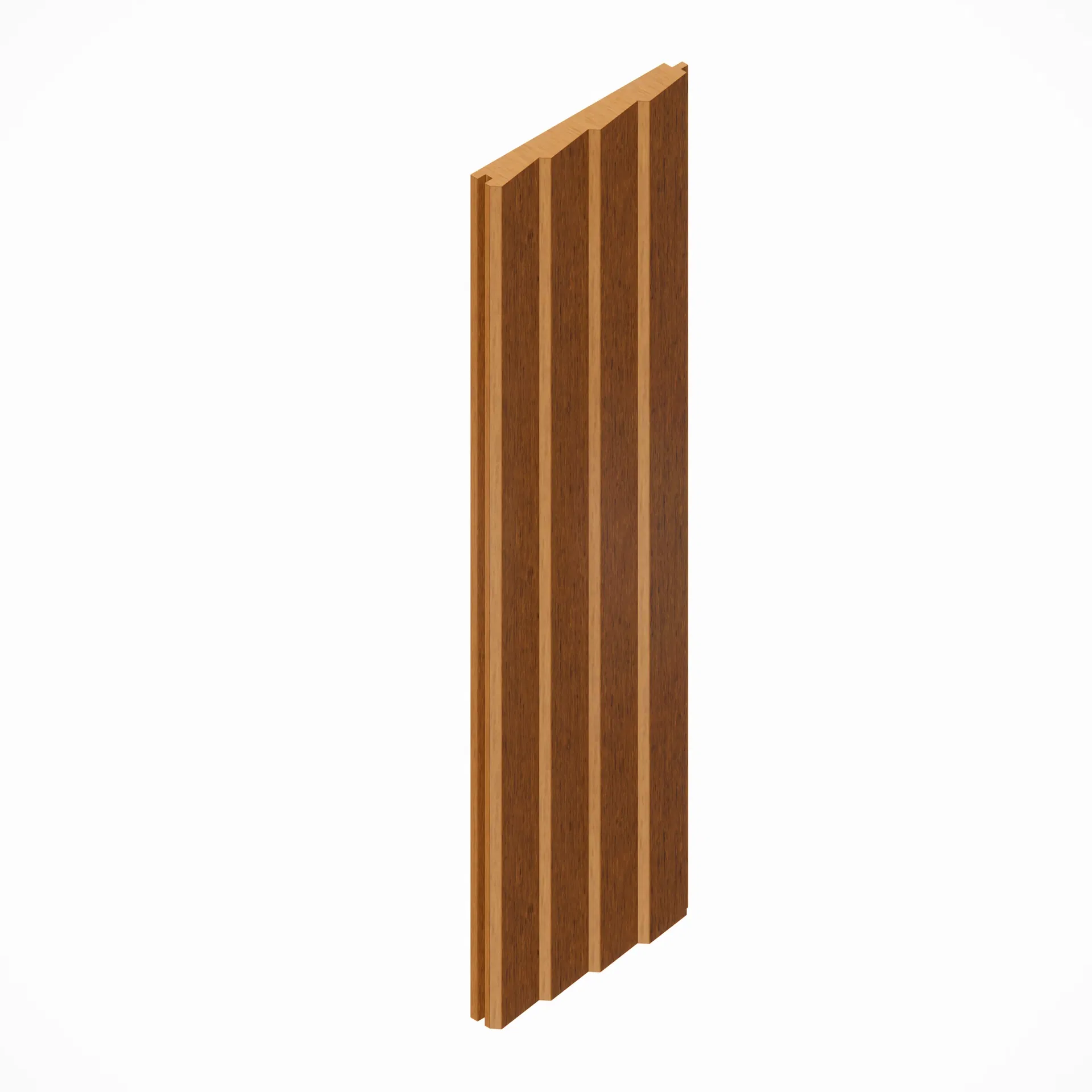
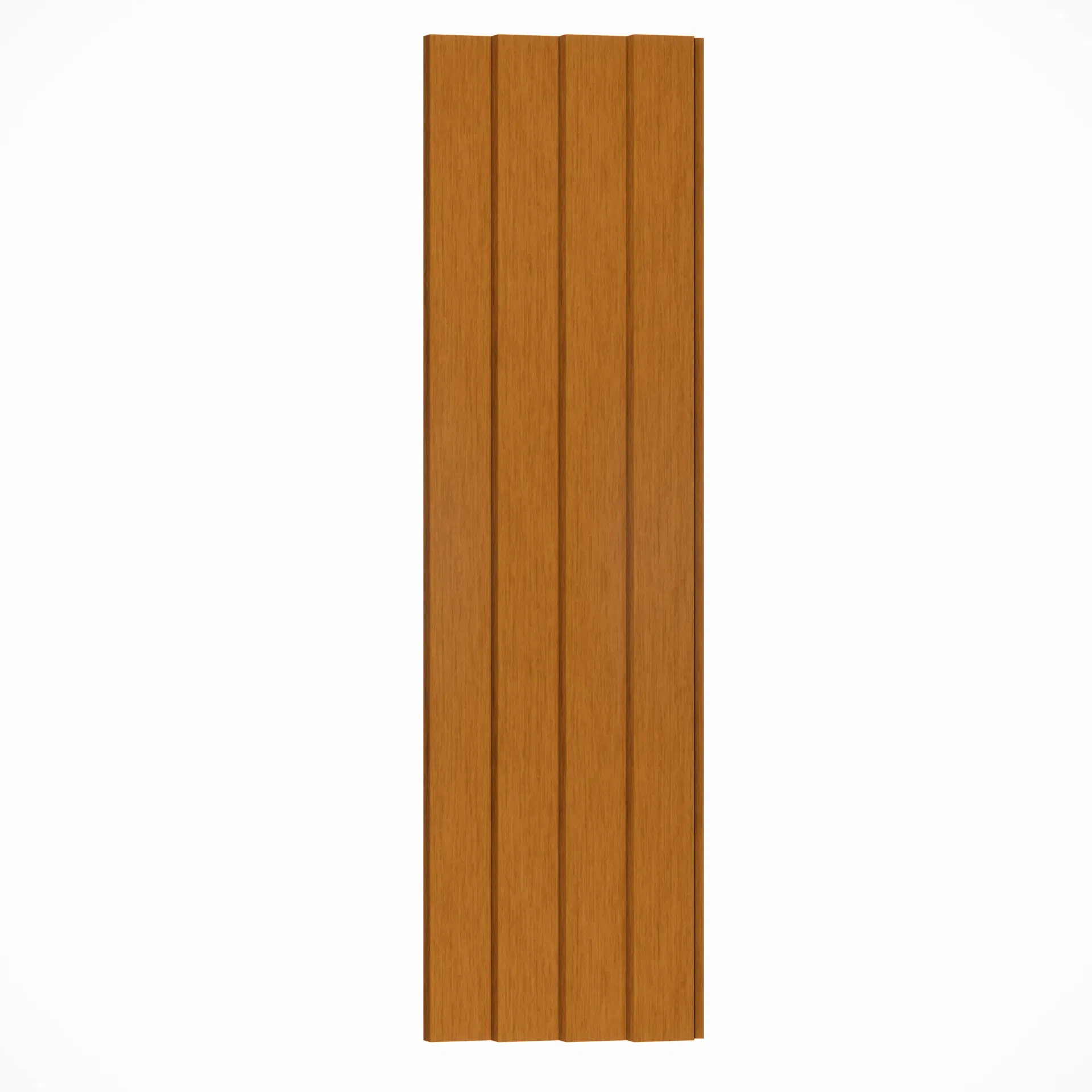
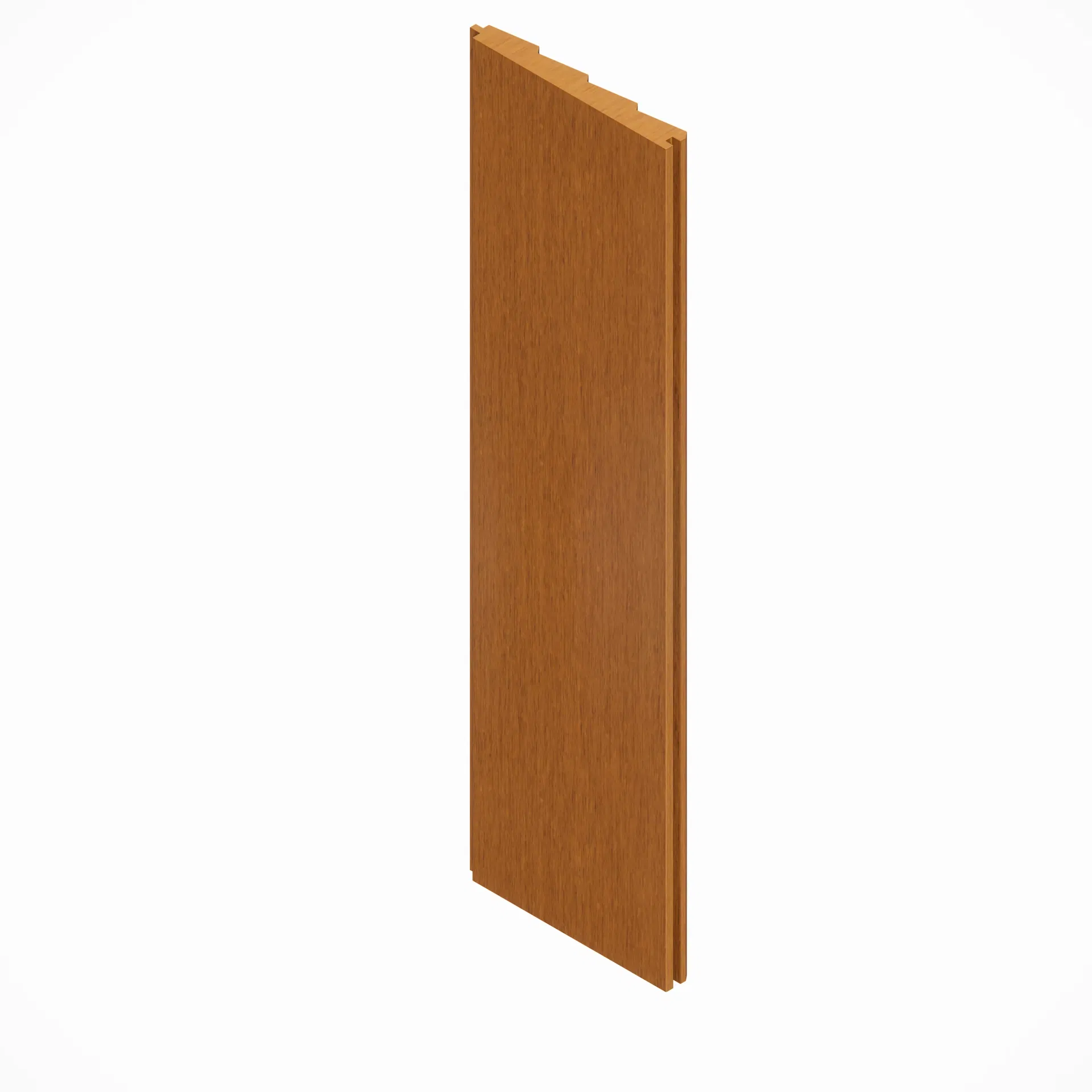
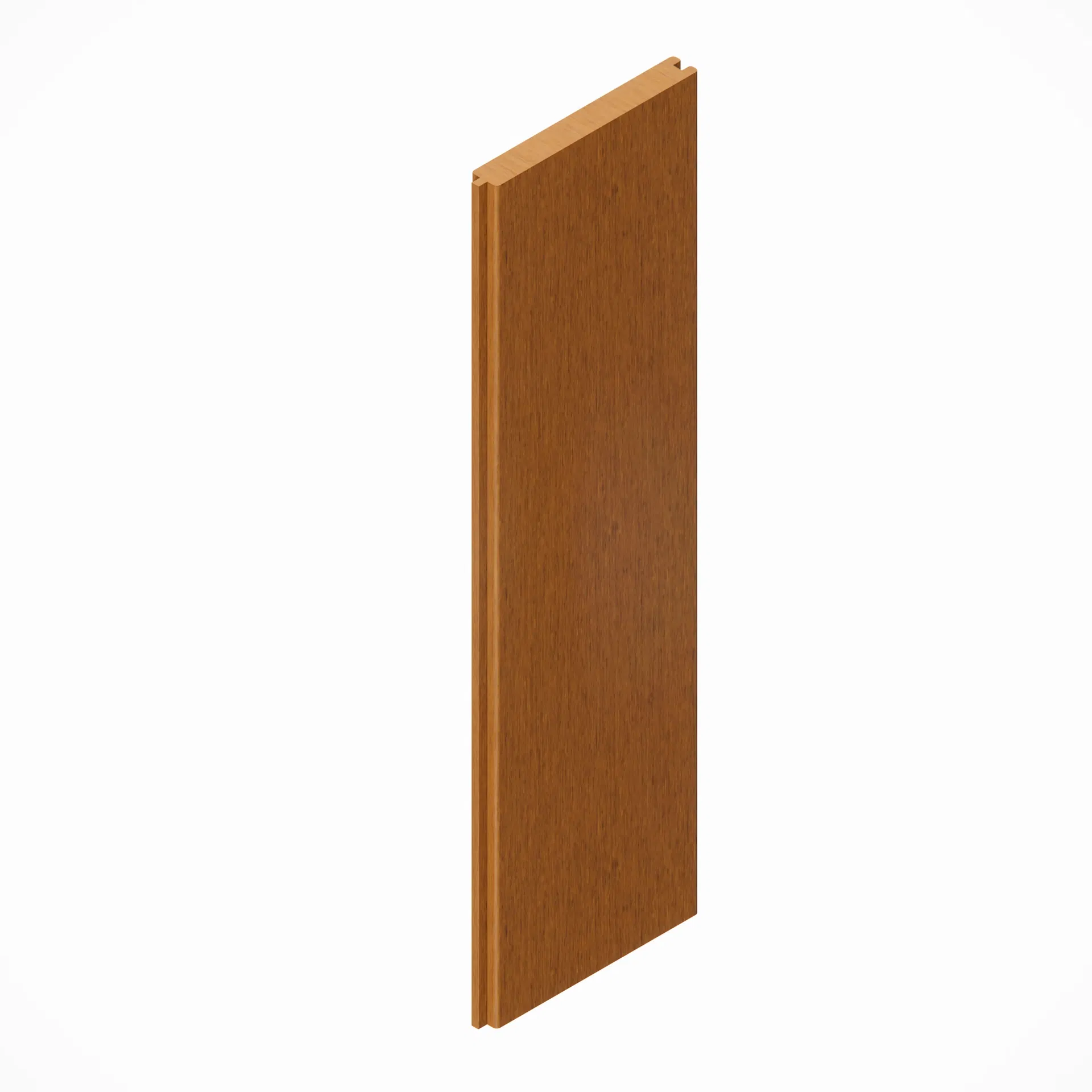
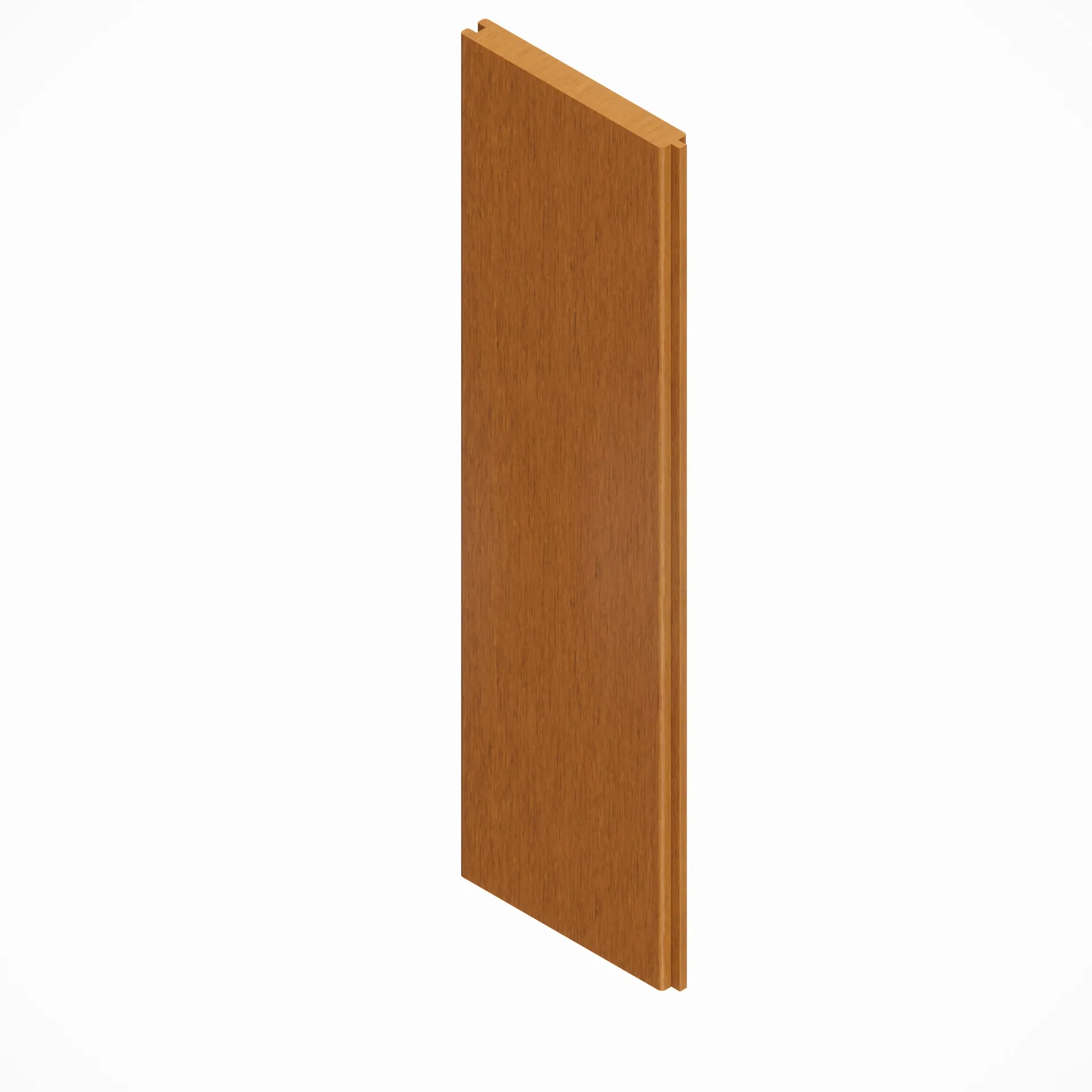
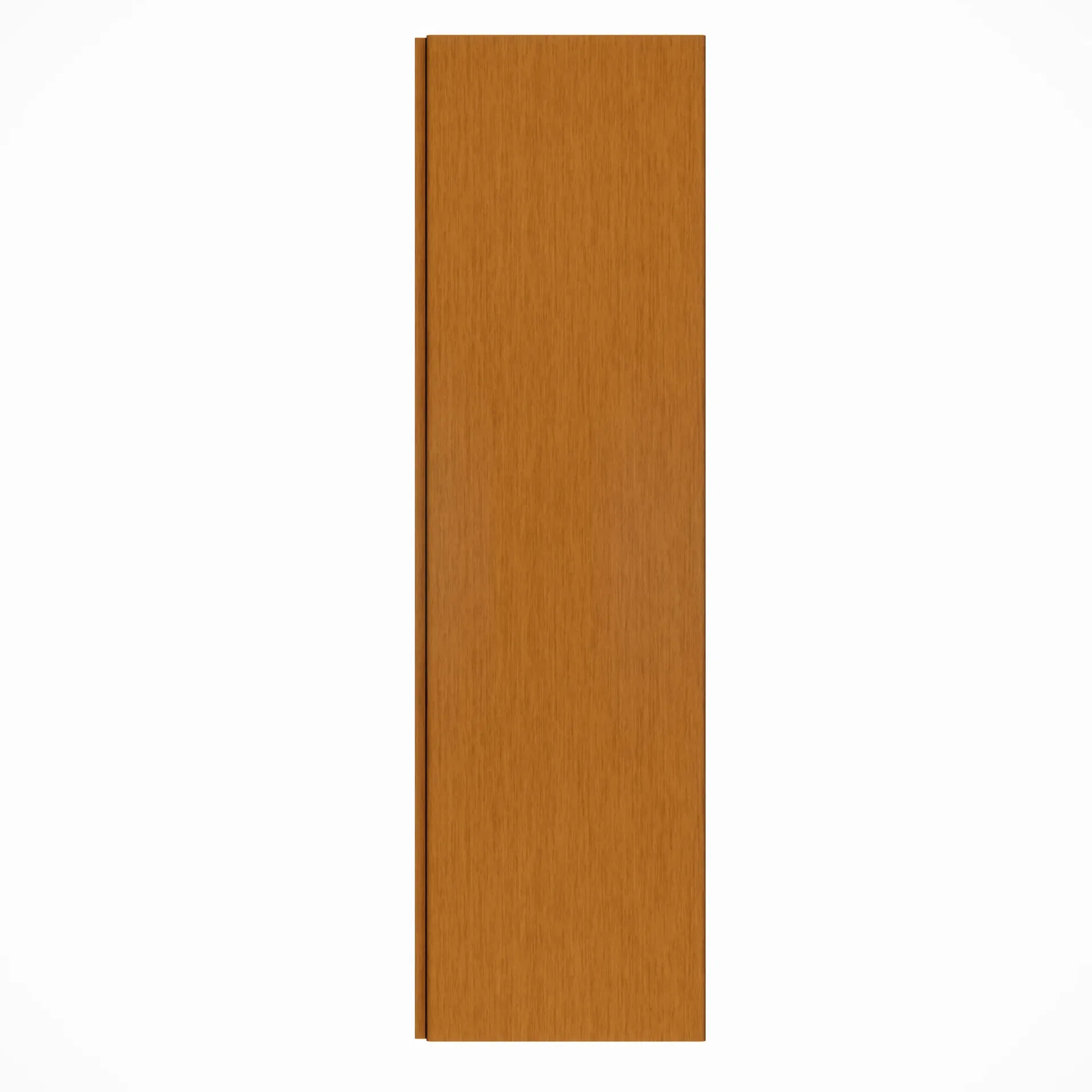
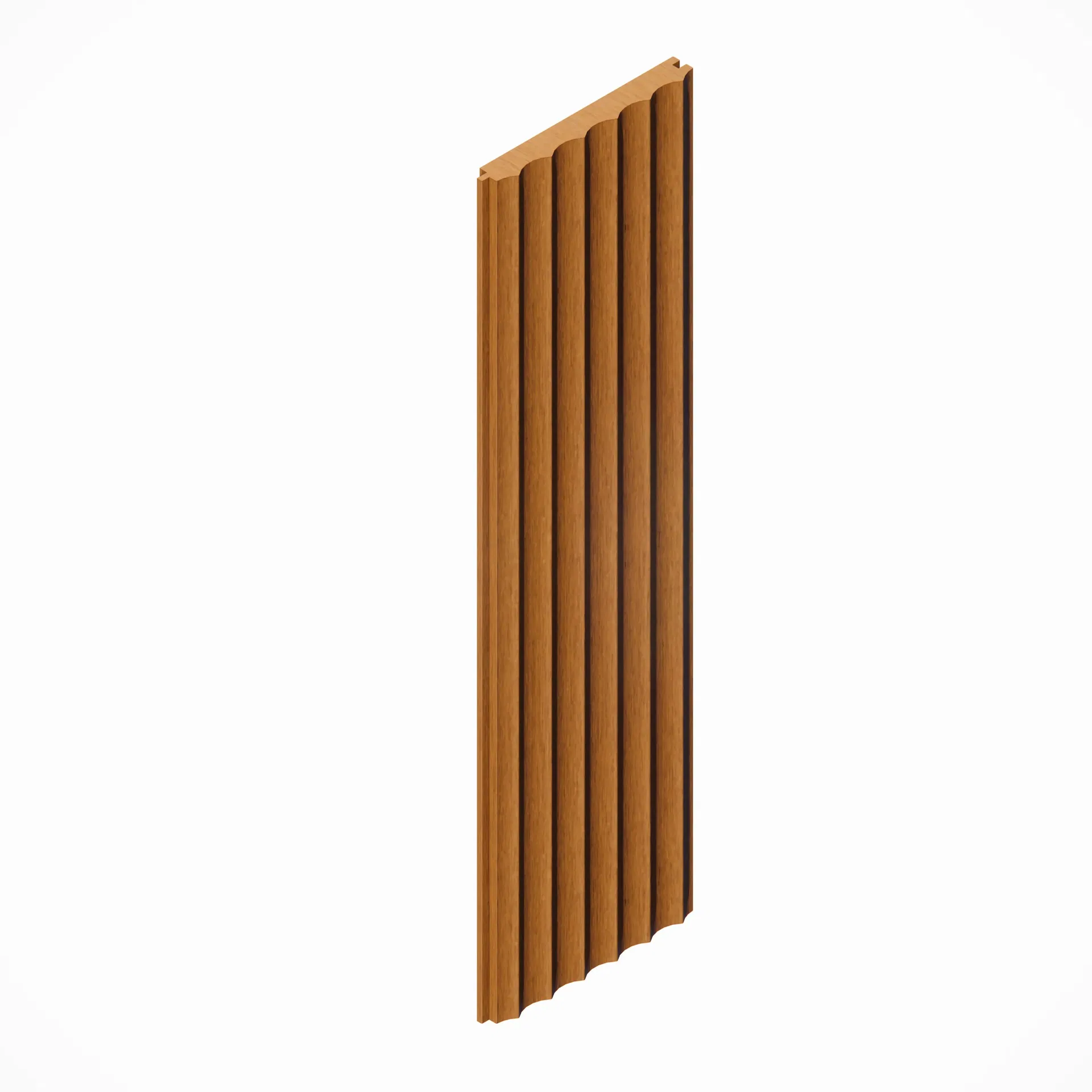
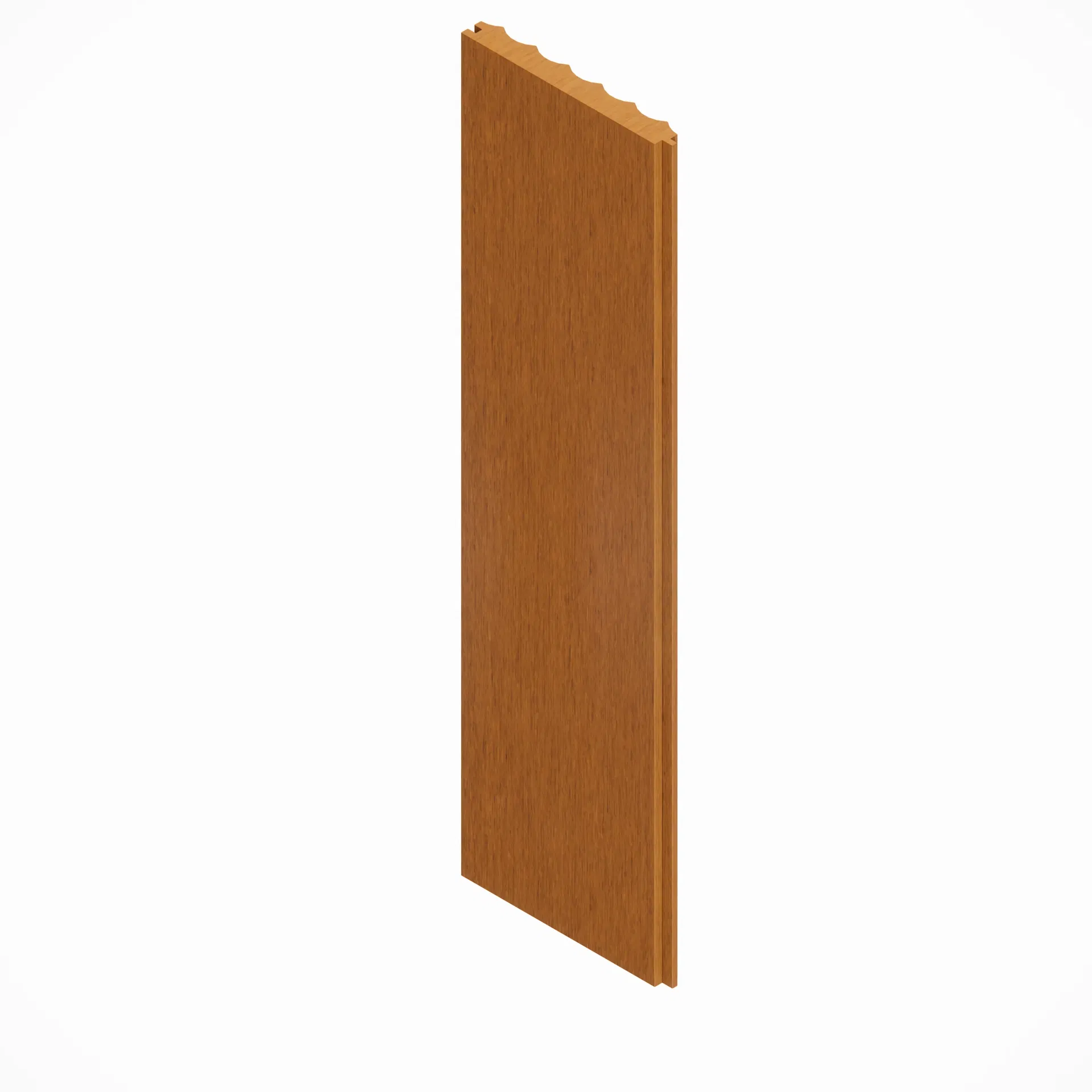
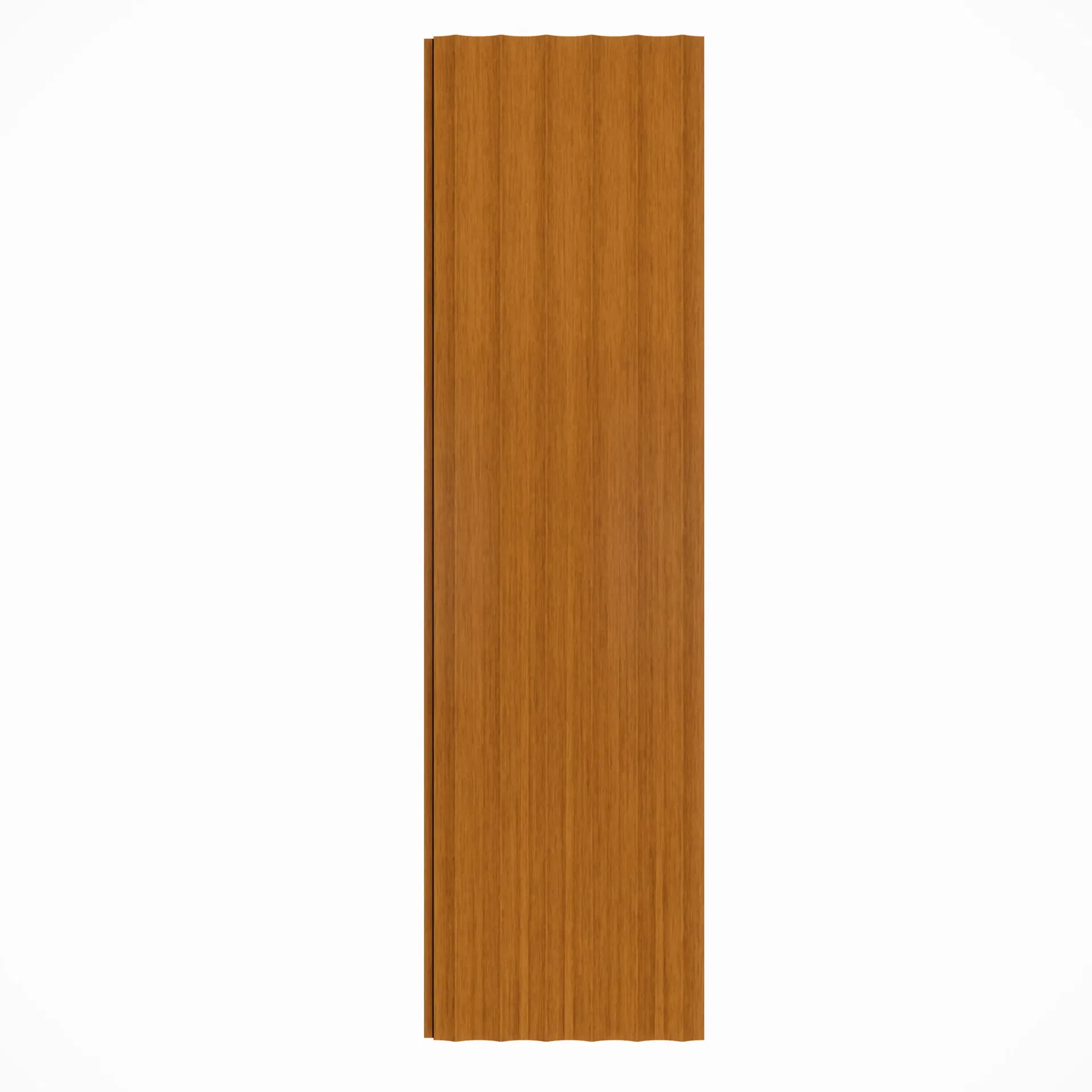
Symphony® engineered bamboo cladding profiles are designed for flexible installation, with bespoke options available for curved or custom applications. Profiles come in 3 depths, allowing designers to adjust depth and drama to suit each environment. The range is Fire Class Group 3 and Greentag certified.
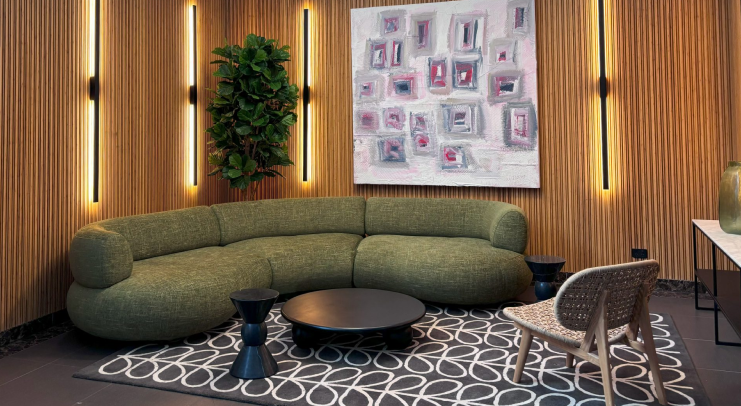
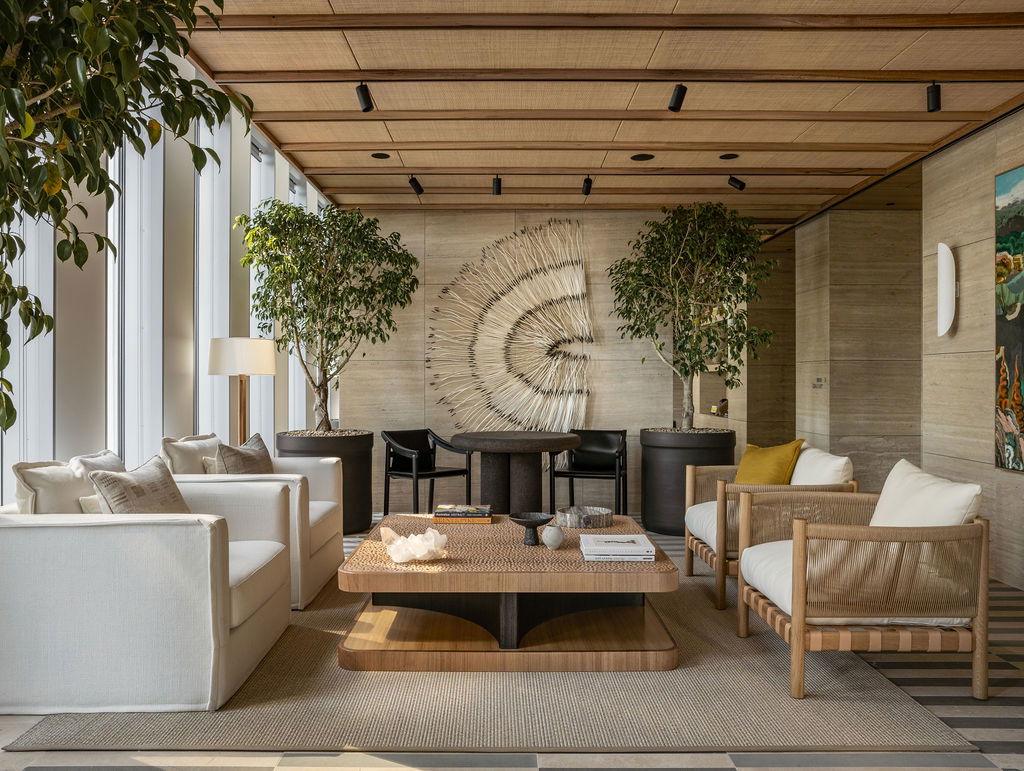
Symphony is our engineered bamboo cladding range, designed for facades, feature walls and ceiling linings where you want a genuine timber look without timber's upkeep. The range spans four families, Cello, Tempo, Alto and Forte, each with its own pattern of ribs, slats or scalloped detailing and each available in a handful of variants within that family. Some profiles are reversible, meaning you get a different look depending on which face you install outward, so a single board can effectively give you two design options. Boards can be run vertically, horizontally or even in a herringbone layout, and finish options include natural, teak and black.
Symphony Series is available across four profiles, Cello, Tempo, Alto and Forte, each offered in a range of thicknesses to suit different cladding applications. Because thickness and profile selection depend on the construction method, laminated or strand woven, and the project's exposure and fixing requirements, specifiers should confirm the exact profile and thickness with House of Bamboo before finalising documentation.
Symphony Series is available across four profiles, Cello, Tempo, Alto and Forte, each offered in a range of thicknesses to suit different cladding applications. Because thickness and profile selection depend on the construction method, laminated or strand woven, and the project's exposure and fixing requirements, specifiers should confirm the exact profile and thickness with House of Bamboo before finalising documentation.
Yes. Symphony Series cladding profiles can be considered for commercial cladding as an alternative to timber cladding systems. It is especially relevant for architects, interior designers, landscapers or developers looking for a distinctive timber like material with high stabilty, strength and sustainablity performance. Its ideal for wall or ceiling panneling, fencing, screening, joinery or exterior cladding. It has a EPD, Greentag, FSC and BAL ratings to support easy specification.
Yes. Symphony Series cladding profiles can be considered for commercial cladding as an alternative to timber cladding systems. It is especially relevant for architects, interior designers, landscapers or developers looking for a distinctive timber like material with high stabilty, strength and sustainablity performance. Its ideal for wall or ceiling panneling, fencing, screening, joinery or exterior cladding. It has a EPD, Greentag, FSC and BAL ratings to support easy specification.
Strand woven bamboo takes bamboo fibre, shreds or splits it, then compresses it under very high pressure and heat with a resin binder into a dense, solid block. This removes most of the natural hollow structure of the culm, so the result is harder and more stable than the raw material, often rivalling or exceeding hardwoods like spotted gum on density and wear resistance. The grain looks more textured and mottled, since the process compresses shredded fibre rather than keeping strips intact. Due to both heat and compression it is a higher density and ideal for exterior or projects than needs higher wear resistance such as in coastal regions.
Laminated bamboo keeps the bamboo in strips or slats, planed flat and glued together in layers, similar to how laminated veneer lumber or laminated timber is made. It's lighter and less dense than strand woven bamboo, but it keeps a cleaner, more linear grain pattern that reads as more "natural strip" bamboo, and it's generally easier to machine and work with for joinery. The natural palette is similar to a raw pine timber and can be stained to achieve a range of finishes.
Strand woven bamboo takes bamboo fibre, shreds or splits it, then compresses it under very high pressure and heat with a resin binder into a dense, solid block. This removes most of the natural hollow structure of the culm, so the result is harder and more stable than the raw material, often rivalling or exceeding hardwoods like spotted gum on density and wear resistance. The grain looks more textured and mottled, since the process compresses shredded fibre rather than keeping strips intact. Due to both heat and compression it is a higher density and ideal for exterior or projects than needs higher wear resistance such as in coastal regions.
Laminated bamboo keeps the bamboo in strips or slats, planed flat and glued together in layers, similar to how laminated veneer lumber or laminated timber is made. It's lighter and less dense than strand woven bamboo, but it keeps a cleaner, more linear grain pattern that reads as more "natural strip" bamboo, and it's generally easier to machine and work with for joinery. The natural palette is similar to a raw pine timber and can be stained to achieve a range of finishes.
Engineered bamboo cladding combines the warmth and texture of a natural timber look with a durability profile that outperforms most solid timber cladding. It's dimensionally stable, so it resists the swelling, cupping and splitting that timber cladding can suffer in Australia's harsher climate zones, and it carries a much lower embodied carbon footprint given how fast bamboo regenerates compared with plantation or old-growth timber. For architects and builders after a sustainable facade material that still performs, it's a genuine alternative to hardwood cladding rather than a compromise.
Engineered bamboo cladding combines the warmth and texture of a natural timber look with a durability profile that outperforms most solid timber cladding. It's dimensionally stable, so it resists the swelling, cupping and splitting that timber cladding can suffer in Australia's harsher climate zones, and it carries a much lower embodied carbon footprint given how fast bamboo regenerates compared with plantation or old-growth timber. For architects and builders after a sustainable facade material that still performs, it's a genuine alternative to hardwood cladding rather than a compromise.
Yes. House of Bamboo supplies cladding across Australia and can send products direct to site, wherever your build is located. Whether you're managing a single residential job or specifying for a larger commercial project, we handle freight nationally. House of Bamboo has specialised in bamboo building materials since 1972, over 50 years of sourcing, testing and supplying this one category. That focus means our cladding products are backed by direct relationships with manufacturers and decades of understanding how bamboo performs specifically in Australian conditions, not just imported and resold without local context.
Yes. House of Bamboo supplies cladding across Australia and can send products direct to site, wherever your build is located. Whether you're managing a single residential job or specifying for a larger commercial project, we handle freight nationally. House of Bamboo has specialised in bamboo building materials since 1972, over 50 years of sourcing, testing and supplying this one category. That focus means our cladding products are backed by direct relationships with manufacturers and decades of understanding how bamboo performs specifically in Australian conditions, not just imported and resold without local context.
Bamboo cladding sits in a similar cost bracket to quality hardwood cladding, with the difference showing up over the life of the building rather than at installation. Because it needs little to no periodic maintenance, the total cost over a 15 to 25 year period is typically lower than timber cladding that requires regular oiling, staining or replacement of weathered boards. Get in touch for a project-specific quote, as pricing depends on profile, volume and finish.
Bamboo cladding sits in a similar cost bracket to quality hardwood cladding, with the difference showing up over the life of the building rather than at installation. Because it needs little to no periodic maintenance, the total cost over a 15 to 25 year period is typically lower than timber cladding that requires regular oiling, staining or replacement of weathered boards. Get in touch for a project-specific quote, as pricing depends on profile, volume and finish.
Yes, this is one of its strongest selling points. Once installed, exterior bamboo cladding only requires periodic oiling or sealing to retain its stain. If left untreated, it will weather and change colour naturally over time, the way most timber-look claddings do, but this is a cosmetic change only and doesn't affect the integrity or performance of the boards.
Yes, this is one of its strongest selling points. Once installed, exterior bamboo cladding only requires periodic oiling or sealing to retain its stain. If left untreated, it will weather and change colour naturally over time, the way most timber-look claddings do, but this is a cosmetic change only and doesn't affect the integrity or performance of the boards.
Rapidly renewable, minimally processed materials perform best on embodied carbon, and engineered bamboo cladding fits that profile well given bamboo's short growth cycle and high yield per hectare. It compares favourably with both virgin timber cladding, which draws on much slower-growing forests, and composite cladding, which typically has a plastic component with a higher manufacturing footprint, and a large proportion of Australia's supply is imported from Europe.
Rapidly renewable, minimally processed materials perform best on embodied carbon, and engineered bamboo cladding fits that profile well given bamboo's short growth cycle and high yield per hectare. It compares favourably with both virgin timber cladding, which draws on much slower-growing forests, and composite cladding, which typically has a plastic component with a higher manufacturing footprint, and a large proportion of Australia's supply is imported from Europe.
.webp?width=1920&quality=80&format=auto)
.webp?width=1920&quality=80&format=auto)
.webp?width=1920&quality=80&format=auto)
.webp?width=1920&quality=80&format=auto)
.webp?width=1920&quality=80&format=auto)
.webp?width=1920&quality=80&format=auto)
.jpg?width=1920&quality=80&format=auto)
.jpg?width=1920&quality=80&format=auto)
.jpg?width=1920&quality=80&format=auto)
.jpg?width=1920&quality=80&format=auto)
.jpg?width=1920&quality=80&format=auto)
.webp?width=1920&quality=80&format=auto)
.webp?width=1920&quality=80&format=auto)
.webp?width=1920&quality=80&format=auto)
.webp?width=1920&quality=80&format=auto)
.webp?width=1920&quality=80&format=auto)
.webp?width=1920&quality=80&format=auto)
.webp?width=1920&quality=80&format=auto)
.webp?width=1920&quality=80&format=auto)
.webp?width=1920&quality=80&format=auto)
.webp?width=1920&quality=80&format=auto)
.webp?width=1920&quality=80&format=auto)
.webp?width=1920&quality=80&format=auto)
.webp?width=1920&quality=80&format=auto)
.webp?width=1920&quality=80&format=auto)
.webp?width=1920&quality=80&format=auto)
.webp?width=1920&quality=80&format=auto)
.webp?width=1920&quality=80&format=auto)
.webp?width=1920&quality=80&format=auto)
.jpg?width=1920&quality=80&format=auto)
.jpg?width=1920&quality=80&format=auto)
.jpg?width=1920&quality=80&format=auto)
.jpg?width=1920&quality=80&format=auto)
.jpg?width=1920&quality=80&format=auto)
.jpg?width=1920&quality=80&format=auto)
.webp?width=1920&quality=80&format=auto)
.webp?width=1920&quality=80&format=auto)
.webp?width=1920&quality=80&format=auto)
.webp?width=1920&quality=80&format=auto)
.webp?width=1920&quality=80&format=auto)
.webp?width=1920&quality=80&format=auto)
.jpeg?width=1920&quality=80&format=auto)